
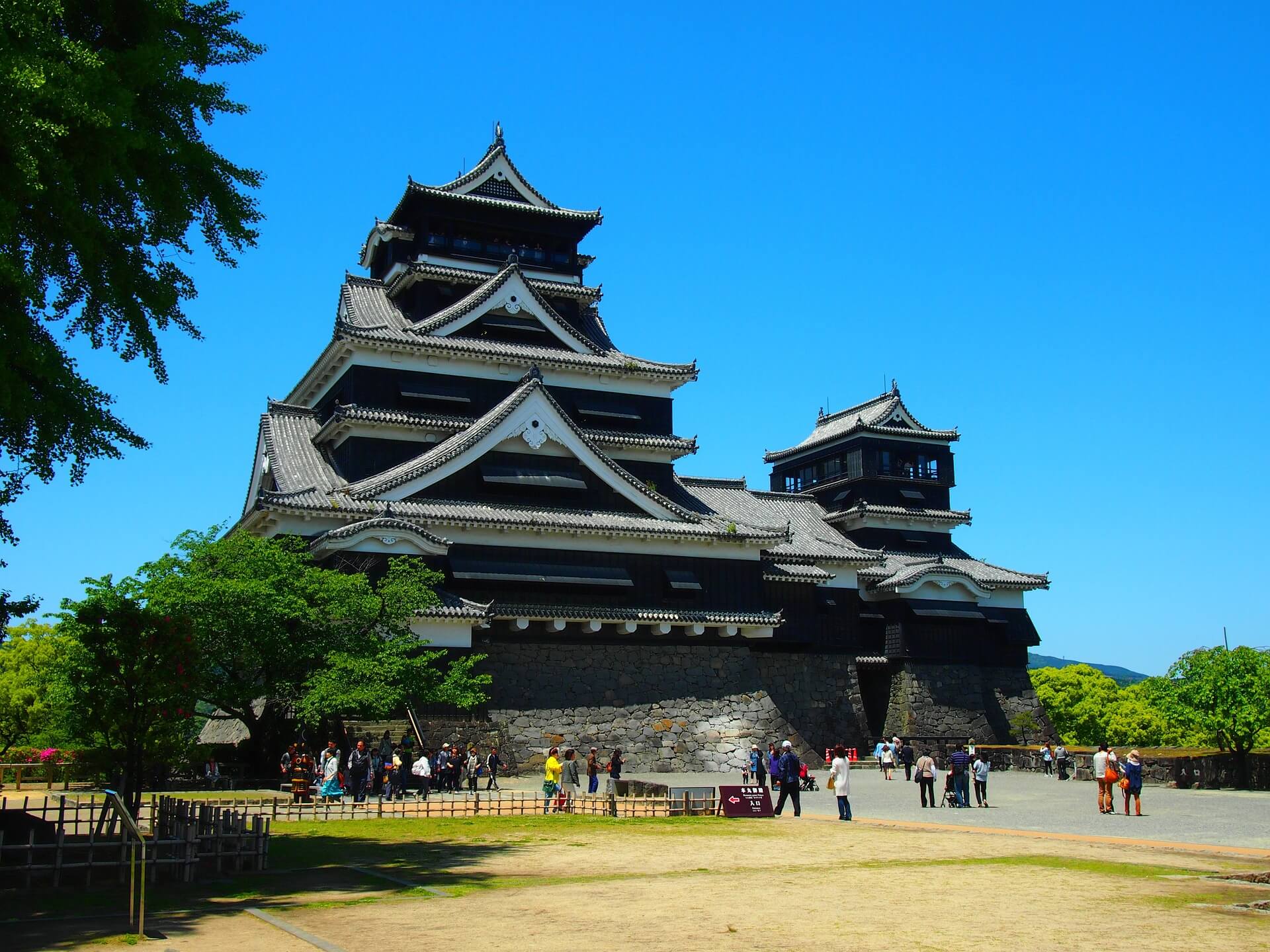
Kumamoto Castle
One of Japan's three great castles, famed for its "impossible" curved stone walls. Badly damaged in the 2016 earthquake, its ongoing restoration has become a symbol of the city's resilience — the repair work itself is now part of the attraction.
1.5–2 hours
¥800
9:00–17:00 (last entry 16:00; summer extended hours apply Jul–Aug); closed Dec 29. Restoration ongoing.
Spring (cherry blossoms) and Autumn
Tram from Kumamoto Station to Kumamotojo-Shiyakusho-mae (~17 min), then about 10 min walk; or Shiro-megurin bus to Sakura-no-baba
Location
Why Visit
- 1
Japan's third-largest castle keep, with walls that curve outward to repel siege ladders
- 2
Post-earthquake reconstruction in progress — a living history lesson
- 3
Over 800 cherry trees in full bloom each spring
Local Tips
The 2016 earthquake caused massive damage — the ongoing restoration (completing 2052) is itself a spectacle, with transparent covers allowing visitors to watch craftsmen rebuild stone walls and wooden structures by hand using traditional techniques. The Iidamaru Goten corridor gives excellent castle views. Kumamoto's castletown izakayas specialise in horse sashimi (basashi) — the local delicacy.
Add to your AI itinerary
Let AI build a multi-day trip around this spot.
Advertisement
More in Kumamoto
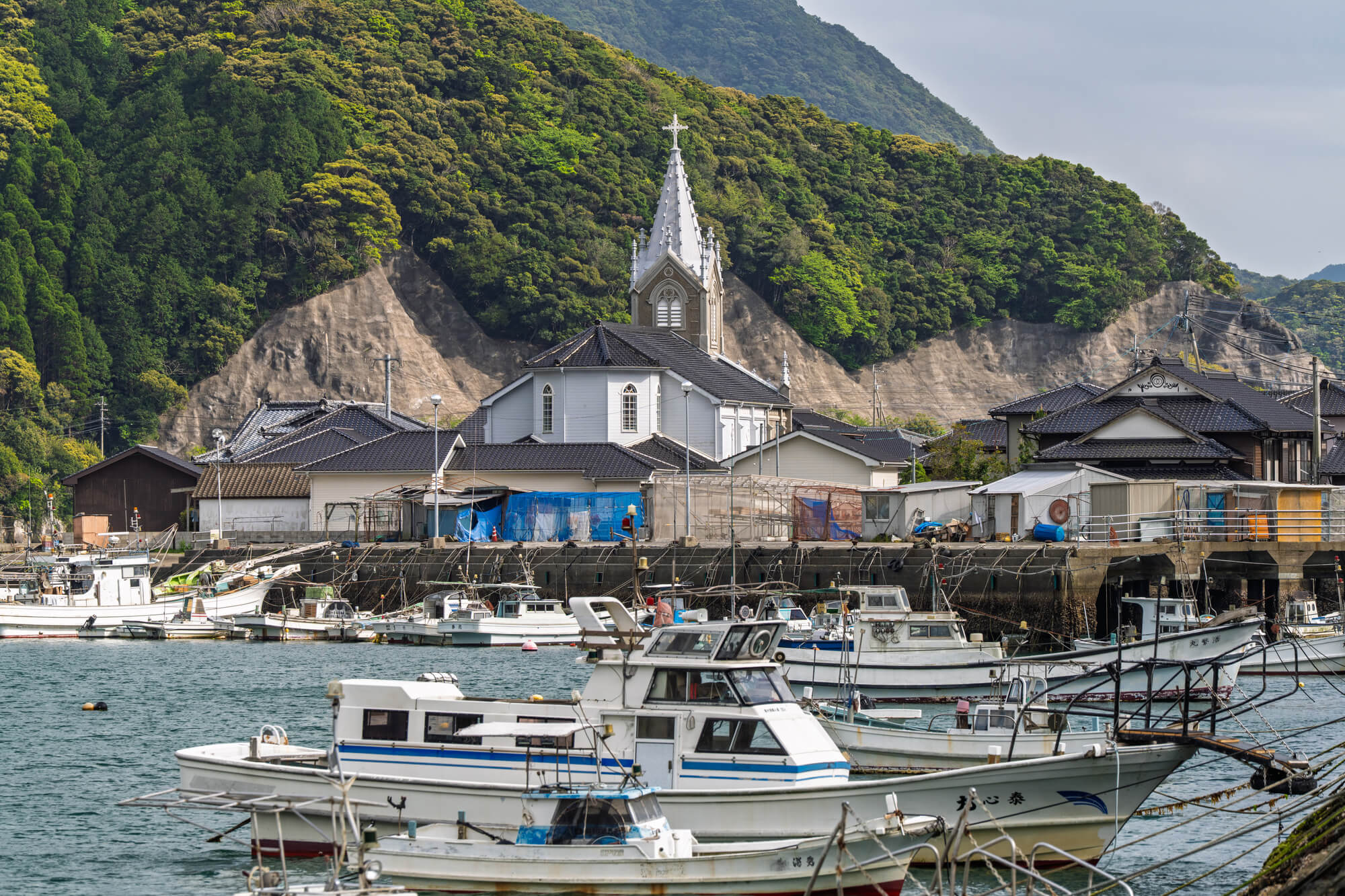
Amakusa Sakitsu Village
A UNESCO World Heritage fishing village where a Catholic church sits at the water's edge — a legacy of hidden Christians who secretly practiced their faith for 250 years during Japan's Edo period ban on Christianity.
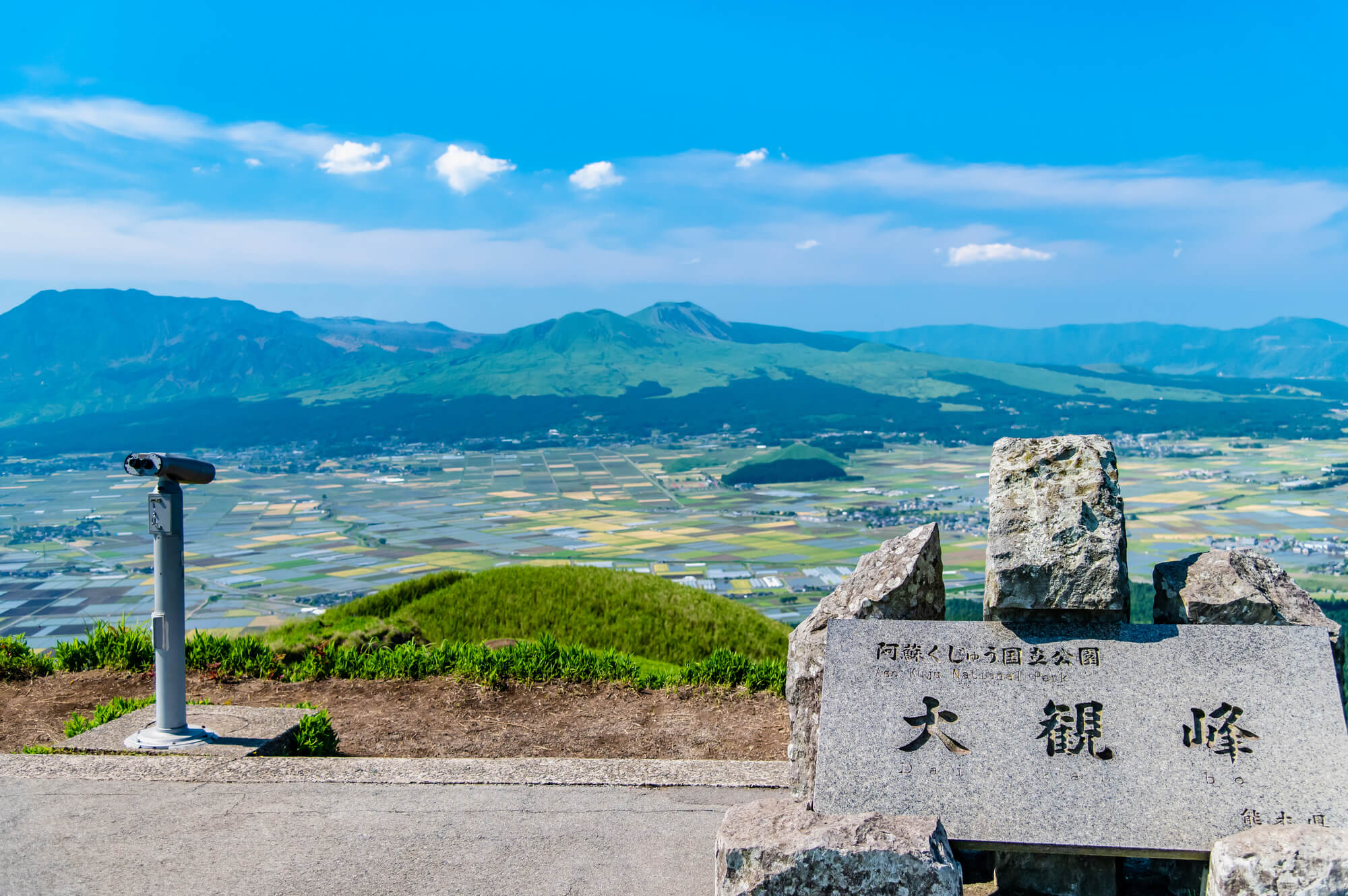
Daikanbo Overlook
The highest viewpoint on Aso's outer caldera rim, offering a full 360-degree panorama of the world's largest caldera and all five Aso peaks. This is the one spot where the true scale of the landscape becomes overwhelming.
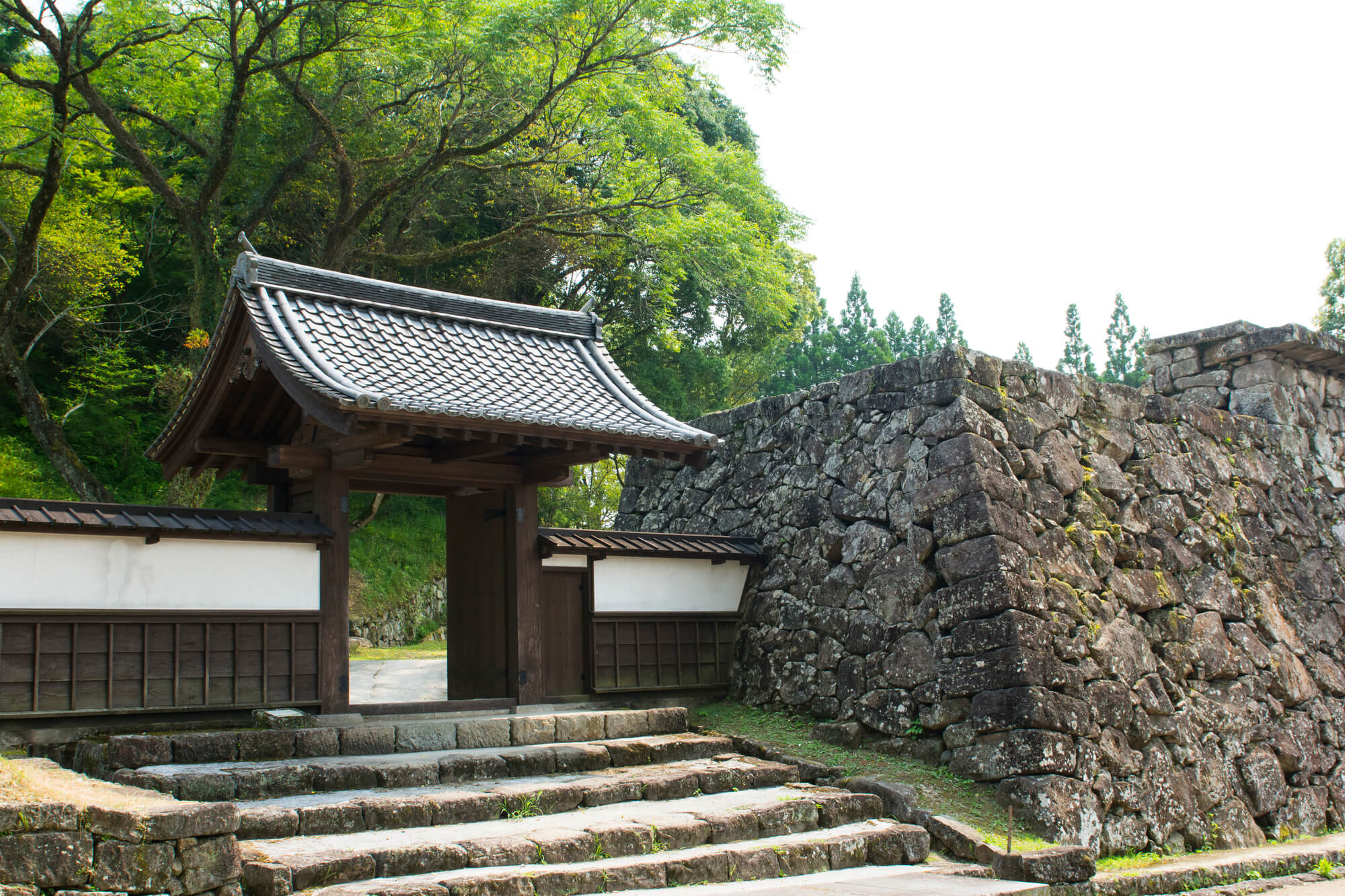
Hitoyoshi Castle Ruins
Perched above the Kuma River, these haunting castle ruins offer an authentic slice of feudal Japan with almost no crowds. Boat rafting on the river below.