
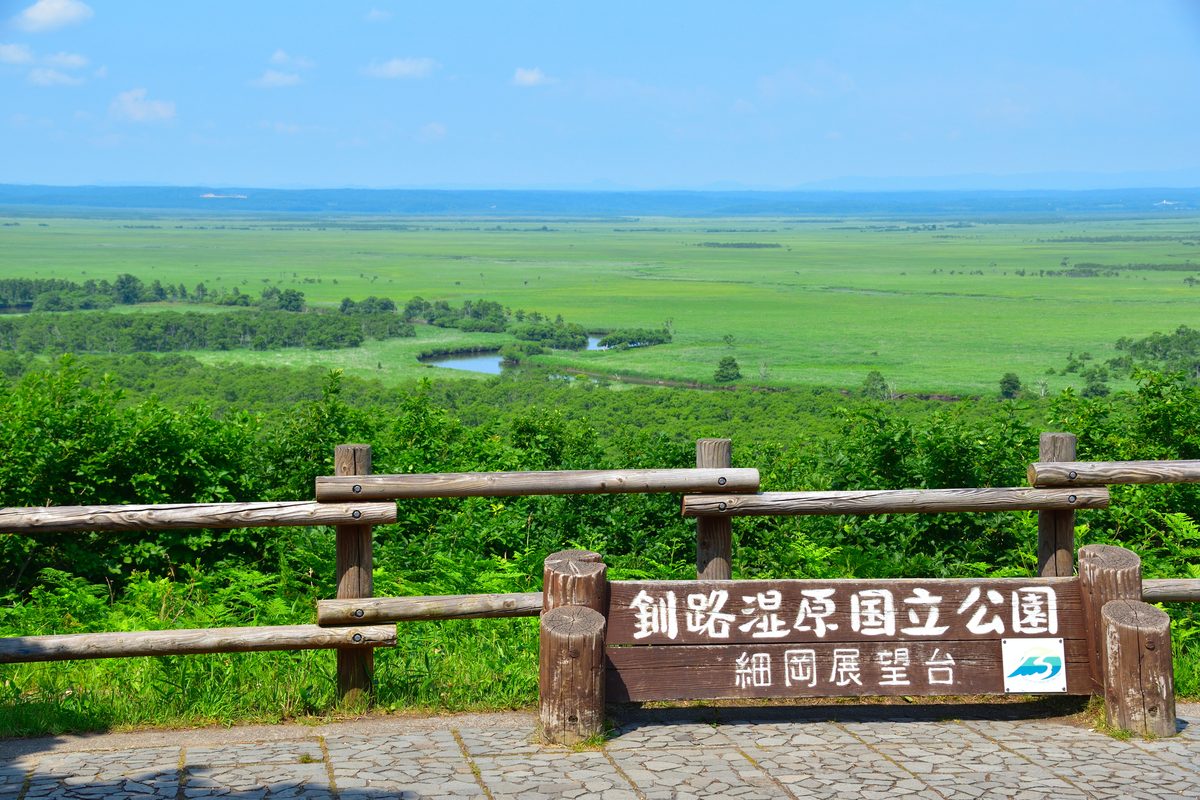
Kushiro Wetlands National Park
Japan's largest wetland, a peat-bog wilderness of reeds, meandering rivers and oxbow lakes covering 183 km² — a primeval landscape unchanged since the ice age. The park is the last stronghold of the red-crowned crane (tancho), the rarest crane on Earth. In winter, dozens of cranes gather at feeding stations and perform elaborate courtship dances on the snow.
2–4 hours
Free (wetlands & observatories)
Hosooka Observatory: 8:30–18:00 (Apr–Oct), 9:00–17:00 (Nov–Mar); crane feeding grounds at Tsurui visible from the roadside year-round
January–February (crane dances on snow); June–October (canoeing & Norokko Train)
Hosooka Observatory: JR Senmo Line to Kushiro Shitsugen Station, then about 10 min on foot. For Kushiro Shitsugen Observatory (west side): Akan Bus from Kushiro Station approx. 40 min. Rental car recommended for full access.
Location
Why Visit
- 1
About 1,000 red-crowned cranes (tancho) live in Hokkaido — the entire wild population of the subspecies
- 2
Winter feeding grounds at Tsurui village draw dozens of cranes daily; courtship dances happen January–February
- 3
The Norokko Train runs along the wetland edge in summer (June–October), with open-air observation cars
- 4
Canoe tours paddle the Kushiro River through a corridor of reeds where cranes, deer and foxes are commonly spotted
Local Tips
For crane photography, visit Tsurui Ito Tancho Sanctuary (Jan–Mar) at sunrise when cranes gather before flying out. The Norokko Train requires advance reservation — book through JR Hokkaido at least a few days ahead in summer.
Add to your AI itinerary
Let AI build a multi-day trip around this spot.
Advertisement
More in Hokkaido
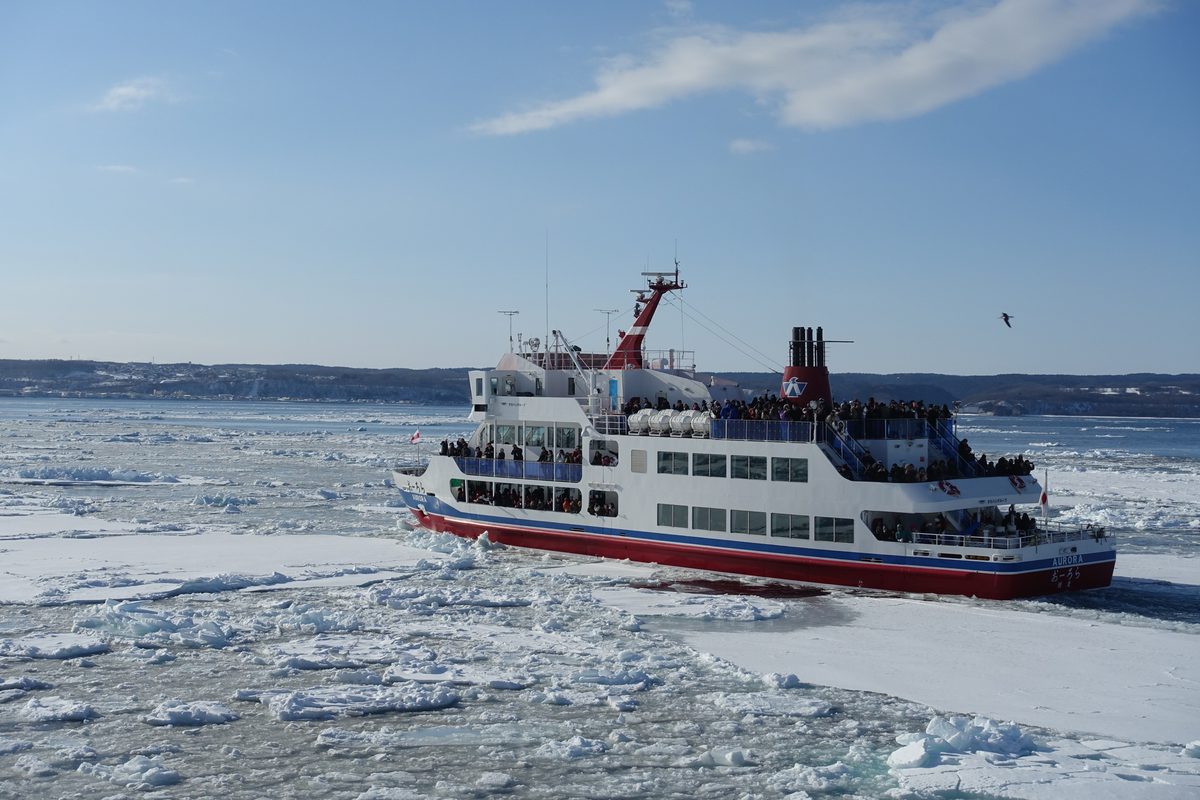
Abashiri Drift Ice & Aurora Icebreaker Cruise
Each winter the Sea of Okhotsk freezes in Siberia and vast sheets of drift ice — up to 1 metre thick — flow south to Abashiri, turning the sea into a grinding white plain. The Aurora icebreaker smashes through these floes on 1-hour cruises, and on calm days visitors can step onto the ice itself. This is the southernmost naturally occurring drift ice on the planet.
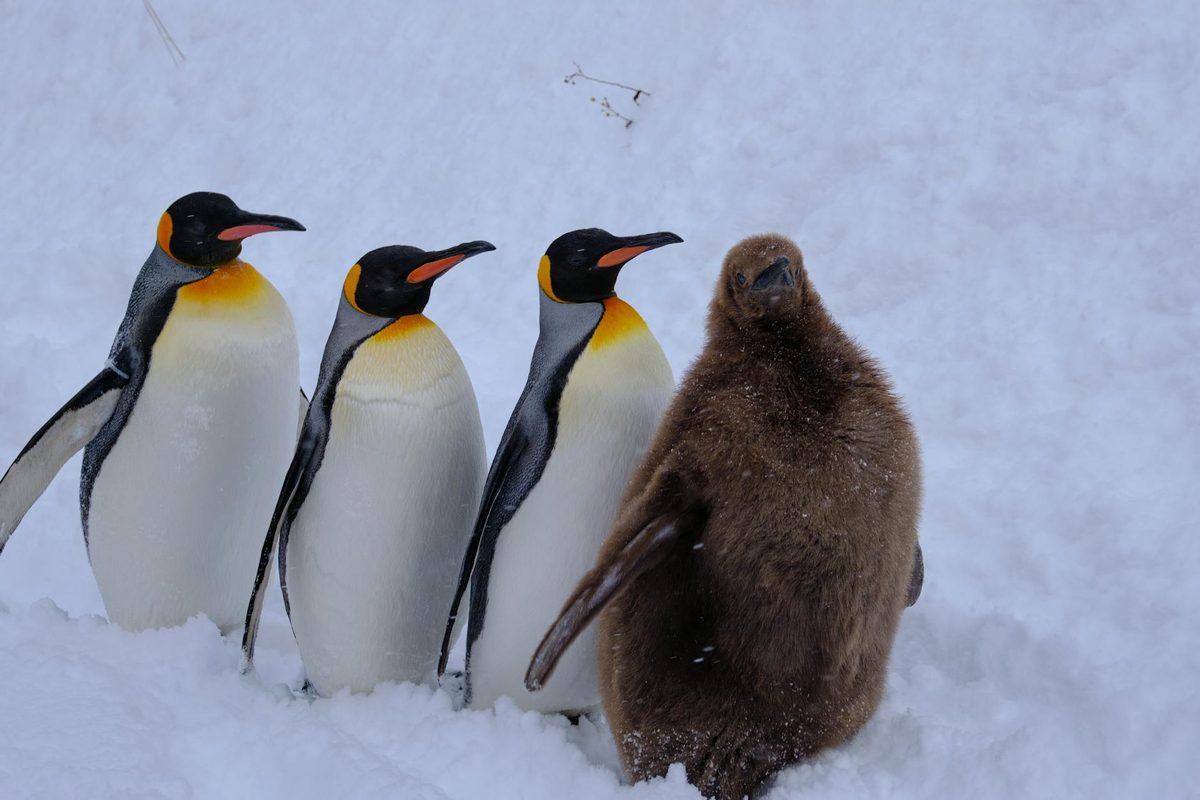
Asahiyama Zoo
Japan's most innovative zoo, which rescued itself from near-closure in the 1990s by pioneering "behaviour exhibits" — glass tunnels through penguin tanks, polar bear pools with underwater viewing, and orangutan sky-walks overhead. The winter penguin parade, when keepers walk the birds through snow for exercise, has become one of Hokkaido's most beloved daily spectacles.
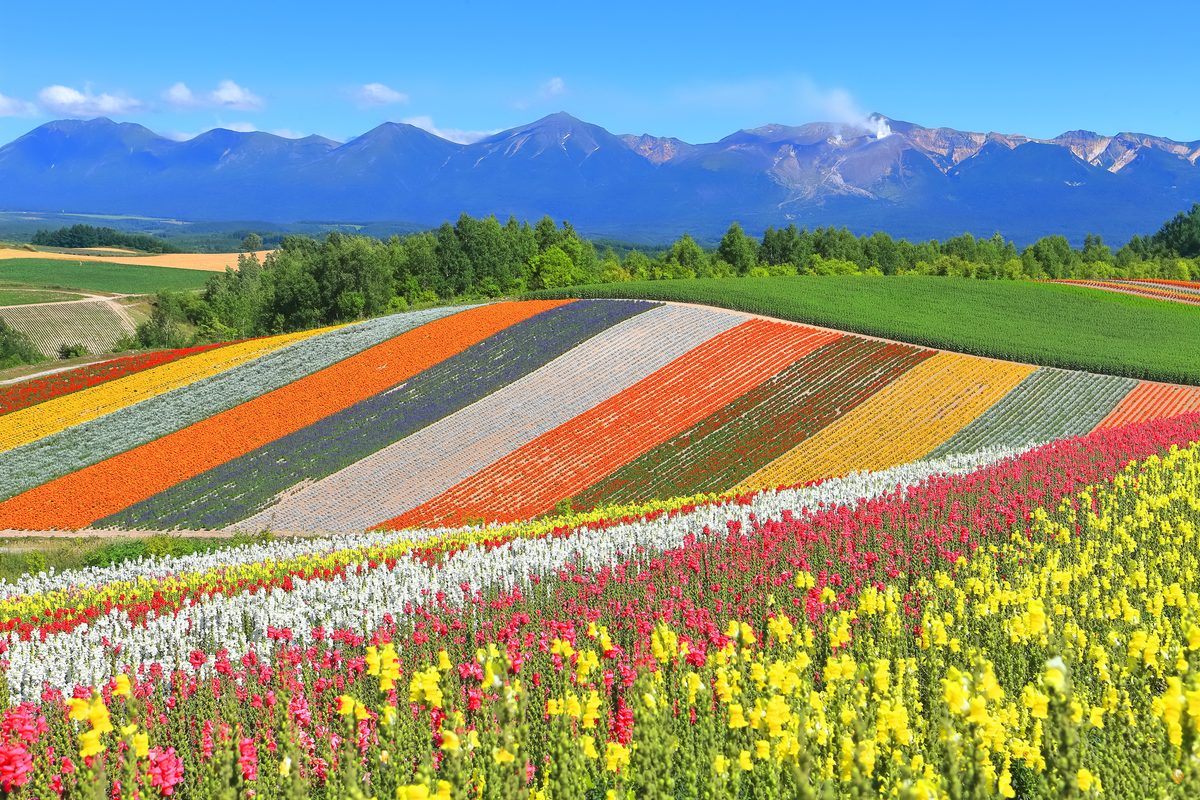
Biei Patchwork Road
Rolling farmland hills west of Biei town that resemble a giant patchwork quilt — wheat, potatoes, lavender and sunflower fields stitched together across gentle knolls. Best explored by rental bicycle in summer.