
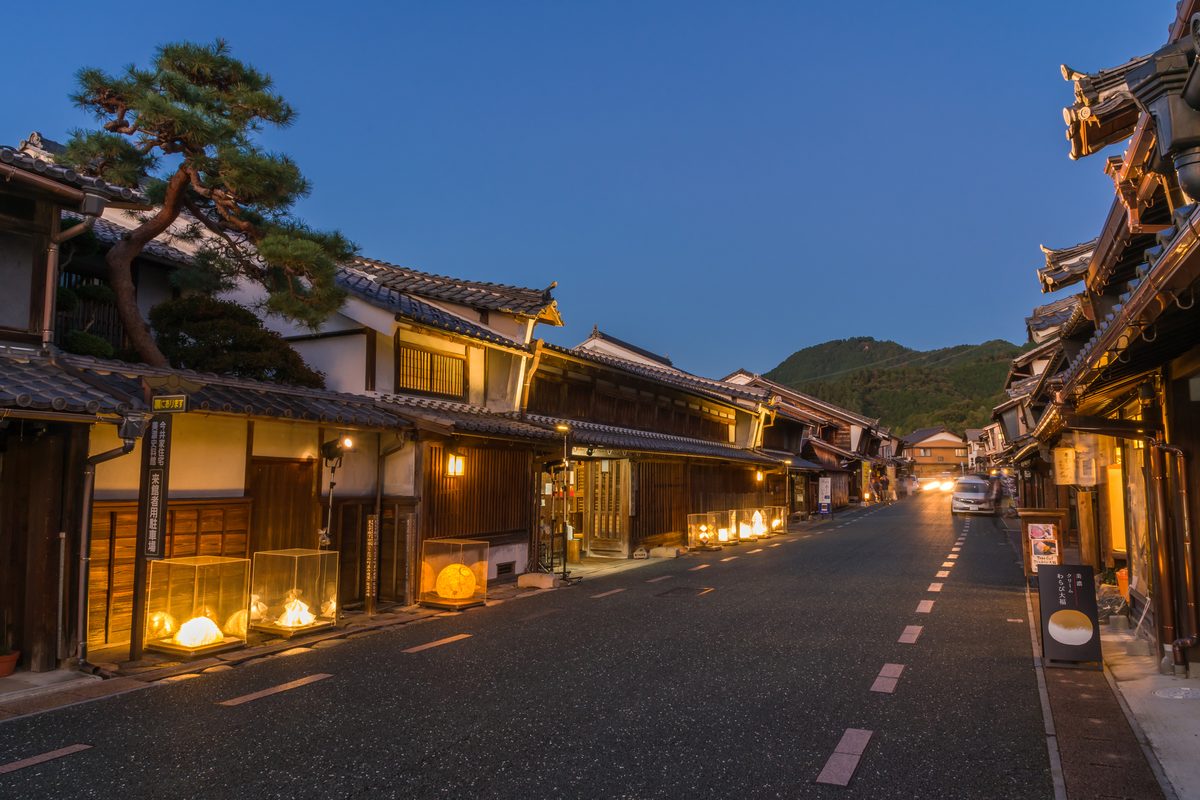
Mino — Washi Paper Town
A thousand-year-old washi (Japanese paper) production town with a preserved merchant street whose second-storeys are screened with hanging washi panels instead of shutters. Mino washi is designated a UNESCO Intangible Cultural Heritage. Visitors can make their own sheets at several workshops along the Udatsu townscape.
2–3 hours
Free (workshops ¥800)
Town always accessible; Udatsu Gallery and shops: typically 9:00–17:00; washi workshops: bookable
Year-round (October for Akari Art Festival — washi lanterns line every street)
Nagaragawa Railway from Gifu to Mino-shi Station, then bus or shared taxi to washi district (allow 40+ min total from Gifu)
Location
Why Visit
- 1
Mino washi is UNESCO-designated Intangible Cultural Heritage — production unchanged for 1,300 years
- 2
The Udatsu townscape has washi paper hanging in windows as screens — a unique architectural tradition
- 3
Paper-making workshops let you create your own postcards and book covers from mulberry fibre
Local Tips
Mino washi is the most refined of Japan's traditional papers — the preserved udatsu-style merchant town streetscape is a bonus. The autumn Washi no Hi (Paper Day) festival in November covers the town in handmade lanterns. Paper-making workshops (1–2 hours) are bookable at multiple studios for ¥800–1,500 and make for an ideal souvenir.
Add to your AI itinerary
Let AI build a multi-day trip around this spot.
Advertisement
More in Gifu
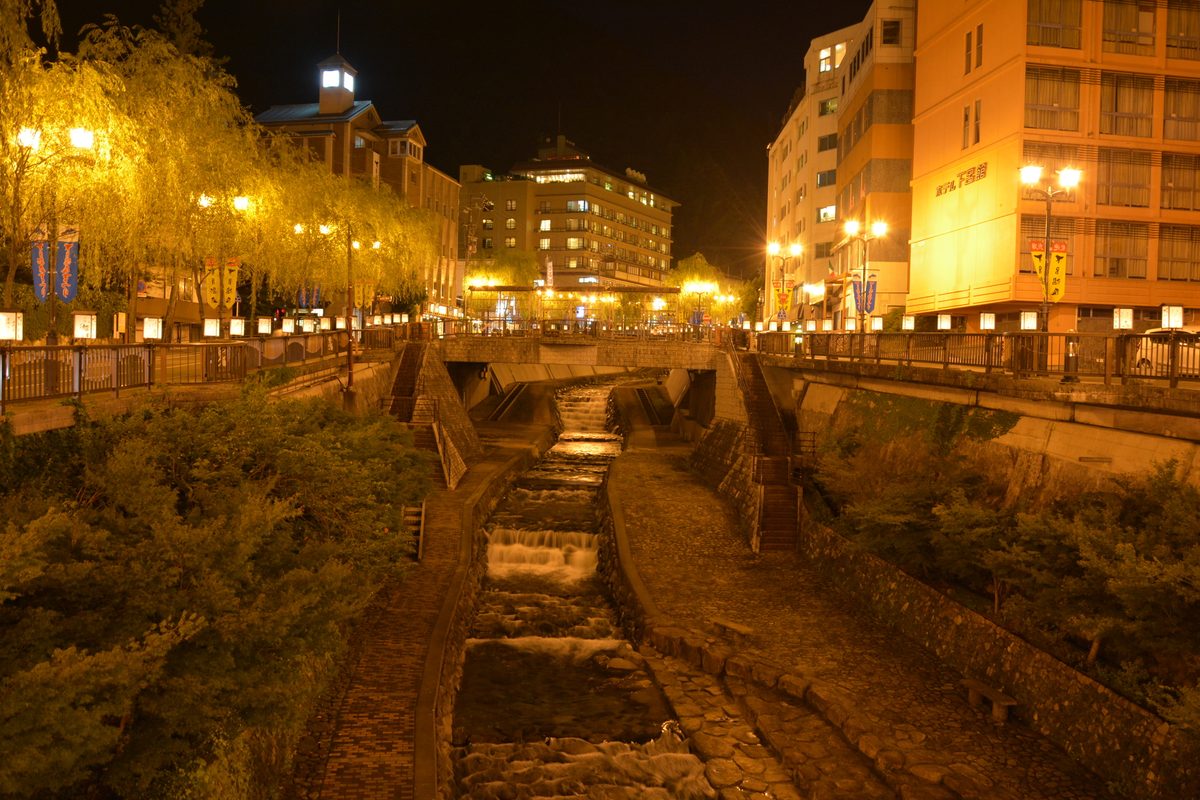
Gero Onsen
One of Japan's three great onsen alongside Arima and Kusatsu — Gero has been listed as a national hot spring since 1246. The bicarbonate spring water is mildly alkaline and produces silky skin. The riverside ryokan district, with outdoor baths overlooking the Hida River, is the classic Japanese onsen scene.
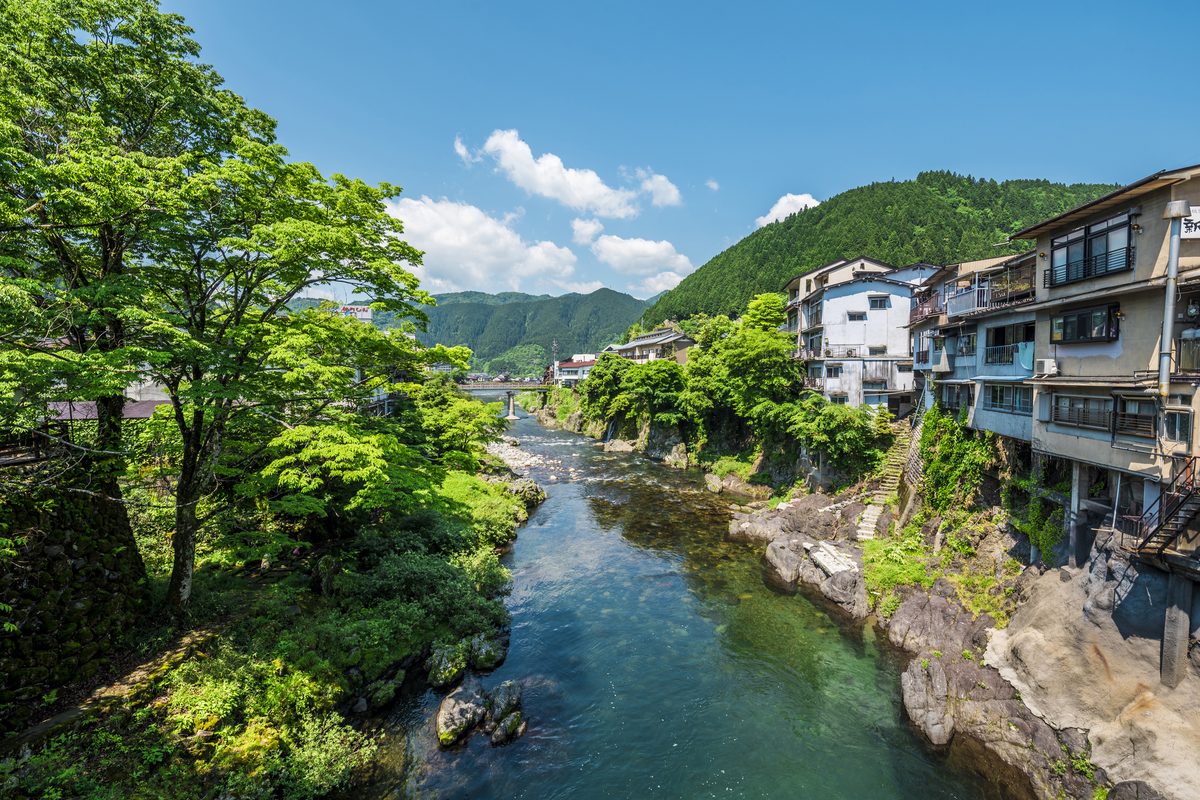
Gujo Hachiman
A mountain castle town threaded by crystal-clear streams where children still swim and play as they have for centuries. The town's water channels (suiro) were engineered so carefully that each neighbourhood has its own designated times for water usage — drinking, washing clothes, washing vegetables, and so on — a system still observed today.
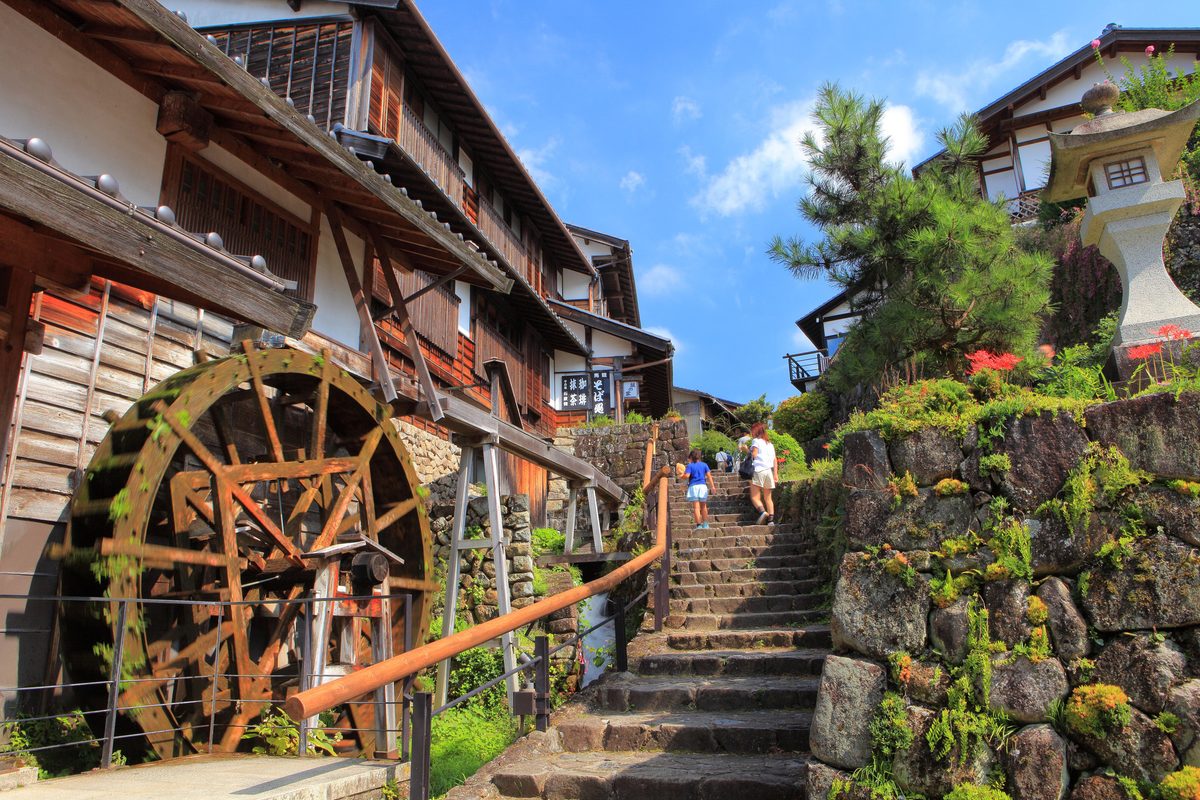
Magome-juku
The southern gateway to the Nakasendo mountain highway — a cobblestone post town on a hillside cleared of all modern signage and wiring. The Shimazaki Toson Literary Museum celebrates the novelist who set his masterpiece "Before the Dawn" here. The walk north to Tsumago-juku passes through forests unchanged for centuries.