
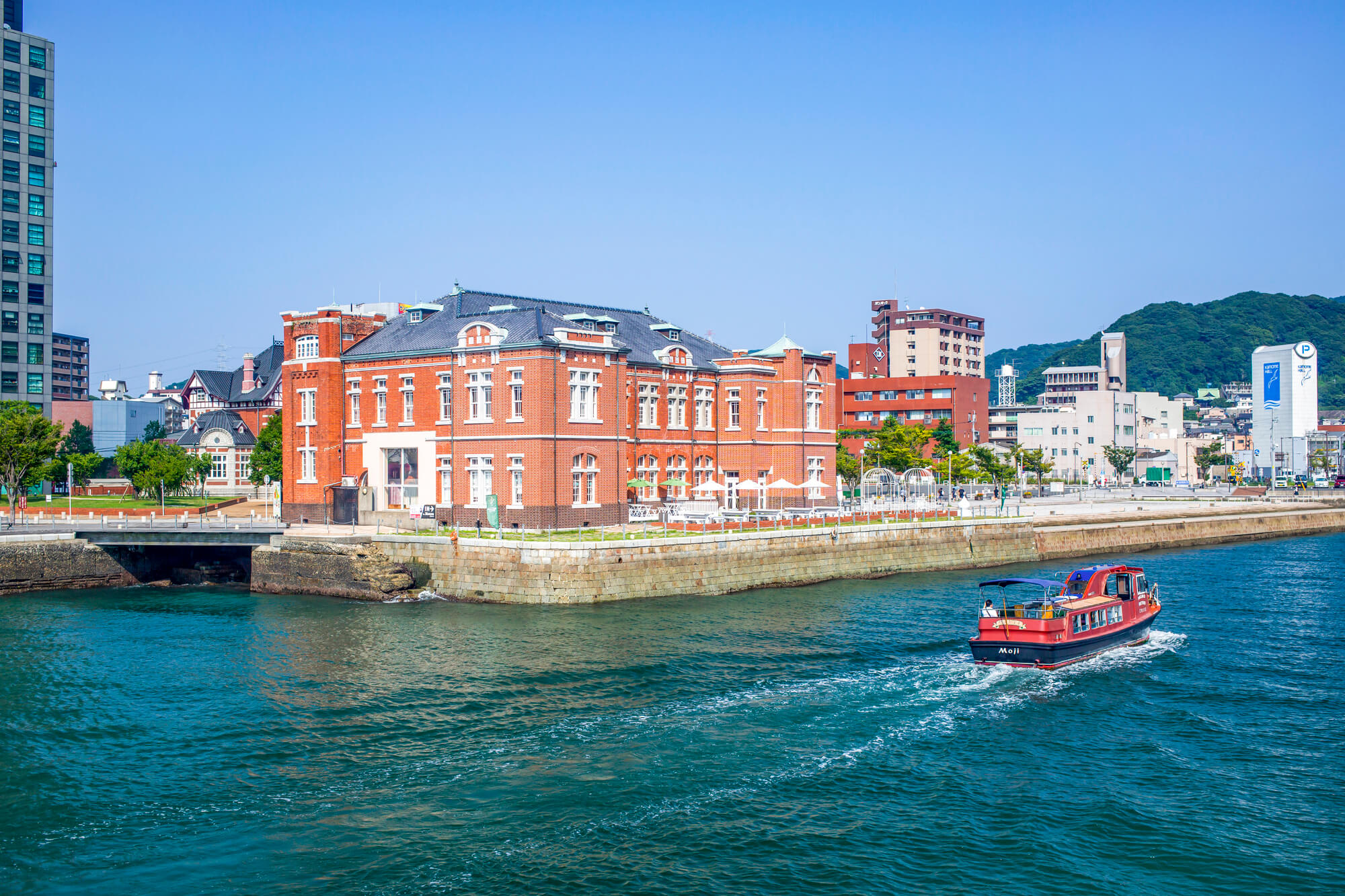
Mojiko Retro District
A beautifully preserved Meiji-era port town at the northern tip of Kyushu. European-style brick buildings, a pedestrian waterfront, and Japan's best grilled curry.
2–3 hours
Free (buildings have small entry fees)
District always accessible; individual buildings: 9:00–17:00 (hours vary)
Year-round, spring for outdoor dining
JR to Mojiko Station (Kagoshima Main Line; from Hakata about 1 hr direct or via Kokura ~15 min from Kokura). Walk from station to retro district
Location
Why Visit
- 1
Yakicurry (grilled curry rice with melted cheese) — try it at Door or Retro Curry
- 2
The old Moji Port Building now houses exhibits on the port's trading history
- 3
Cross to Shimonoseki, Yamaguchi by ferry for ¥400 — one of Japan's shortest international crossings
Local Tips
Moji Port was Meiji Japan's most important coal export gateway — the surviving brick customs house, railway station, and warehouses form a cohesive retro streetscape. The Mojiko焼きカレー (grilled curry) is the local food specialty — dozens of restaurants compete for the best version. Walk across the Kanmon Strait to Shimonoseki on the pedestrian undersea tunnel (¥20) for a Korea-Japan historical perspective.
Add to your AI itinerary
Let AI build a multi-day trip around this spot.
Advertisement
More in Fukuoka
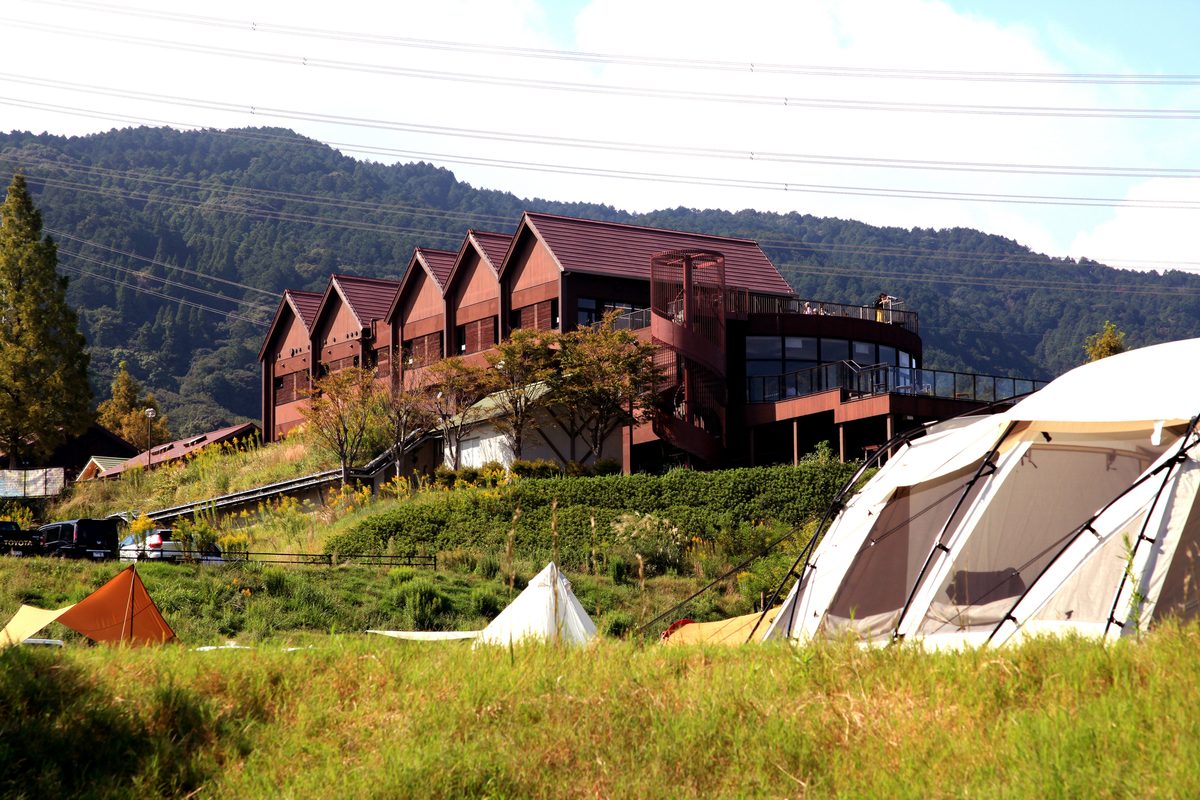
Aburayama Forest Park
Fukuoka's green lung — a forested mountain park just 30 minutes from the city center with mountain biking trails, a kids' forest museum, scenic viewpoints, and glamping facilities. On weekends it attracts Fukuoka's athletic community for trail running and mountain biking; on weekdays it's blissfully quiet.
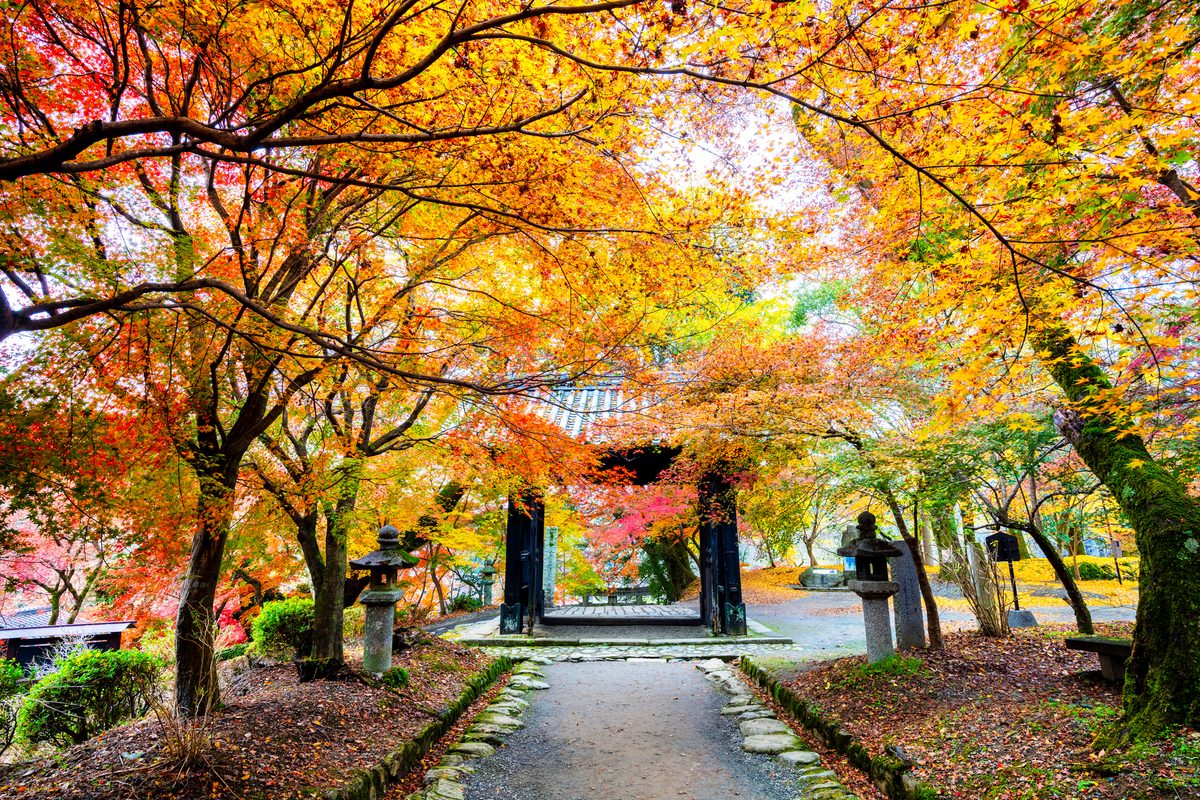
Akizuki Castle Ruins
A serene castle-town deep in the mountains 60km from Fukuoka, preserved by accident of geography — the Kuroda clan seat that never had to modernize. The approach road lined with 200-year-old cherry trees is among Kyushu's most beautiful.
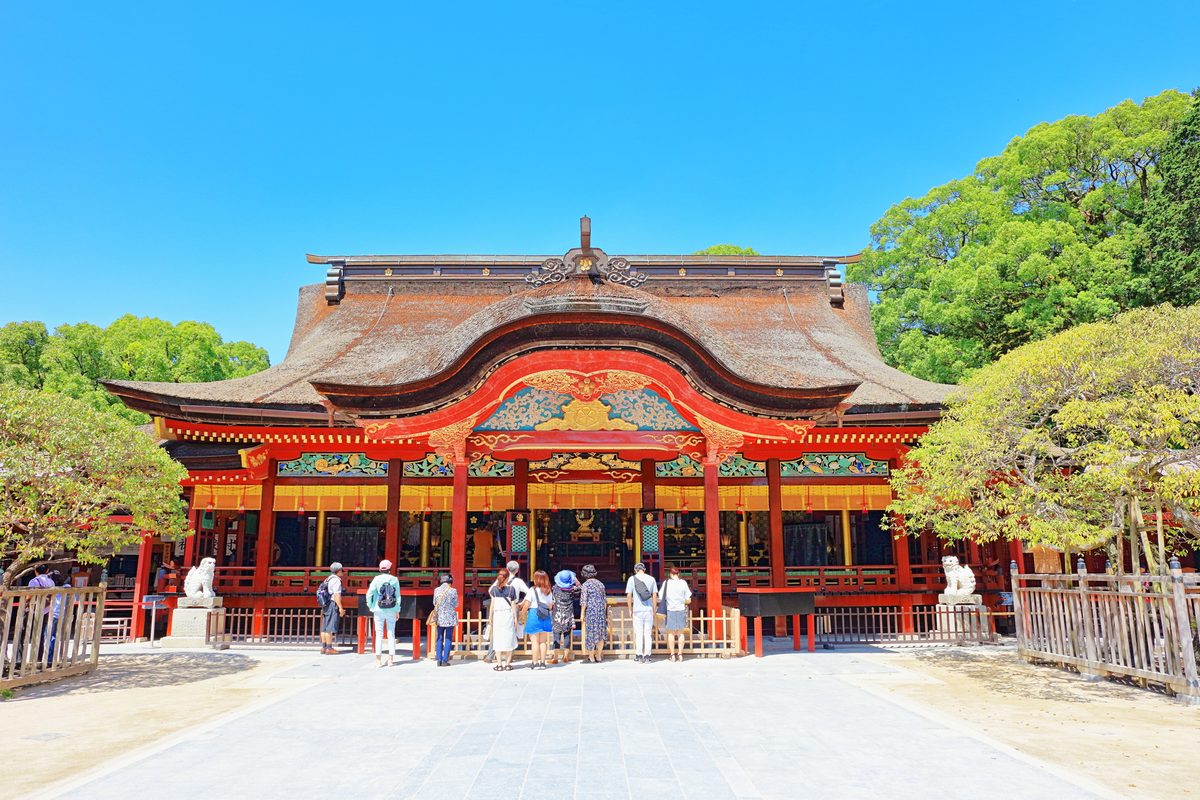
Dazaifu Tenmangu
One of Japan's most important Shinto shrines, dedicated to Sugawara no Michizane, the deity of learning. Surrounded by 6,000 plum trees that burst into bloom each February.