
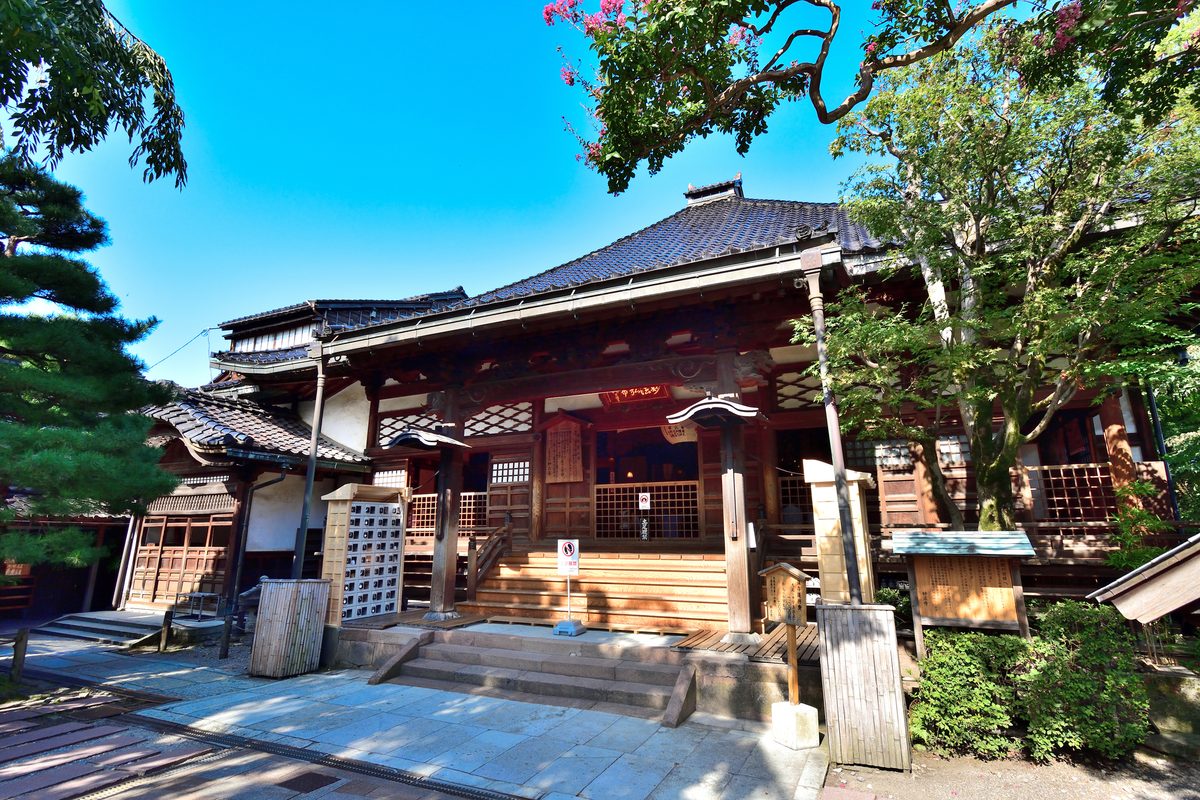
Myoryuji — Ninja Temple
A 17th-century temple with 29 staircases, 23 rooms, hidden corridors, secret rooms, trapdoors, and a well connecting to an escape tunnel. Built as a samurai watchtower by the Maeda clan disguised as a temple to avoid Tokugawa suspicion. Guided tours (mandatory) reveal one hidden device after another.
1 hour
¥1,200
Tours: 9:00–16:30 (9:00–16:00 late Nov–early Mar); advance reservation required by phone.
Year-round
10 min taxi from Kanazawa Station
Location
Why Visit
- 1
29 staircases and 23 rooms crammed into a building that appears single-storey from the outside
- 2
A hidden well connects to an escape tunnel running under the city — guides actually show it
- 3
Must be booked in advance — mandatory guided tours only (no self-guided visits)
Local Tips
Entry is strictly by advance reservation — the temple will not allow walk-ins. The interior has 29 staircases, 23 rooms, hidden rooms, trap doors, and a secret tunnel — designed to protect the lord from assassination. The tour takes 40 minutes and is conducted in Japanese only (written English guide provided). One of Kanazawa's most unique experiences.
Add to your AI itinerary
Let AI build a multi-day trip around this spot.
Advertisement
More in Ishikawa
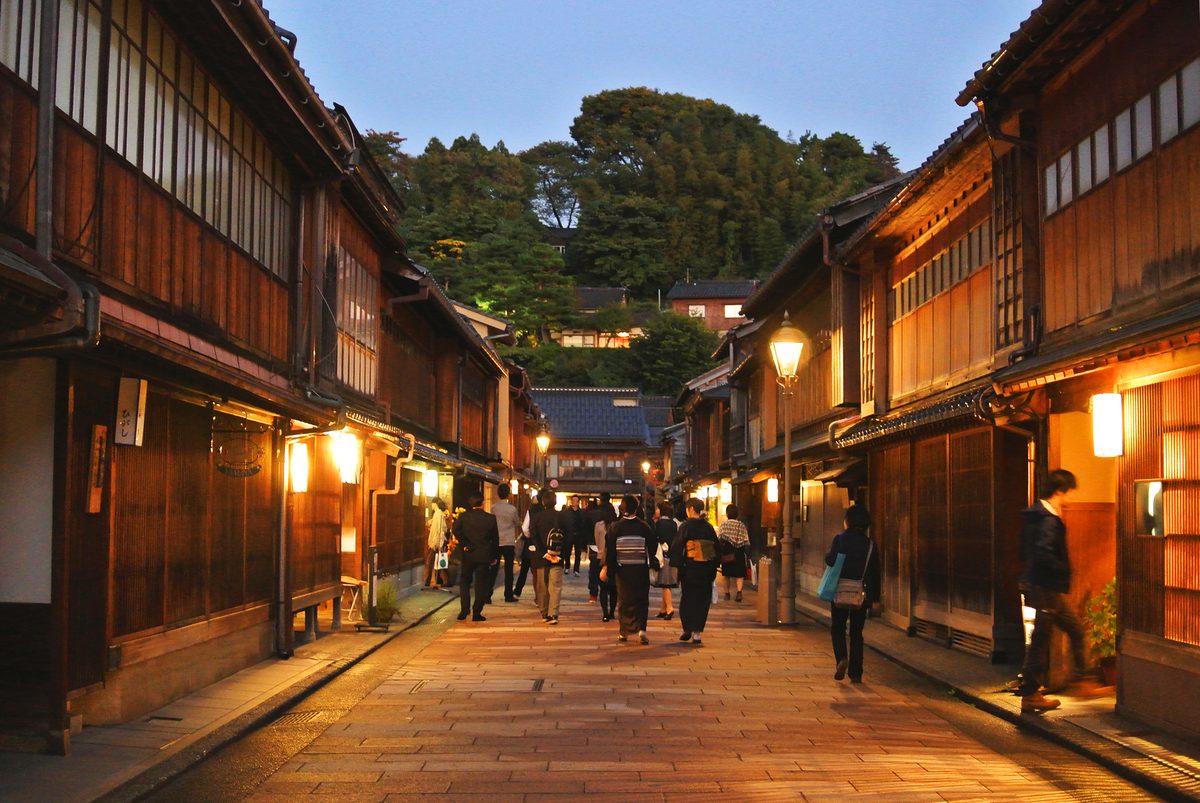
Higashi Chaya District
Kanazawa's most intact geisha teahouse quarter, established by the Maeda clan in 1820 and little changed since. The ochaya (teahouses) with their latticed facades and inner gardens still operate — some as galleries and gold-leaf shops, a few as active geisha venues accessible by reservation. Kanazawa retains more active geisha than anywhere outside Kyoto.
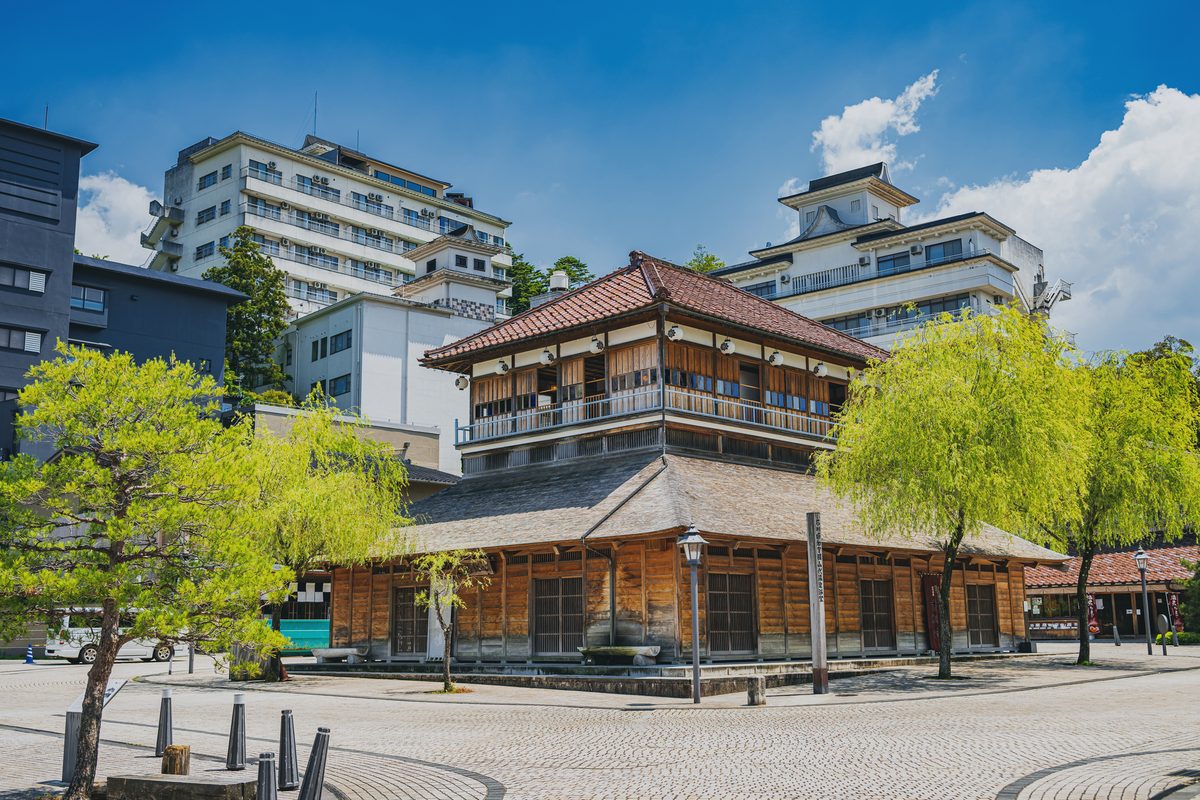
Kaga Onsen (Katayamazu)
A cluster of four historic spa towns (Yamanaka, Yamashiro, Awazu, Katayamazu) collectively known as Kaga Onsen. Katayamazu sits on the shore of Lake Shibayama with ryokan building over the water's edge. The combined bathing district has been operating since the 9th century and serves Noto Peninsula crab.
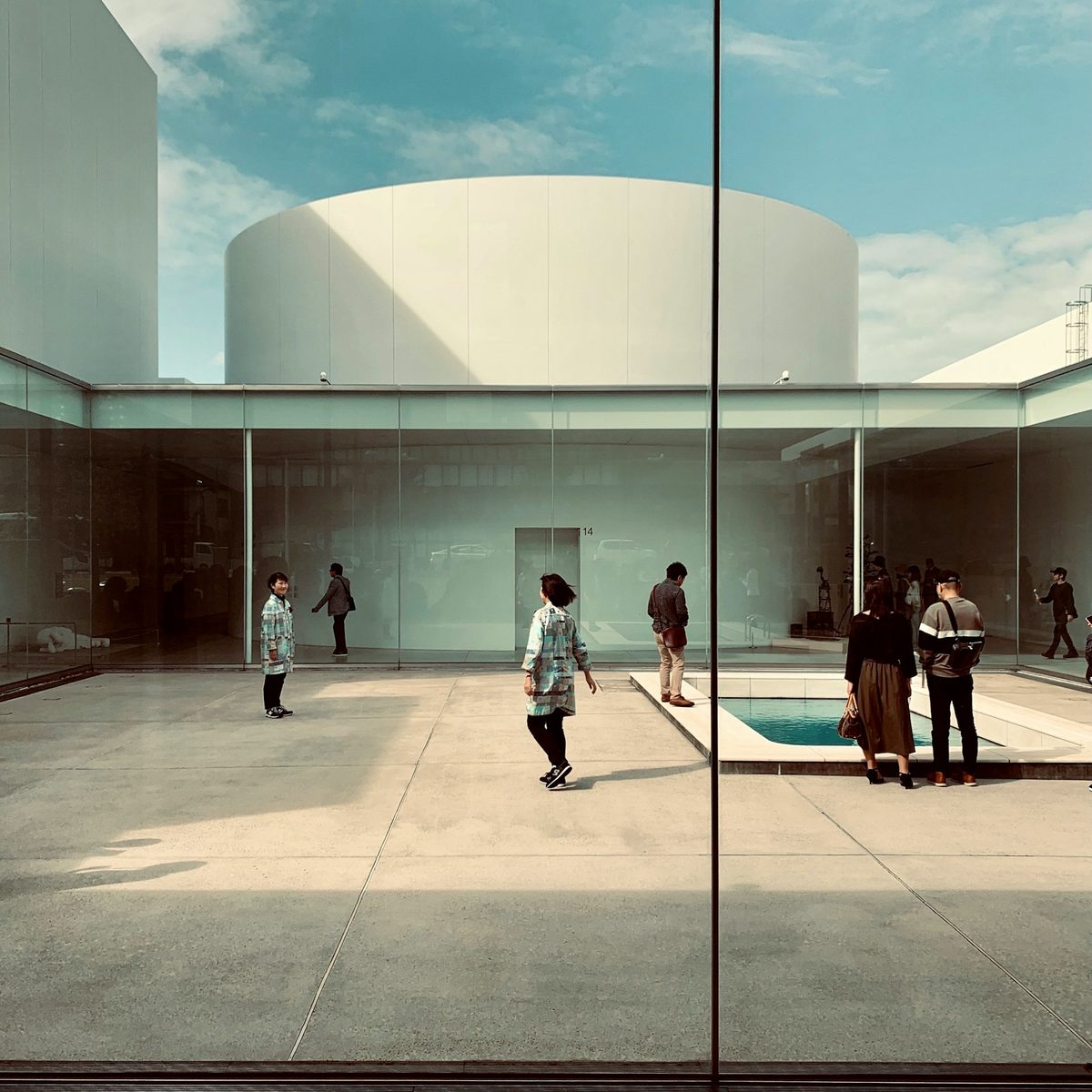
Kanazawa 21st Century Museum
One of Japan's most visited contemporary art museums — a circular glass building with no front or back, designed so visitors wander freely through interactive exhibitions. Leandro Erlich's Swimming Pool installation lets visitors stand both on top and below the water simultaneously.