
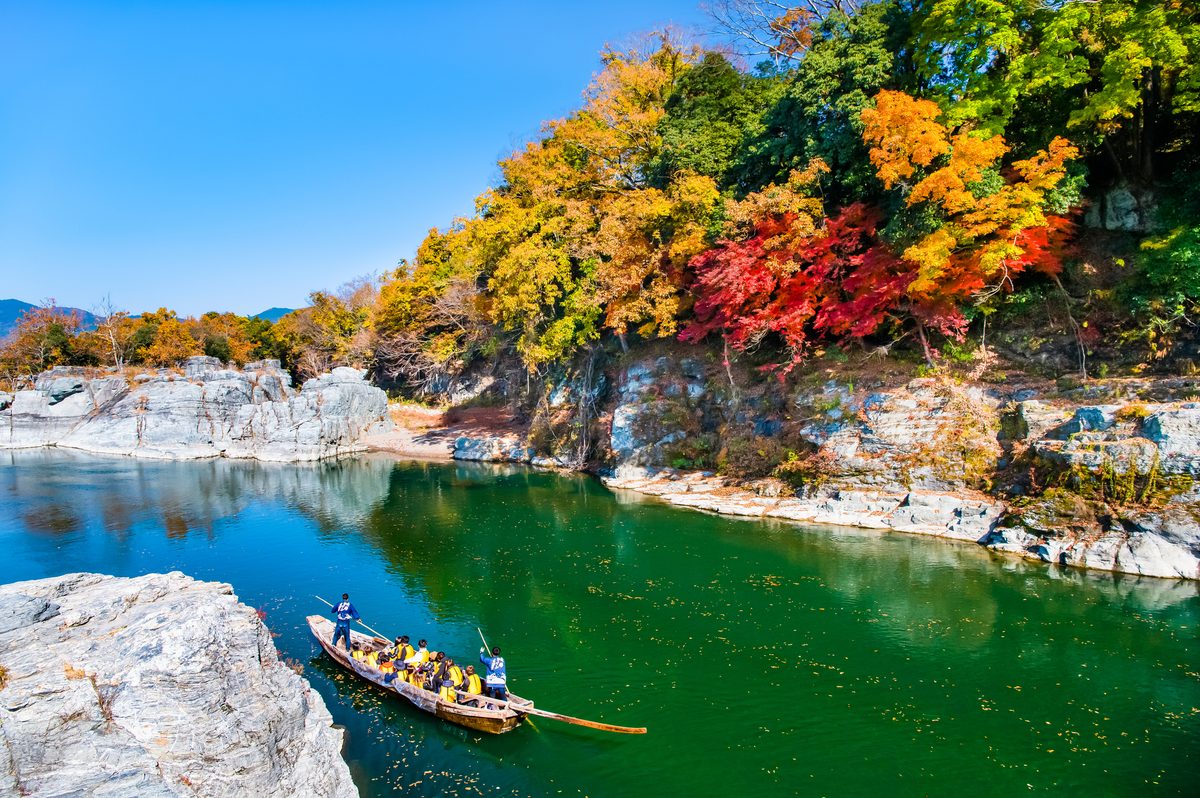
Nagatoro Gorge
A river gorge of naturally sculpted red and green rocks (Hitsujiyama Rhyolite) carved by the Arakawa River — officially designated Japan's first Special Natural Monument (1941). Traditional hand-poled river boats (yakatafune) float through the gorge between rhyolite formations while spring flowers and autumn foliage line the canyon walls.
2–3 hours
Free (boat from ¥2,000 for 3km course)
Gorge: always accessible; Rocking Boat ride: Mar–Nov, 9:00–16:30 (weather permitting)
April–May (shibazakura), October–November (foliage)
Seibu Chichibu Line to Nagatoro Station (80 min from Ikebukuro)
Location
Why Visit
- 1
Japan's first Special Natural Monument — the red and green layered rock formations are geological wonders
- 2
Traditional pole-boats navigate the gorge — the same vessels used for 300 years
- 3
Hitsujiyama Park above the gorge has 400,000 moss phlox (shibazakura) blooming April–May
Local Tips
The traditional wooden boat ride through the Arakawa River gorge (30 min, ¥1,600) is guided by experienced boatmen who use poles to navigate the rapids. The gorge walls of folded metamorphic rock are geologically extraordinary. The Hodo-san cable car above the gorge gives aerial views. Combine with Chichibu Shrine for a full Saitama mountain day.
Add to your AI itinerary
Let AI build a multi-day trip around this spot.
Advertisement
More in Saitama
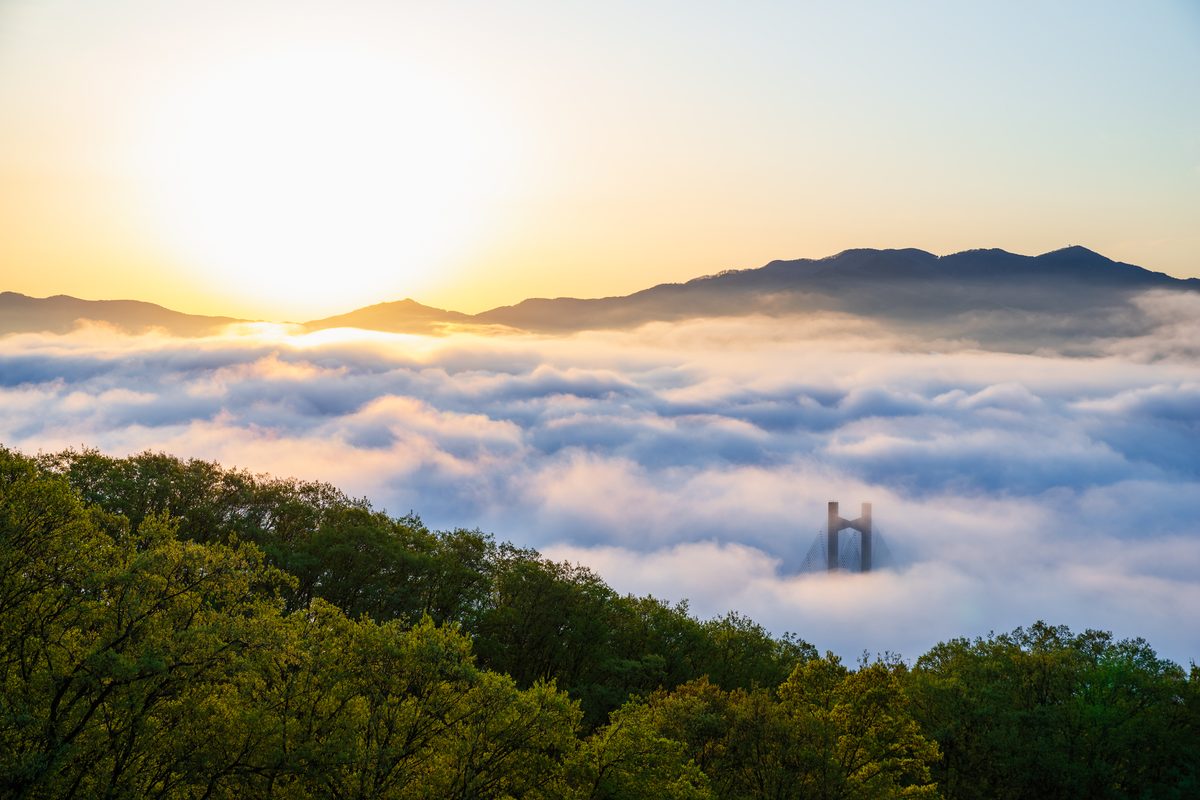
Chichibu — Mountain Town & Shrine
A mountain basin town set among the Oku-Chichibu ranges, home to one of Japan's three great night festivals — the Chichibu Yomatsuri (December 3) where six ornate floats and two mikoshi parade through freezing winter streets with fireworks overhead. The Chichibu Shrine (2,100 years old) is a National Important Cultural Property.
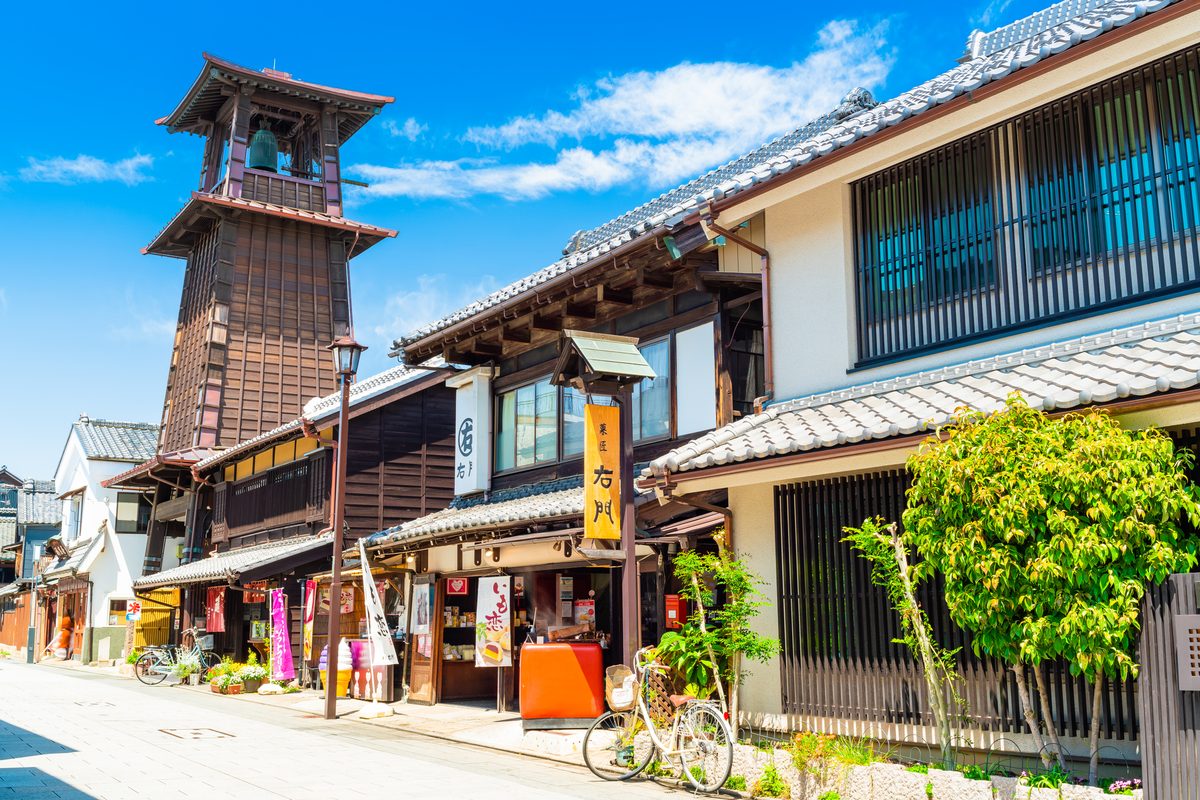
Kawagoe — Little Edo
A well-preserved Edo-period merchant town 30km from Tokyo — nicknamed Koedo (Little Edo) for its kura-zukuri (black plastered storehouse) main street and the only surviving Toki no Kane (Time Bell Tower) in the Kanto region. Confectionery Street (Kashiya Yokocho) has sold traditional dagashi (cheap sweets) since the Meiji era.
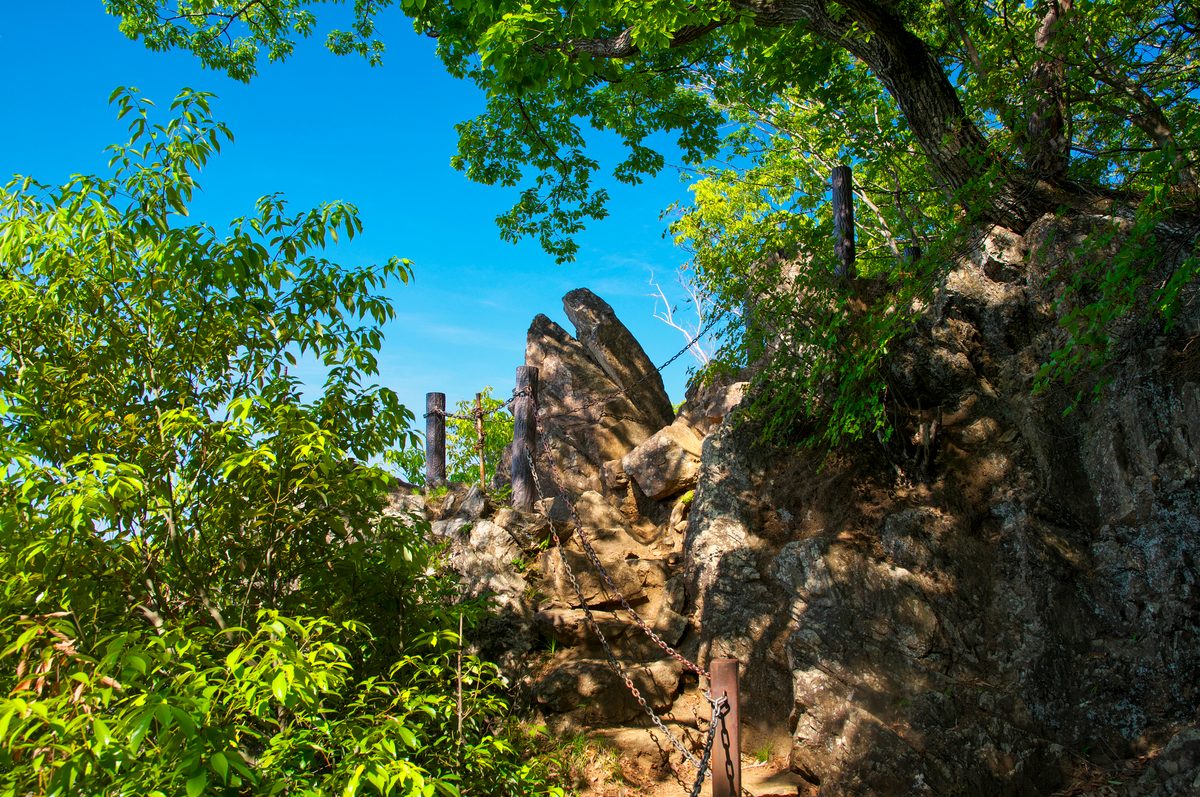
Mt Tenran — Hanno
A gentle 305-metre mountain above the Iruma River valley — one of the most approachable peaks for Tokyo day-trippers, with a clear trail to the summit in 40 minutes. Emperor Hirohito walked this mountain in 1931, giving it the name "Tenran" (Emperor's View). The summit offers Chichibu mountain panoramas and city views simultaneously.