
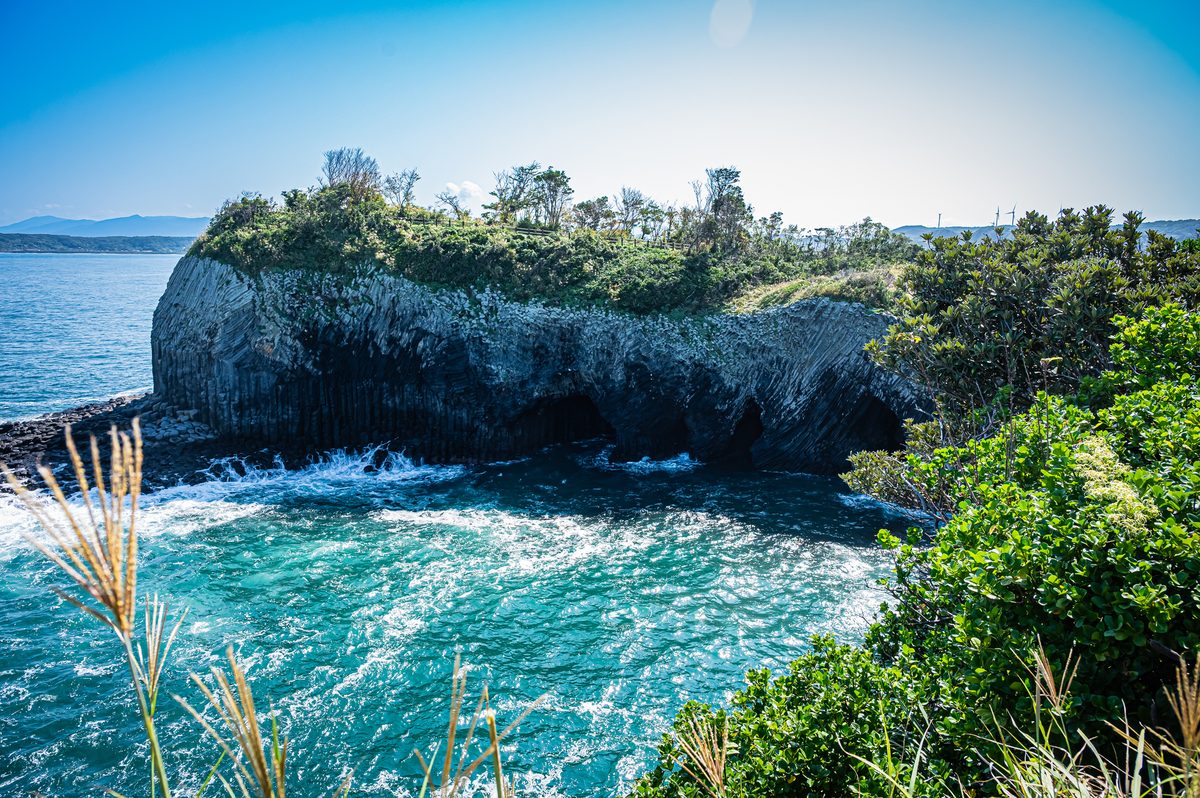
Nanatsugama Sea Caves
Seven sea caves (nana = seven, kama = pot) carved into volcanic basalt cliffs on the Genkai coast. The largest cave reaches 110 metres deep with a 16-metre ceiling. Access by sightseeing boat lets you glide right inside the cave chambers as waves echo around you.
1.5 hours (boat + sightseeing)
Boat tour from ¥1,000 (Sachi-maru) or ¥1,600 (Ika-maru) per adult; viewing from land free
Boat tours: Apr–Nov, 9:00–17:00 (weather permitting); closed in rough seas
April–October (boat tours operate in calm weather)
Bus from Karatsu (Oteguchi Bus Center) to Nanatsugama-iriguchi (~34 min), then about 30 min walk to boat pier; or by car/taxi from Karatsu Station ~20 min
Location
Why Visit
- 1
The boat tour departs from Yobuko Port — combine with the famous Yobuko morning market for fresh squid
- 2
The caves glow blue-green when sunlight reflects off the water inside
- 3
Yobuko's ika (live squid sashimi) is a Saga bucket-list experience — eat it in the harbor restaurants
Local Tips
Seven sea caves carved by wave action into the Genkai Sea coast — the boat enters the largest cave and cuts the engine to let the acoustics of the water amplify. The basalt sea stacks around the caves are geologically significant. Combine with Karatsu Castle and Niji-no-Matsubara Beach for a full Karatsu coastal day.
Add to your AI itinerary
Let AI build a multi-day trip around this spot.
Advertisement
More in Saga
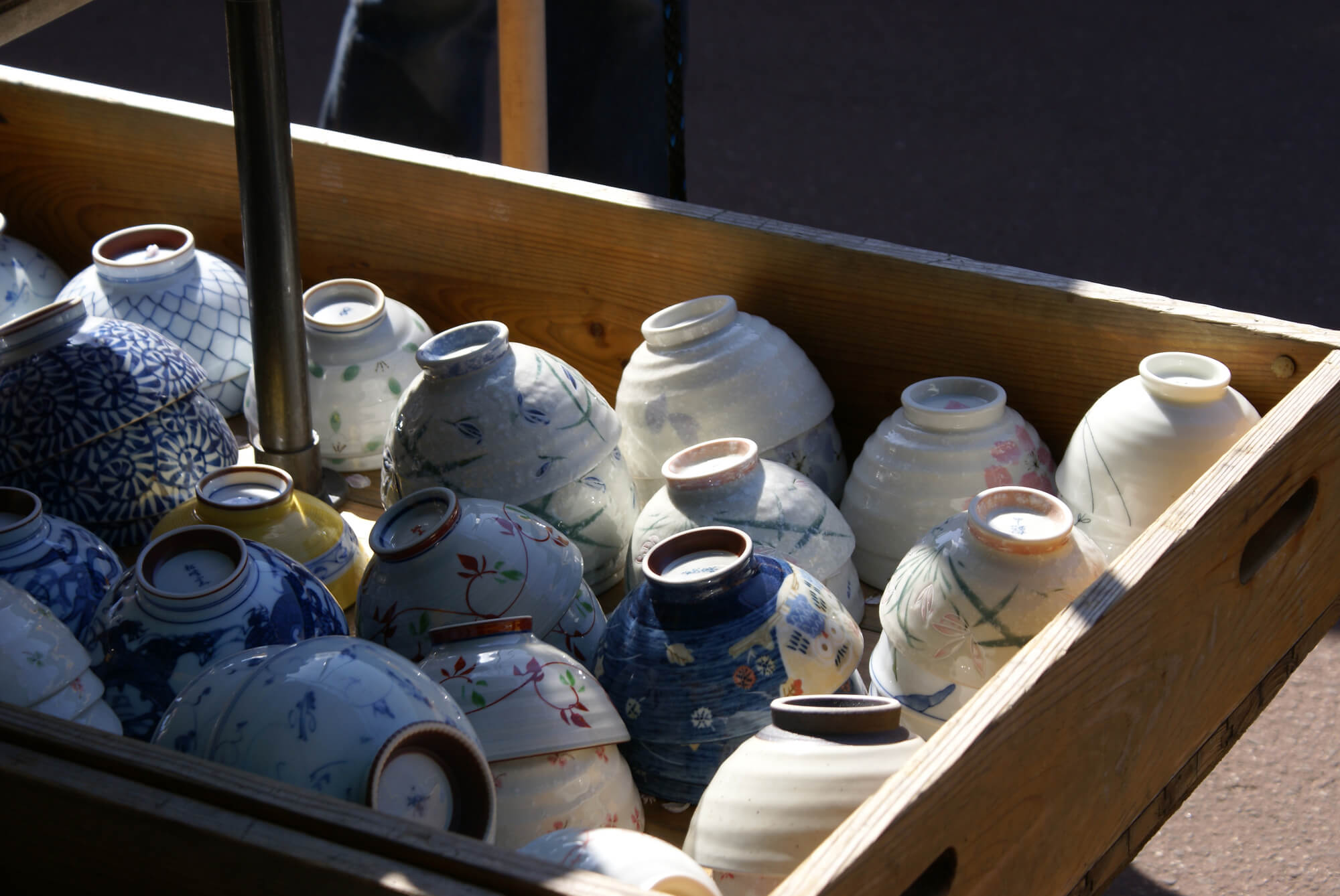
Arita Pottery Town
The birthplace of Japanese porcelain, where ceramic production began in 1616 after kaolin clay was discovered. The main street is lined with kilns, galleries, and manufacturers exporting worldwide.
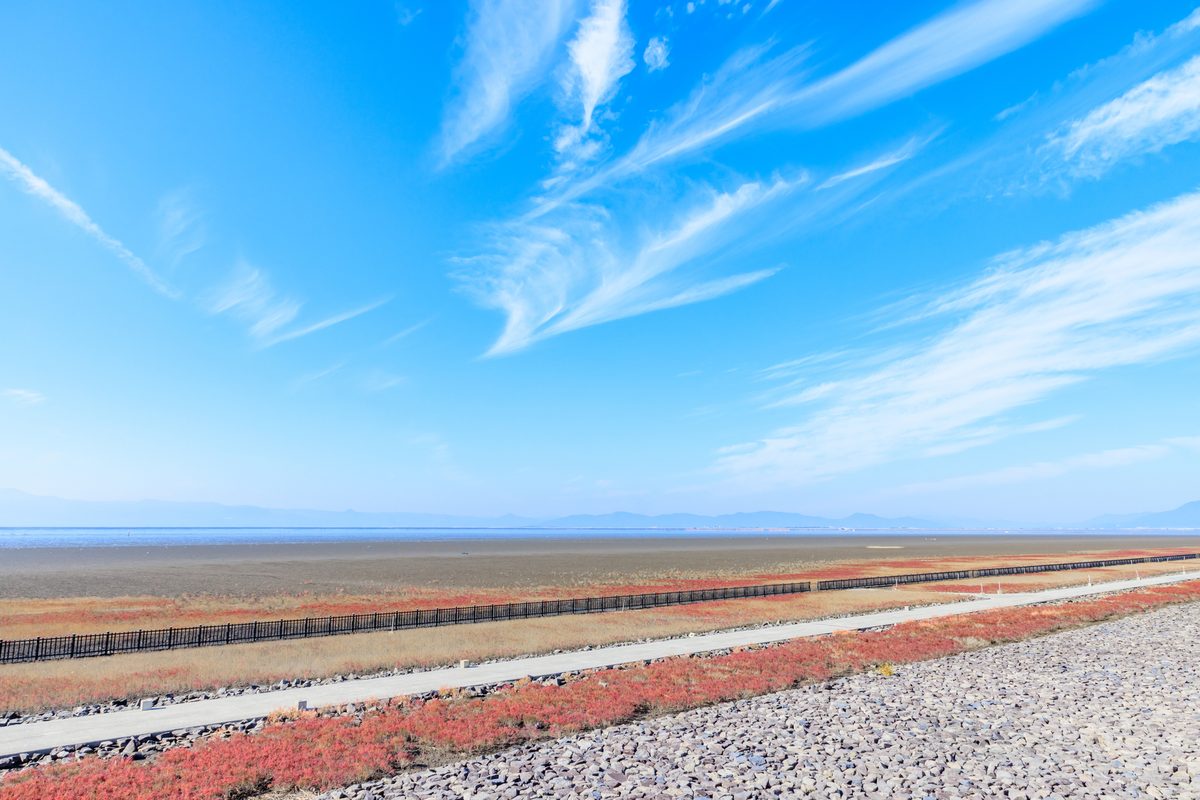
Higashiyoka Tidal Flat
A Ramsar Convention wetland on Ariake Sea — one of Japan's most biodiverse tidal flats, home to 140 species of migratory birds and the spectacle of mudskippers and fiddler crabs at low tide. In autumn, the shichimenso (salicornia) turns the mudflat a vivid red, creating an otherworldly landscape.
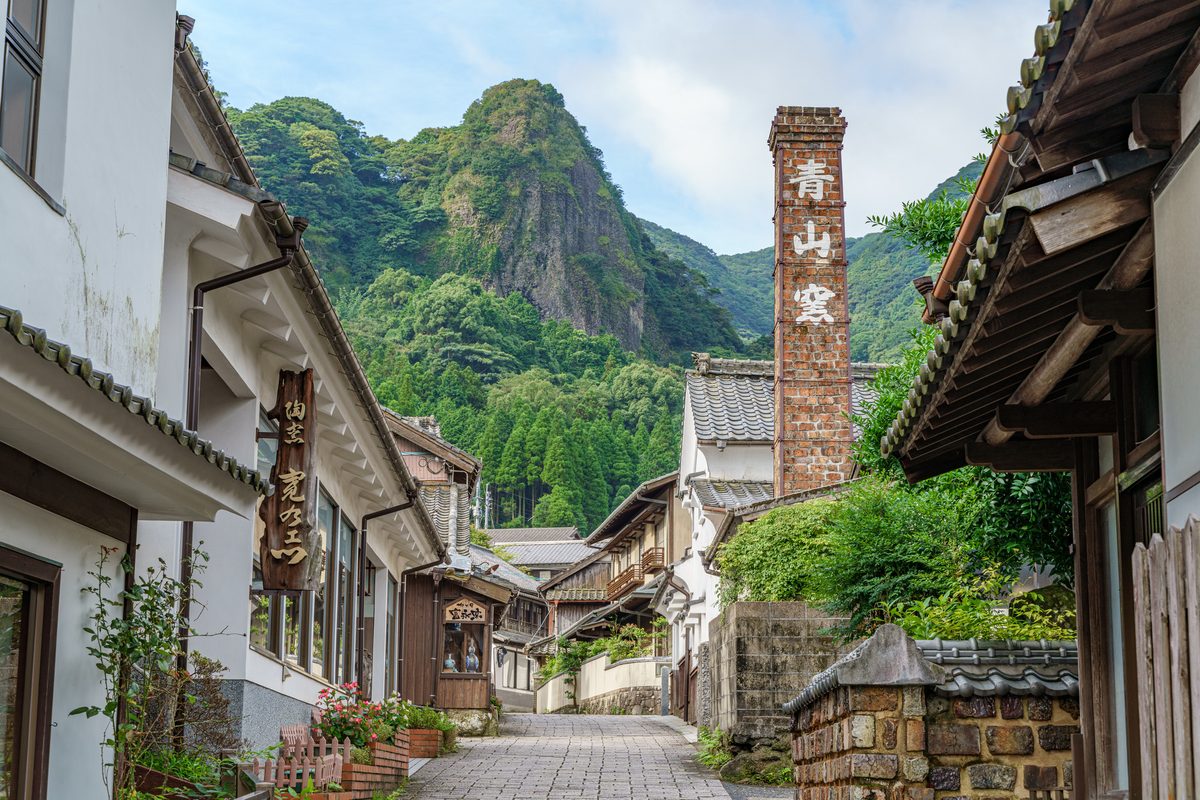
Imari Okawachi-yama Kiln Village
A hidden valley where the Nabeshima clan's secret kilns produced porcelain exclusively for the Edo shogunate and European royalty. Today 30+ kilns still operate in this quiet mountain valley — you can watch master potters at work and buy directly from the kilns that supplied Versailles.