
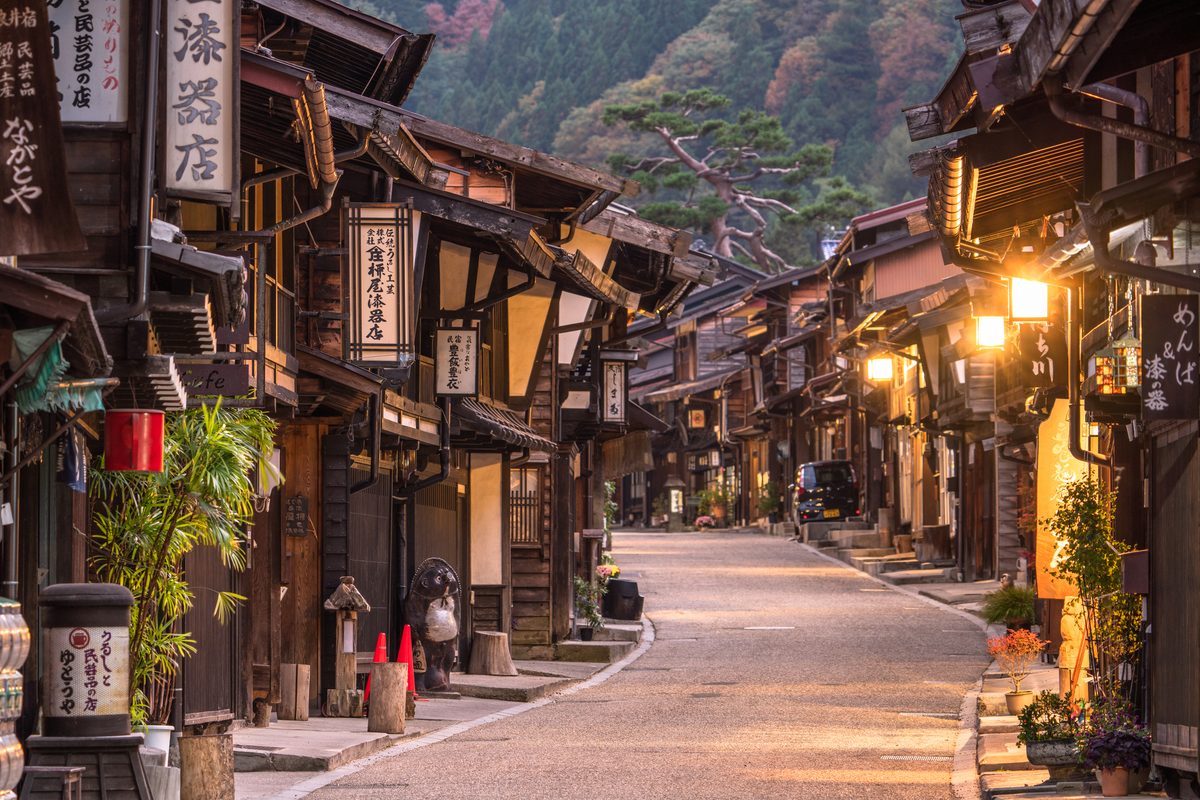
Narai-juku Post Town
The best-preserved of the 69 Nakasendo highway post towns, its single 1km street flanked by 350-year-old wooden inns, lacquerware shops, and sake breweries that still operate as they did in the Edo period. Known as "Narai of a Thousand Houses" for its former prosperity. Almost entirely overlooked by international visitors.
1.5–3 hours
Free
Town always accessible; shops: typically 9:00–17:00; most closed Tue
April–November
Direct from Matsumoto or Nagoya on JR Chuo Line (Narai Station)
Location
Why Visit
- 1
The 1km preserved street has more surviving original Edo-period buildings than any other Nakasendo post town
- 2
Local lacquerware (Kiso-nuri) has been produced here for 400 years — available from workshops still using traditional techniques
- 3
JR Chuo Line stops directly in town — no tourist infrastructure between the train tracks and history
Local Tips
Narai was the most prosperous post town on the Nakasendo highway — the 1km main street of preserved Edo-era machiya is the longest surviving post town streetscape in Japan. Visit on a weekday when it's almost completely quiet. The lacquerware (kiso nuri) and combs (kiso-gushi) are the local craft specialties. Walk the 8km section to Yabuhara through Torii Pass for an authentic post-road experience.
Add to your AI itinerary
Let AI build a multi-day trip around this spot.
Advertisement
More in Nagano
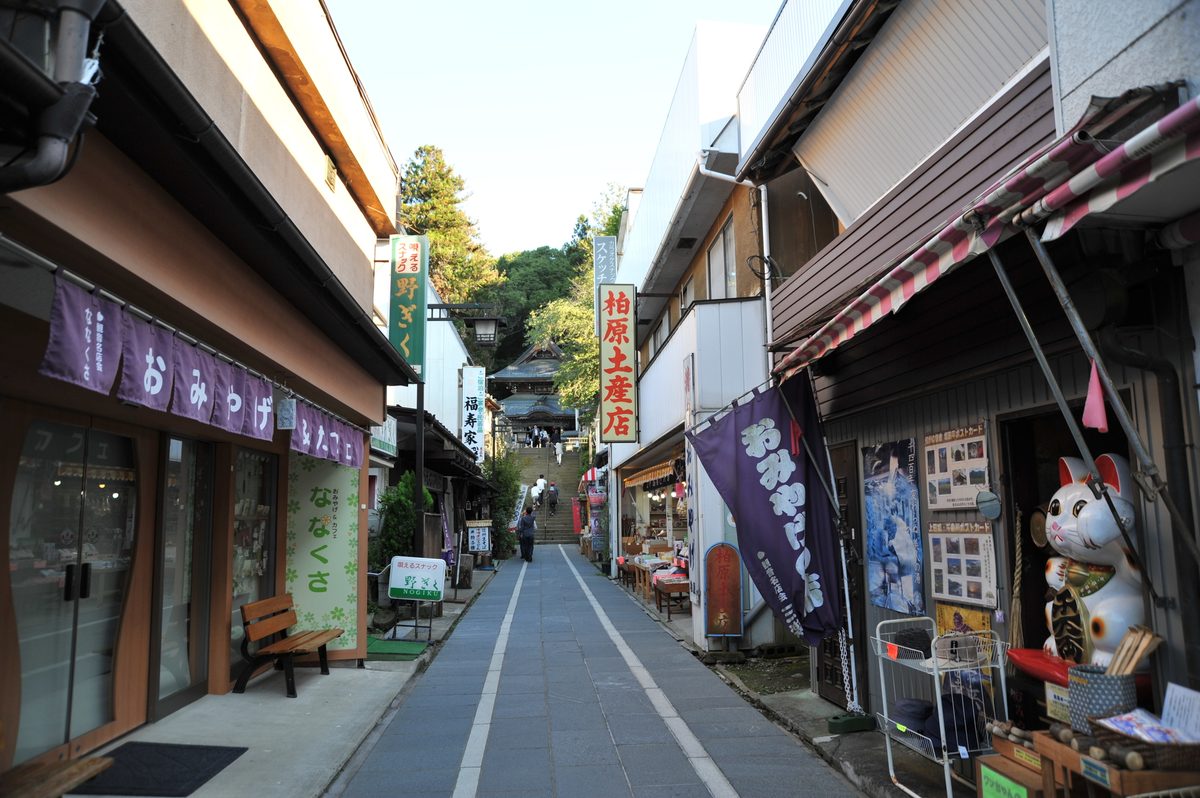
Bessho Onsen
Nagano's oldest hot spring resort and a compact cluster of Kamakura-era temples. Three free public baths dot the streets, and the Kita-Muki Kannon temple dates to 808 CE. The town is called "Little Kyoto of the Shinshu" for its atmospheric lanes and Buddhist heritage.
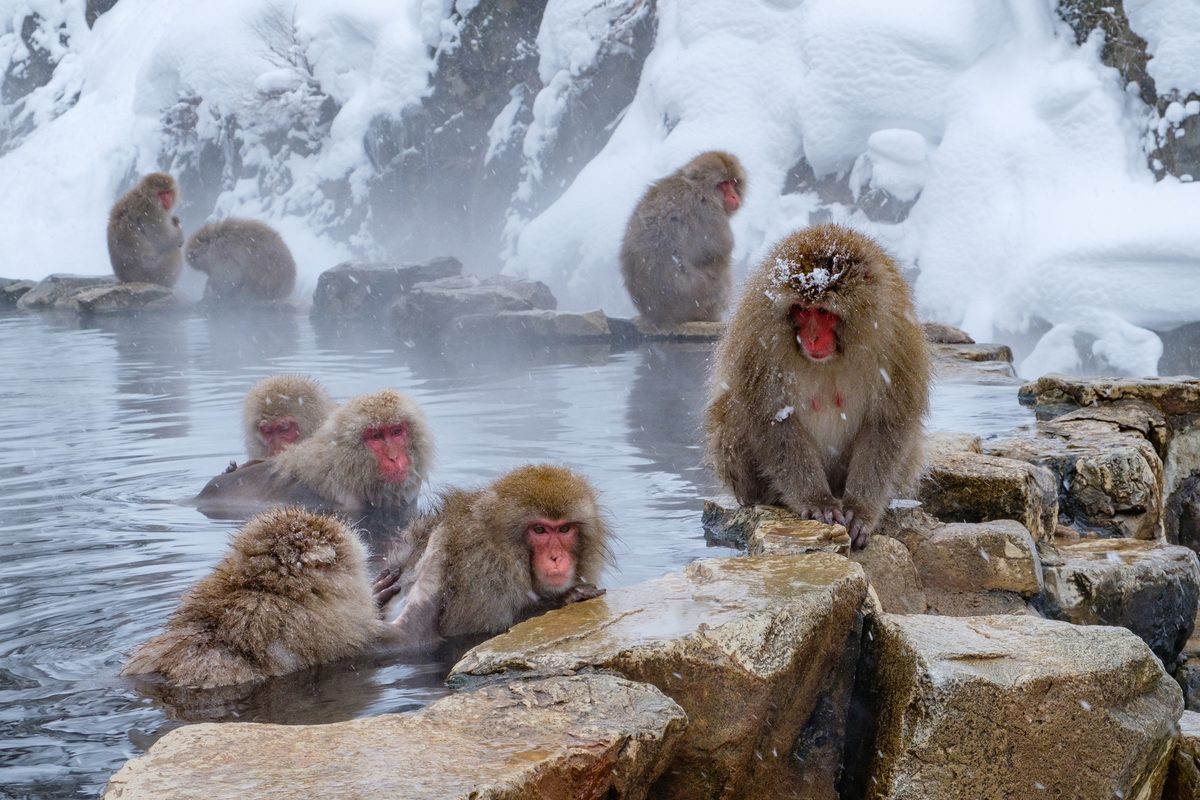
Jigokudani Monkey Park
The only place in the world where wild Japanese macaques (snow monkeys) bathe in a natural outdoor hot spring. The 30-minute forest trail approach through steam vents and deep snow heightens the surreal arrival at the thermal pool where monkeys float, groom, and sleep. Best visited on the coldest mornings when steam is thickest.
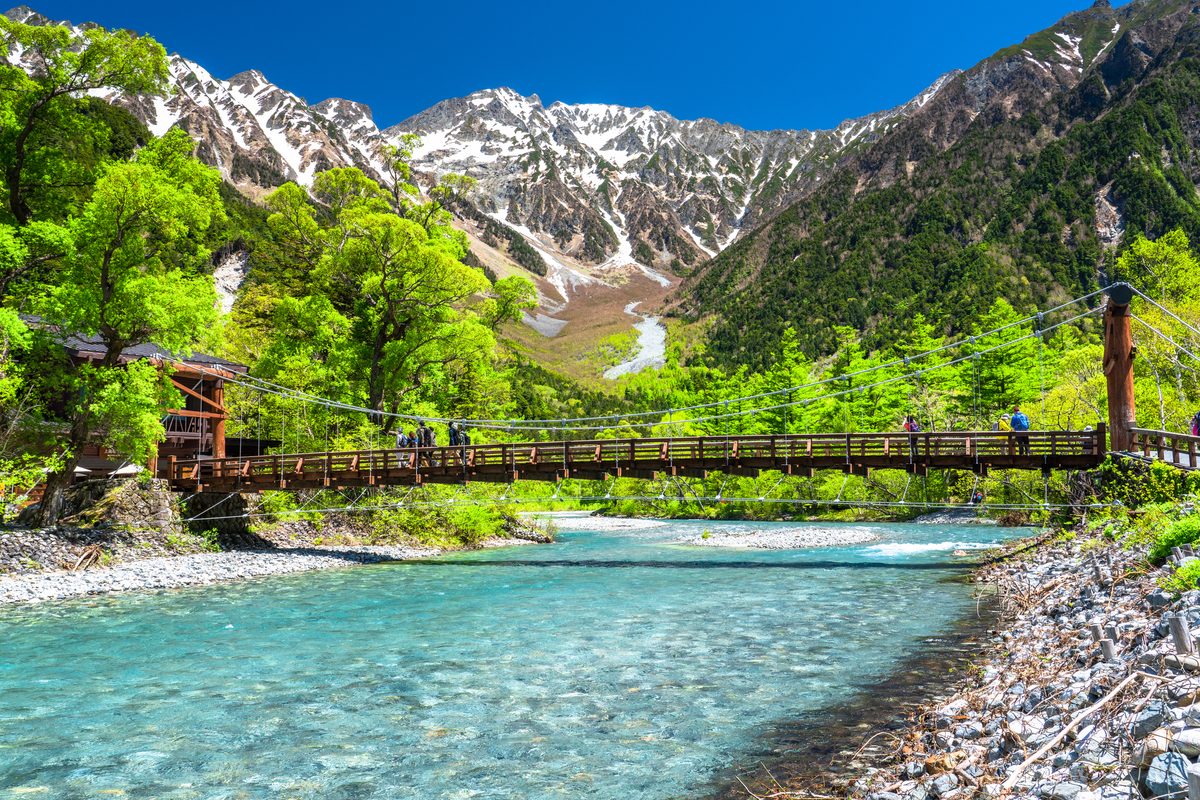
Kamikochi Alpine Valley
A pristine alpine valley at 1,500 metres, accessible only by bus or on foot (private vehicles banned since 1975), with the Azusa River winding through birch and fir forests beneath the jagged Hotaka range. The clear blue-green water of Taisho Pond reflects the volcanic Yake-dake peak. One of Japan's great wilderness walks.