
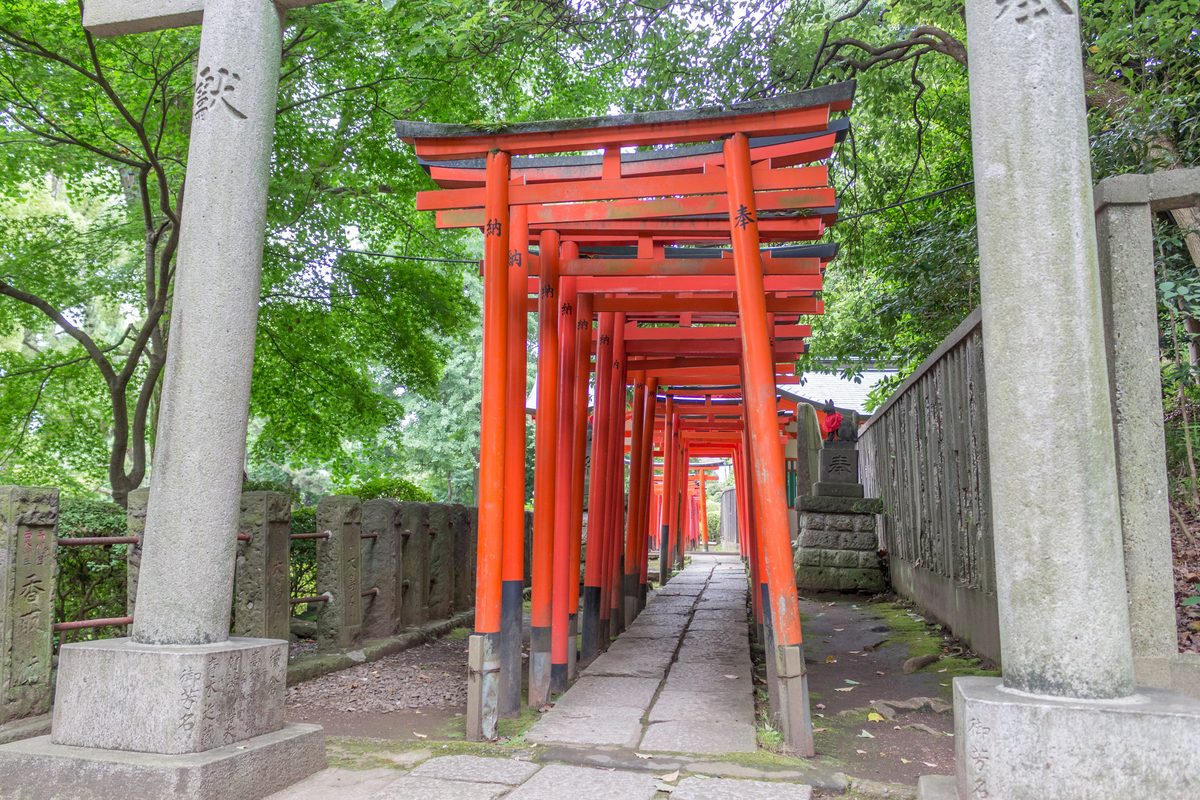
Nezu Shrine
Tokyo's alternative to Kyoto's Fushimi Inari — a serene 1,900-year-old shrine with a tunnel of 200 vermilion torii gates winding through a wooded hillside in Bunkyo. In April, the azalea garden (3,000 plants across 100 varieties) turns the shrine grounds into a labyrinth of pink and red. Usually crowd-free on weekdays.
45–60 min
Free (azalea garden ¥300 during Tsutsuji Festival)
6:00–17:00; azalea garden: 1–30 Apr, 9:00–17:30, ¥500–1,000 depending on bloom
Mid-April (azaleas), Year-round
5 min walk from Nezu Station (Chiyoda Line)
Location
Why Visit
- 1
A 200-torii gate tunnel through a forested hillside — far less crowded than Fushimi Inari
- 2
3,000 azalea plants bloom mid-April to early May — one of Tokyo's finest flower gardens
- 3
Founded before Tokyo existed — one of the oldest continuously operating shrines in the Kanto region
Local Tips
Nezu is one of Tokyo's oldest shrines and has a tunnel of torii leading to the inner sanctuary — smaller scale than Fushimi Inari but far less crowded. The azalea festival (Tsutsuji Matsuri) from late March to late April is outstanding — 3,000 azalea bushes covering the hillside behind the shrine. Combine with Yanaka cemetery and old shitamachi for a full historic east Tokyo day.
Add to your AI itinerary
Let AI build a multi-day trip around this spot.
Advertisement
More in Tokyo
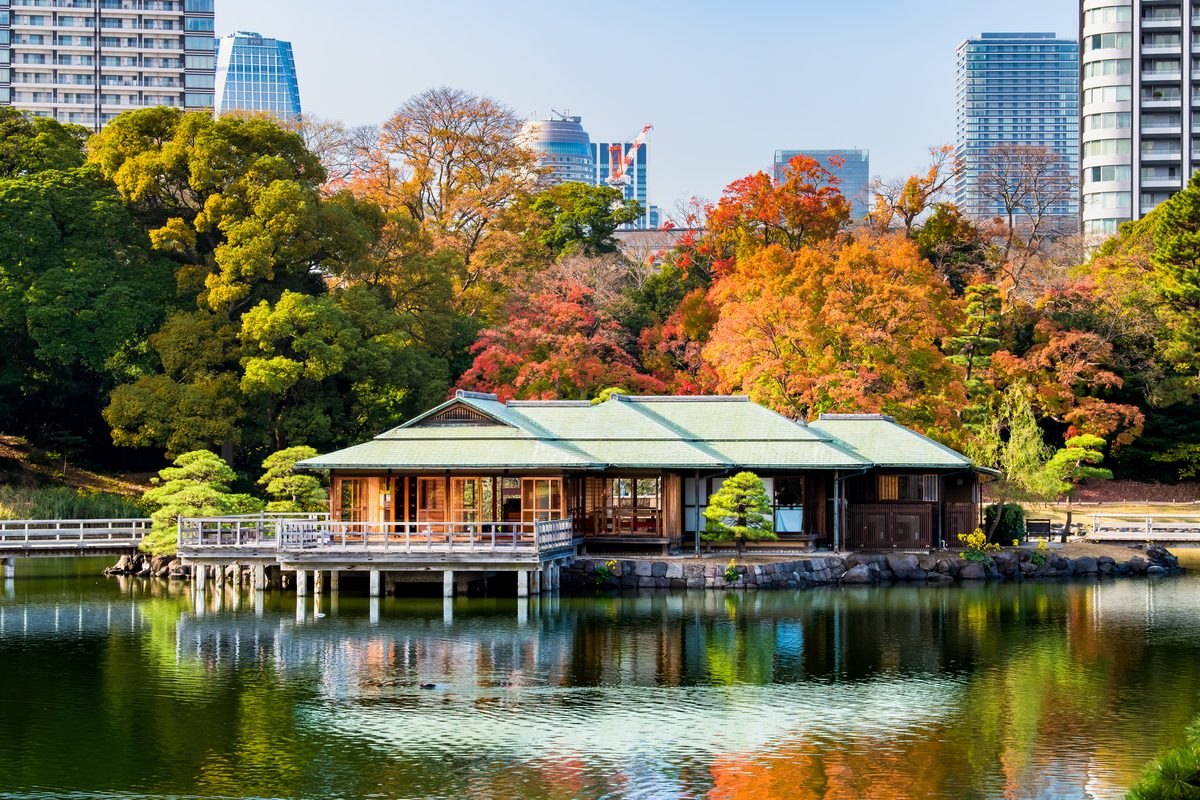
Hamarikyu Gardens
A 300-year-old tidal garden in the middle of Tokyo's skyscraper district — the only garden in the city with saltwater ponds replenished by Tokyo Bay. Originally the shogunate's private duck-hunting grounds, it now offers extraordinary views of Shiodome towers reflected in ancient lotus ponds, with a teahouse on an island reached by wooden bridges.
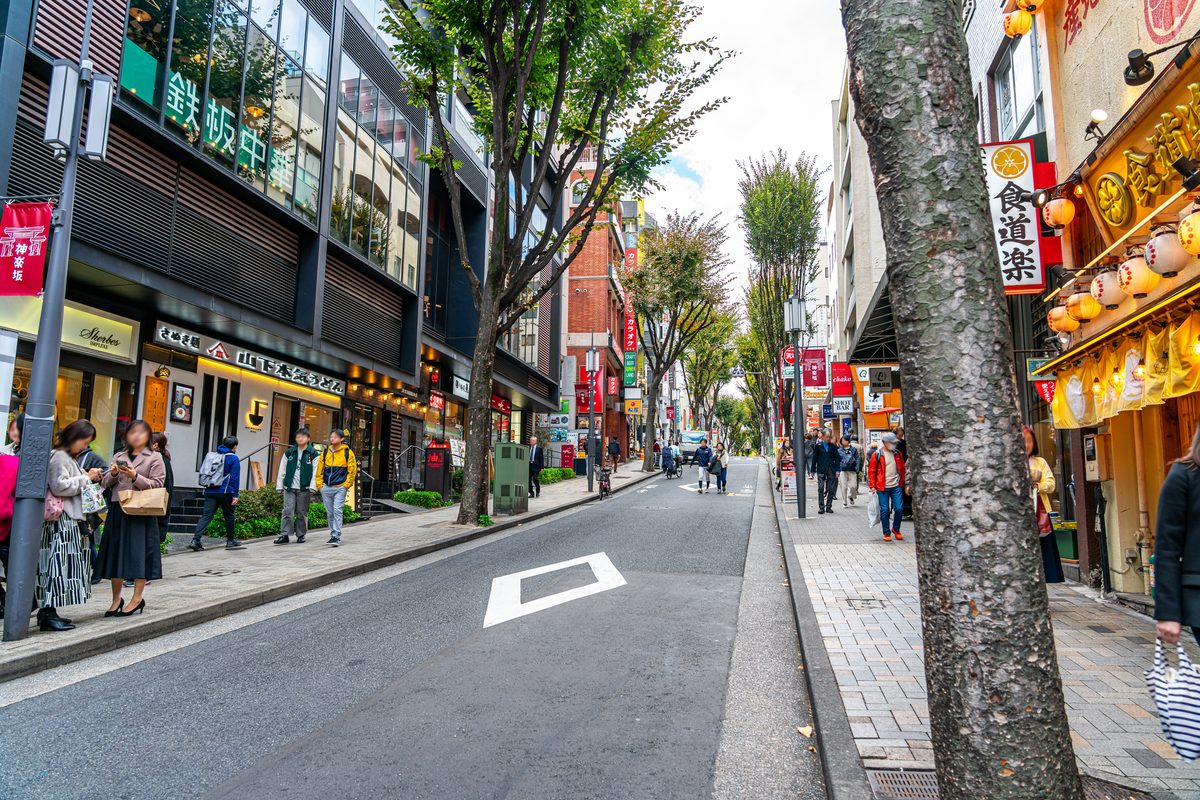
Kagurazaka
Tokyo's most French neighbourhood with the most Japanese soul — a hillside former geisha district where ryotei (high-end kaiseki restaurants) hide behind unmarked wooden gates in cobblestone alleys. French bistros, Italian delis, and a French lycée coexist with ancient shrines and the last functioning geisha houses in central Tokyo.
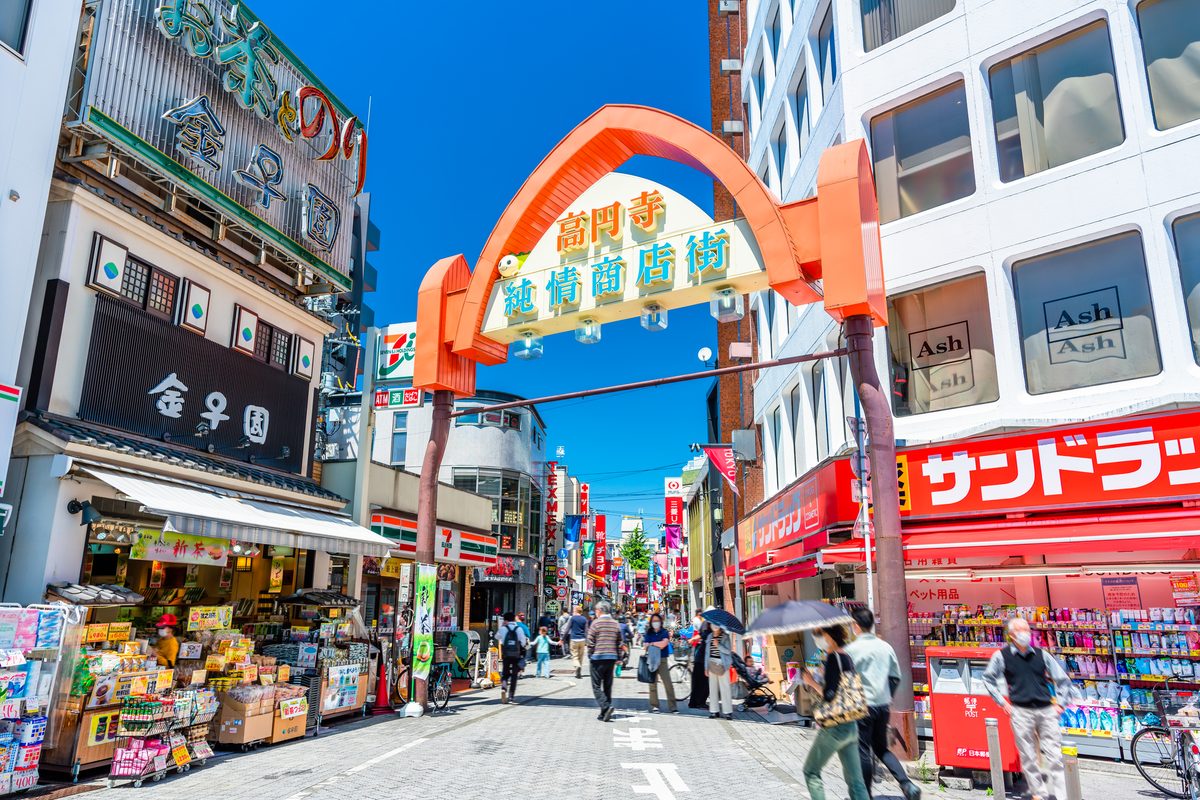
Koenji
An old shopping arcade town that gentrified into Tokyo's most eclectic neighbourhood — vintage shops, curry restaurants, and tiny jazz bars coexist with a 100-year-old covered shotengai. The Awa-Odori festival in late August fills the streets with over 10,000 dancers and a million spectators — the largest summer street festival in Tokyo.