
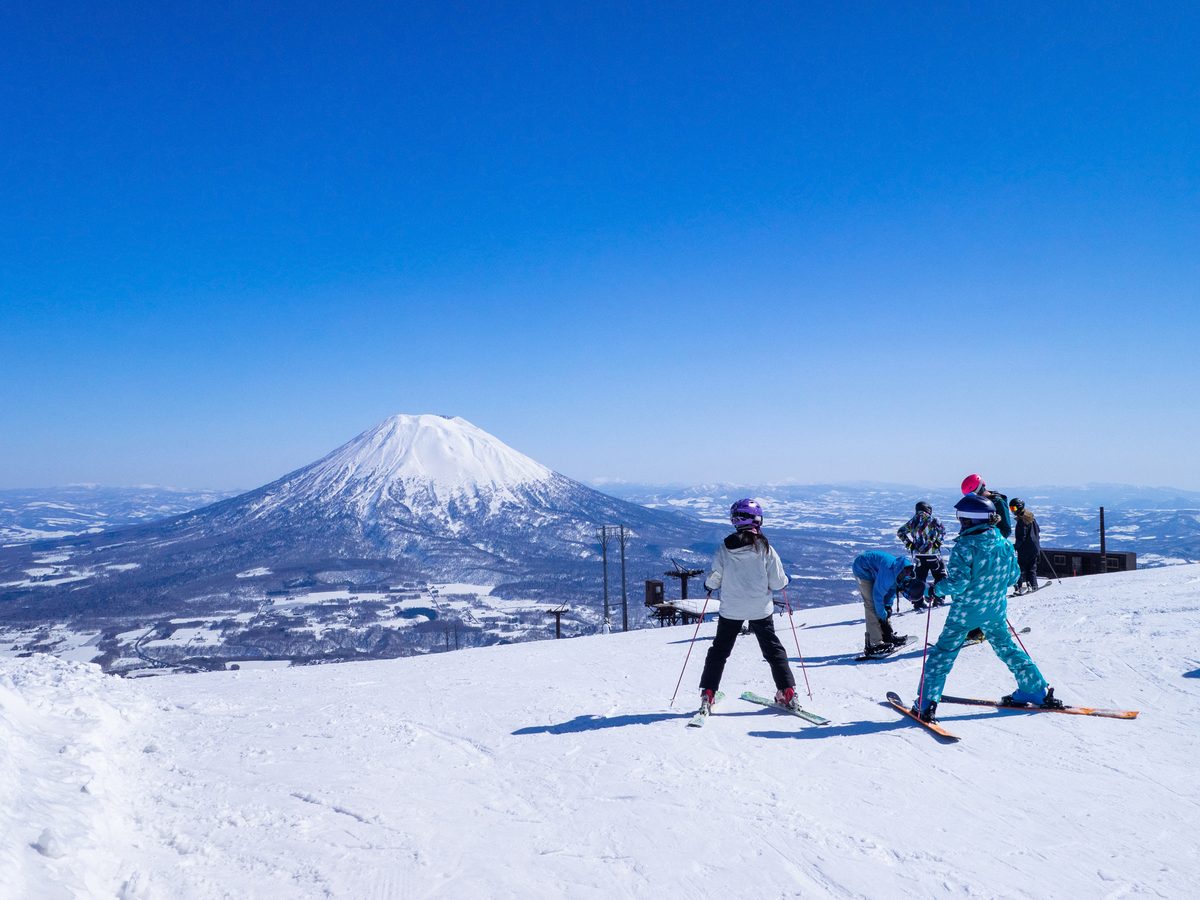
Niseko United Ski Resort
Asia's premier powder skiing destination — four interconnected resorts on the flanks of the active volcano Mt. Yotei receive an average of 15 metres of feather-light JAPOWder snow per season, driven by cold air crossing the Sea of Japan and wrung dry over the mountains. In summer the resorts reinvent themselves as mountain biking and hiking hubs with Yotei's perfect cone as a backdrop.
1–7 days
1-day lift pass from approx. ¥7,000 (single resort) to ¥10,500 (all-mountain) adult; varies by resort and season. Check official site for current prices.
Lifts typically 8:30–20:30 or 9:00–21:00 with night skiing; season runs late November to early May (varies by resort and snowfall)
December–March (ski season); July–September (mountain biking, hiking)
Shuttle bus from New Chitose Airport approx. 2 hours 30 min (advance booking essential in peak season); or JR to Niseko Station then local bus
Location
Why Visit
- 1
Niseko averages 15 m of snowfall per season — among the highest recorded at any ski resort on Earth
- 2
The "JAPOW" phenomenon: cold Siberian air collects moisture over the Sea of Japan then dumps ultra-dry powder on the mountains
- 3
Mt. Yotei (1,898 m), visible from every run, is nicknamed "Hokkaido Fuji" for its symmetrical cone
- 4
Night skiing until 9pm is available at multiple resorts, with floodlit powder runs unique in Asia
Local Tips
HANAZONO and NISEKO VILLAGE are less crowded than GRAND HIRAFU while sharing the same powder. On fresh snowfall days ("pow days") queues form before lifts open — set an alarm for 7:30. Book accommodation in Hirafu village for walking access to multiple resorts.
Add to your AI itinerary
Let AI build a multi-day trip around this spot.
Advertisement
More in Hokkaido
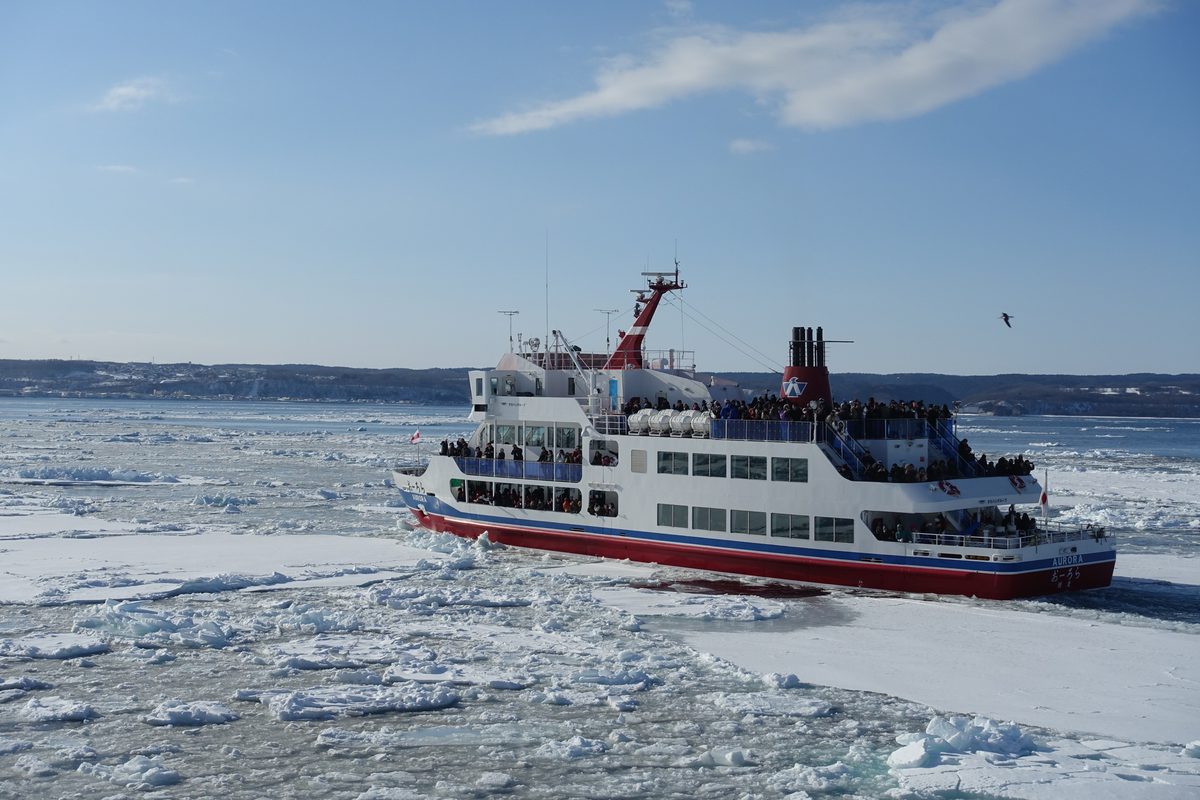
Abashiri Drift Ice & Aurora Icebreaker Cruise
Each winter the Sea of Okhotsk freezes in Siberia and vast sheets of drift ice — up to 1 metre thick — flow south to Abashiri, turning the sea into a grinding white plain. The Aurora icebreaker smashes through these floes on 1-hour cruises, and on calm days visitors can step onto the ice itself. This is the southernmost naturally occurring drift ice on the planet.
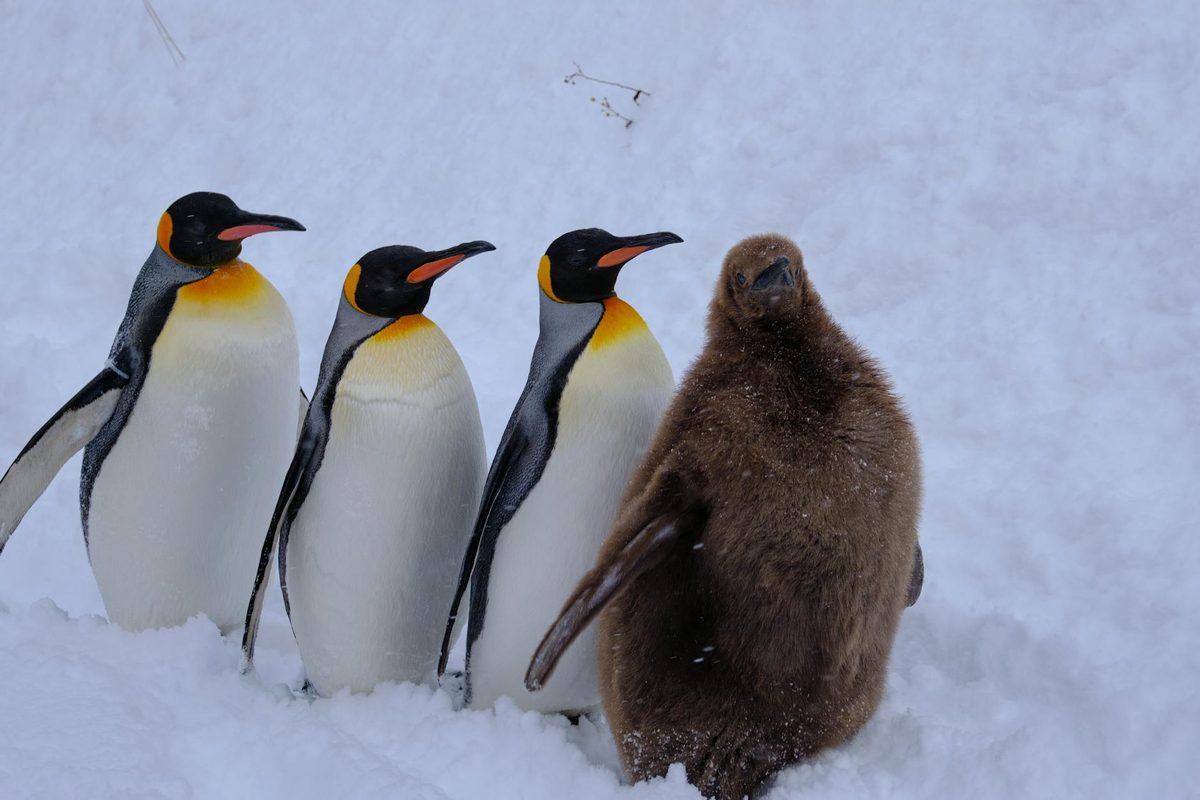
Asahiyama Zoo
Japan's most innovative zoo, which rescued itself from near-closure in the 1990s by pioneering "behaviour exhibits" — glass tunnels through penguin tanks, polar bear pools with underwater viewing, and orangutan sky-walks overhead. The winter penguin parade, when keepers walk the birds through snow for exercise, has become one of Hokkaido's most beloved daily spectacles.
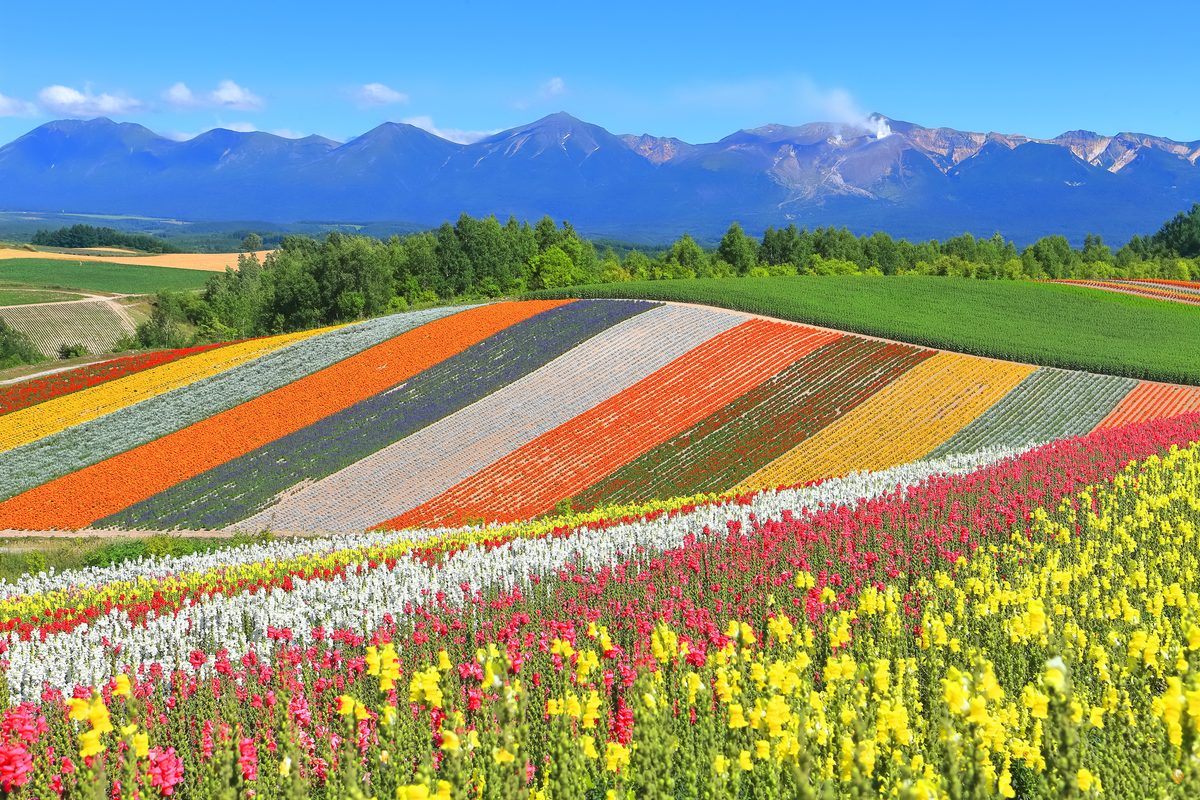
Biei Patchwork Road
Rolling farmland hills west of Biei town that resemble a giant patchwork quilt — wheat, potatoes, lavender and sunflower fields stitched together across gentle knolls. Best explored by rental bicycle in summer.