
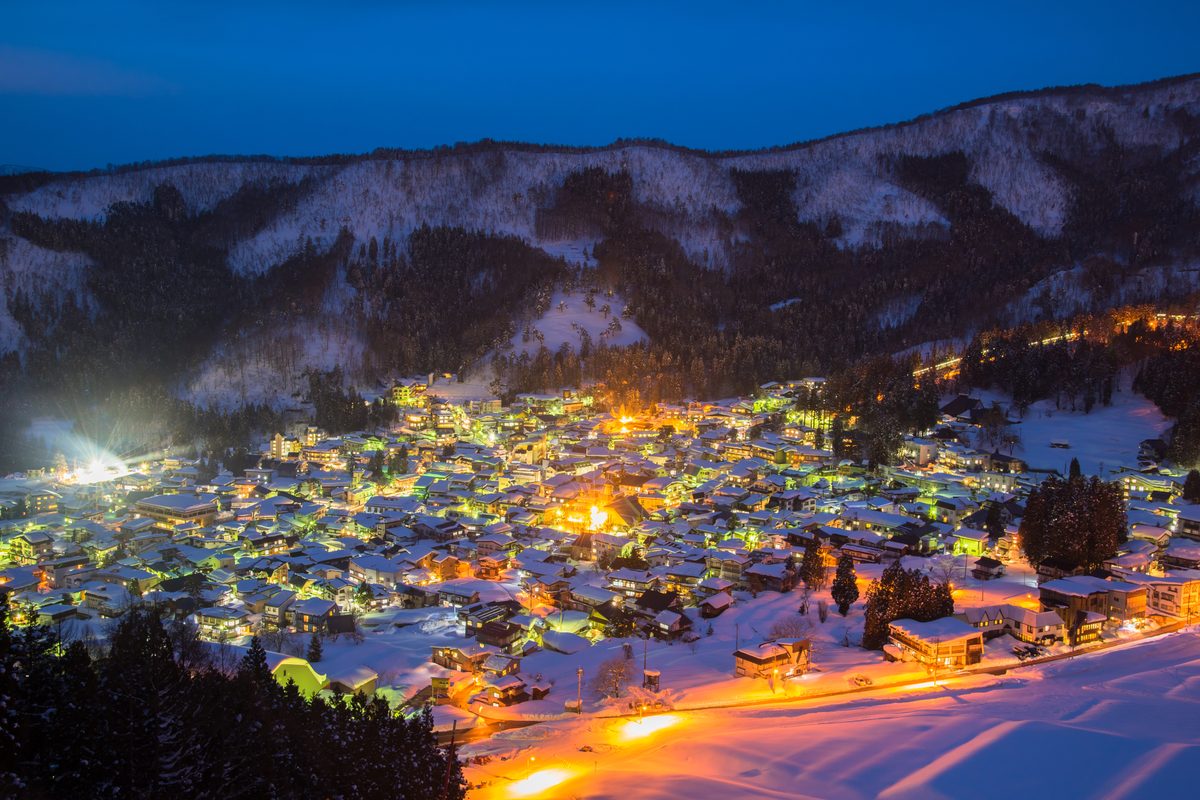
Nozawa Onsen
A working farming village turned hot spring ski resort that hasn't over-commercialised itself. Thirteen free public baths (soto-yu) are owned by local families and maintained by the community since the 8th century. Nozawa is also Japan's finest traditional pickled vegetable (nozawana-zuke) source, sold everywhere in the village.
1–2 days recommended
Free (public baths)
13 public baths (sotoyu): 5:00–23:00; ski season: Dec–Mar; summer: Jun–Oct for hiking and mountain biking
December–March (ski), Summer hiking, Autumn foliage
Bus from Iiyama Station (Hokuriku Shinkansen), about 25 min, ¥600
Location
Why Visit
- 1
13 free public baths — maintained by local families for centuries, no admission fee
- 2
The Dosojin Fire Festival (January 15) burns a massive straw tower in a chaotic village ritual
- 3
Nozawana pickles (leafy greens in brine) are a Nagano delicacy produced only here
Local Tips
All 13 public baths are free to use — the Ogama (the largest and hottest) is the famous one but also truly scalding; Kambayashi is more accessible for first-timers. The ski area has consistent deep snow and a charming village feel. The Dosojin Fire Festival (January 15) is one of Japan's most intense matsuri — spectacular and wild.
Add to your AI itinerary
Let AI build a multi-day trip around this spot.
Advertisement
More in Nagano
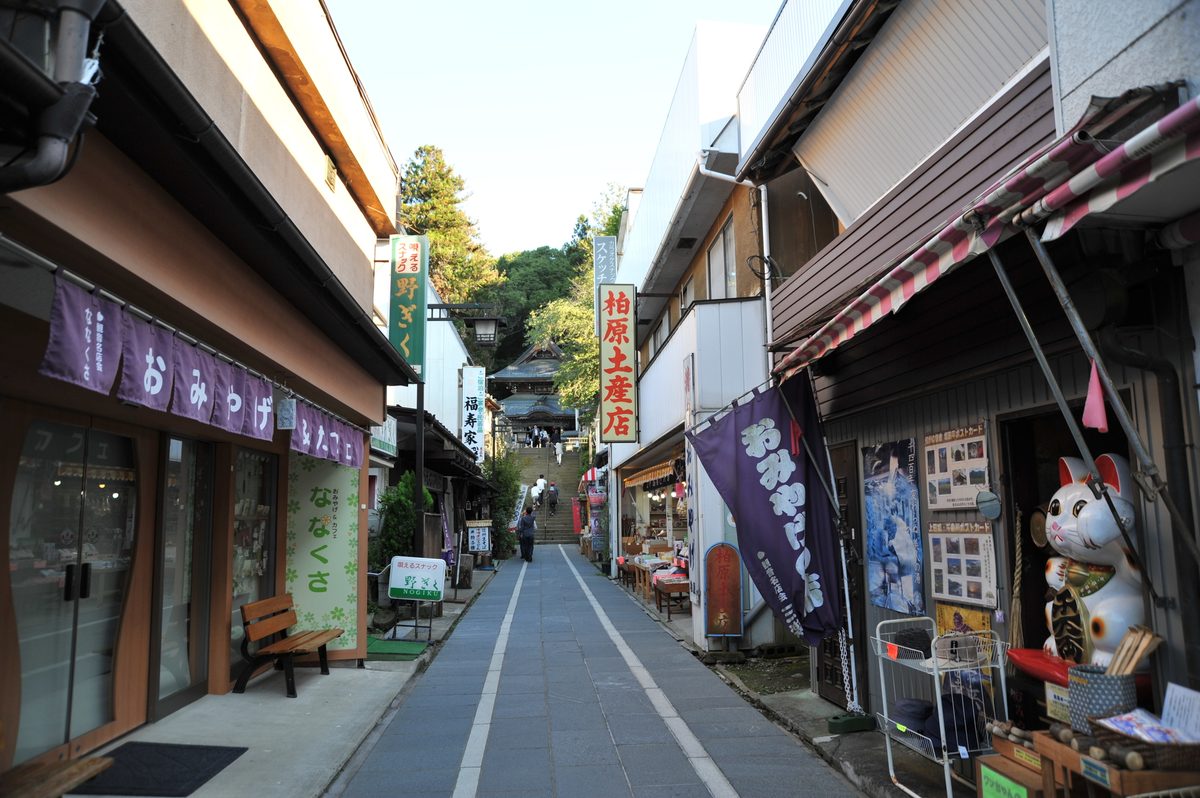
Bessho Onsen
Nagano's oldest hot spring resort and a compact cluster of Kamakura-era temples. Three free public baths dot the streets, and the Kita-Muki Kannon temple dates to 808 CE. The town is called "Little Kyoto of the Shinshu" for its atmospheric lanes and Buddhist heritage.
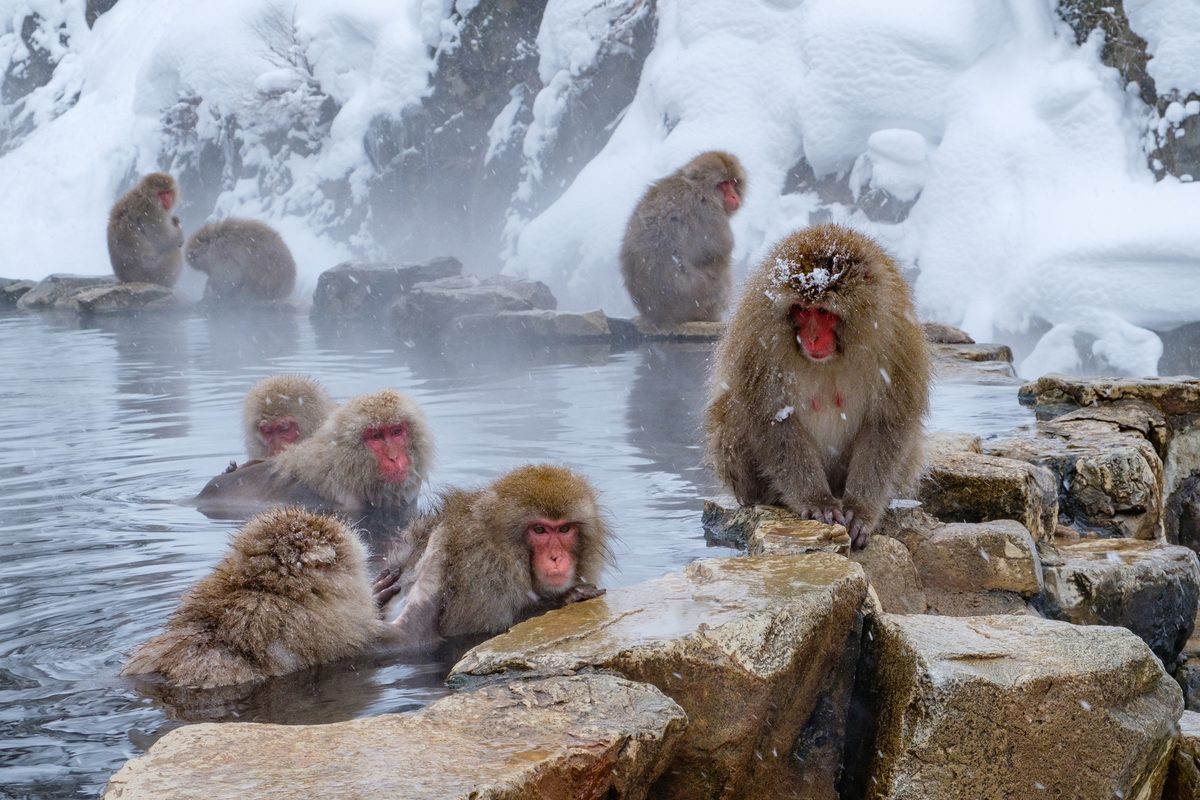
Jigokudani Monkey Park
The only place in the world where wild Japanese macaques (snow monkeys) bathe in a natural outdoor hot spring. The 30-minute forest trail approach through steam vents and deep snow heightens the surreal arrival at the thermal pool where monkeys float, groom, and sleep. Best visited on the coldest mornings when steam is thickest.
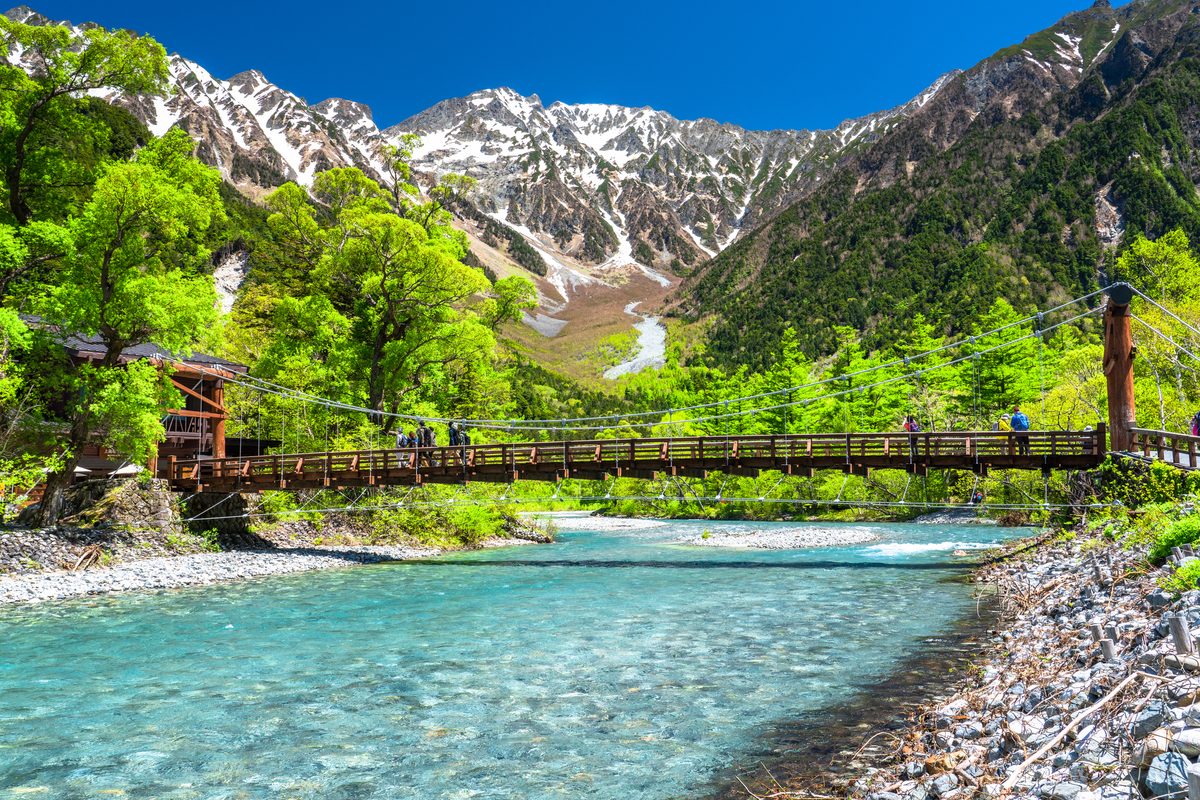
Kamikochi Alpine Valley
A pristine alpine valley at 1,500 metres, accessible only by bus or on foot (private vehicles banned since 1975), with the Azusa River winding through birch and fir forests beneath the jagged Hotaka range. The clear blue-green water of Taisho Pond reflects the volcanic Yake-dake peak. One of Japan's great wilderness walks.