
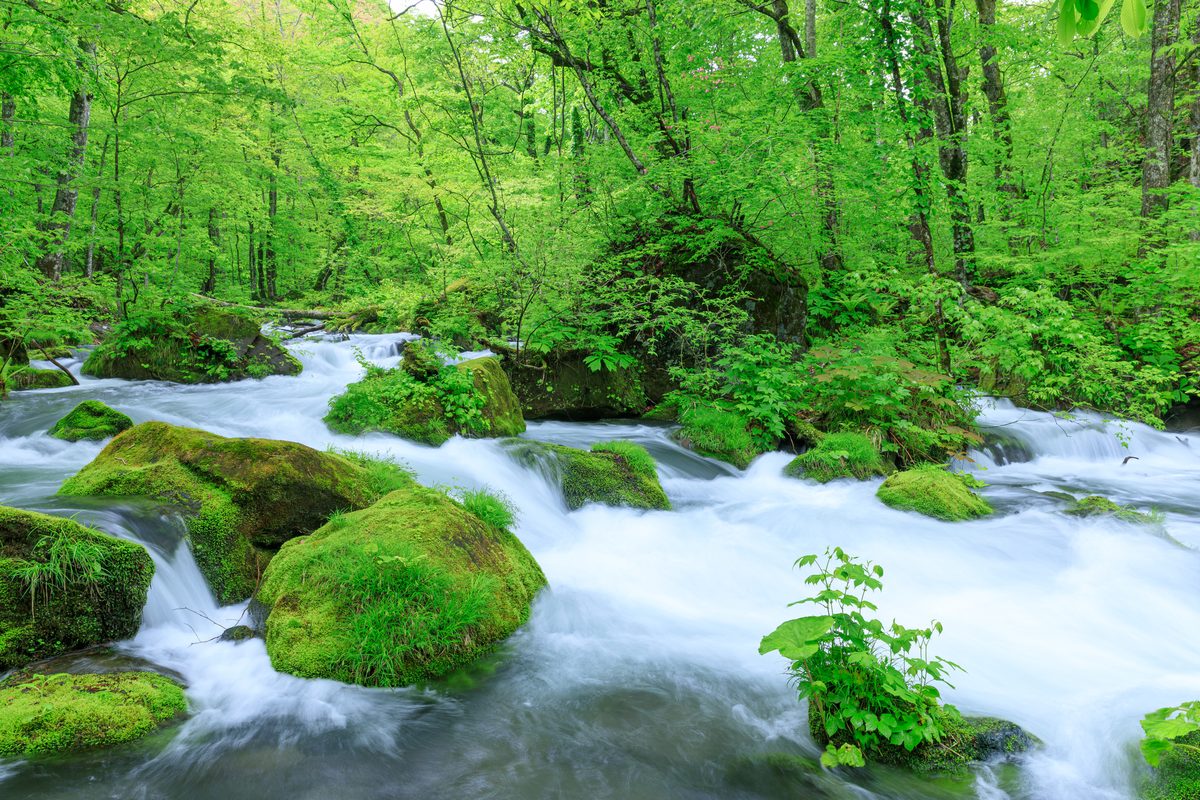
Oirase Gorge
A 14-kilometre forest stream walk where the Oirase River tumbles over moss-covered boulders and drops into dozens of named waterfalls. The only stream flowing out of Lake Towada, it runs clear green year-round.
Half day (walk); 2–3 hrs (cycle)
Free
Trail: year-round; best May–Jun (green) and Oct (autumn foliage); road open year-round; winter ice columns: Jan–Feb
May–November; mid-October (peak autumn)
JR Bus Tohoku from Aomori or Hachinohe to Yakeyama stop
Location
Why Visit
- 1
Fourteen named waterfalls along the path, with the most photogenic appearing every few minutes
- 2
Autumn maples and beeches turn the gorge into a tunnel of gold and red in mid-October
- 3
Winter transforms waterfalls into ice sculptures and the stream bank into a corridor of frost trees
- 4
A cycling path runs the full 14 km for those who prefer wheels to walking
Local Tips
The 14km gorge walk along the Oirase Stream from Yakeyama to Nenokuchi (Lake Towada) passes 14 named waterfalls and extraordinary moss-covered boulders. The entire trail is paved and walkable in 4 hours. Buses run the route in both directions — take the bus one way and walk the other. In winter, the stream freezes into dramatic ice columns (Jan–Feb).
Add to your AI itinerary
Let AI build a multi-day trip around this spot.
Advertisement
More in Aomori
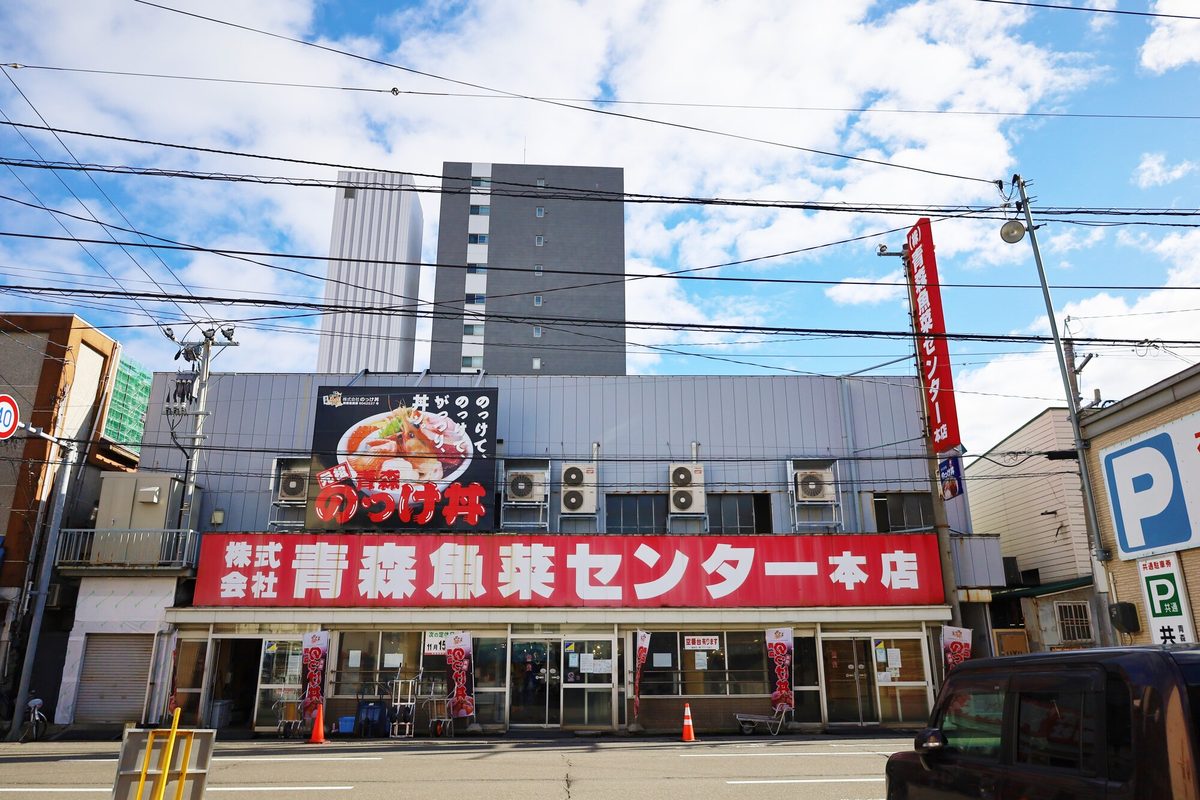
Aomori Gyosai Center (Furukawa Fish Market)
A working market a short walk from Aomori Station where the signature experience is nokkedon — a bowl of rice topped with sashimi you choose yourself from stalls selling tickets by the slice. Scallops from Mutsu Bay, tuna, sea urchin and squid are local specialties. The market opens early and fills with locals and travellers grabbing breakfast before trains and ferries.
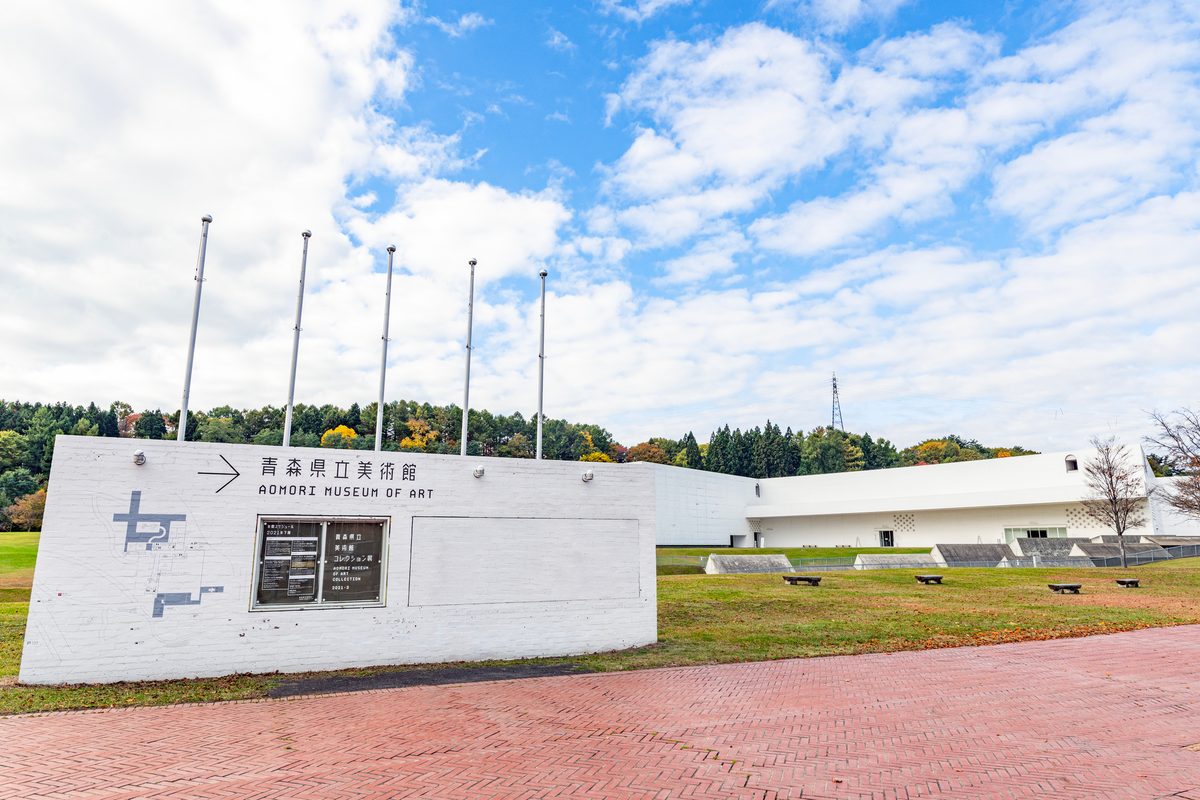
Aomori Museum of Art
A striking contemporary museum on Aomori Bay designed by Jun Aoki, known for its tall, light-filled atrium and major holdings of Marc Chagall — including stage backdrops for ballet that rank among the largest Chagall works on public display outside Russia. The collection also features works by local artists and rotating exhibitions of modern Japanese art. The building itself, with its white geometric facade, has become a symbol of the city alongside the Nebuta Museum.
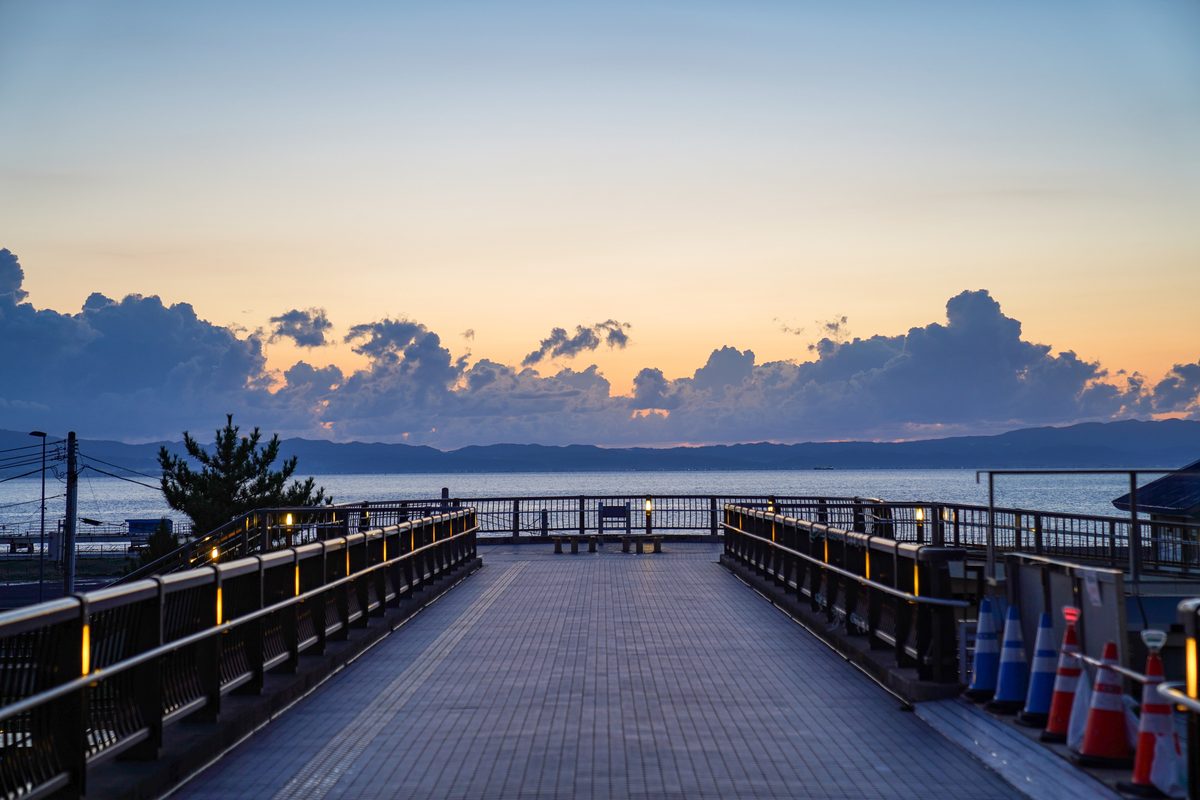
Asamushi Onsen
A historic hot-spring village on Mutsu Bay northeast of Aomori City, where ryokan and day-use baths line a quiet coast of pine and tidal flats. The water is mild and said to be gentle on the skin. Small aquarium and walking paths along the shore make it a relaxed half-day escape from the city without heading as far as Shimokita.