
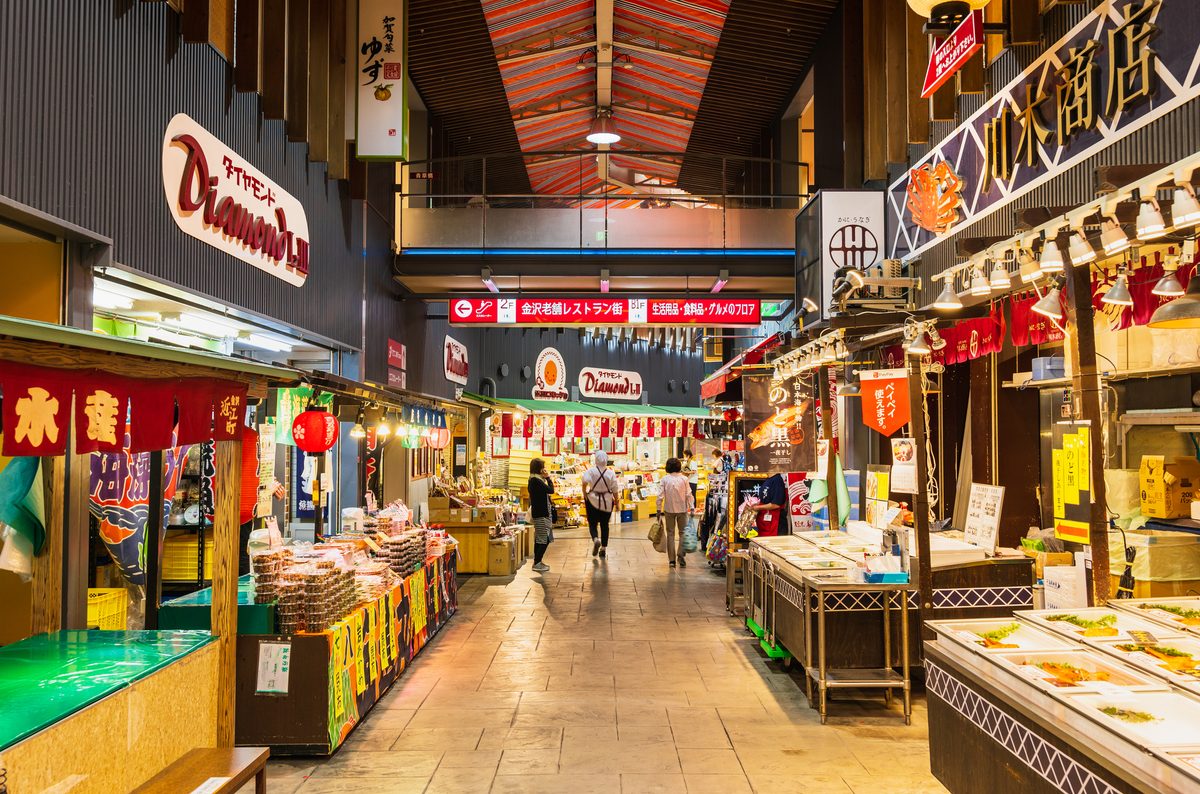
Omicho Market
Kanazawa's kitchen since 1721 — a covered market of 200+ stalls bursting with fresh Noto Peninsula seafood, including the world's finest snow crab (zuwaigani). The market is particularly famous for live crab, which restaurants buy by the crate each morning. Dozens of kaisen-don restaurants serve inside the arcade.
1–2 hours
Free
Most stalls: 9:00–17:00 (some earlier); many closed Wed (market holiday); some also closed Sun/holidays.
November–March (snow crab peak)
15 min walk from Kanazawa Station
Location
Why Visit
- 1
Snow crab (zuwaigani) from the Japan Sea — considered the world's finest variety, in season November–March
- 2
Over 200 stalls operating continuously since 1721 — one of Japan's oldest covered markets
- 3
The kaisen-don (seafood rice bowl) stalls inside the market use the morning's catch directly
Local Tips
Kanazawa's kitchen since 1721 — Omicho is the most important fresh market in the Hokuriku region. The crab season (November–March) brings spectacular king and snow crab at prices far below Tokyo. The fresh sushi counters inside the market offer excellent value lunches. Buy fresh seafood in the morning and head to a nearby ryokan kitchen to cook it.
Add to your AI itinerary
Let AI build a multi-day trip around this spot.
Advertisement
More in Ishikawa
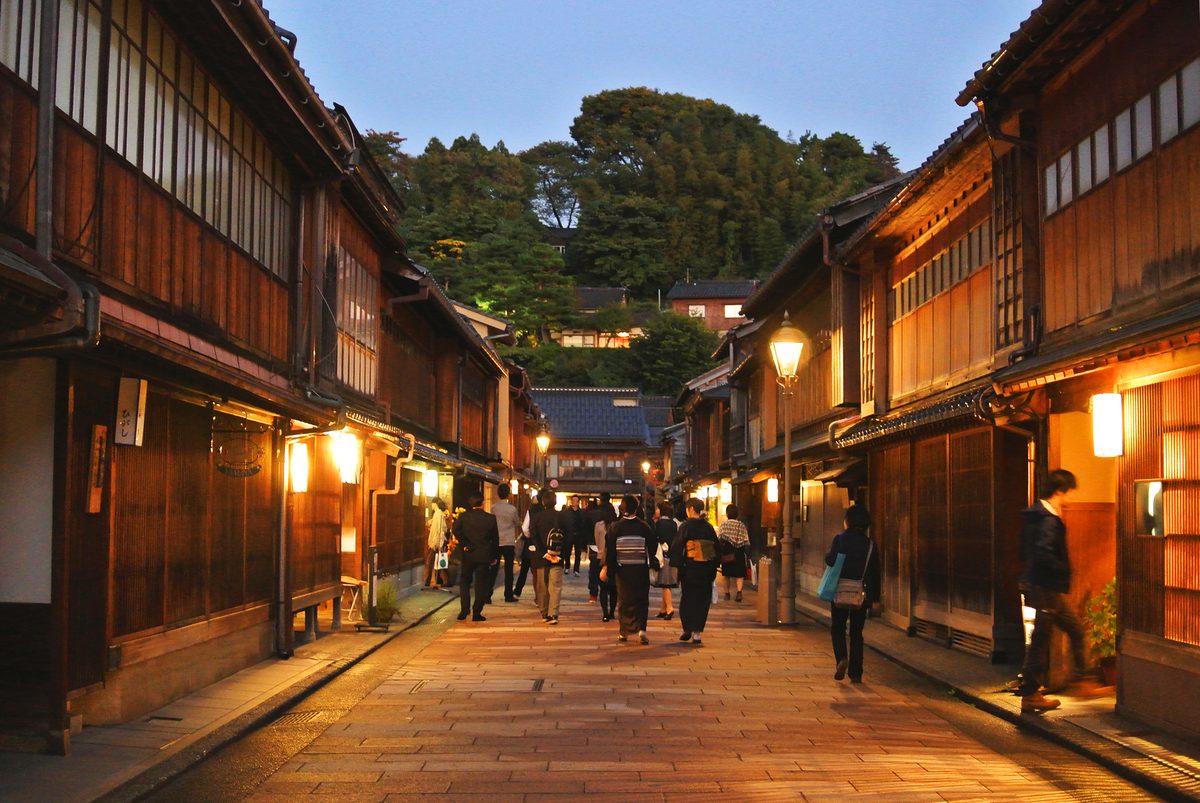
Higashi Chaya District
Kanazawa's most intact geisha teahouse quarter, established by the Maeda clan in 1820 and little changed since. The ochaya (teahouses) with their latticed facades and inner gardens still operate — some as galleries and gold-leaf shops, a few as active geisha venues accessible by reservation. Kanazawa retains more active geisha than anywhere outside Kyoto.
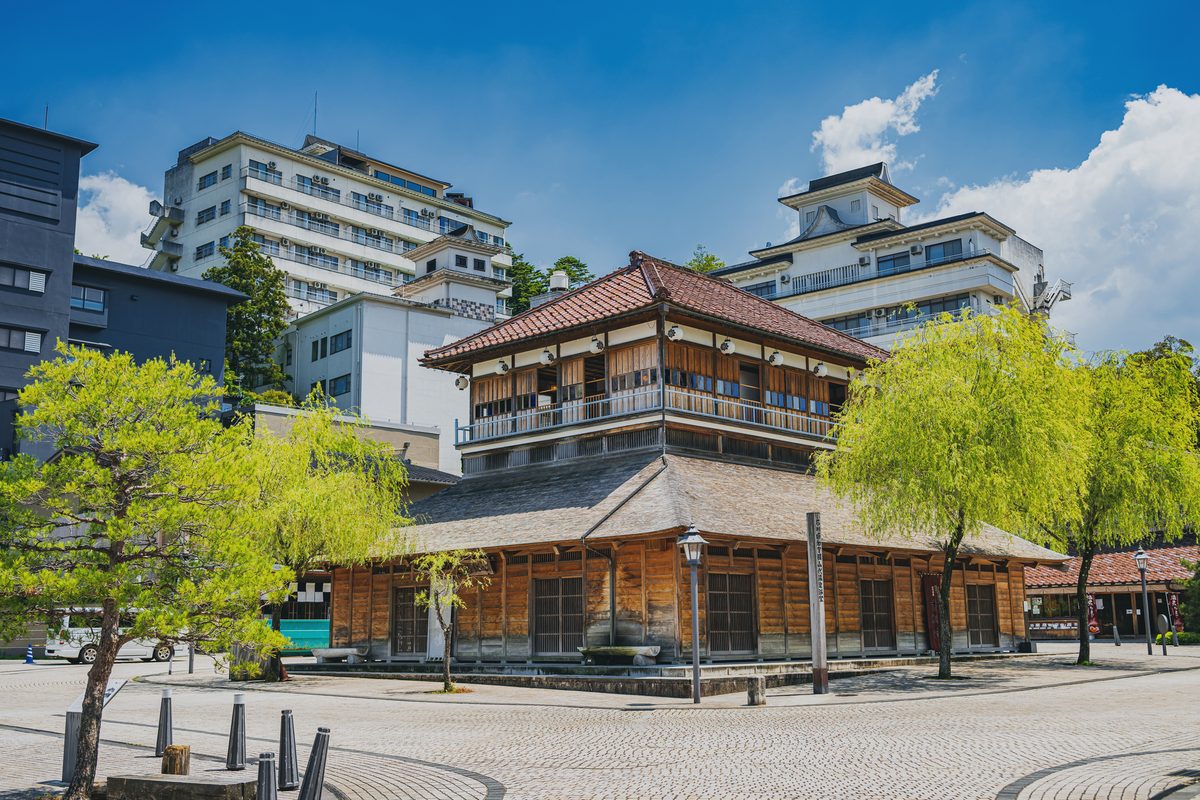
Kaga Onsen (Katayamazu)
A cluster of four historic spa towns (Yamanaka, Yamashiro, Awazu, Katayamazu) collectively known as Kaga Onsen. Katayamazu sits on the shore of Lake Shibayama with ryokan building over the water's edge. The combined bathing district has been operating since the 9th century and serves Noto Peninsula crab.
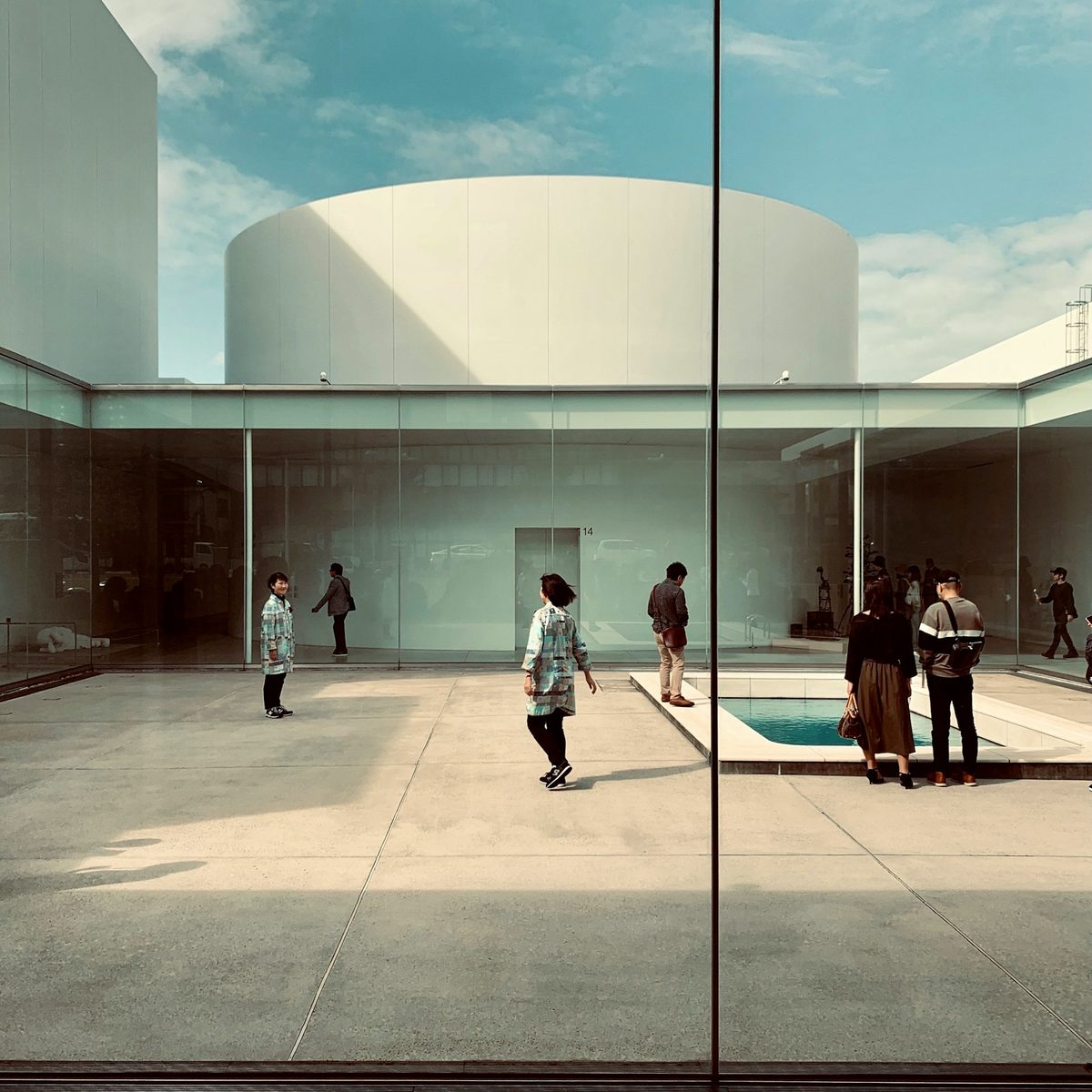
Kanazawa 21st Century Museum
One of Japan's most visited contemporary art museums — a circular glass building with no front or back, designed so visitors wander freely through interactive exhibitions. Leandro Erlich's Swimming Pool installation lets visitors stand both on top and below the water simultaneously.