
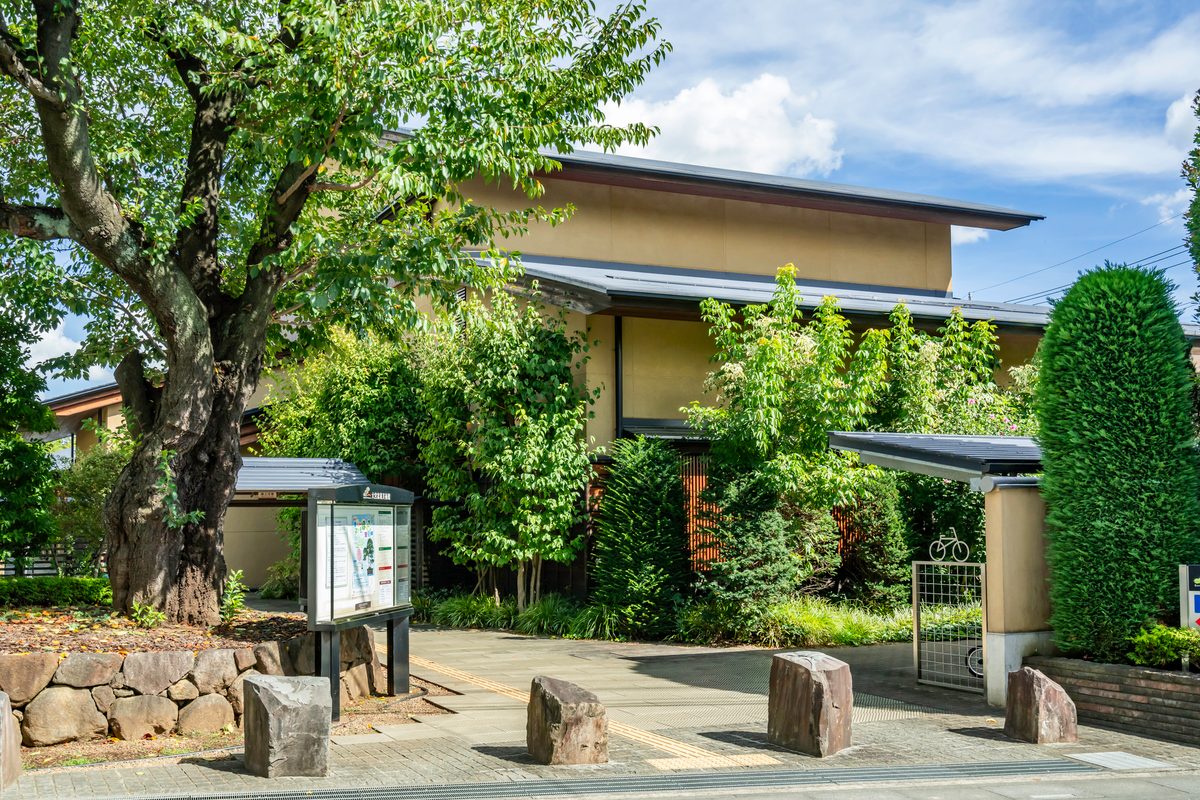
Omiya Bonsai Village
The global capital of bonsai art — nine specialist bonsai nurseries clustered in Omiya, established by Tokyo bonsai masters who relocated here after the 1923 earthquake. The Omiya Bonsai Art Museum (world's first public bonsai museum) houses pieces 500–1,000 years old. The village hosts the Great Bonsai Festival in May.
2–3 hours
Museum ¥310
Village and nurseries: accessible year-round; Omiya Bonsai Art Museum: 9:00–16:30, closed Thu; individual nurseries: 9:00–17:00
Year-round (May for festival)
Omiya-Koen Station (Tobu Noda Line), 10 min walk to museum
Location
Why Visit
- 1
World's first bonsai art museum — trees over 1,000 years old displayed as living national treasures
- 2
Nine specialist nurseries within walking distance — masters will explain individual trees personally
- 3
The Great Bonsai Festival in May opens private nursery collections to the public for two days
Local Tips
Nine professional bonsai nurseries cluster in a quiet residential area of Omiya — several welcome visitors to walk among their trees. The Art Museum has rotating exhibitions including trees hundreds of years old. The Fuyo-en and Edokiryuso nurseries are the most visitor-friendly. Reach by Tobu Noda Line from Omiya Station (10 min).
Add to your AI itinerary
Let AI build a multi-day trip around this spot.
Advertisement
More in Saitama
Chichibu — Mountain Town & Shrine
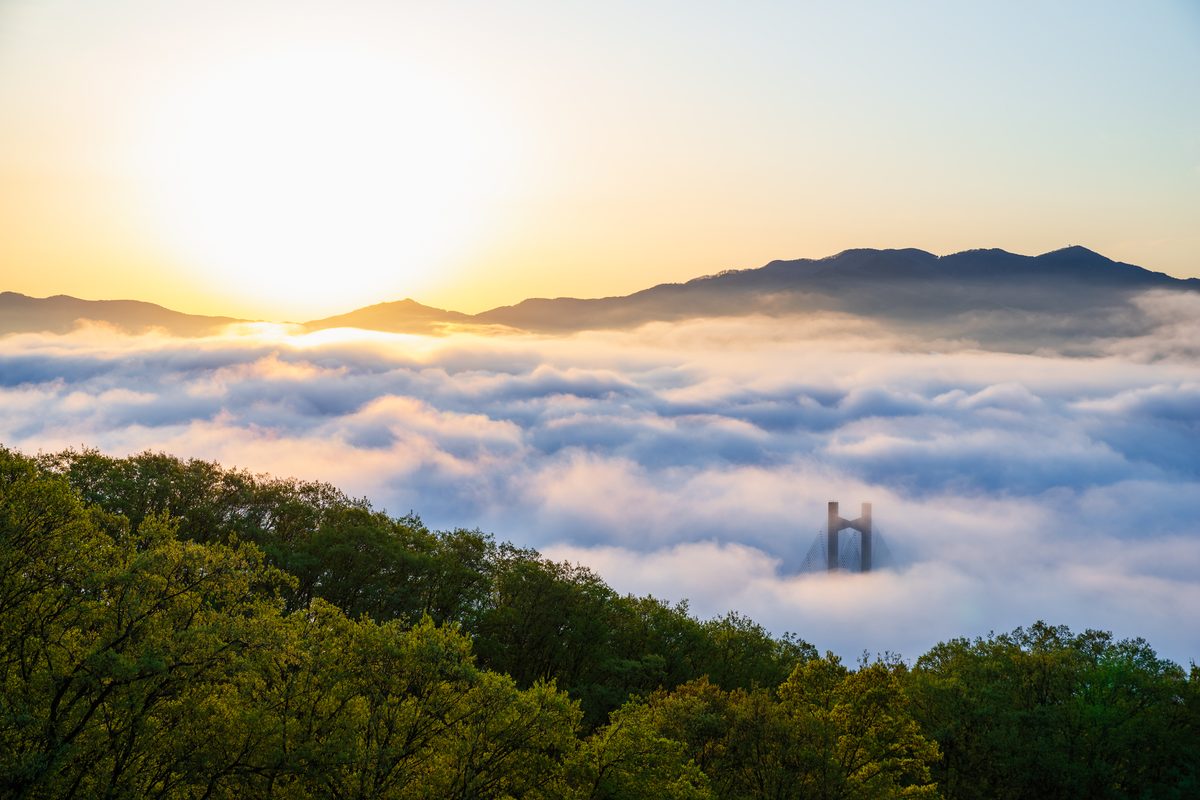
A mountain basin town set among the Oku-Chichibu ranges, home to one of Japan's three great night festivals — the Chichibu Yomatsuri (December 3) where six ornate floats and two mikoshi parade through freezing winter streets with fireworks overhead. The Chichibu Shrine (2,100 years old) is a National Important Cultural Property.
Kawagoe — Little Edo
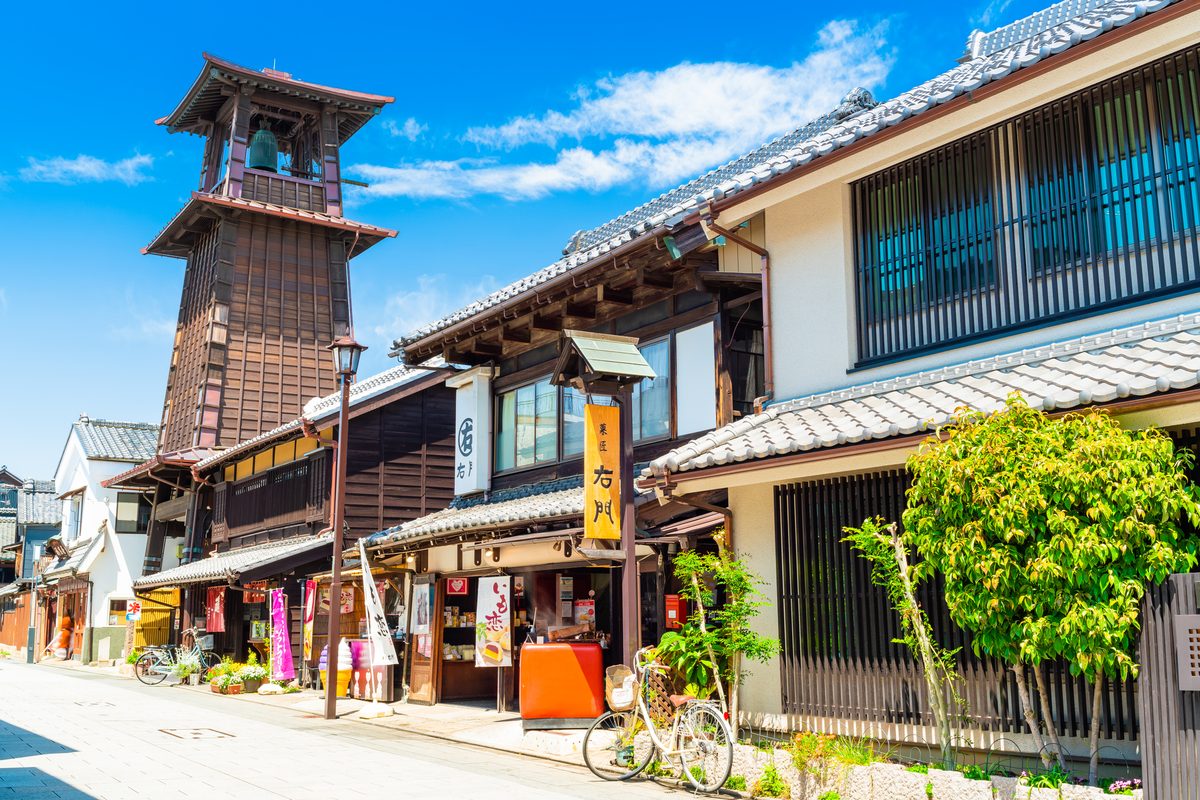
A well-preserved Edo-period merchant town 30km from Tokyo — nicknamed Koedo (Little Edo) for its kura-zukuri (black plastered storehouse) main street and the only surviving Toki no Kane (Time Bell Tower) in the Kanto region. Confectionery Street (Kashiya Yokocho) has sold traditional dagashi (cheap sweets) since the Meiji era.
Mt Tenran — Hanno
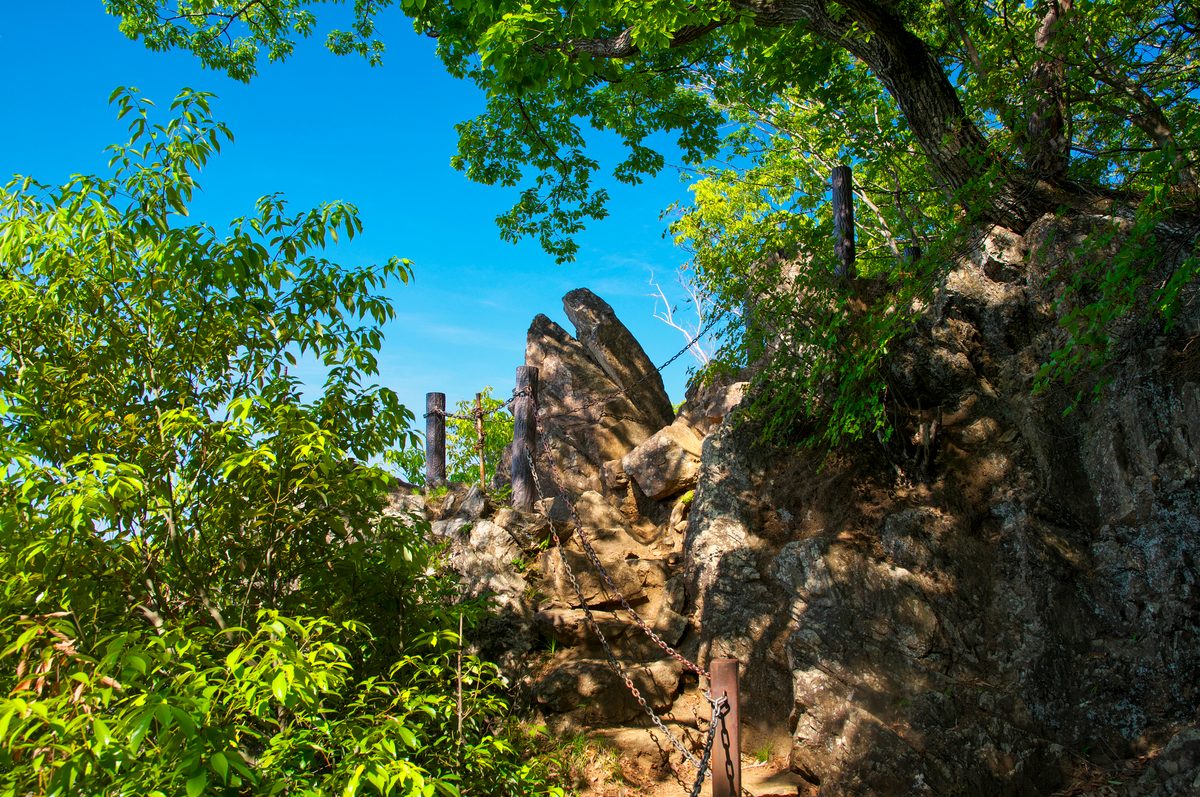
A gentle 305-metre mountain above the Iruma River valley — one of the most approachable peaks for Tokyo day-trippers, with a clear trail to the summit in 40 minutes. Emperor Hirohito walked this mountain in 1931, giving it the name "Tenran" (Emperor's View). The summit offers Chichibu mountain panoramas and city views simultaneously.