
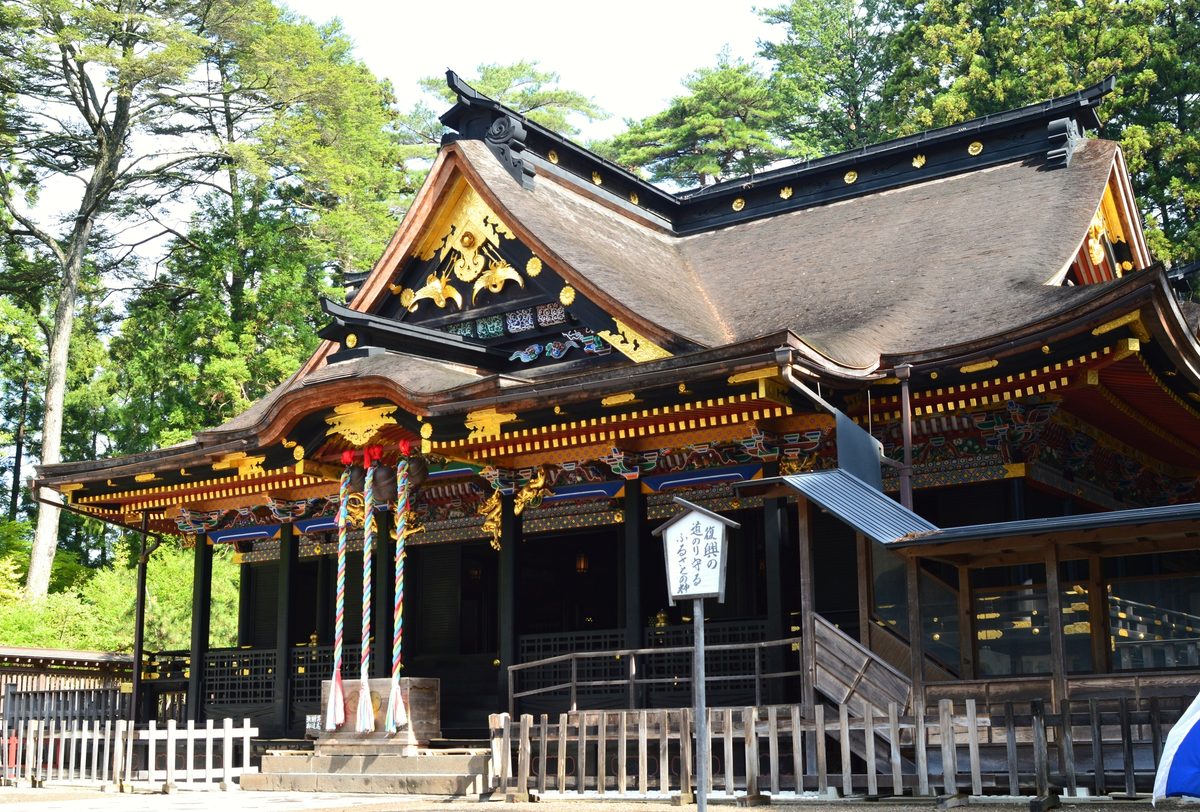
Osaki Hachimangu Shrine
Date Masamune's personal shrine, built in 1607 and designated a National Treasure — the only Momoyama-period shrine in Tohoku. The lacquered black main hall decorated with gold is considered one of Japan's finest examples of shrine architecture.
1 hour
Free
8:30–17:00; grounds accessible during daylight
Year-round; January (Donto-sai)
Bus from Sendai Station (approx. 20 min)
Location
Why Visit
- 1
The "Shinkuro" black lacquer and gold-leaf decoration is the only surviving example of this style
- 2
Date Masamune commissioned the shrine as a personal ancestral worship hall — it retains his spirit
- 3
The Donto-sai festival in January is a roaring bonfire ceremony with participants stripped to loincloths
- 4
Sendai's Zelkova-lined boulevard leads directly to the shrine gates
Local Tips
One of Japan's most beautiful shrine buildings — the Gongenzukuri style architecture with its intricate gilded and painted carvings is extraordinary. The approach through a quiet residential neighbourhood rather than a tourist district makes the discovery feel genuine. Located 10 minutes by taxi from Sendai Station; easily combined with Zuihoden Mausoleum.
Add to your AI itinerary
Let AI build a multi-day trip around this spot.
Advertisement
More in Miyagi
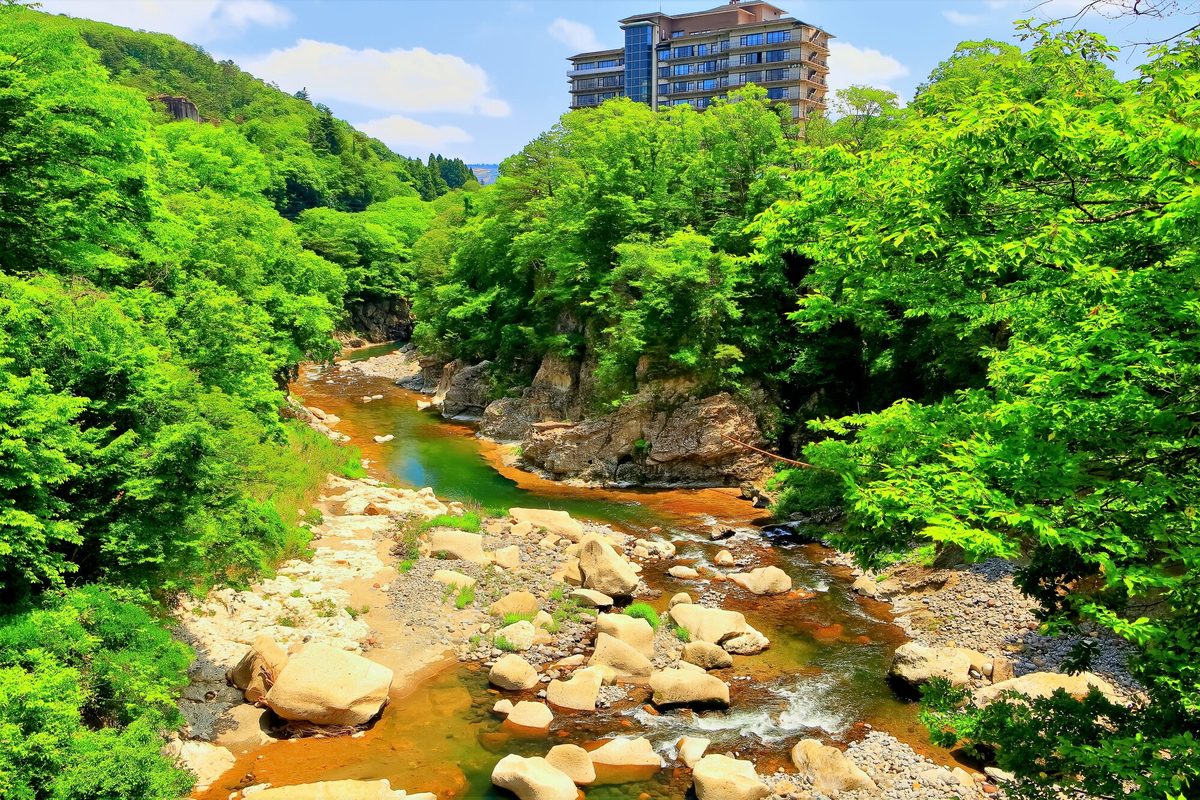
Akiu Onsen
Sendai's ancient thermal retreat in a gorge 30 minutes from the city — documented in 6th-century records as a place where samurai recovered from battle. Ryokan built over the Natori River offer rooms with the sound of rapids below.
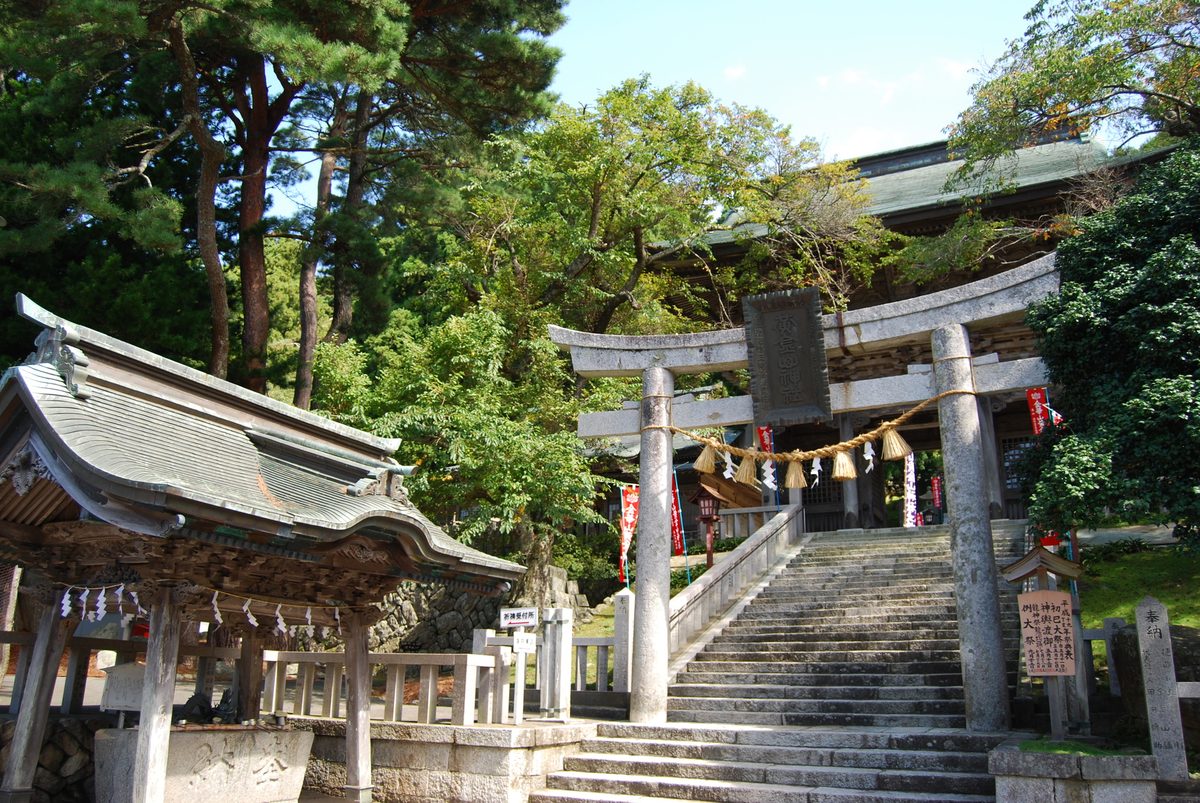
Kinkasan Island
A sacred island reached by a 15-minute ferry where wild deer and monkeys roam freely among ancient shrine buildings. Traditionally, visiting three years in a row guarantees freedom from money worries for life.
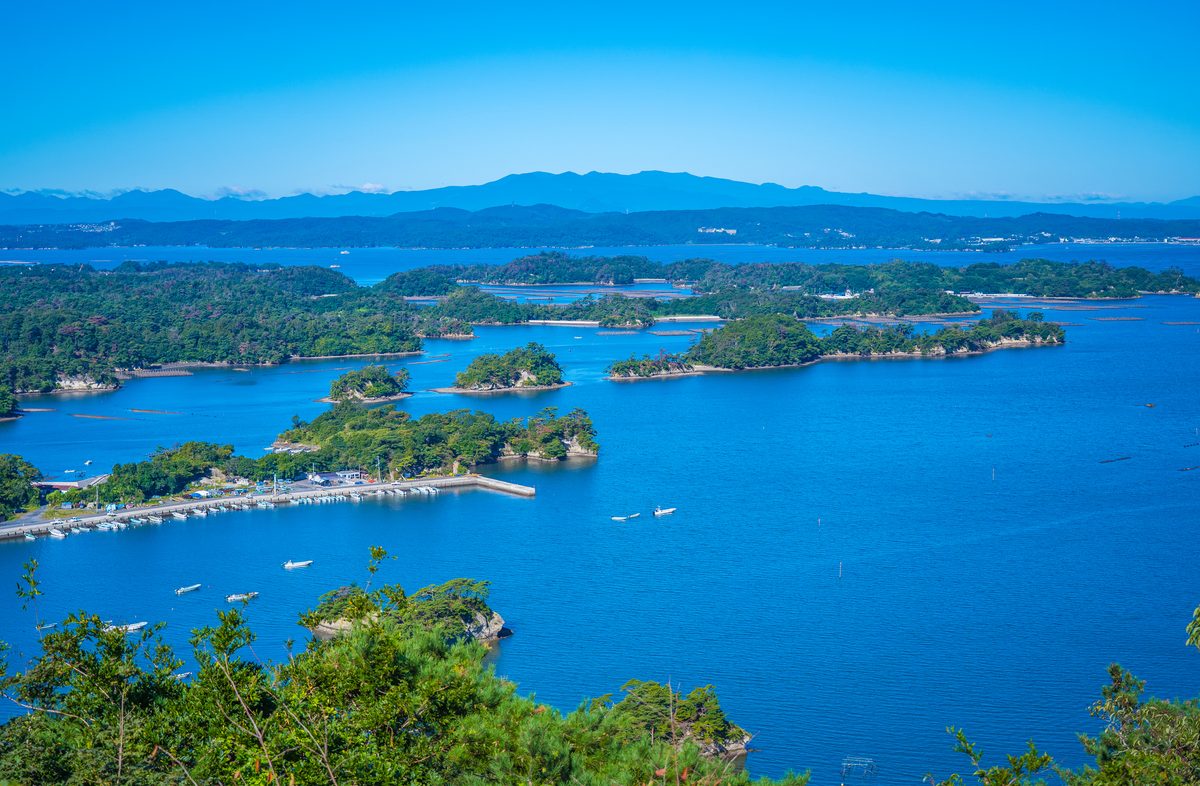
Matsushima Bay
One of Japan's three officially designated great views — 260 pine-clad islands of every shape and size scattered across a calm bay. Basho wrote a famous haiku here, unable to find words for its beauty.