
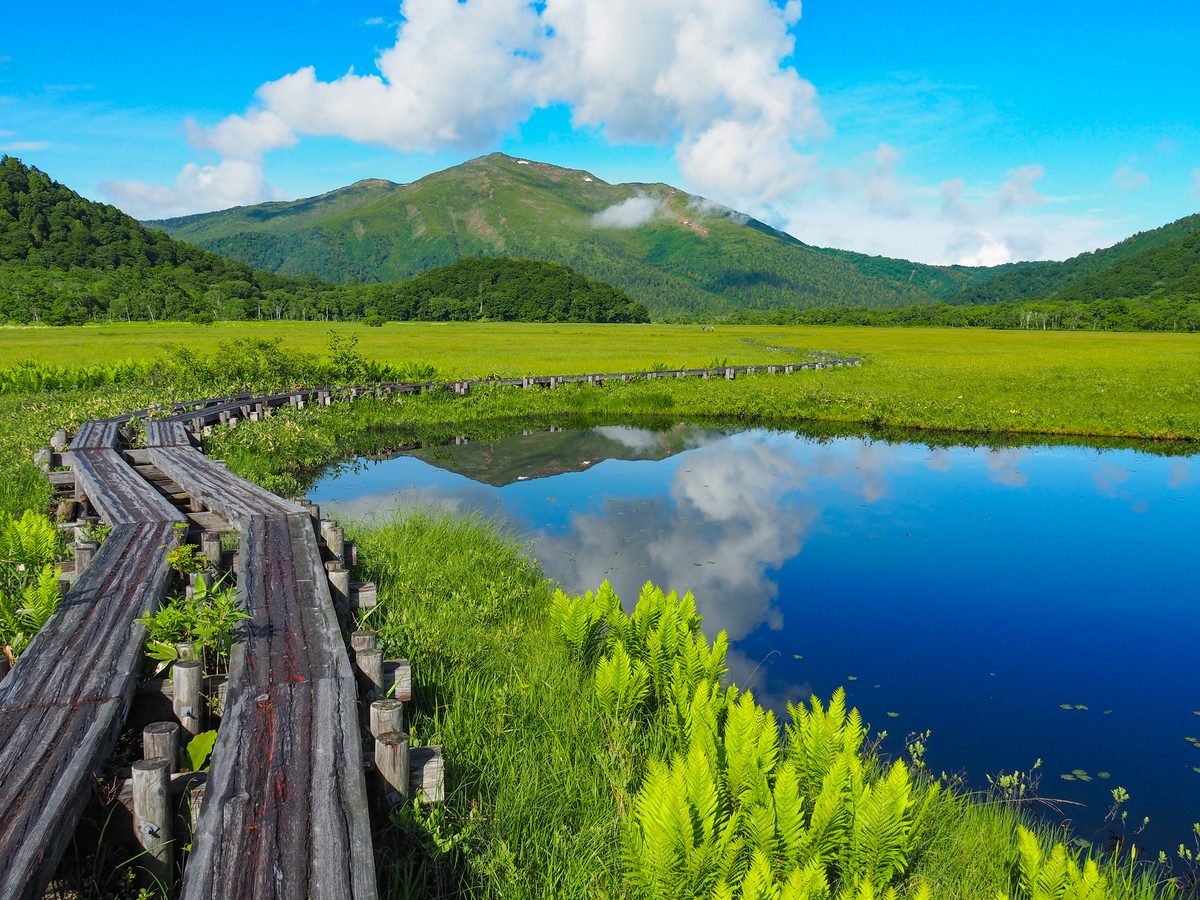
Oze National Park
Japan's largest highland marshland (approx. 1,400m elevation) — a UNESCO Ramsar wetland of ancient peat bogs, alpine ponds, and rare mizubasho (skunk cabbage) lilies that bloom in May when snow still covers the mountain ridges around the plateau. Boardwalk trails cross the protected wetland habitat of Oze National Park (approx. 372 km²).
Full day
Conservation fee ¥500
Open mid-May to late October (varies by snowmelt); entry gates: dawn to dusk
Late May–early June (mizubasho), August (alpine hiking)
Bus from Numata Station to Oshimizu Trailhead (90 min)
Location
Why Visit
- 1
Mizubasho (skunk cabbage) blooms in May against snow-covered peaks — Japan's most dramatic flower hike
- 2
UNESCO Ramsar Wetland — a peat bog ecosystem formed over 10,000 years of volcanic activity
- 3
280 square kilometres of protected boardwalk trails reachable from three mountain passes
Local Tips
The largest high-altitude wetland in Japan — 2,000+ hectares of marsh, ponds, and alpine meadows at 1,400m. The mizubasho (skunk cabbage) blooms late May to early June, creating a white carpet across the wetland floor. The 8km main boardwalk circuit takes 3–4 hours. Book accommodation in the single mountain hut well in advance for an overnight wildflower experience.
Add to your AI itinerary
Let AI build a multi-day trip around this spot.
Advertisement
More in Gunma
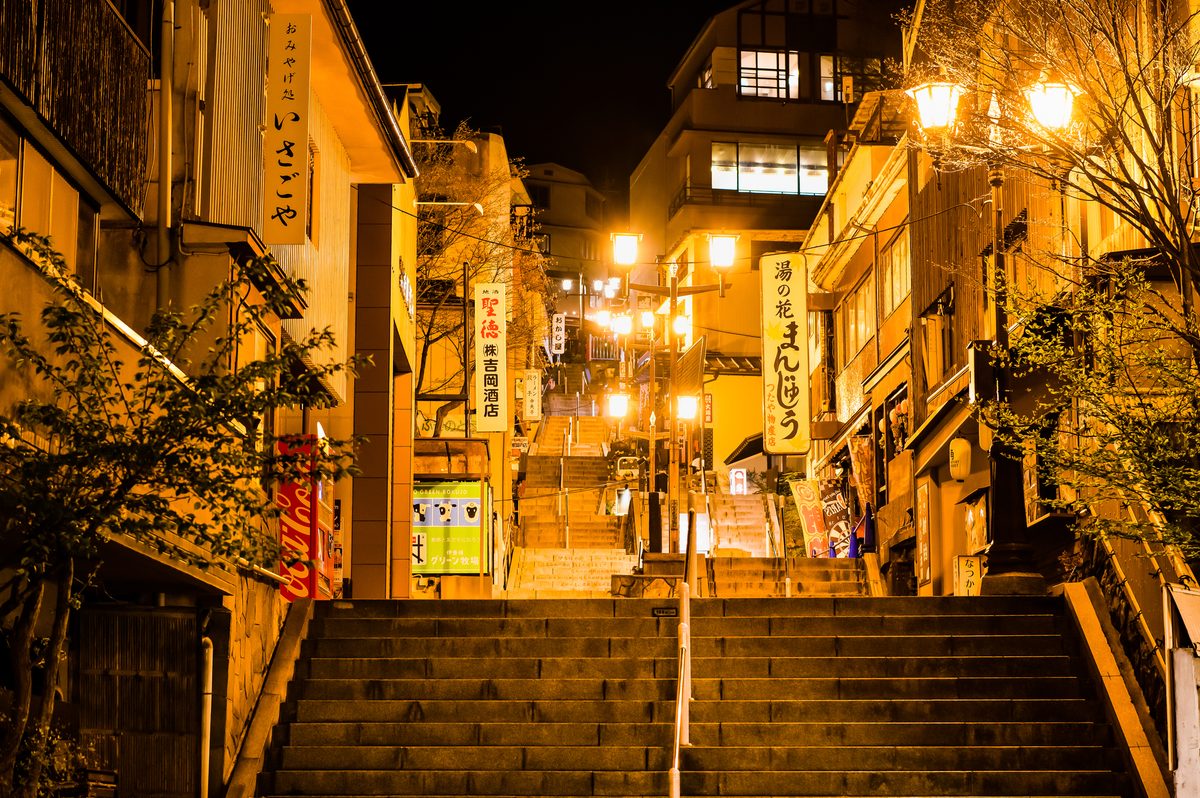
Ikaho Onsen
An ancient resort town built up a single stone staircase of 365 steps — each step flanked by traditional wooden inns, souvenir shops, and bathhouses. The brown iron-rich water (chakki-yu) has been praised since the Manyoshu (8th century) and stains baths and tiles a distinct dark orange. The town was a favourite retreat of writers and artists throughout the Meiji era.
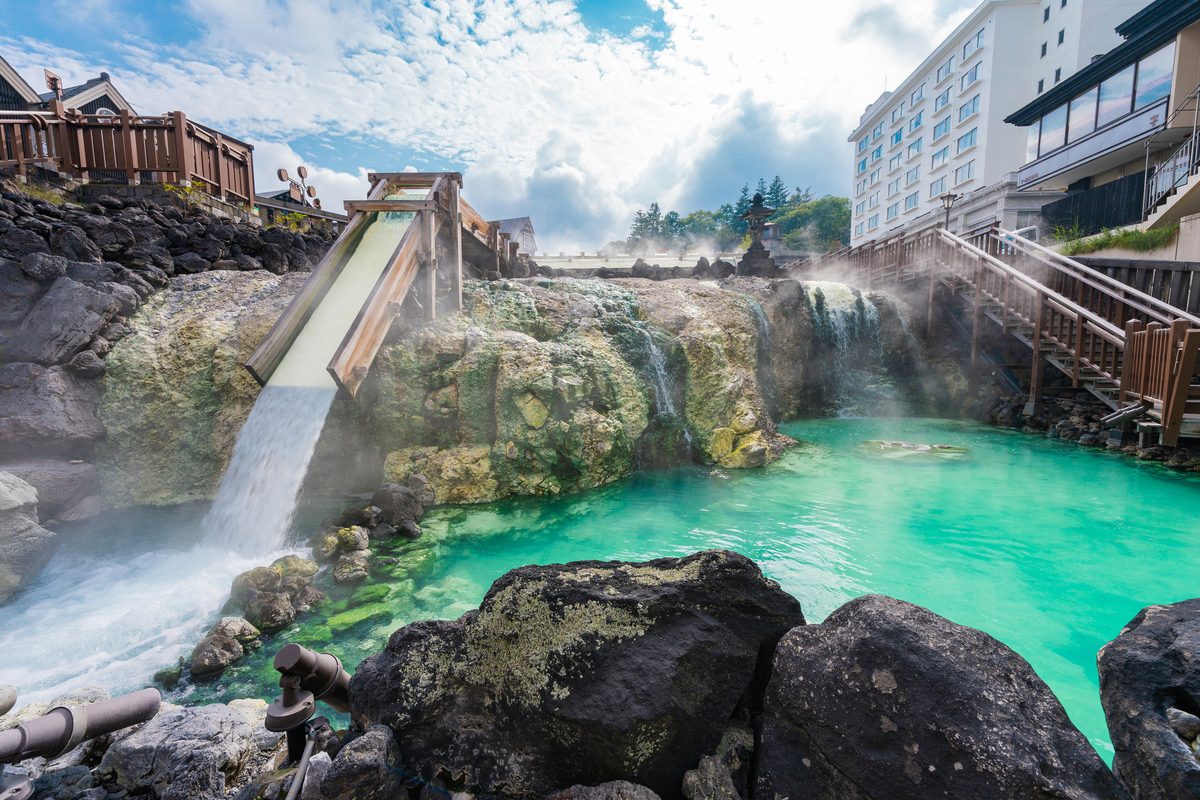
Kusatsu Onsen
Japan's most celebrated hot spring resort — producing over 32,000 litres of acidic sulphurous water per minute from its collective springs, centred on the iconic Yubatake (hot water field). The water is so acidic (pH 2.1) that it kills almost all bacteria, giving rise to the local saying "the only thing Kusatsu water can't cure is a broken heart." The Yubatake at night is extraordinary.
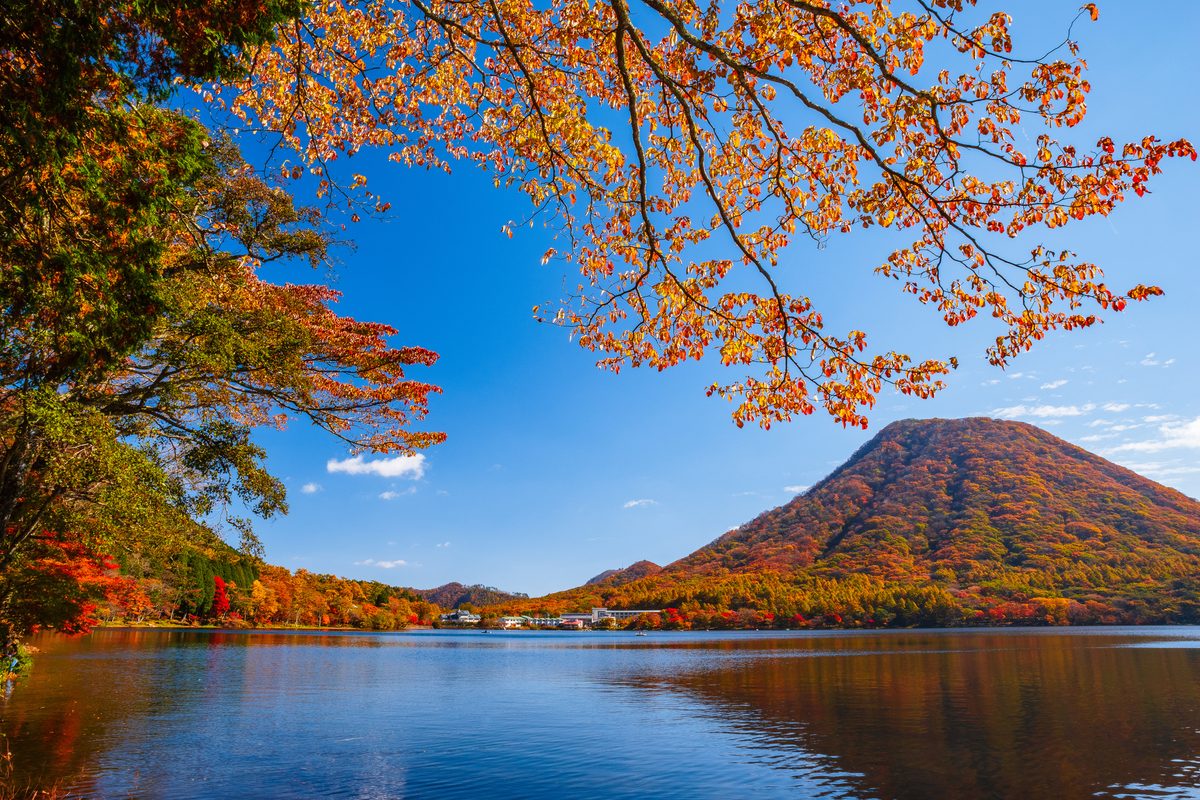
Lake Haruna
A caldera lake at 1,084 metres on the volcano Mt Haruna. The lake is famous for its winter ice fishing (smelt) when the surface freezes solid enough to walk on, its summer wakasagi fishing from boats, and the horse-drawn sleighs that cross the frozen surface in February.