
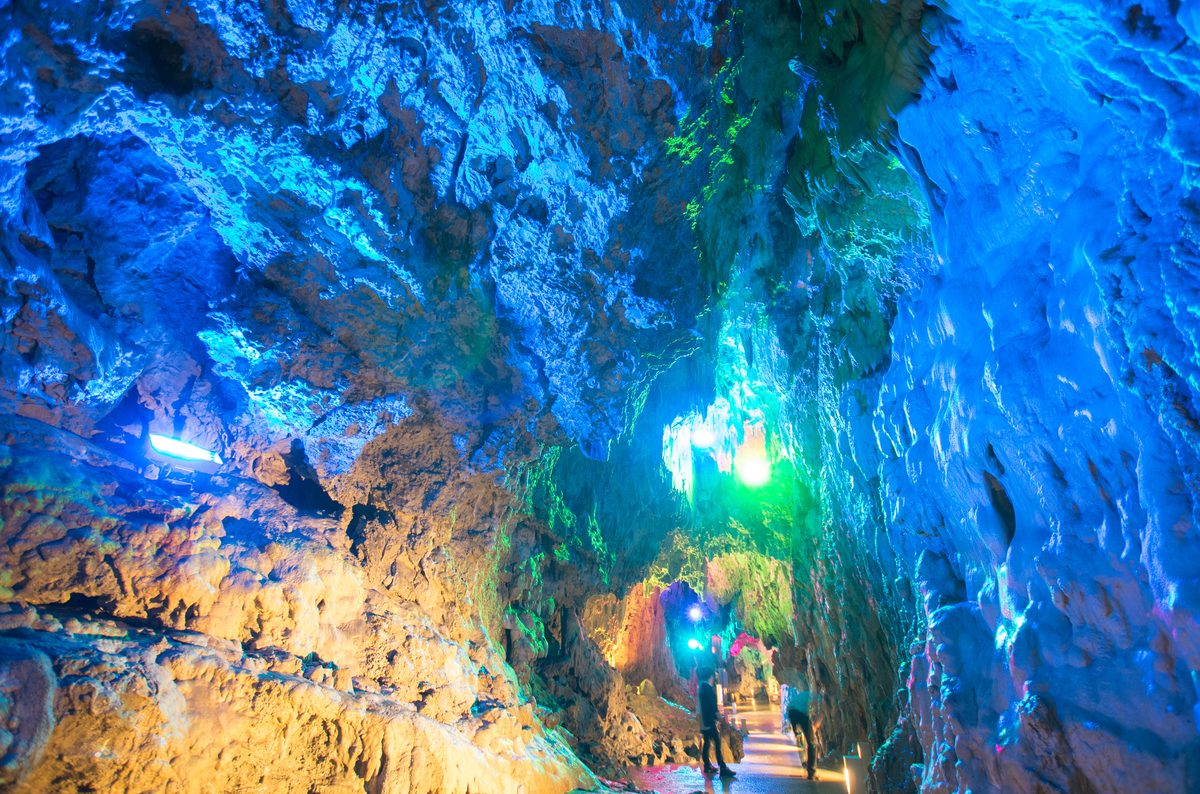
Ryusendo Cave
One of Japan's three great limestone caves, famous for underground lakes of extraordinary blue clarity — visibility reaches 41.5 metres. The cave system extends at least 4 kilometres (known length 4,088 m), with the most dramatic 700 metres open to visitors.
1–2 hours
¥1,100
8:30–17:00 (Oct–Apr); 8:30–18:00 (May–Sep). Last entry 30 min before closing. Closed during heavy rain.
Year-round
Bus from Iwaizumi Station (5 min)
Location
Why Visit
- 1
Third Underground Lake is 98 metres deep with visibility of 41.5 m — the clearest cave water in Japan
- 2
Tens of thousands of Japanese horseshoe bats roost in the cave — Japan's largest bat colony
- 3
The cave air stays at 10°C year-round — refreshing in summer, gentle in winter
- 4
The on-site Science Museum displays cave ecology and the bat colony in detail
Local Tips
One of the world's most beautiful limestone caves — three underground lakes of extraordinary clarity with visibility to 41.5m in the deepest. The electric blue light of the deepest lake is remarkable. The cave maintains 10°C year-round — bring a layer in summer. The Ryusendo-do Village outside has traditional craft demonstrations.
Add to your AI itinerary
Let AI build a multi-day trip around this spot.
Advertisement
More in Iwate
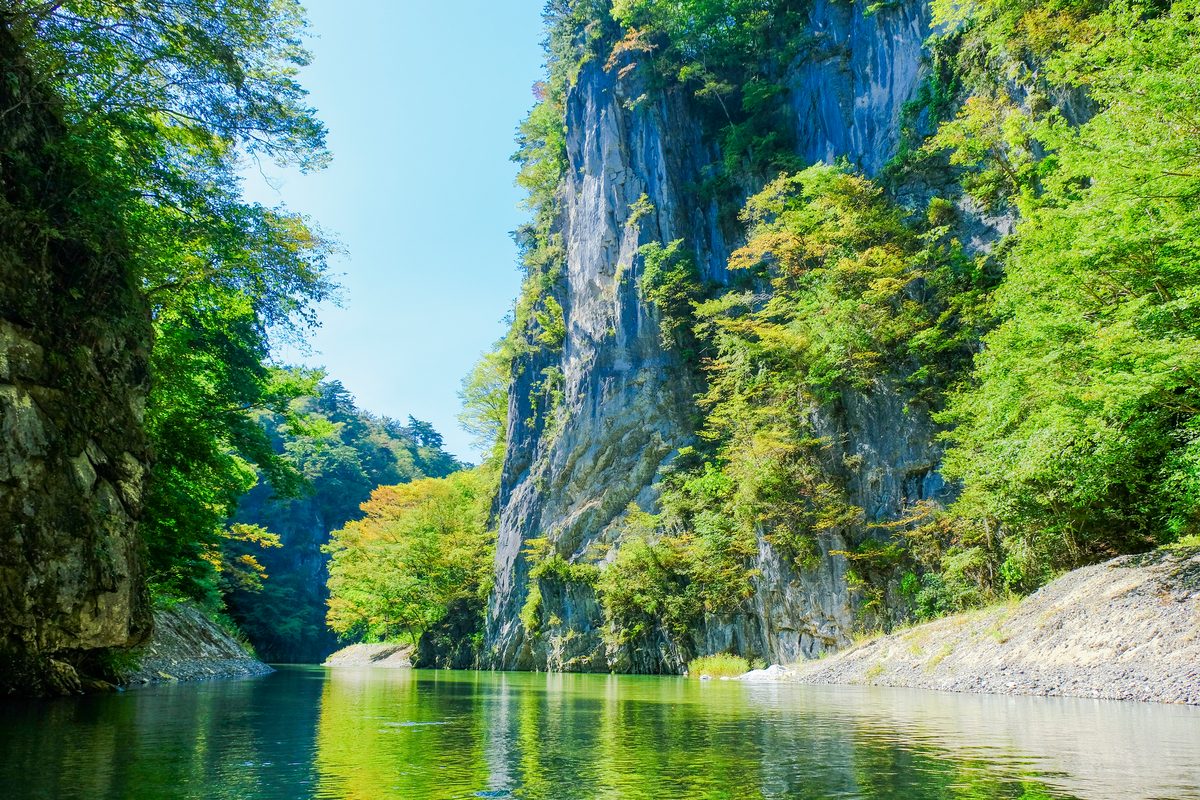
Geibikei Gorge
A narrow limestone gorge where flat-bottomed boats are poled through approximately 2 kilometres of canyon flanked by 100-metre cliffs. The boatman sings traditional Geibikei rowing songs as herons and kingfishers fly through the gorge.
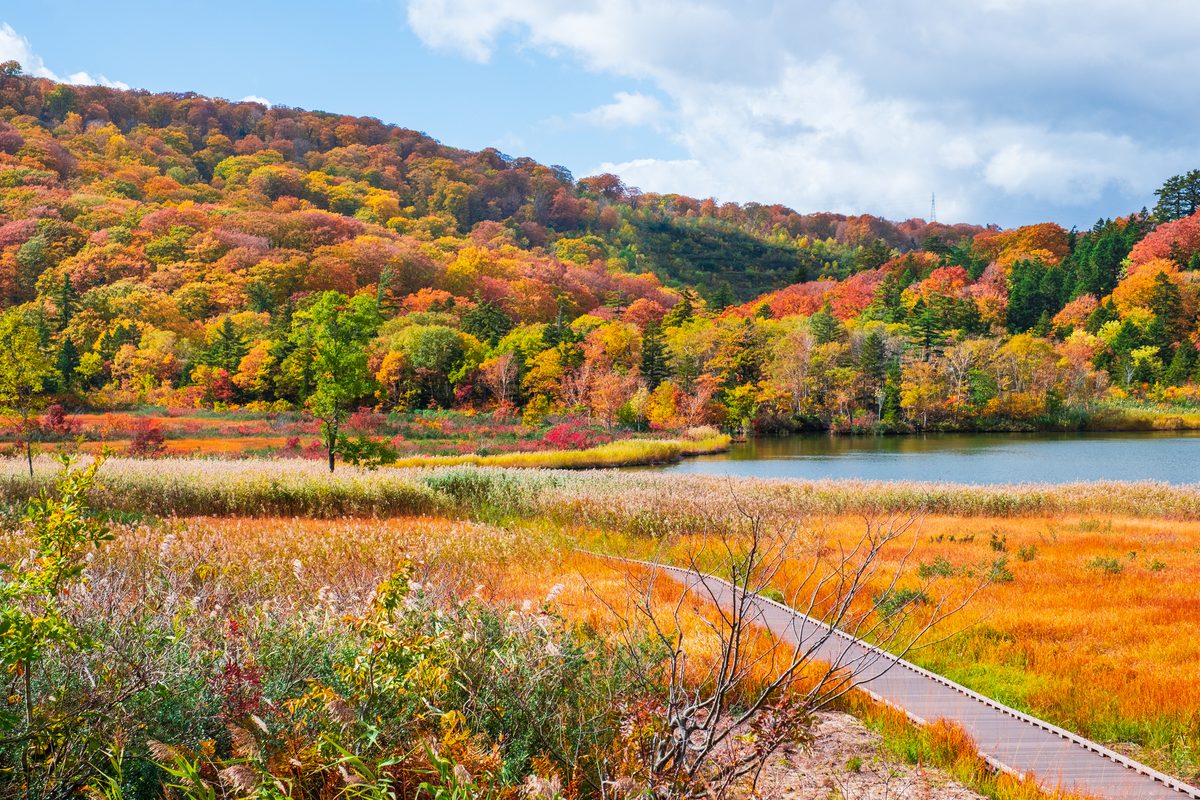
Hachimantai Plateau
A high volcanic plateau straddling Iwate and Akita, famous for the "Dragon Eye" — a crater lake that develops a circular eye-shaped opening as snow melts each June. The plateau offers hiking, skiing and vivid autumn colour.
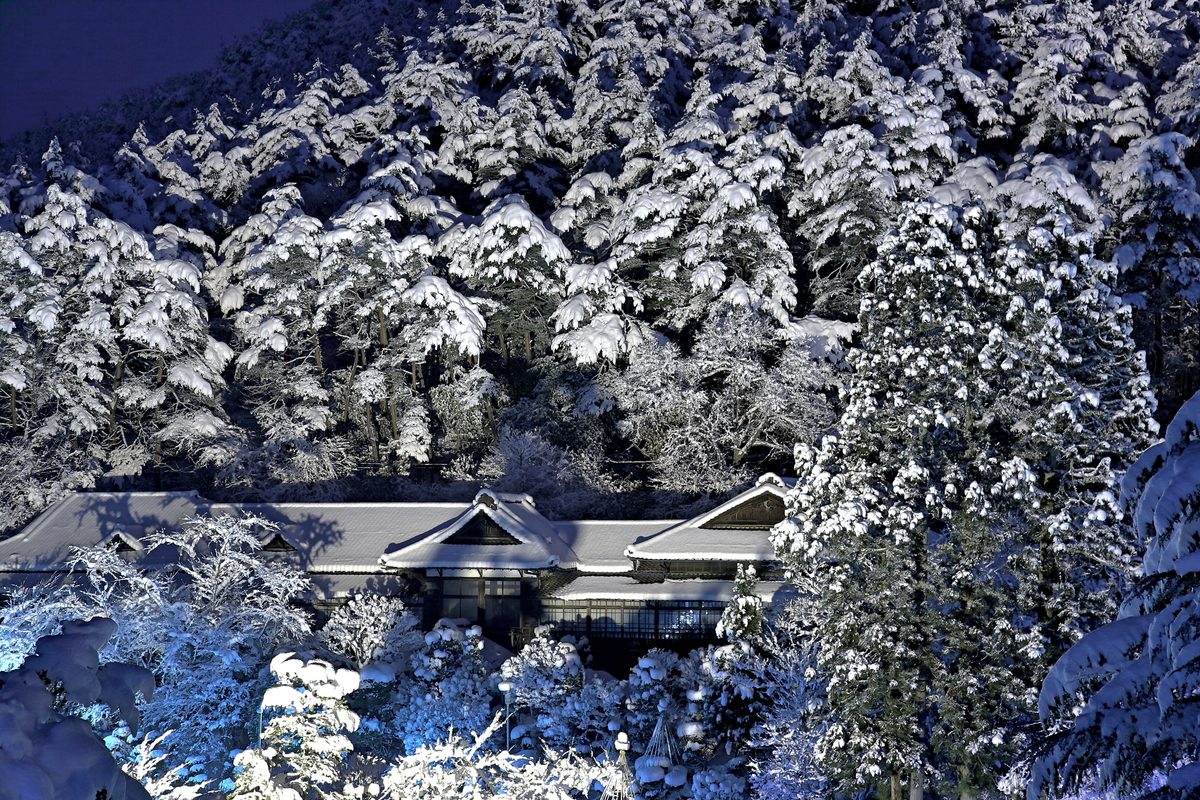
Hanamaki Onsen
A cluster of hot spring villages in the rolling hills around Hanamaki — hometown of poet and farmer Kenji Miyazawa. Ryokan here draw on centuries of spring history, surrounded by the forests Miyazawa immortalized in his stories.