
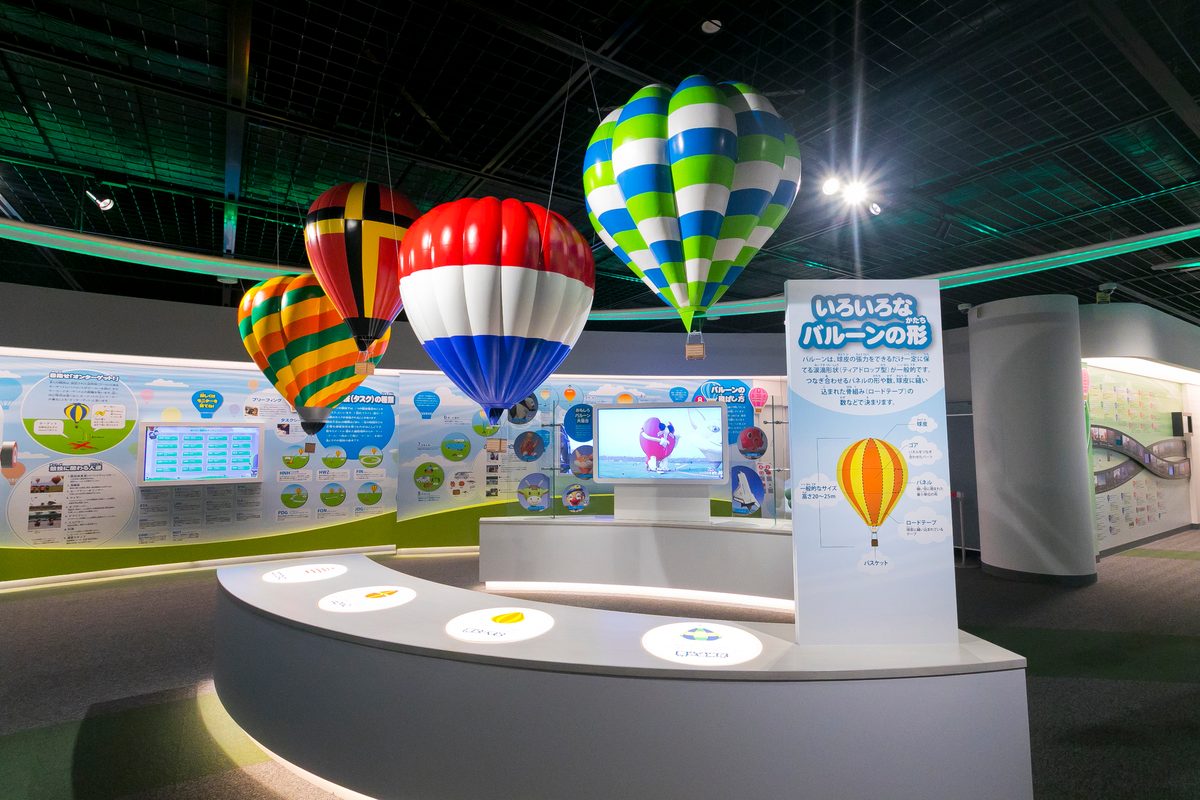
Saga International Balloon Fiesta Museum
Saga hosts Asia's largest hot air balloon festival each autumn, attracting 100+ balloons from 20+ countries. The year-round museum lets you experience a balloon gondola simulator, see the engineering behind it, and understand why Saga's flat terrain and calm dawn winds make it the world's best balloon location.
1 hour
¥500 adults
10:00–17:00 (closed Mon)
Late October–early November (festival) or year-round (museum)
15 min walk from Saga Station
Location
Why Visit
- 1
The balloon fiesta runs for 8 days in late October/early November — book hotels 6 months ahead
- 2
The gondola simulator lets you "fly" over Saga plain — unexpectedly exhilarating
- 3
The museum shop sells balloon-shaped nikuman (steamed pork buns) — only in Saga
Local Tips
The museum tells the story of the Saga International Balloon Fiesta — one of Asia's largest hot air balloon events held each November, drawing 200+ balloons. The museum has excellent simulators and a viewing platform. If visiting during the festival (early November), book a tethered balloon ride and accommodation months ahead.
Add to your AI itinerary
Let AI build a multi-day trip around this spot.
Advertisement
More in Saga
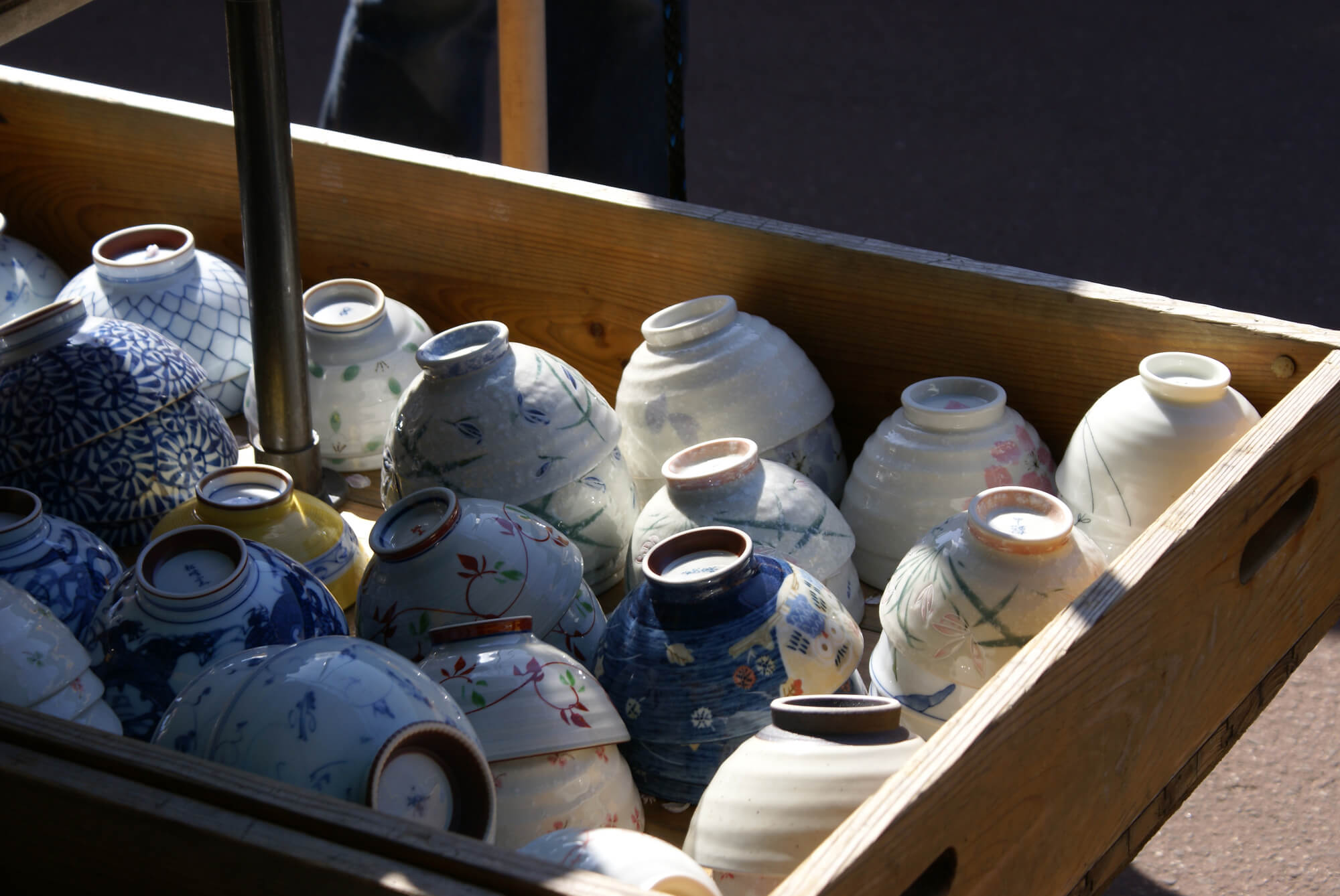
Arita Pottery Town
The birthplace of Japanese porcelain, where ceramic production began in 1616 after kaolin clay was discovered. The main street is lined with kilns, galleries, and manufacturers exporting worldwide.
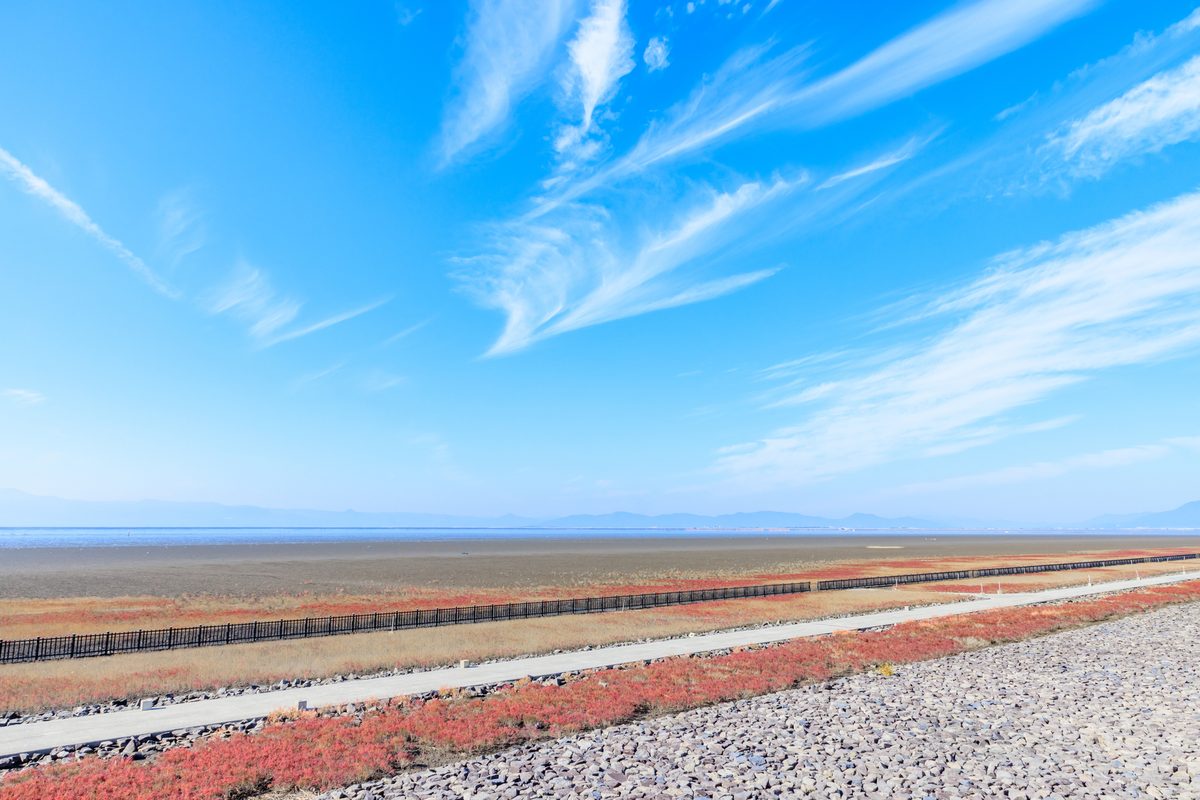
Higashiyoka Tidal Flat
A Ramsar Convention wetland on Ariake Sea — one of Japan's most biodiverse tidal flats, home to 140 species of migratory birds and the spectacle of mudskippers and fiddler crabs at low tide. In autumn, the shichimenso (salicornia) turns the mudflat a vivid red, creating an otherworldly landscape.
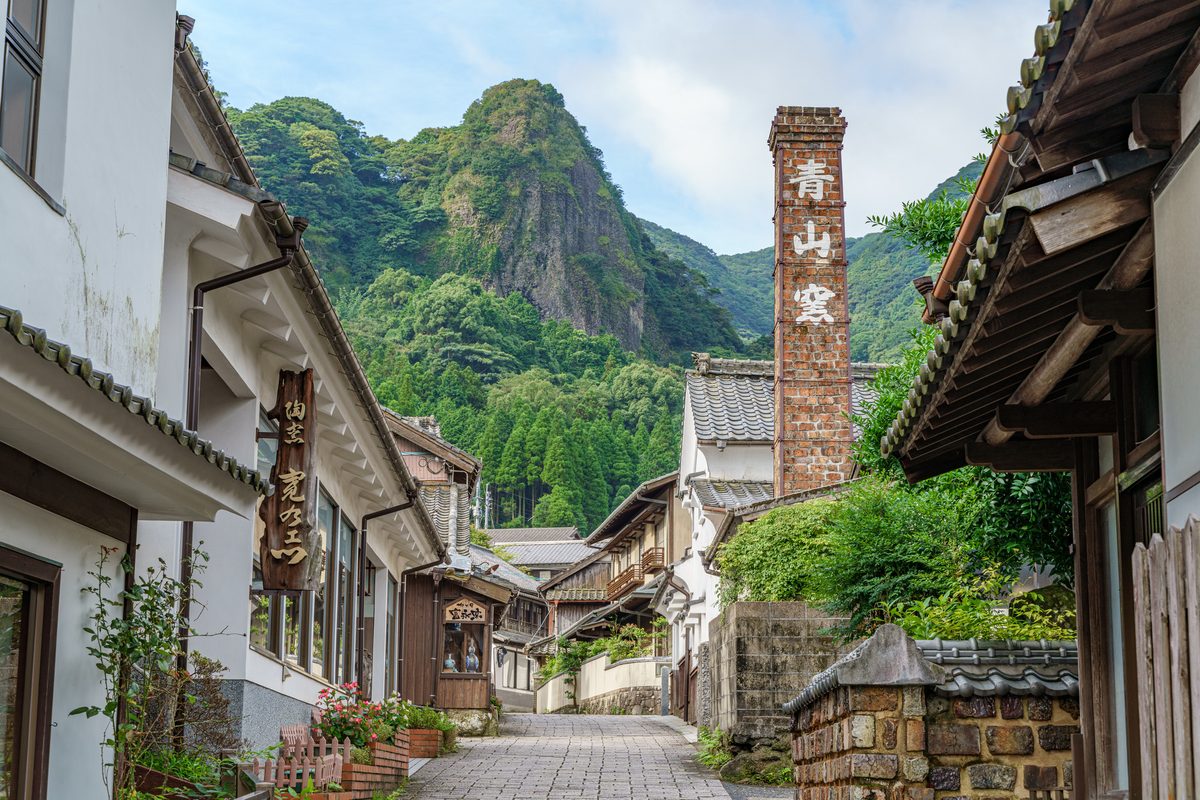
Imari Okawachi-yama Kiln Village
A hidden valley where the Nabeshima clan's secret kilns produced porcelain exclusively for the Edo shogunate and European royalty. Today 30+ kilns still operate in this quiet mountain valley — you can watch master potters at work and buy directly from the kilns that supplied Versailles.