
Saga Castle & History Museum
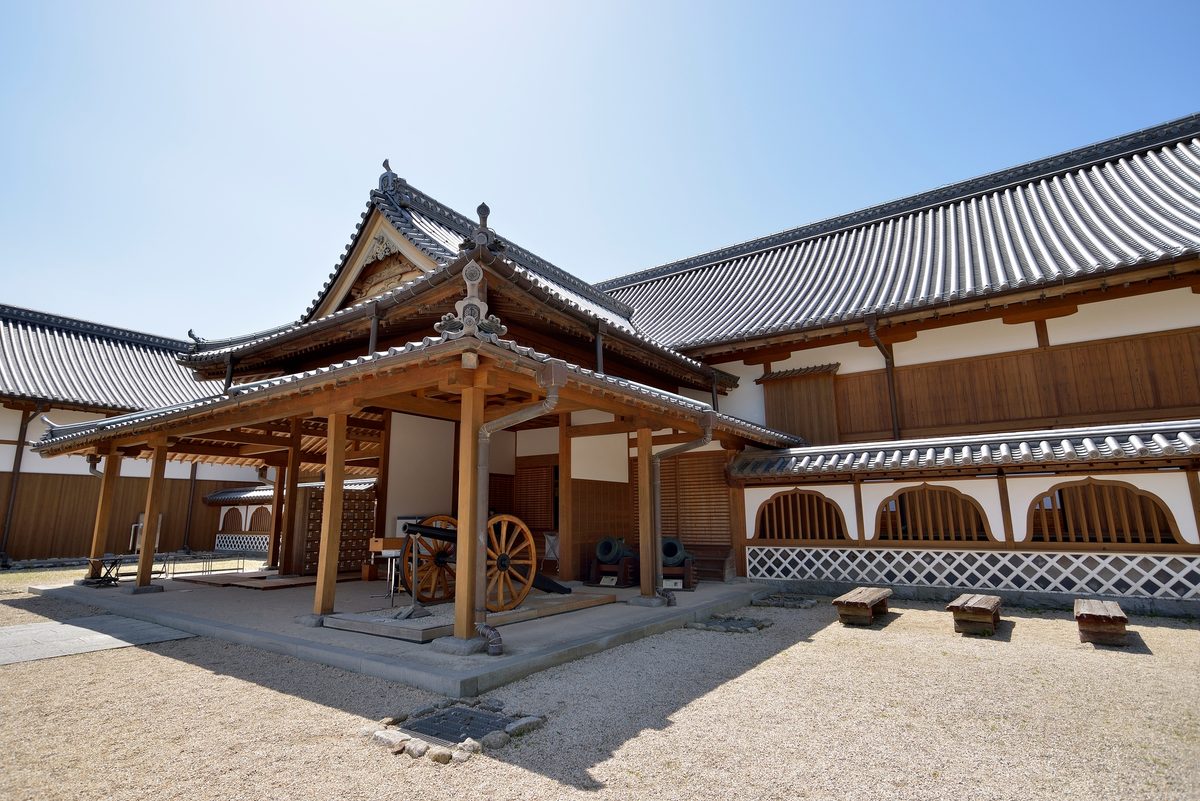
Saga Castle was the seat of the Nabeshima clan for 270 years, and its partial reconstruction now houses one of Japan's best-designed samurai history museums. The moat, stone walls, and the magnificent Tamon Yagura gate tower are original — some of the finest surviving examples of Edo-period castle architecture in Kyushu.
1.5 hours
Free (castle grounds and Saga Castle Honmaru History Museum)
Grounds: 9:00–18:00; History Museum: 9:00–17:00, closed Mon
Year-round
About 25 min walk or 10 min by bus (Saga City Bus to Hakubutsukan-mae) from Saga Station
Location
Why Visit
- 1
The Saga Rebellion of 1874 — a key early Meiji revolt — is explained through vivid dioramas
- 2
The Tamon Yagura is the only part of the original castle to survive; it's one of Kyushu's finest examples
- 3
The museum shop sells high-quality Saga-made crafts including Nabeshima porcelain reproductions
Local Tips
The restored Honmaru Goten palace inside the castle ruins is one of Japan's finest castle palace reconstructions — the black and white chequered walls are distinctive. Saga produced many Meiji Restoration leaders. The Nabeshima Naoshige tea ceremony culture is displayed in a restored tatami room — free tea service sometimes available.
Add to your AI itinerary
Let AI build a multi-day trip around this spot.
Advertisement
More in Saga
Arita Pottery Town
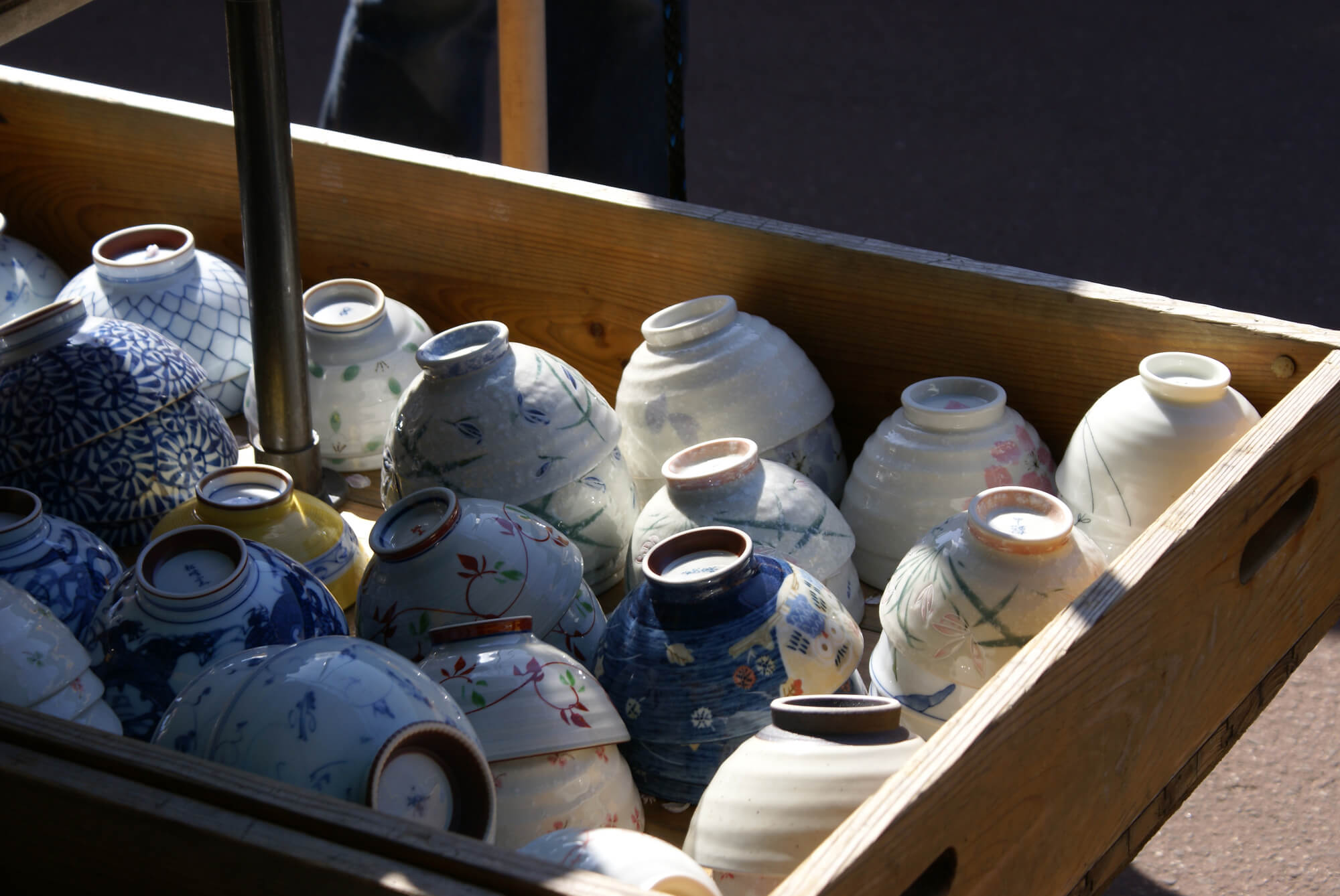
The birthplace of Japanese porcelain, where ceramic production began in 1616 after kaolin clay was discovered. The main street is lined with kilns, galleries, and manufacturers exporting worldwide.
Higashiyoka Tidal Flat
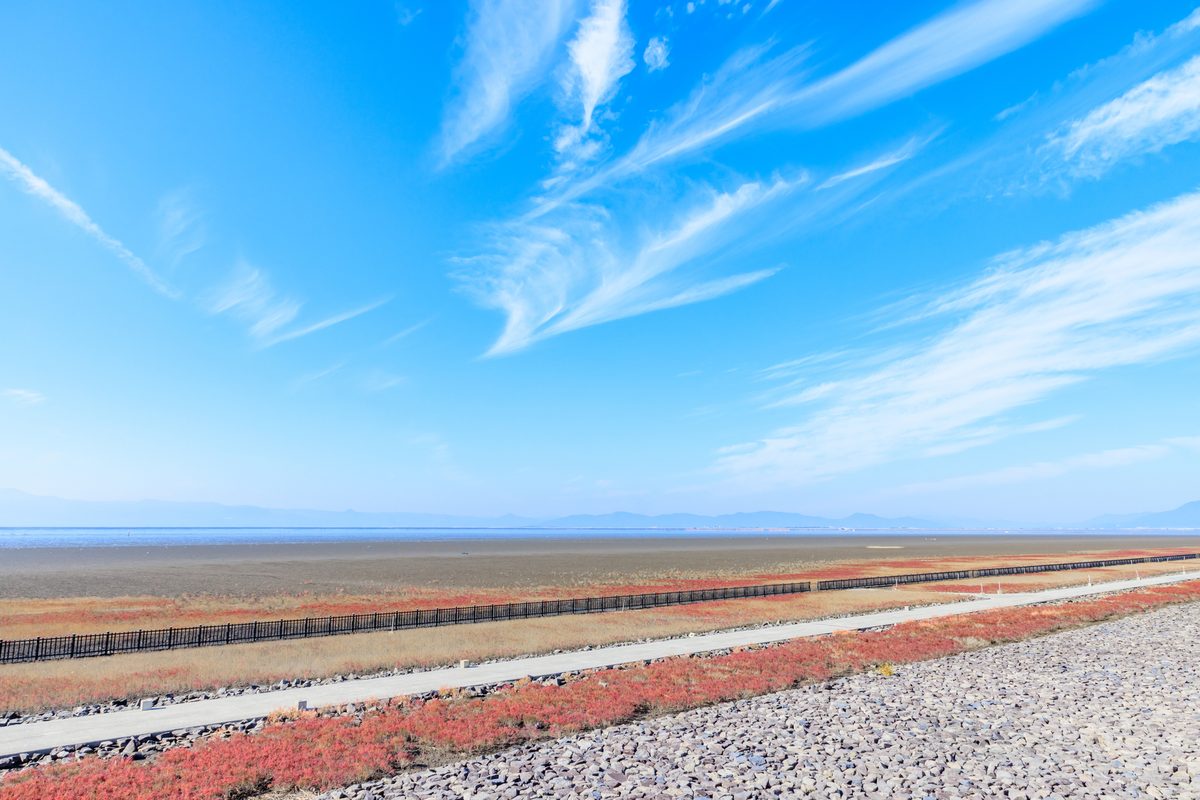
A Ramsar Convention wetland on Ariake Sea — one of Japan's most biodiverse tidal flats, home to 140 species of migratory birds and the spectacle of mudskippers and fiddler crabs at low tide. In autumn, the shichimenso (salicornia) turns the mudflat a vivid red, creating an otherworldly landscape.
Imari Okawachi-yama Kiln Village
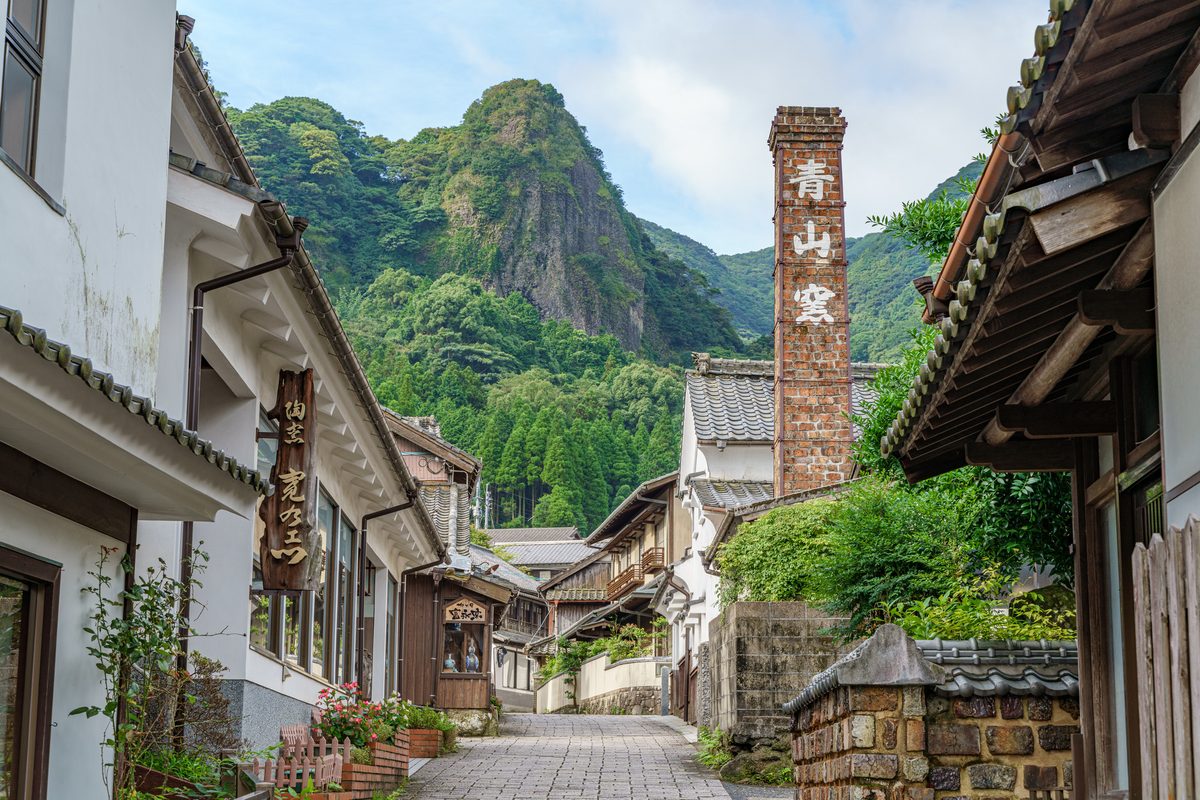
A hidden valley where the Nabeshima clan's secret kilns produced porcelain exclusively for the Edo shogunate and European royalty. Today 30+ kilns still operate in this quiet mountain valley — you can watch master potters at work and buy directly from the kilns that supplied Versailles.