
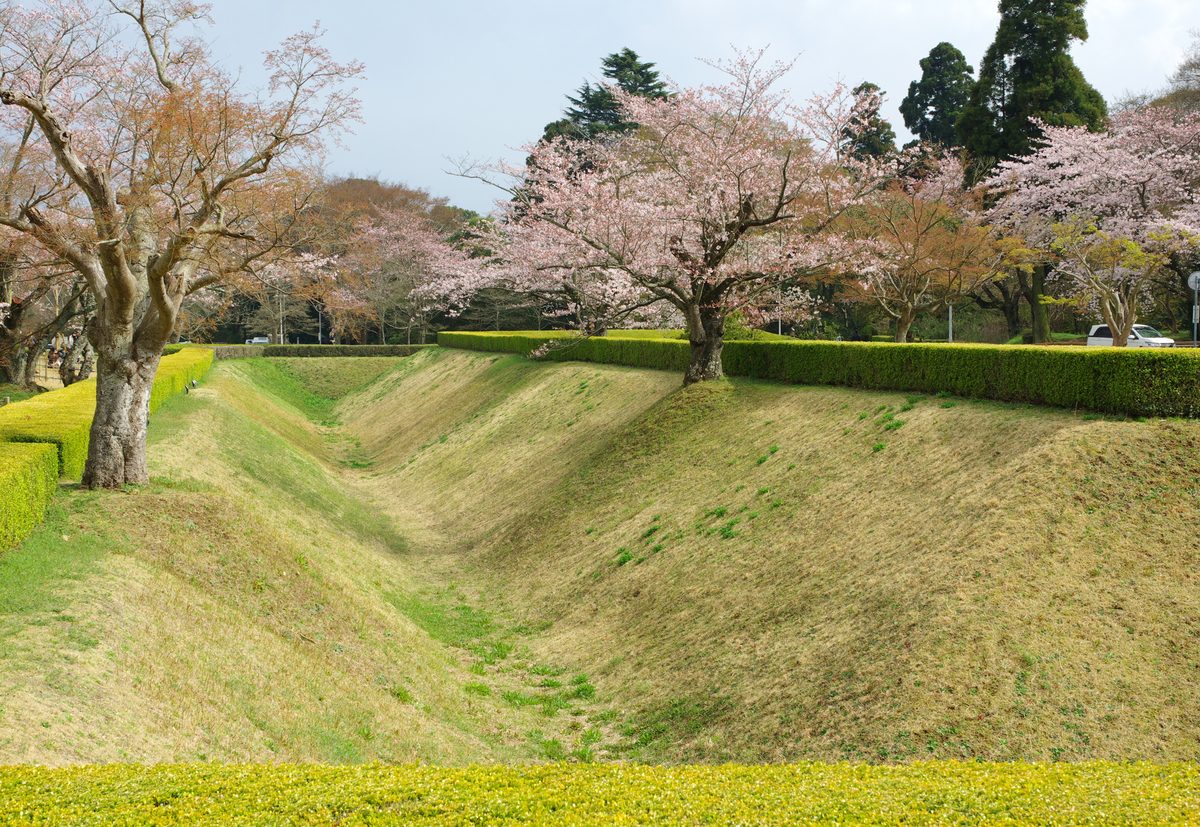
Sakura City & Castle Ruins
An old castle town whose park-covered earthworks contain Japan's finest local history museum (National Museum of Japanese History — the largest in Japan, covering everything from Jomon to Meiji). The surrounding moat area has the best non-Kyoto cherry blossom walk in eastern Japan — 3,000 trees along 4km of moat-side paths.
2–3 hours
Museum ¥600
Park: always open; National Museum of Japanese History (in park): 9:30–17:00, closed Mon
March–April (cherry blossoms), Year-round (museum)
Keisei-Sakura Station on Keisei Main Line (30 min from Ueno)
Location
Why Visit
- 1
National Museum of Japanese History — Japan's largest history museum covering 12,000 years
- 2
3,000 cherry trees along the old castle moat — one of eastern Japan's finest blossom walks
- 3
The Takei family samurai residence (Edo period) in the castle grounds is the best in Kanto
Local Tips
Sakura is one of the Kanto region's most underrated castle towns — the parks and museum cover the story of the Sakura domain with genuine depth. The Kawamura Zuiken residence and the Sakura samurai district are worth exploring on foot. Easy day trip from Tokyo (60 min on the Sobu rapid line).
Add to your AI itinerary
Let AI build a multi-day trip around this spot.
Advertisement
More in Chiba
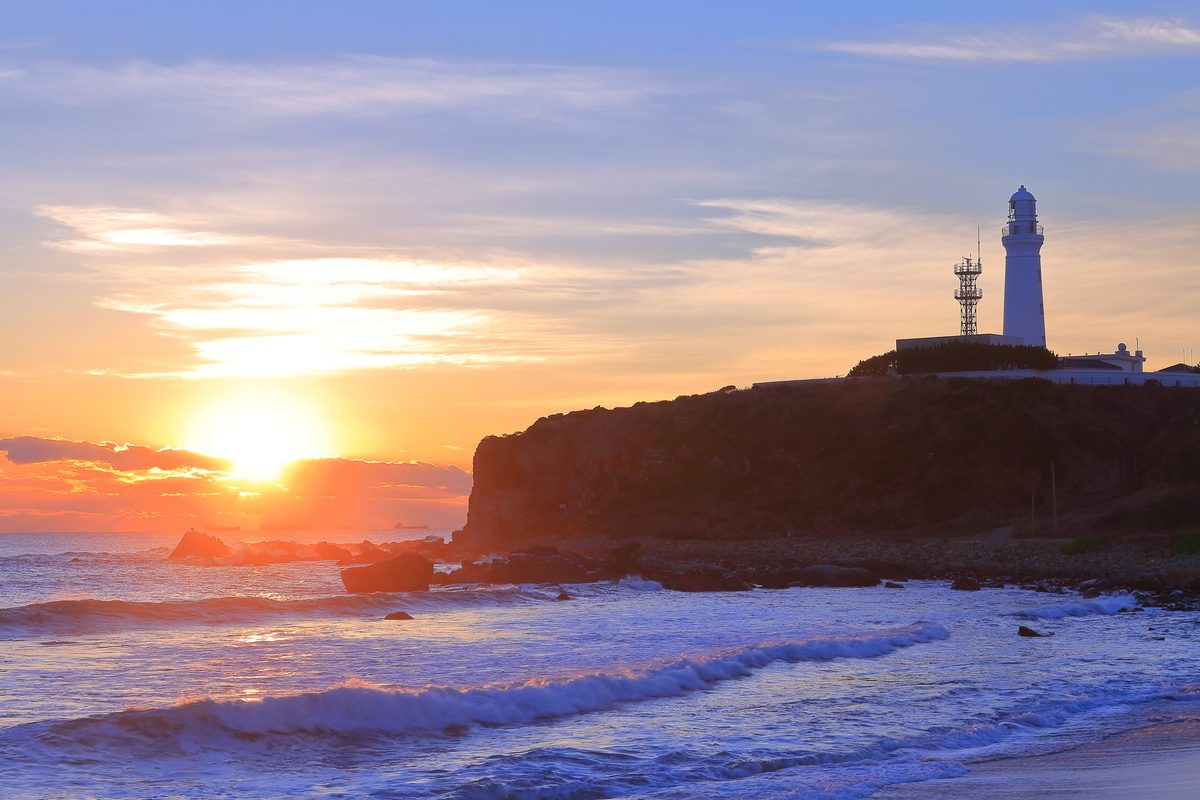
Cape Inubosaki & Choshi Port
The easternmost point of the Kanto region — a lighthouse-topped cape where the Kuroshio Current meets the Oyashio Current, creating Japan's richest inshore fishing waters. Choshi Port is Japan's #1 sardine and saury landing port; the morning market sells fresh-grilled aji (horse mackerel) from open braziers on the harbour quay.
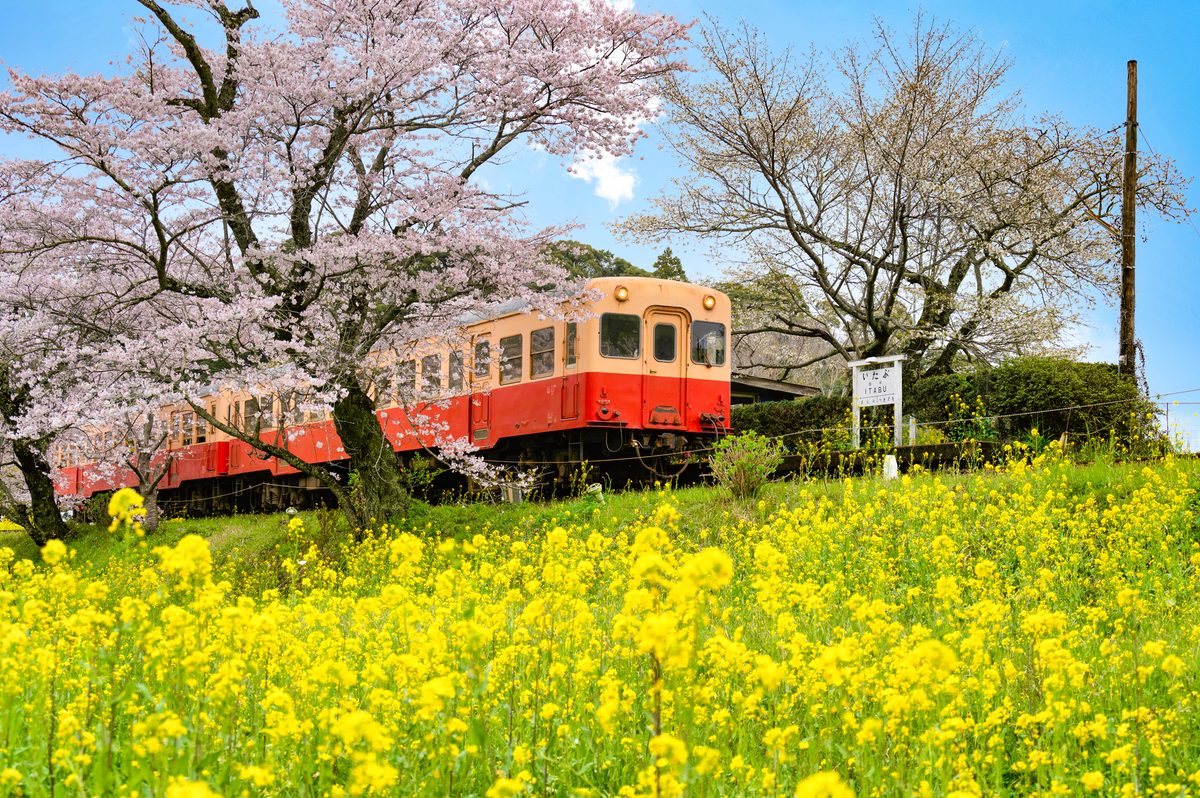
Isumi Railway — Rapeseed Blossom Line
A tiny rural railway of 26km running through the rice paddies and cedar valleys of inland Boso Peninsula. In spring, the entire right-of-way is lined with rapeseed (nanohana) blossoms between the stations. Heritage diesel cars painted in vivid colours pass cherry trees and plum orchards — the finest spring countryside train ride near Tokyo.
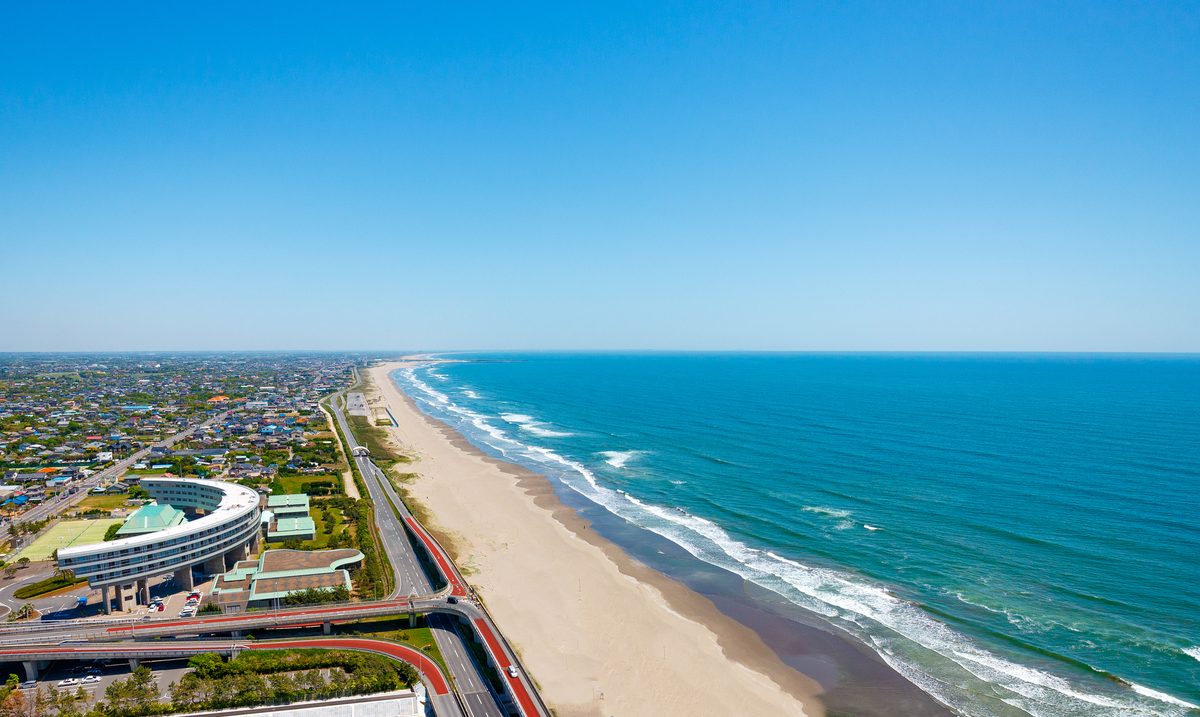
Kujukuri Beach
A 66km straight sandy beach — Japan's second longest — facing the Pacific Ocean on the Boso Peninsula's eastern coast. The consistent surfable waves, the wide open beach with no buildings on the ocean side, and the inoshishi (wild boar) that occasionally wander down from the coastal forest make this a wild Pacific experience.