
Sannai-Maruyama Site
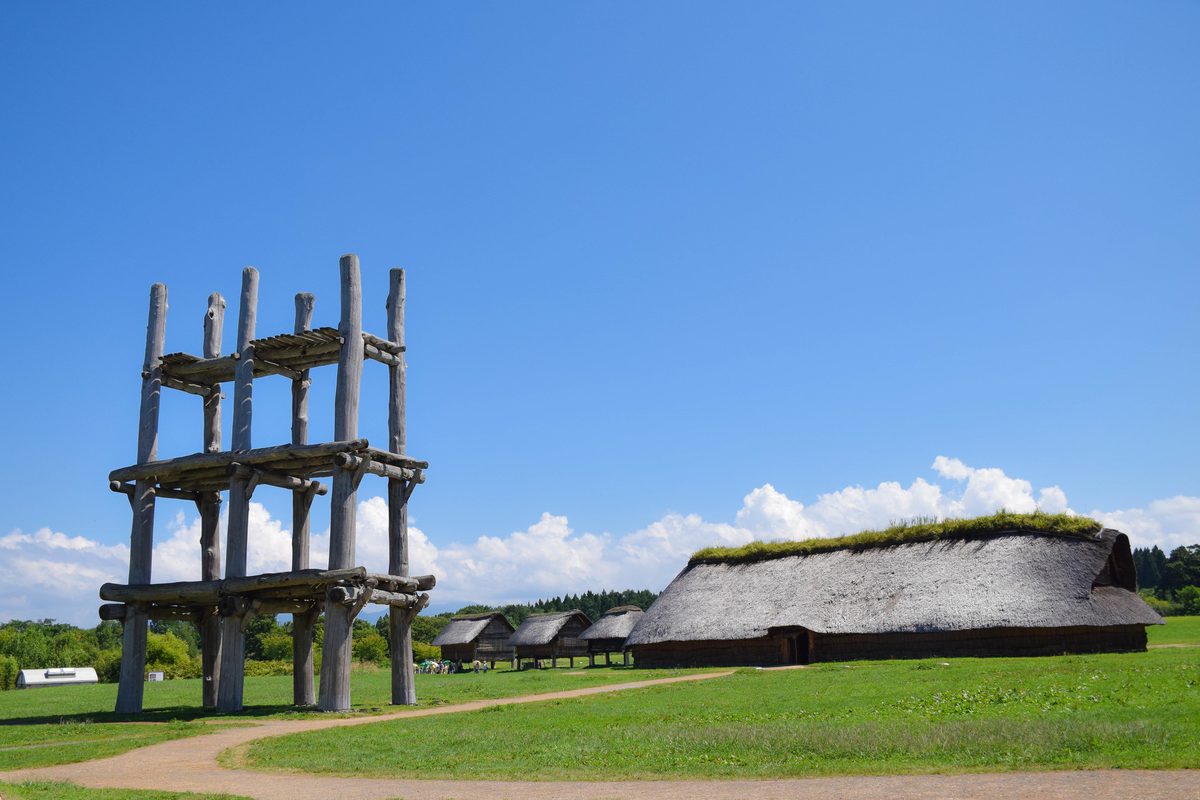
Japan's largest Jomon period archaeological site, newly inscribed as UNESCO World Heritage in 2021. A 5,900-year-old village with reconstructed pit dwellings and the iconic six-pillar wooden watchtower rising above the excavation.
2–3 hours
¥500
9:00–17:00 (Oct–May); 9:00–18:00 (GW and Jun–Sep). Closed 4th Mon each month (next day if holiday), 30 Dec–1 Jan, and facility maintenance days.
Year-round
Bus from Aomori Station (20 min)
Location
Why Visit
- 1
The six-pillar structure used precisely spaced chestnut trunks — evidence of advanced Jomon engineering
- 2
Jade ornaments found here came from mines 600 km away, showing extensive Jomon trade networks
- 3
The on-site museum displays actual excavation finds including clay figurines, lacquerware and woven baskets
- 4
Ongoing excavations — you may see archaeologists at work during weekday visits
Local Tips
Japan's largest and best-preserved Jomon-period settlement (3,900–2,300 BC) — the six-post wooden tower and the longhouses reconstructed at original scale are extraordinary. The on-site museum houses an outstanding collection of Jomon pottery and figurines. UNESCO World Heritage since 2021. Combine with Nebuta Museum Warasse in Aomori city (30 min by car).
Add to your AI itinerary
Let AI build a multi-day trip around this spot.
Advertisement
More in Aomori
Aomori Gyosai Center (Furukawa Fish Market)
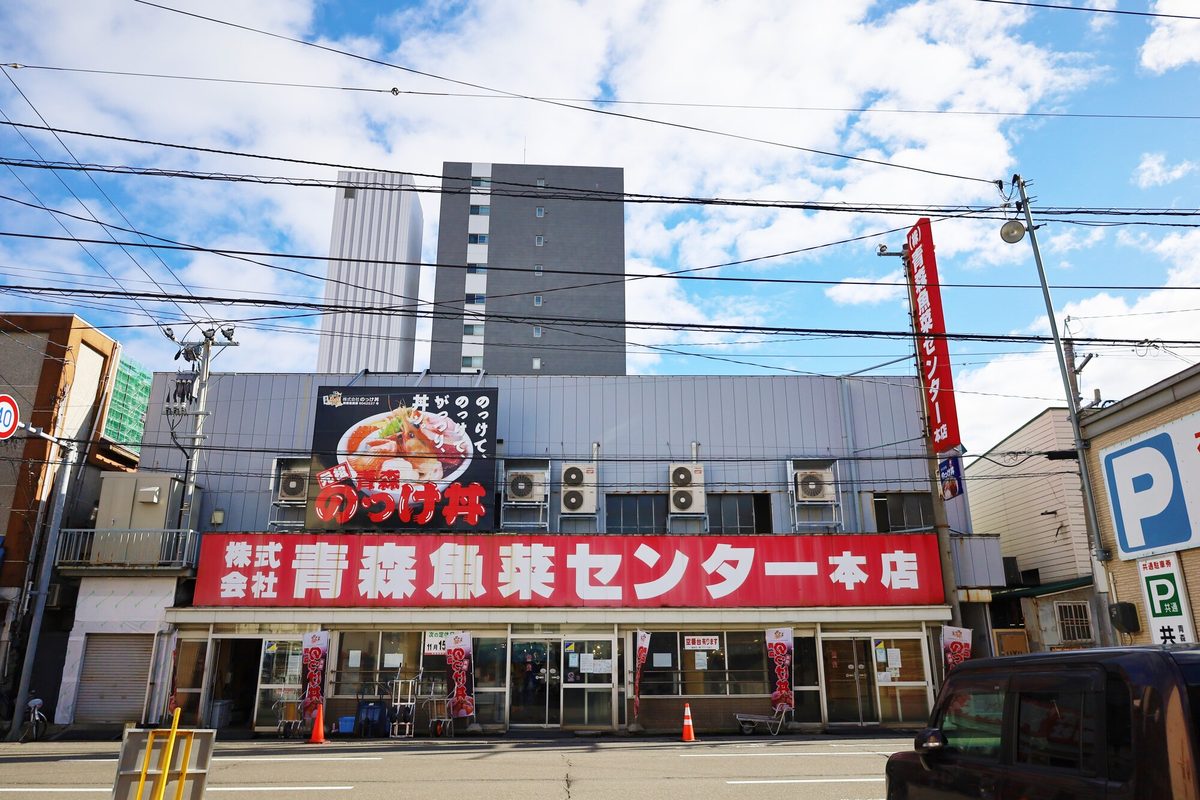
A working market a short walk from Aomori Station where the signature experience is nokkedon — a bowl of rice topped with sashimi you choose yourself from stalls selling tickets by the slice. Scallops from Mutsu Bay, tuna, sea urchin and squid are local specialties. The market opens early and fills with locals and travellers grabbing breakfast before trains and ferries.
Aomori Museum of Art
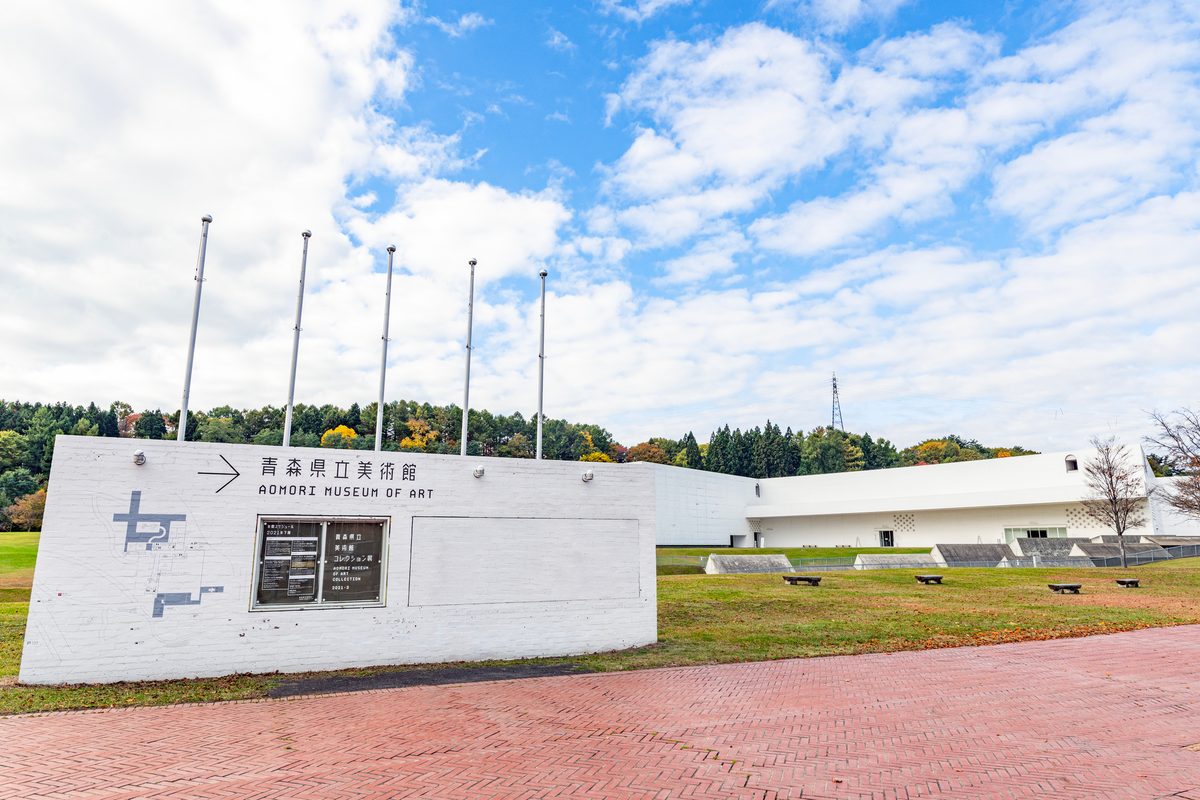
A striking contemporary museum on Aomori Bay designed by Jun Aoki, known for its tall, light-filled atrium and major holdings of Marc Chagall — including stage backdrops for ballet that rank among the largest Chagall works on public display outside Russia. The collection also features works by local artists and rotating exhibitions of modern Japanese art. The building itself, with its white geometric facade, has become a symbol of the city alongside the Nebuta Museum.
Asamushi Onsen
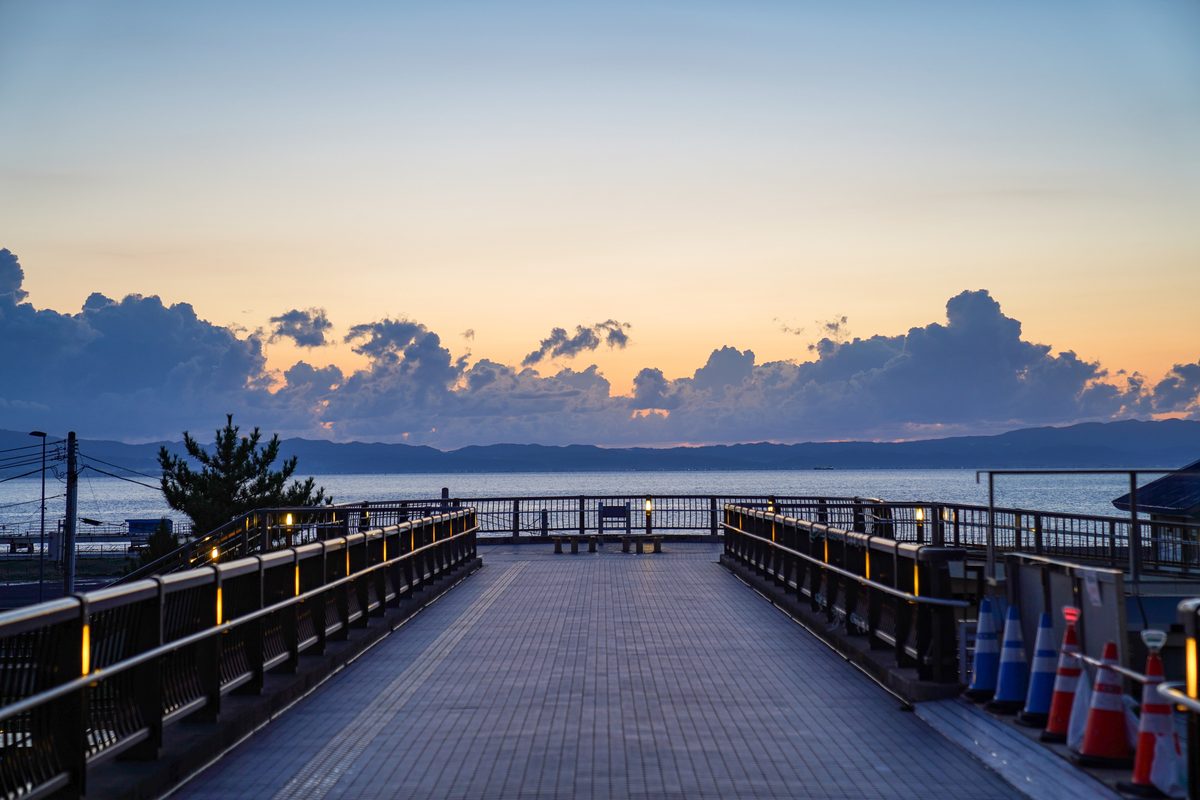
A historic hot-spring village on Mutsu Bay northeast of Aomori City, where ryokan and day-use baths line a quiet coast of pine and tidal flats. The water is mild and said to be gentle on the skin. Small aquarium and walking paths along the shore make it a relaxed half-day escape from the city without heading as far as Shimokita.