
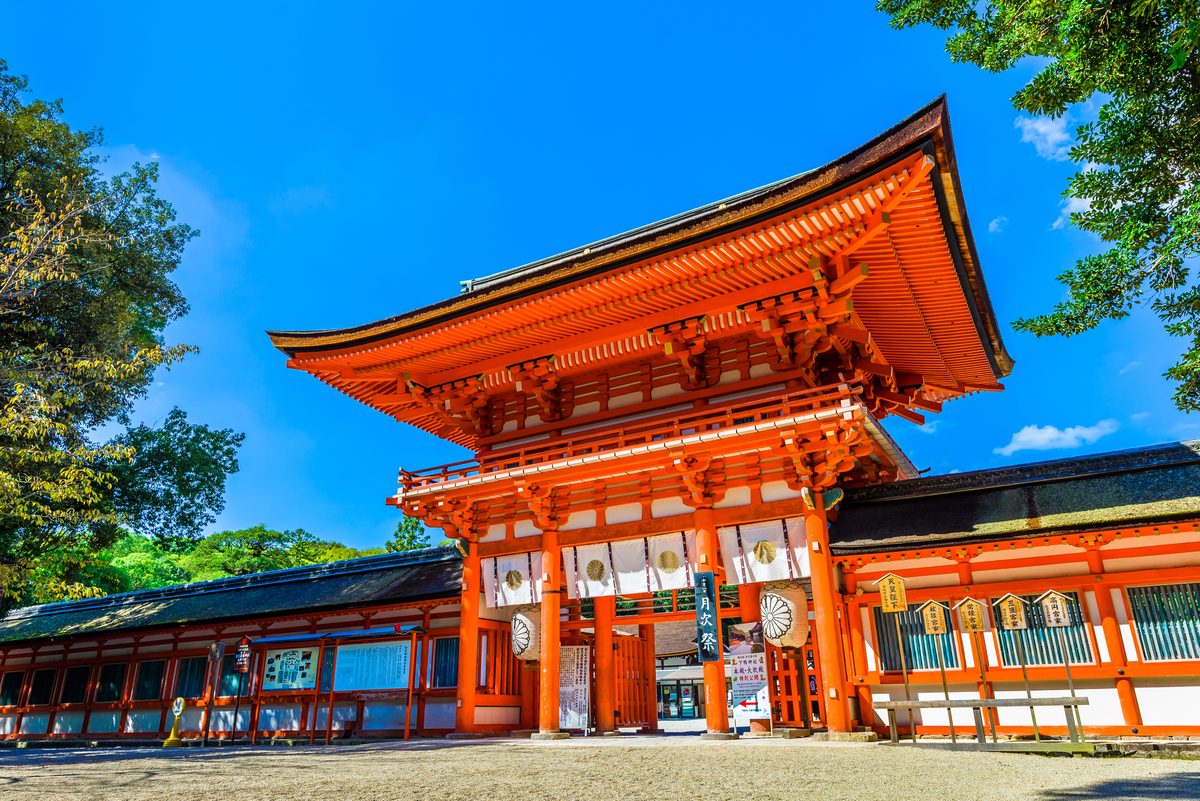
Shimogamo Shrine
One of Kyoto's oldest shrines (UNESCO), approached through the Tadasu no Mori — a primeval forest of 600-year-old trees untouched by the surrounding city. The forest path is far less crowded than the famous Fushimi Inari gates and gives a genuine sense of approaching an ancient sacred space. The shrine hosts the Aoi Festival in May.
45–60 min
Free
6:30–17:00; Tadasu-no-Mori (sacred forest): always accessible
Year-round (May for Aoi Festival)
10 min walk from Demachiyanagi Station (Keihan)
Location
Why Visit
- 1
Tadasu no Mori — a primeval forest of 600-year-old trees inside the city, never logged or developed
- 2
UNESCO World Heritage and one of Japan's oldest active shrines — pre-dating Kyoto as a capital
- 3
The Aoi Festival procession (May) departs from here in full Heian court costume
Local Tips
The sacred forest (Tadasu-no-Mori) approaching the shrine is one of Kyoto's oldest natural environments — the path under the ancient trees is calm and beautiful year-round. The shrine is one of Kyoto's oldest (founded before the capital was established here). The Mitarashi Festival in late July (foot-purification in the spring water) is a gentle and moving ritual.
Add to your AI itinerary
Let AI build a multi-day trip around this spot.
Advertisement
More in Kyoto
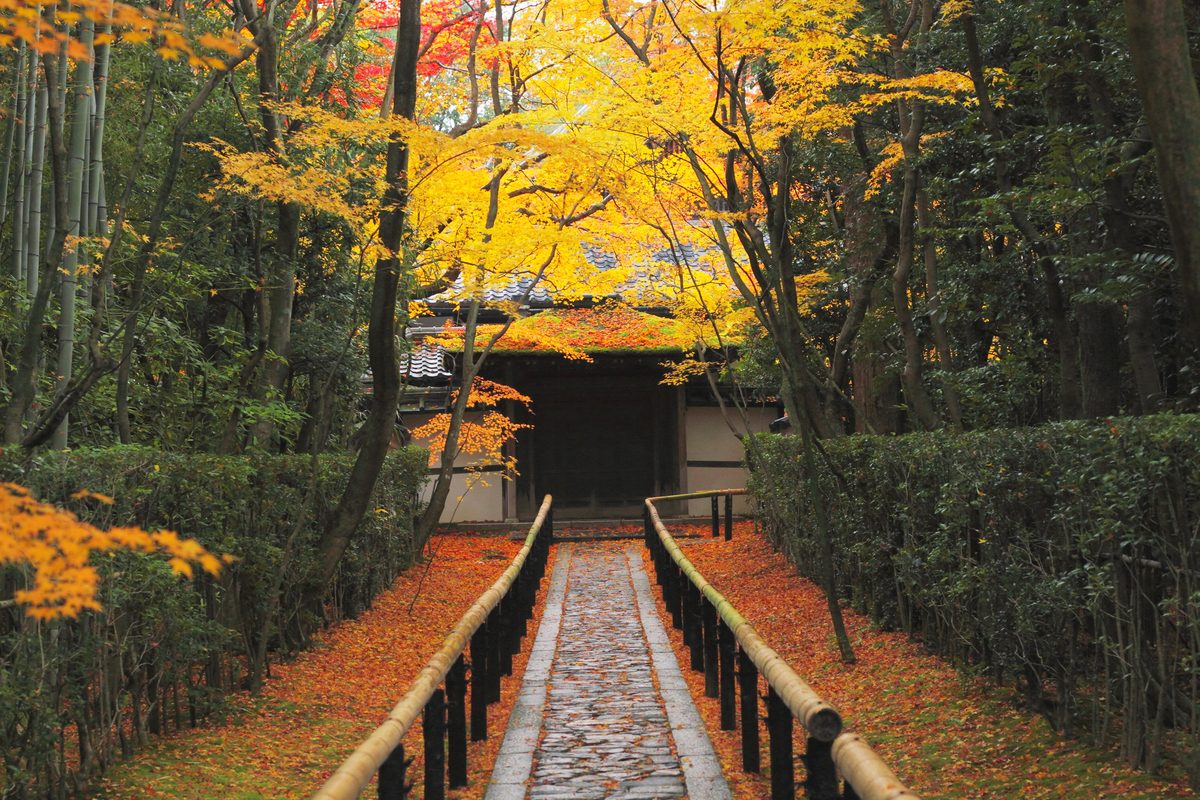
Daitoku-ji Temple Complex
A vast Zen complex of 22 sub-temples in northwestern Kyoto, most of which remain closed to the public. The handful that do open their gates reveal some of Japan's finest dry-landscape (karesansui) gardens — composed of raked gravel, moss, and carefully placed stones that reward slow, quiet contemplation.
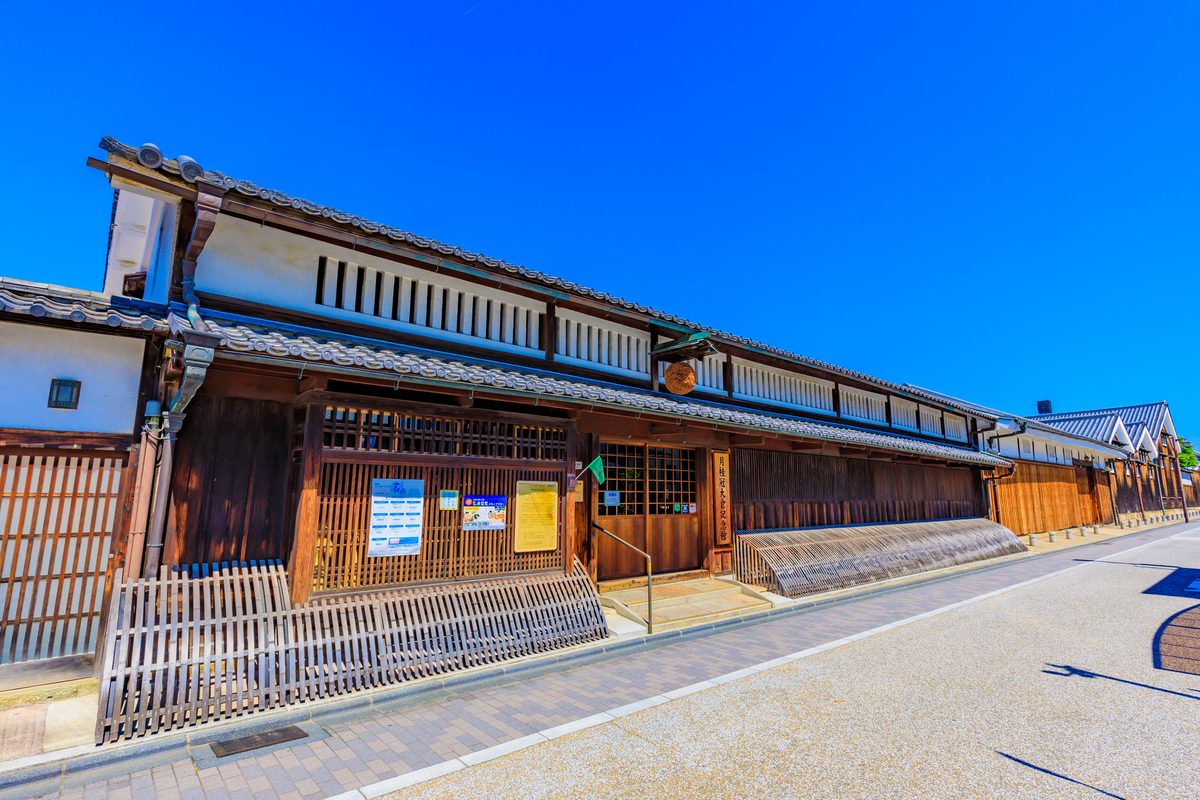
Fushimi Sake District
Southern Kyoto's Fushimi has brewed sake for over 400 years, fed by the exceptionally soft underground water from the Momoyama Hills. While tourists crowd Fushimi Inari's gates to the north, the old sake breweries along the willow-lined Fushimi canal remain remarkably peaceful and locals still visit sakagura for morning sake.
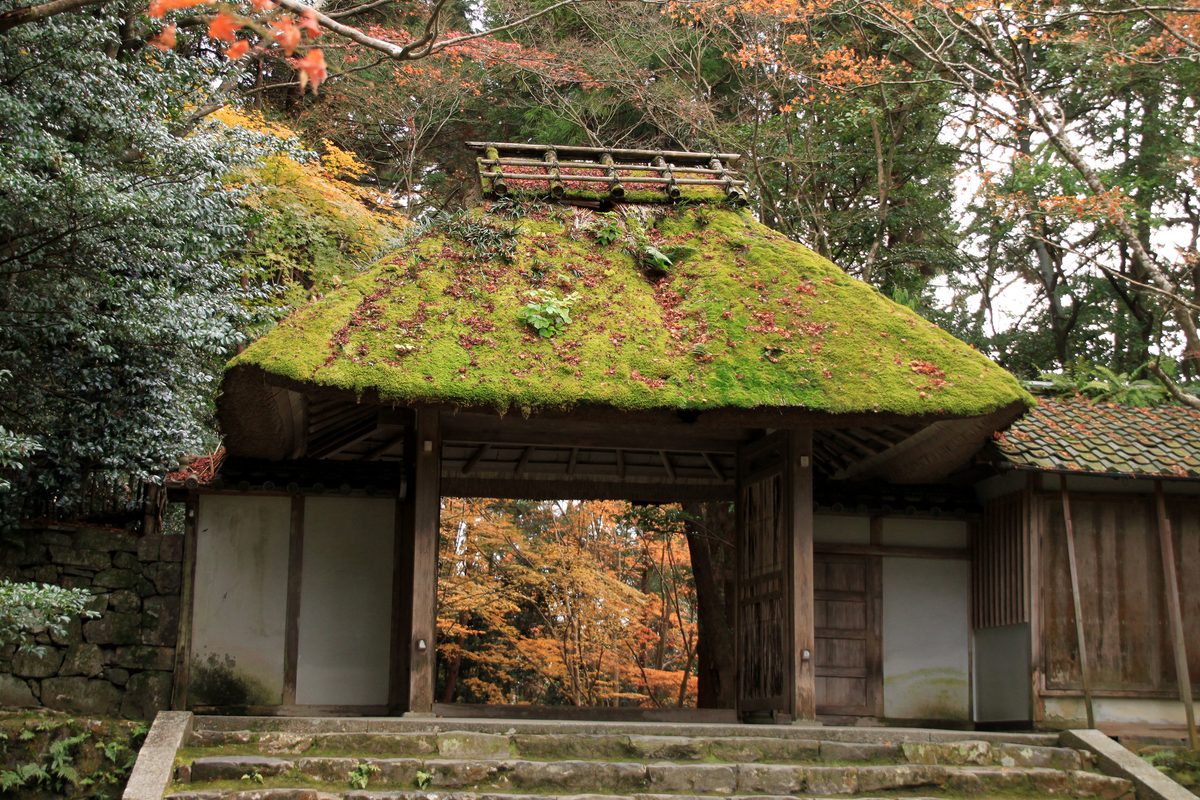
Honen-in
A hidden thatched-gate temple one minute off the Philosopher's Path that almost no tourists find despite its extraordinary beauty. Two sand mounds flanking the gate entrance are raked with seasonal patterns by the monks each week. The moss garden is kept deliberately cool and dark, and the grounds are free to enter.