
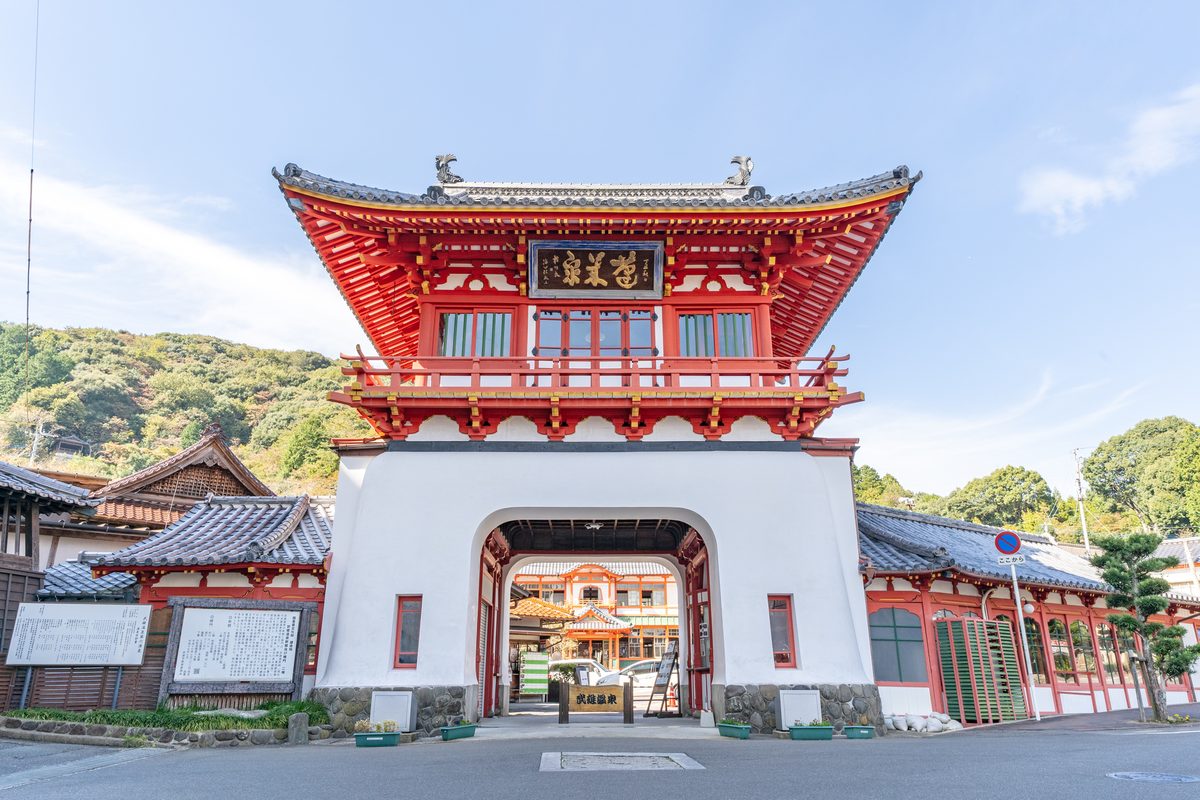
Takeo Onsen
One of Japan's oldest hot spring towns with a 1,300-year history, anchored by a magnificent vermilion gate (romon) that has become the symbol of Saga Prefecture. The spring water is a smooth, skin-softening alkaline type beloved by locals for centuries.
1–2 hours
Public baths from ¥500 (e.g. Genso, Horai; Saginoyu ¥740)
Public baths: Moto-yu 6:30–24:00; Seiryu-yu and Todoroki-yu: 10:00–22:00; tower gate: 6:00–24:00
Year-round; autumn for foliage around the gate
JR Nagasaki Line to Takeo-Onsen Station (from Hakata ~1 hr by limited express)
Location
Why Visit
- 1
The 1914 Meiji-era gate was designed by the same architect as Tokyo Station — spot the similarities
- 2
The oldest public bath, Motoyuukan, has been operating for over 400 years and costs just ¥400
- 3
Combine with a visit to Takeo City Library — a stunning Tsutaya-designed space with 200,000 books and a Starbucks inside
Local Tips
The 1,300-year-old Chinese-style tower gate (楼門) is one of Japan's most architecturally striking onsen entrances. Takeo is also known for its libraries — the famous Takeo City Library (TSUTAYA-operated) has won international design awards and is worth a visit even for non-readers. Combine with Arita Pottery Town (20 min by car) and Imari for a full Saga ceramics and onsen day.
Add to your AI itinerary
Let AI build a multi-day trip around this spot.
Advertisement
More in Saga
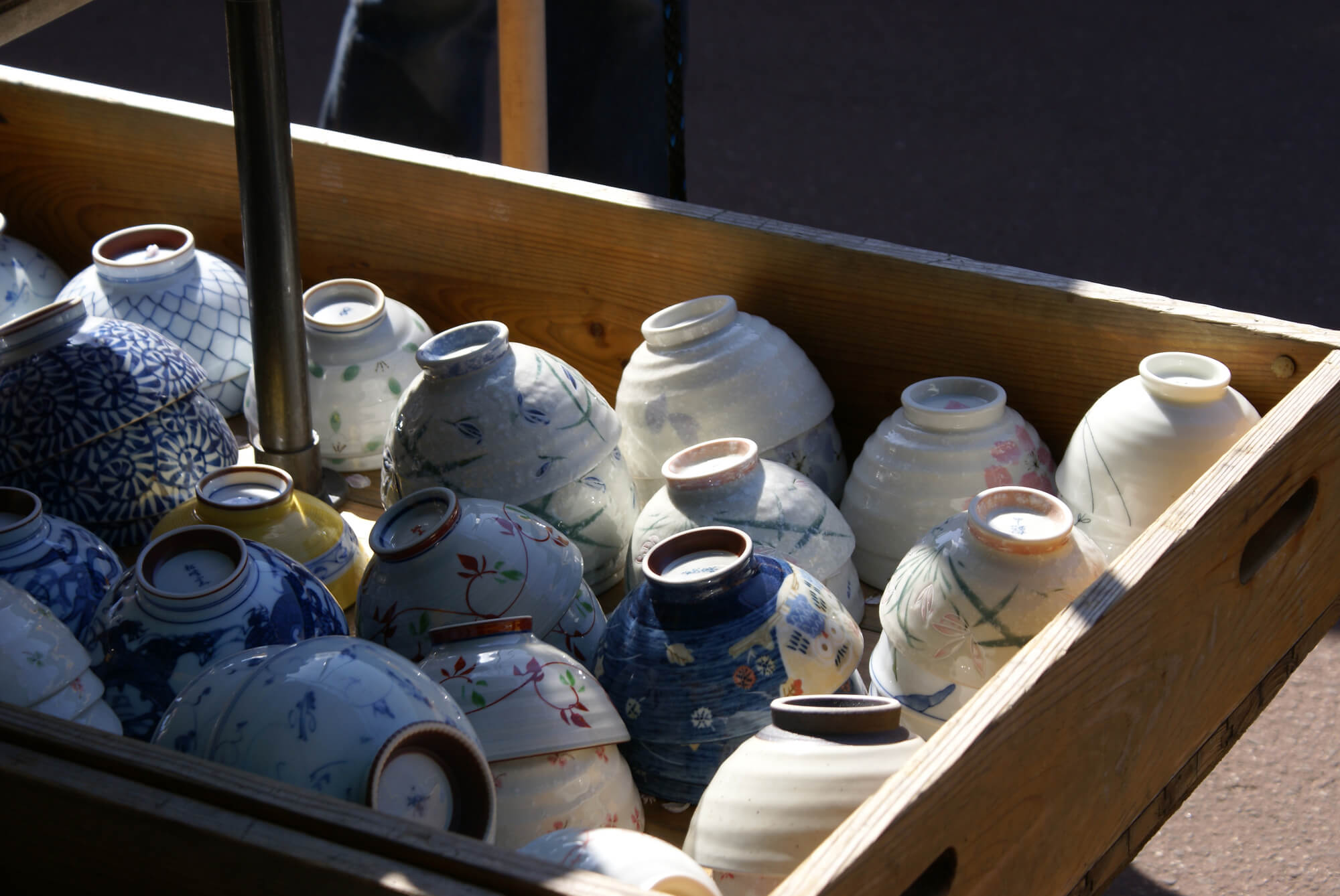
Arita Pottery Town
The birthplace of Japanese porcelain, where ceramic production began in 1616 after kaolin clay was discovered. The main street is lined with kilns, galleries, and manufacturers exporting worldwide.
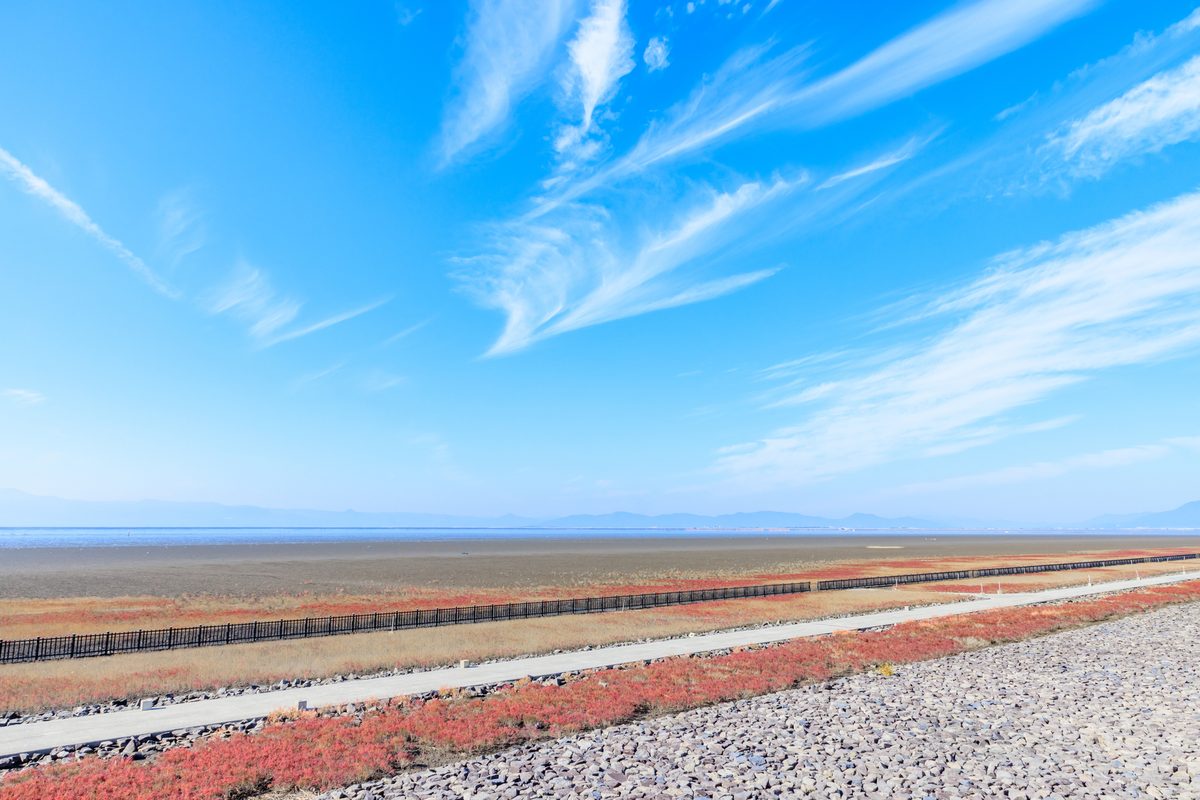
Higashiyoka Tidal Flat
A Ramsar Convention wetland on Ariake Sea — one of Japan's most biodiverse tidal flats, home to 140 species of migratory birds and the spectacle of mudskippers and fiddler crabs at low tide. In autumn, the shichimenso (salicornia) turns the mudflat a vivid red, creating an otherworldly landscape.
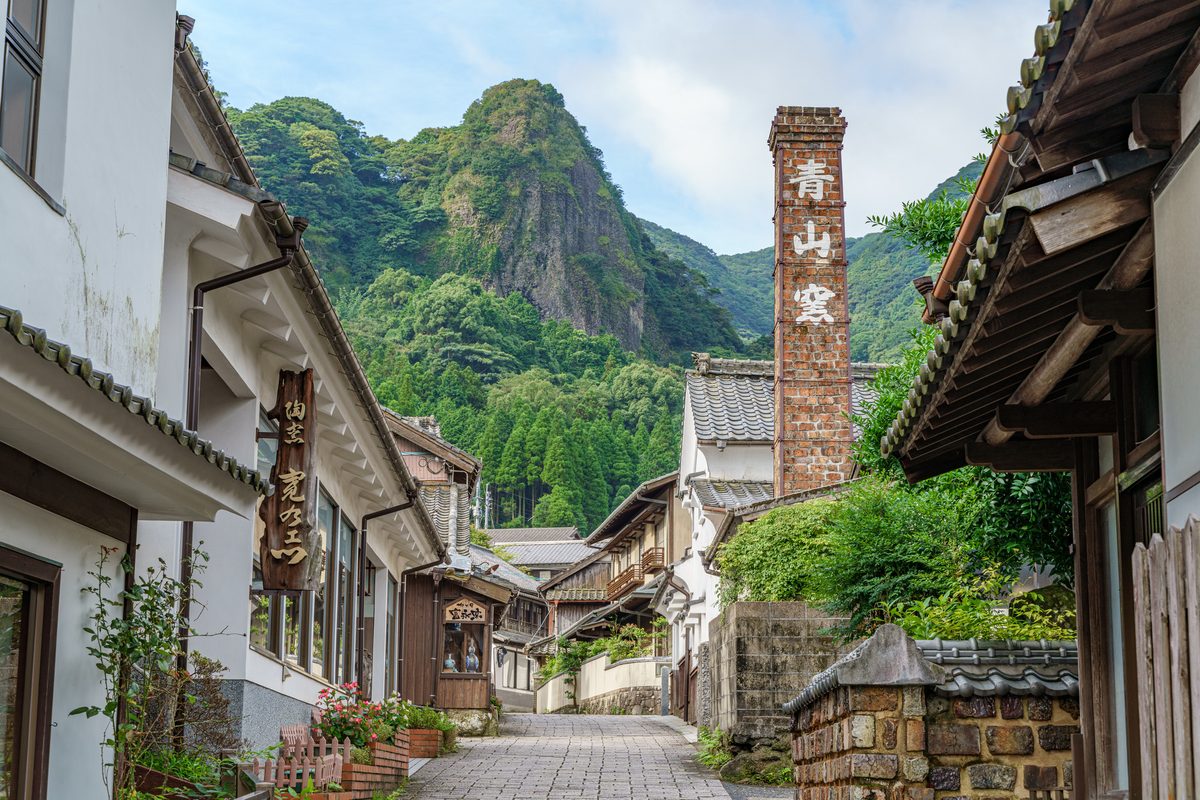
Imari Okawachi-yama Kiln Village
A hidden valley where the Nabeshima clan's secret kilns produced porcelain exclusively for the Edo shogunate and European royalty. Today 30+ kilns still operate in this quiet mountain valley — you can watch master potters at work and buy directly from the kilns that supplied Versailles.