
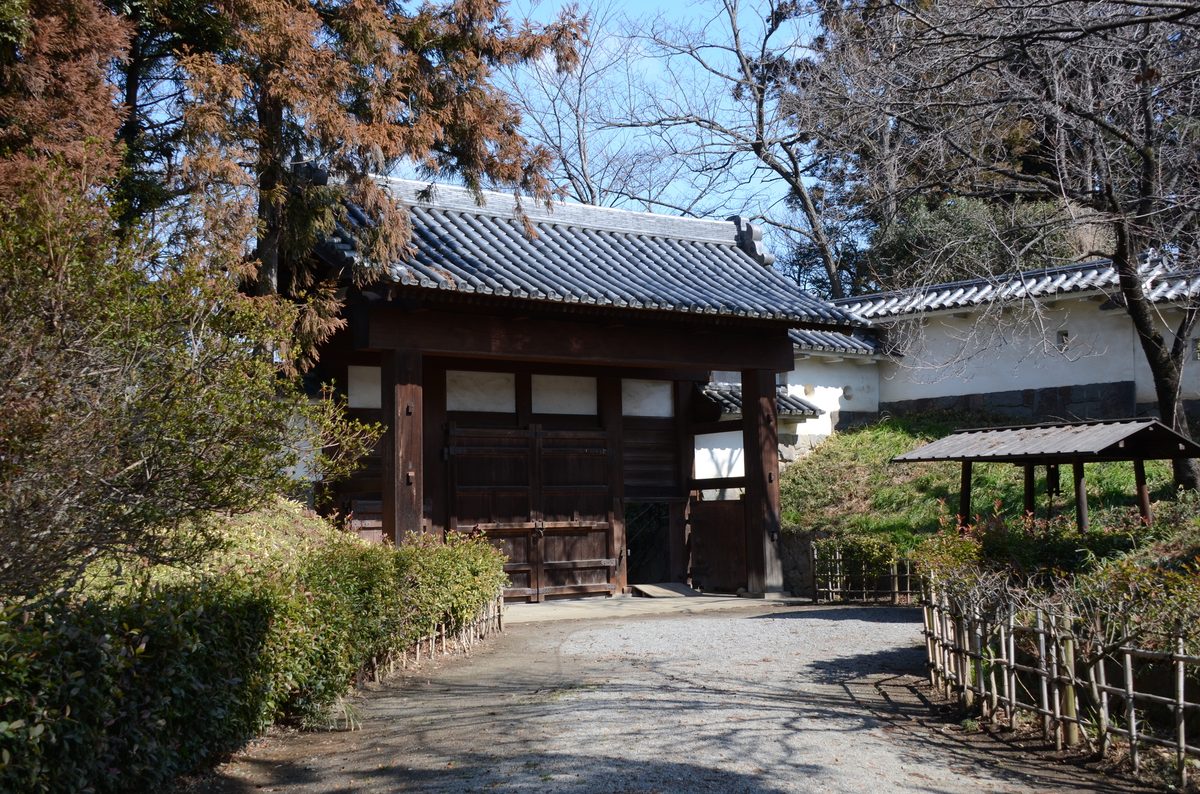
Tatebayashi Castle Park — Azalea Hill
A castle park best known for 10,000 azalea plants (50 varieties) cascading down the old earthwork ramparts in late April — one of Japan's top azalea spectacles. The park also has 1,100 cherry trees and the reconstructed castle tower. In autumn, the earthwork moats fill with reflected maple colour.
1–2 hours
Free
Park: always open; azalea peak: late April–early May; free at all times
Late April (azaleas), late March (cherry)
Tatebayashi Station on Tobu Isesaki Line (60 min from Asakusa)
Location
Why Visit
- 1
10,000 azalea plants in 50 varieties cascade down the old castle earthworks in late April
- 2
1,100 cherry trees in the park — one of the finest sakura displays in the Kanto region
- 3
The earthwork ramparts are the best-preserved in Gunma — no concrete, just original soil banks
Local Tips
Tatebayashi's castle park has 10,000 azalea bushes covering the former castle terraces — one of Japan's finest azalea displays. The cherry blossom season (April) adds a second spectacular flowering. The park is almost entirely unknown to foreign visitors. Combine with a day trip from Nikko or as a stop between Tokyo and Nikko.
Add to your AI itinerary
Let AI build a multi-day trip around this spot.
Advertisement
More in Gunma
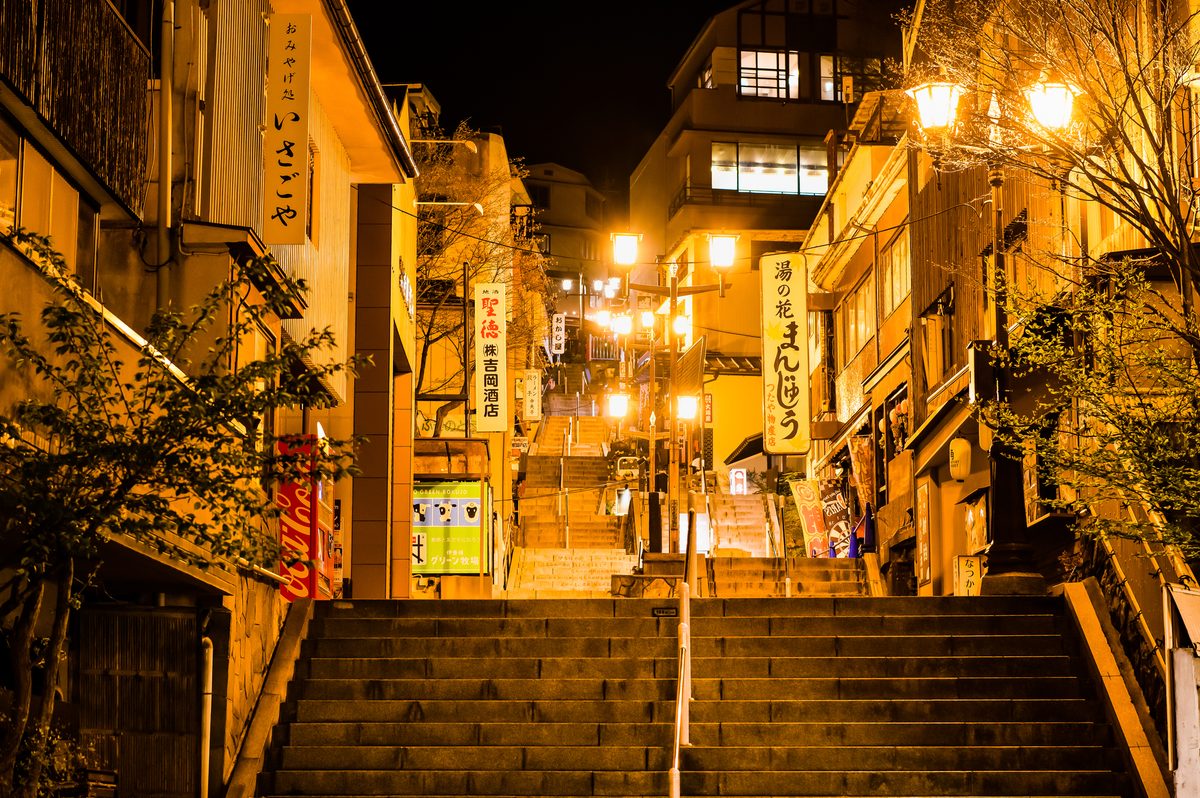
Ikaho Onsen
An ancient resort town built up a single stone staircase of 365 steps — each step flanked by traditional wooden inns, souvenir shops, and bathhouses. The brown iron-rich water (chakki-yu) has been praised since the Manyoshu (8th century) and stains baths and tiles a distinct dark orange. The town was a favourite retreat of writers and artists throughout the Meiji era.
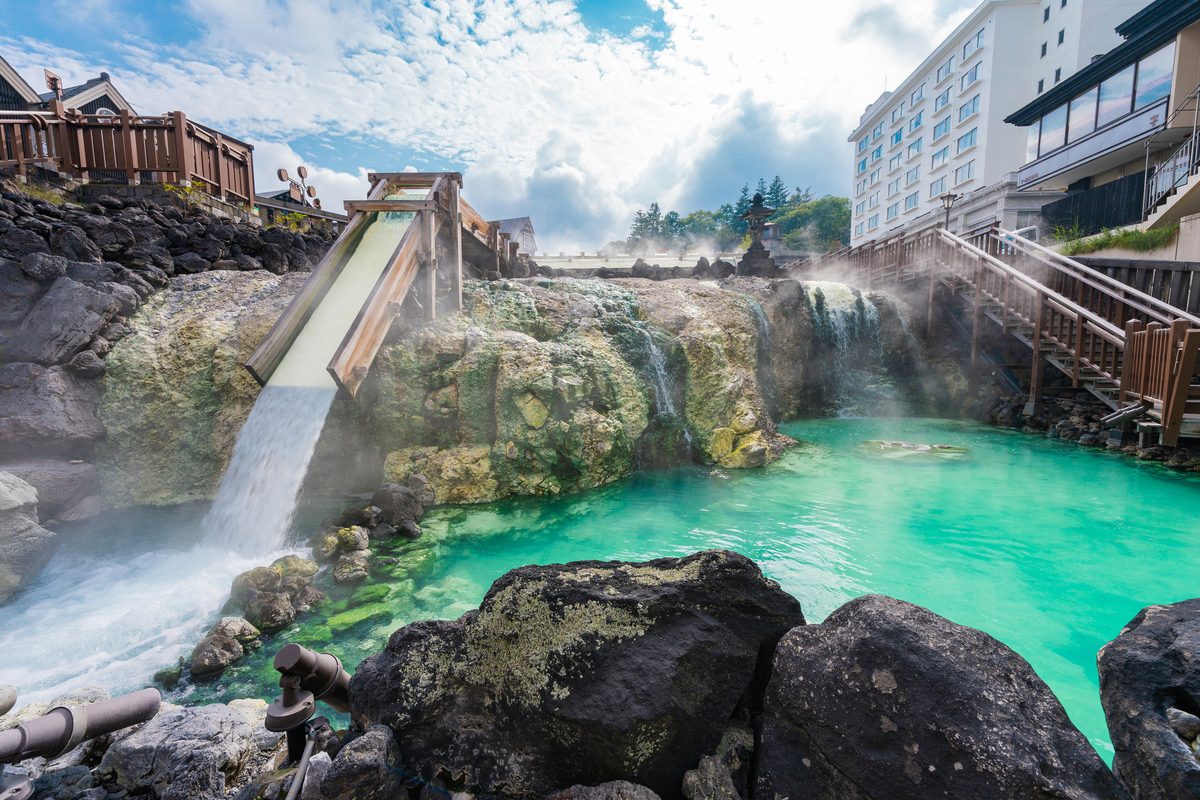
Kusatsu Onsen
Japan's most celebrated hot spring resort — producing over 32,000 litres of acidic sulphurous water per minute from its collective springs, centred on the iconic Yubatake (hot water field). The water is so acidic (pH 2.1) that it kills almost all bacteria, giving rise to the local saying "the only thing Kusatsu water can't cure is a broken heart." The Yubatake at night is extraordinary.
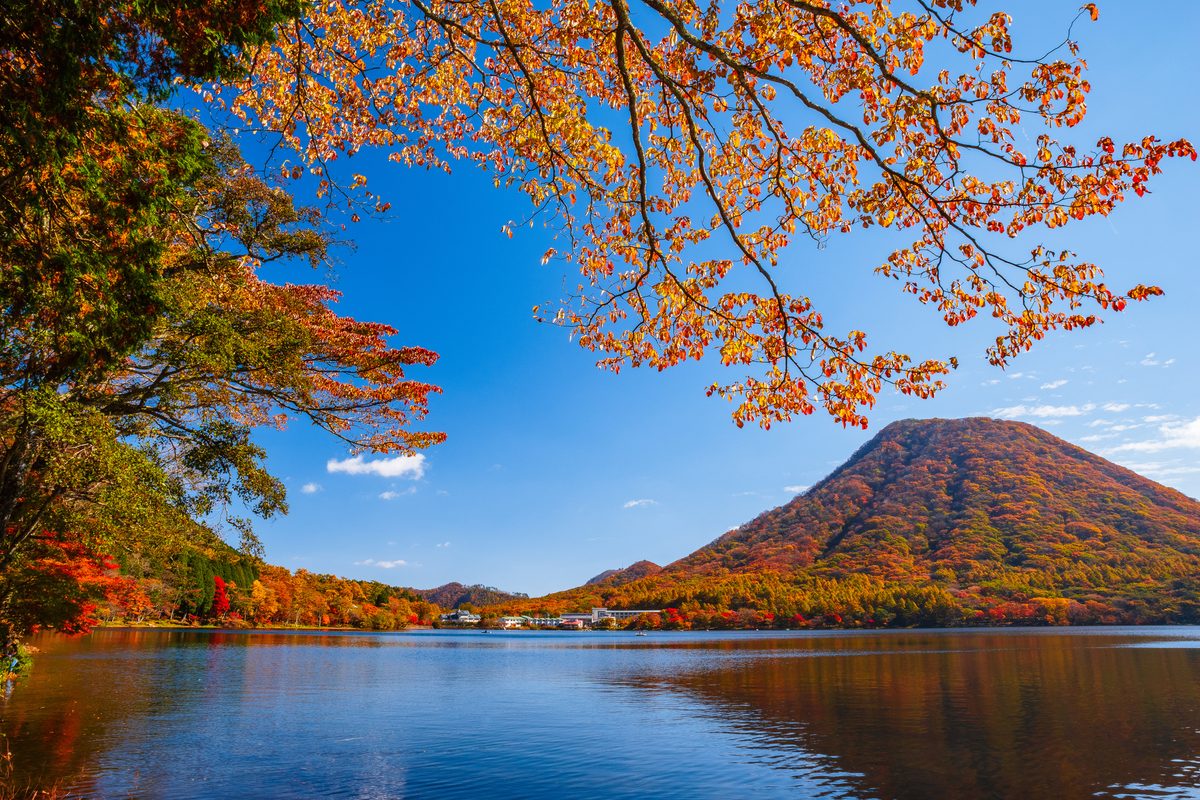
Lake Haruna
A caldera lake at 1,084 metres on the volcano Mt Haruna. The lake is famous for its winter ice fishing (smelt) when the surface freezes solid enough to walk on, its summer wakasagi fishing from boats, and the horse-drawn sleighs that cross the frozen surface in February.