
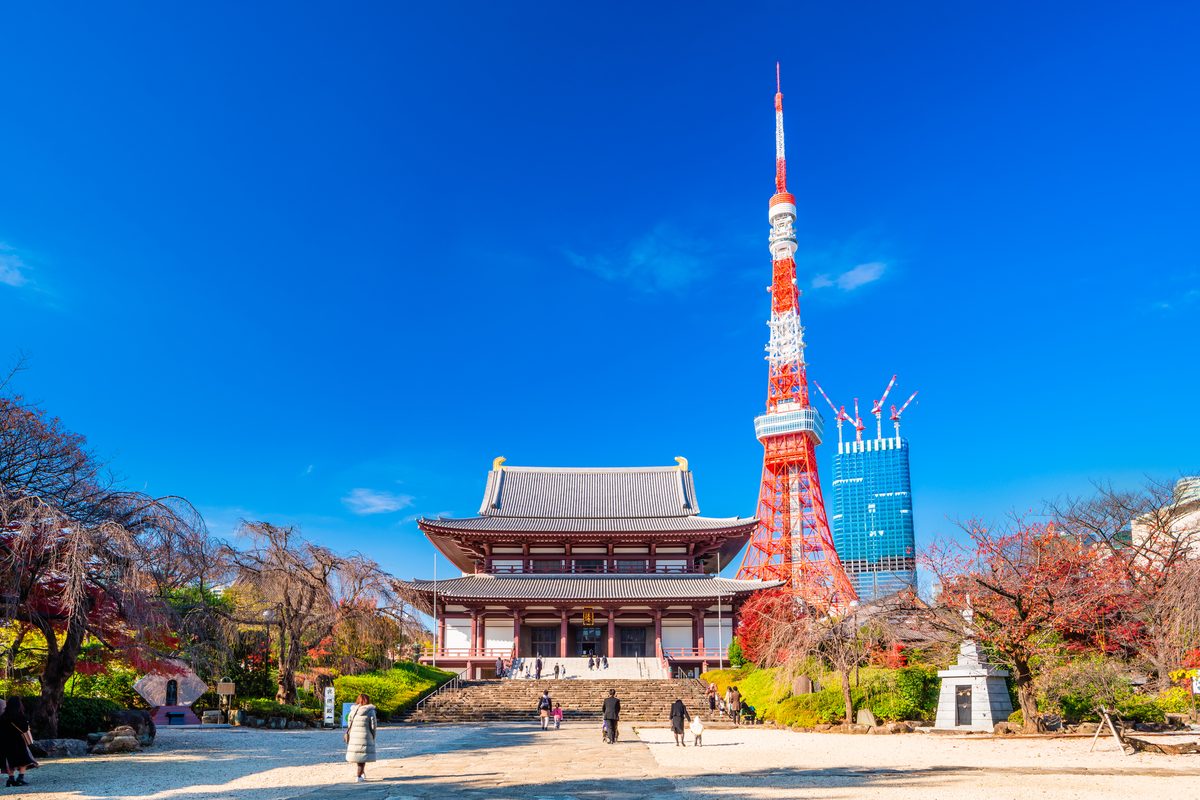
Shiba Park & Zojo-ji Temple
The Tokugawa shogunate's family temple sits directly beneath Tokyo Tower — a juxtaposition of steel modernity and 400-year-old Edo grandeur. Zojo-ji was the mortuary temple for six Tokugawa shoguns, and their mausoleum gates (Sankeiden) are some of the finest surviving Edo-period architecture in Tokyo.
45–60 min
Free
Shrine and park: always accessible; Zojo-ji inner halls: 6:00–17:30
Year-round (cherry blossoms in the park in April)
Shibakoen Station (Mita Line, 2 min)
Location
Why Visit
- 1
Six Tokugawa shoguns are entombed here — their mausoleum gates are National Important Cultural Properties
- 2
The Tokyo Tower view from the main gate is one of the city's iconic compositions
- 3
Over 1,200 Jizo statues in the temple garden — each dressed by a family who lost a child
Local Tips
Zojo-ji is the Tokugawa family mortuary temple — six of the fifteen Tokugawa shoguns are buried here. The Tokyo Tower directly behind the main gate is the most photographed backdrop in Tokyo. The row of small Jizo statues in red bibs (Migawari Jizo) dedicated to lost children is quietly moving. Combine with nearby Roppongi Hills and the National Art Center for a full afternoon.
Add to your AI itinerary
Let AI build a multi-day trip around this spot.
Advertisement
More in Tokyo
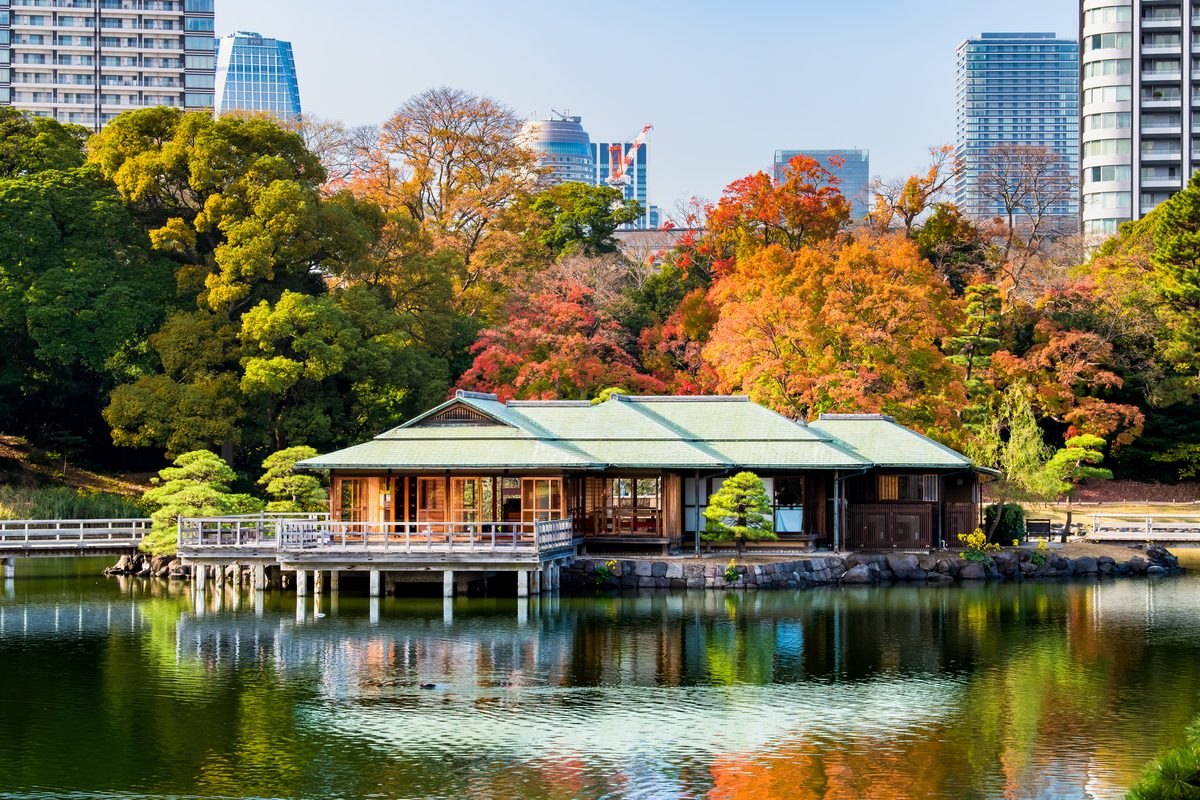
Hamarikyu Gardens
A 300-year-old tidal garden in the middle of Tokyo's skyscraper district — the only garden in the city with saltwater ponds replenished by Tokyo Bay. Originally the shogunate's private duck-hunting grounds, it now offers extraordinary views of Shiodome towers reflected in ancient lotus ponds, with a teahouse on an island reached by wooden bridges.
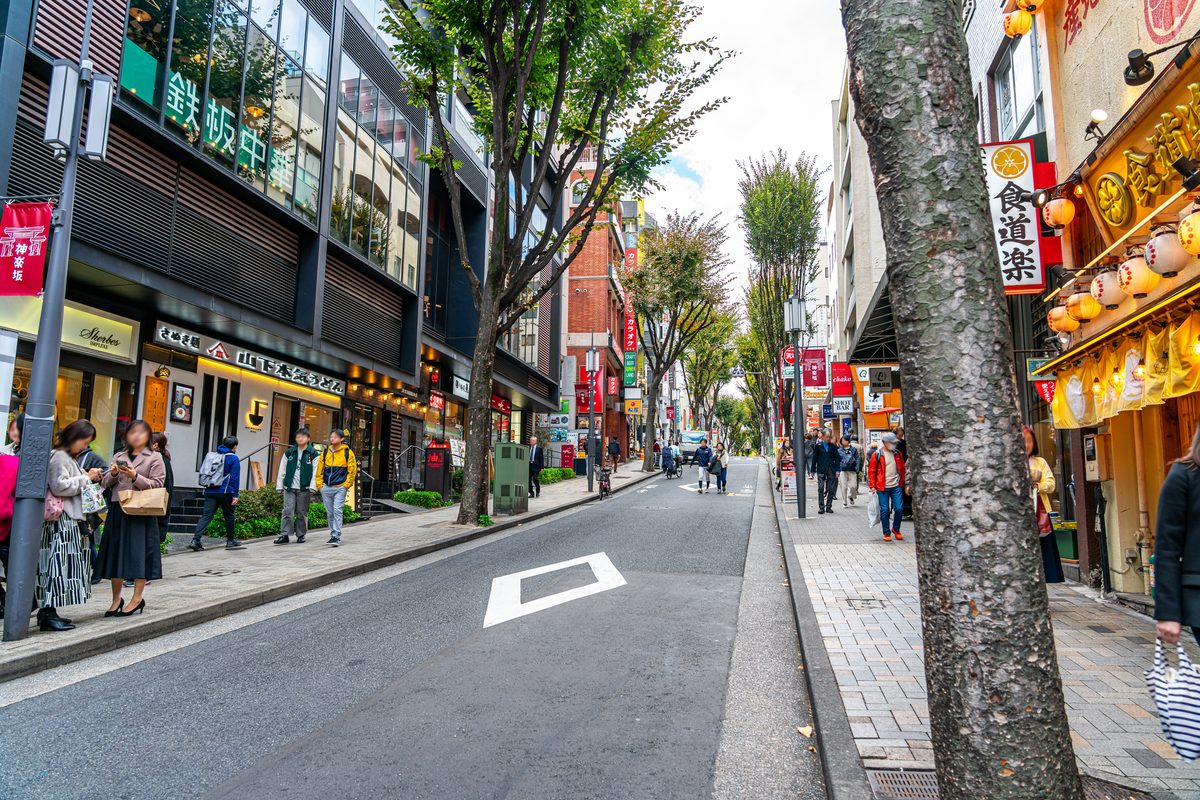
Kagurazaka
Tokyo's most French neighbourhood with the most Japanese soul — a hillside former geisha district where ryotei (high-end kaiseki restaurants) hide behind unmarked wooden gates in cobblestone alleys. French bistros, Italian delis, and a French lycée coexist with ancient shrines and the last functioning geisha houses in central Tokyo.
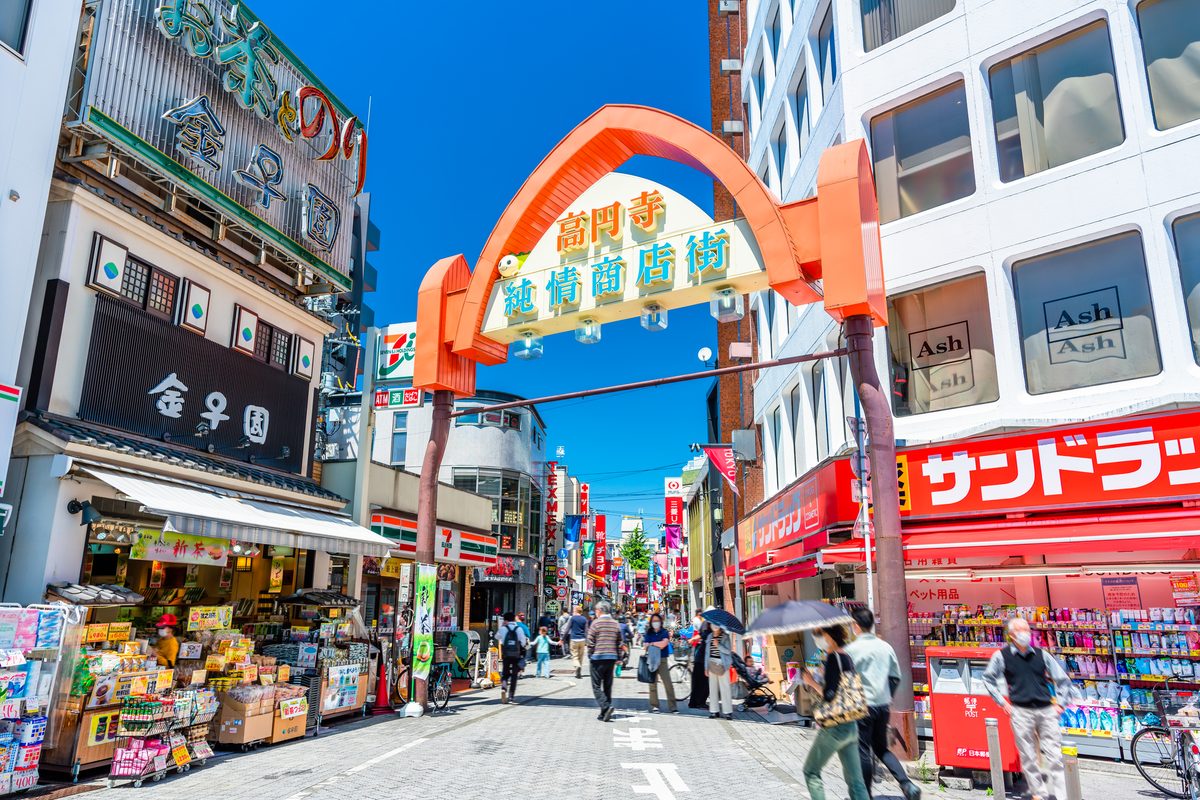
Koenji
An old shopping arcade town that gentrified into Tokyo's most eclectic neighbourhood — vintage shops, curry restaurants, and tiny jazz bars coexist with a 100-year-old covered shotengai. The Awa-Odori festival in late August fills the streets with over 10,000 dancers and a million spectators — the largest summer street festival in Tokyo.