
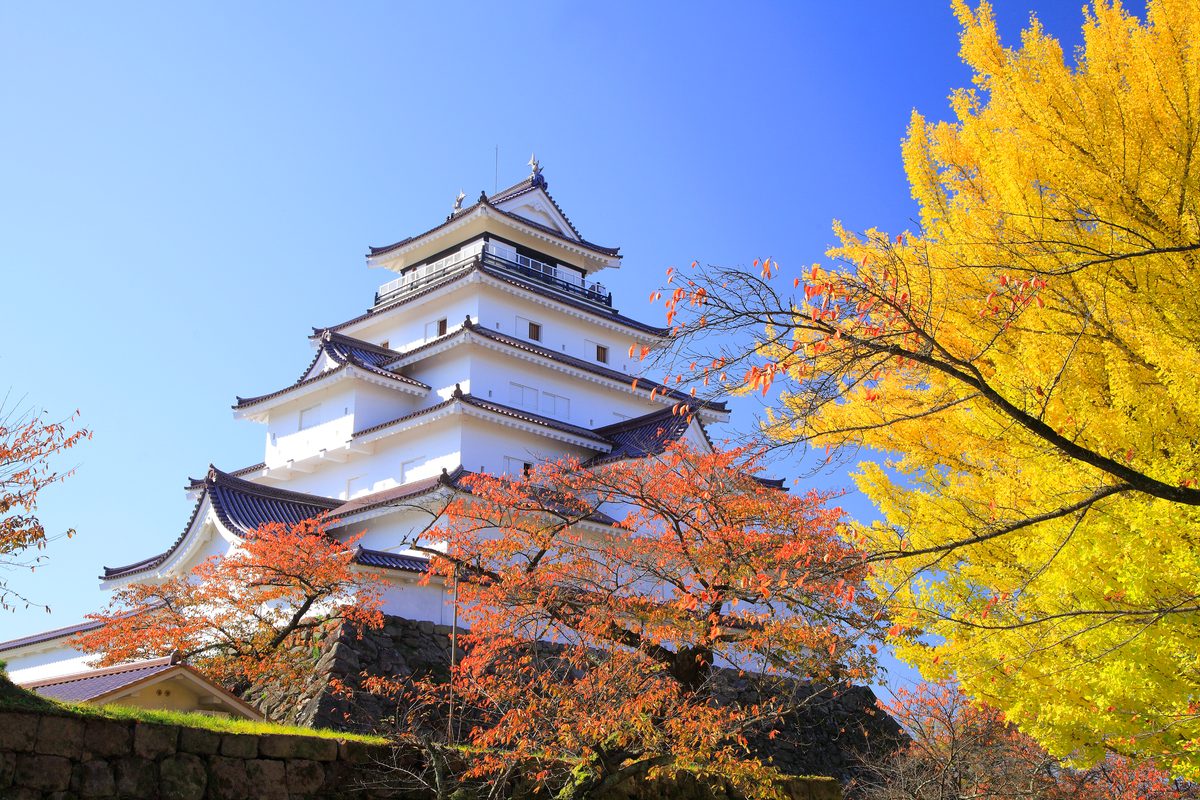
Tsurugajo Castle
Japan's only castle with distinctive red roof tiles, symbol of the Aizu clan's fierce resistance to the Meiji imperial forces in 1868. The castle held out for a month — the story of the Byakkotai teenage samurai who died nearby remains one of Japan's most moving tales.
2 hours
¥410
8:30–17:00 (last entry 16:30)
Late April–May (cherry); October–November (autumn)
Bus from Aizuwakamatsu Station (15 min)
Location
Why Visit
- 1
The red roof tiles use a different clay from all other Japanese castles — the colour is said to represent the Aizu spirit
- 2
The Byakkotai (White Tiger Corps) — teenage samurai who died on a nearby hill believing the castle had fallen
- 3
1,000 cherry trees fill the castle grounds and moat in late April
- 4
Interior museum shows Aizu crafts — lacquerware, sake, washi paper — alongside samurai history
Local Tips
The only castle in Japan with red roof tiles — a Wakamatsu clan tradition that gives Tsurugajo its distinctive appearance. The castle tells the story of the Boshin War siege (1868) when 3,000 Aizu samurai held out for one month — one of Japan's most dramatic last stands. Combine with Aizu Sazaedo (15 min by bus) for a concentrated Aizuwakamatsu history day.
Add to your AI itinerary
Let AI build a multi-day trip around this spot.
Advertisement
More in Fukushima
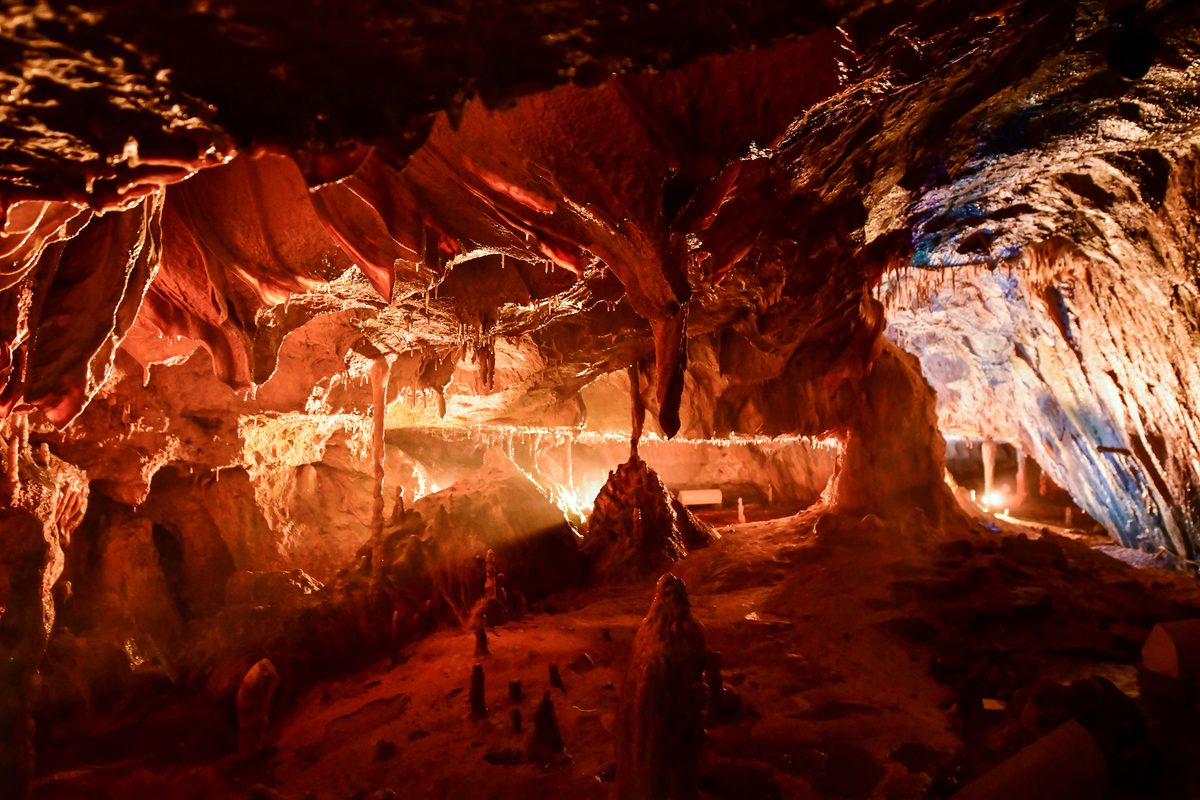
Abukuma Cave
Abukuma Cave is one of the largest limestone caverns in eastern Japan, formed over 80 million years and stretching more than 3 kilometres beneath the hills of central Fukushima. Approximately 600 metres are open to the public along a well-lit standard course, where stalactites, stalagmites, and flowstone formations of extraordinary delicacy fill illuminated chambers. An additional adventure course — requiring a helmet and crawling through narrow passages — takes visitors into sections rarely seen in Japanese show caves. The cave maintains a year-round temperature of around 15°C, making it refreshingly cool in summer and pleasantly mild in winter.
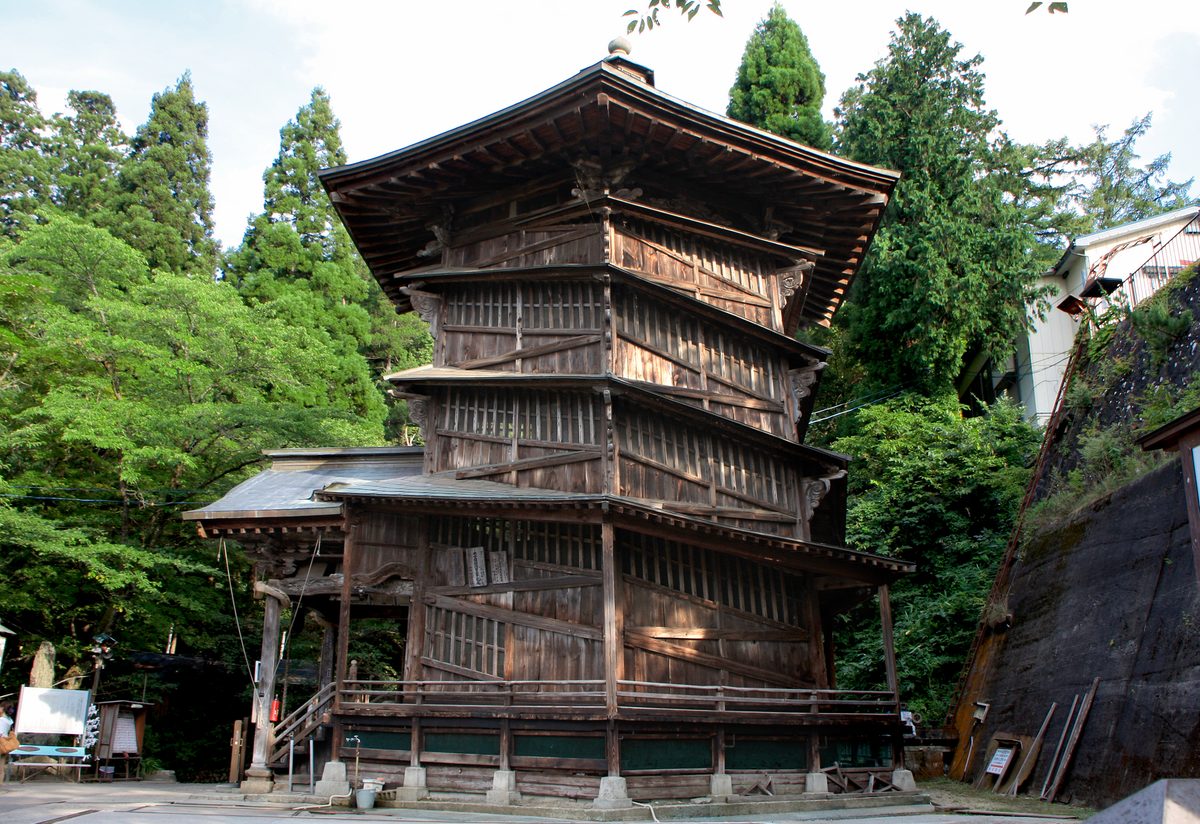
Aizu Sazaedo
A unique double-helix wooden temple built in 1796 whose ascending and descending ramps spiral around a central axis without ever crossing — 33 Kannon statues line the route, allowing a complete pilgrimage without retracing steps.
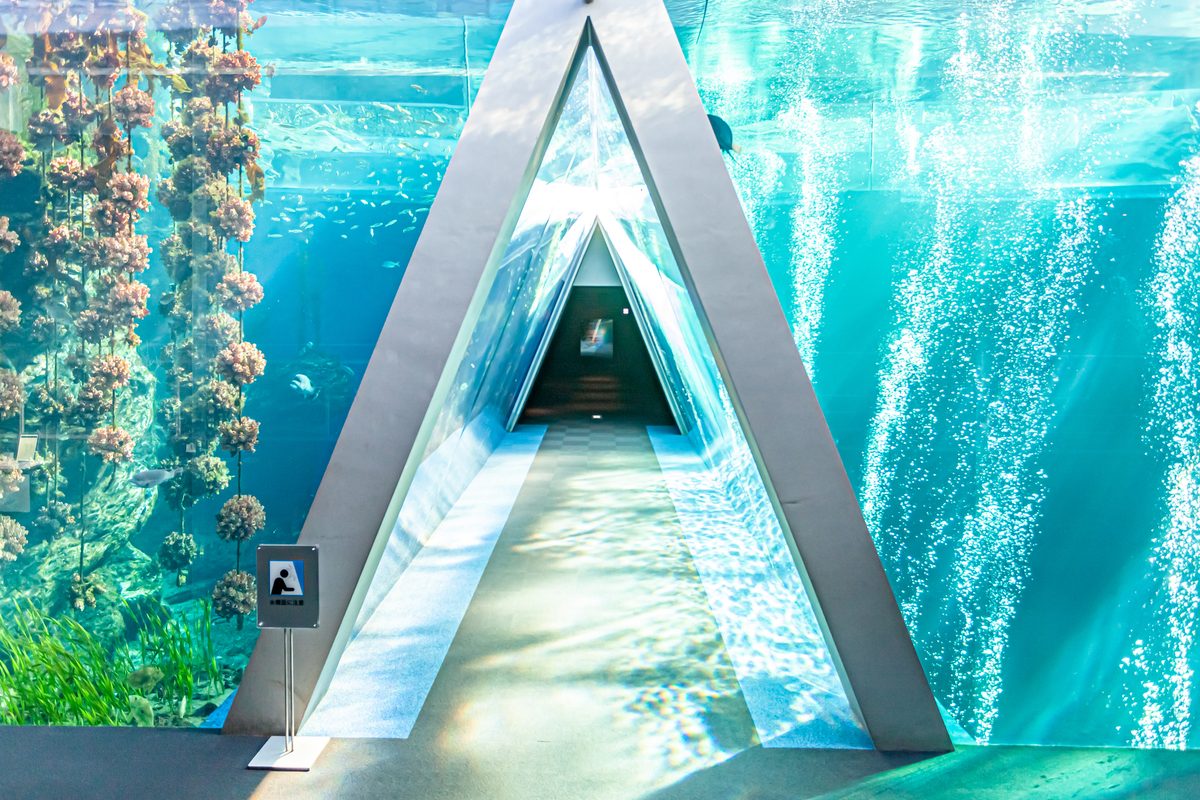
Aquamarine Fukushima
Aquamarine Fukushima is one of Japan's most conceptually distinctive aquariums, built around the theme of the Kuroshio and Oyashio ocean currents that collide off the Fukushima coast, creating one of the world's most biologically rich seas. The centrepiece is a vast tunnel tank through which visitors walk beneath schools of tuna, rays, and sharks. Unlike conventional aquariums, Aquamarine also incorporates rice paddy exhibits, river ecosystems, and a beachside outdoor zone, reflecting the connection between land and sea that defines the Hamadori coast. Hands-on programs include touch pools, fishing experiences, and behind-the-scenes tours, making it one of the most engaging aquariums in Tohoku.