
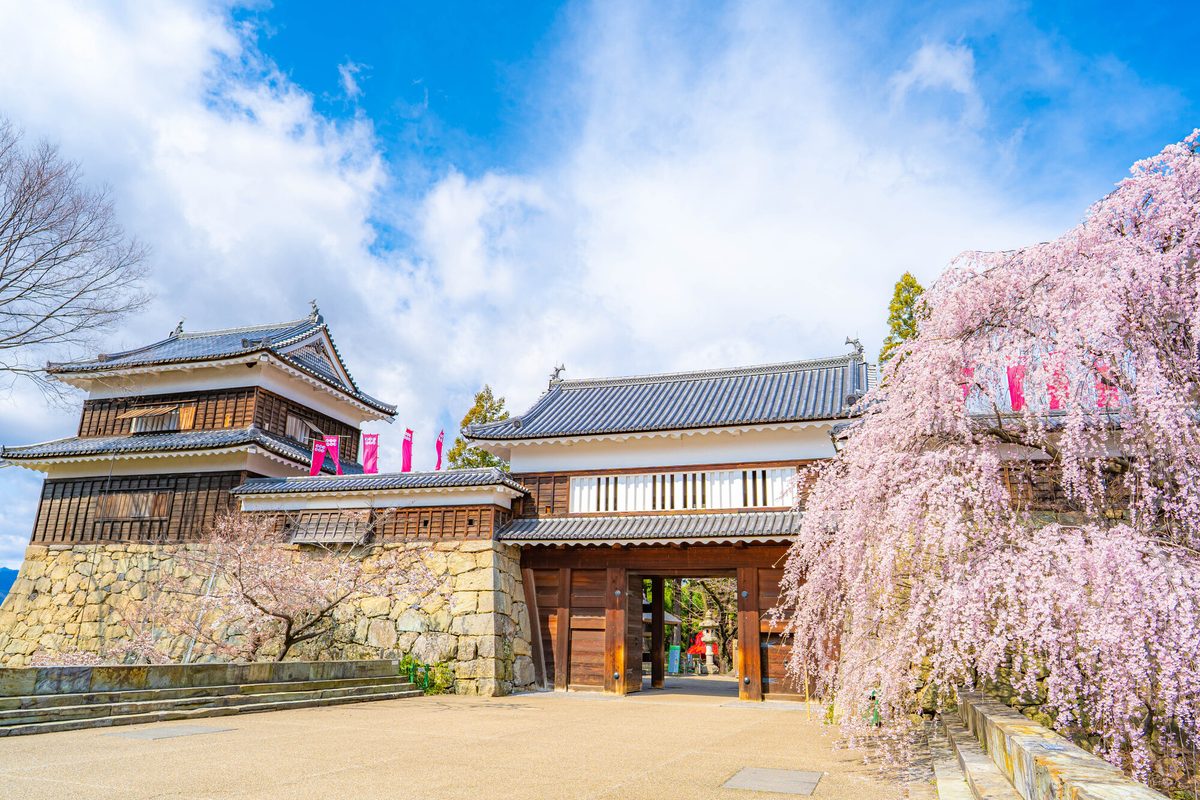
Ueda Castle
A compact castle that twice repelled Tokugawa armies against all odds — the only castle to do so. Sanada Masayuki defended it with 2,000 men against 7,000 Tokugawa troops in 1585, then again in 1600. The Sanada clan's story inspired Japan's most popular samurai drama series and draws history fans nationwide.
1–1.5 hours
Park free; museum & keep set ¥500, or each ¥300
Ruins: always accessible; museum: 9:00–17:00, closed Mon
April (cherry blossoms), Year-round
15 min walk from Ueda Station (Shinkansen)
Location
Why Visit
- 1
The Sanada clan held this castle against a Tokugawa force five times larger in 1585 and again in 1600
- 2
The Sanada story became the basis of NHK's most-watched historical drama Sanada Maru in 2016
- 3
The castle moat is now the town's most beloved cherry blossom spot (700 trees)
Local Tips
Ueda Castle was besieged twice by Tokugawa armies and repelled them both times — the story of Sanada Masayuki and his sons (later subjects of a major 2016 NHK drama) makes the modest ruins feel significant. The cherry blossoms in the castle park are outstanding in late April. The Bessho Onsen (25 min by the charming Ueda Dentetsu line) combines perfectly.
Add to your AI itinerary
Let AI build a multi-day trip around this spot.
Advertisement
More in Nagano
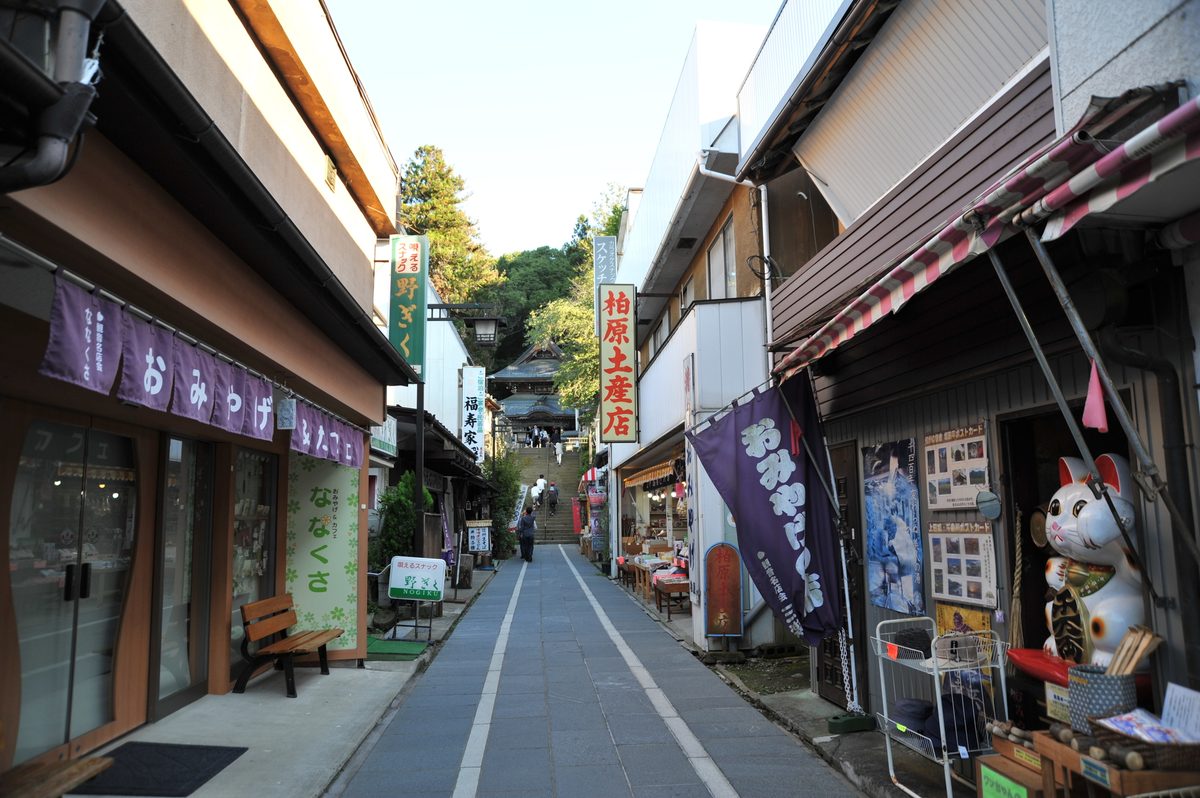
Bessho Onsen
Nagano's oldest hot spring resort and a compact cluster of Kamakura-era temples. Three free public baths dot the streets, and the Kita-Muki Kannon temple dates to 808 CE. The town is called "Little Kyoto of the Shinshu" for its atmospheric lanes and Buddhist heritage.
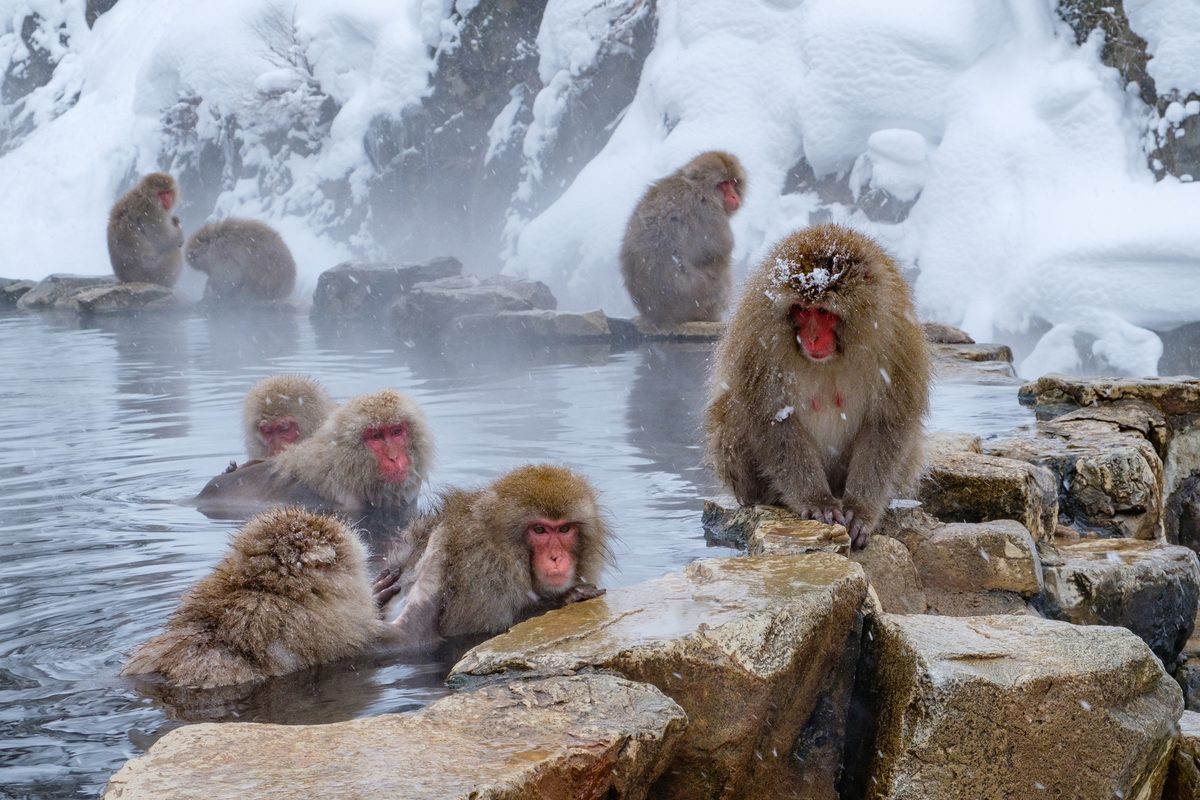
Jigokudani Monkey Park
The only place in the world where wild Japanese macaques (snow monkeys) bathe in a natural outdoor hot spring. The 30-minute forest trail approach through steam vents and deep snow heightens the surreal arrival at the thermal pool where monkeys float, groom, and sleep. Best visited on the coldest mornings when steam is thickest.
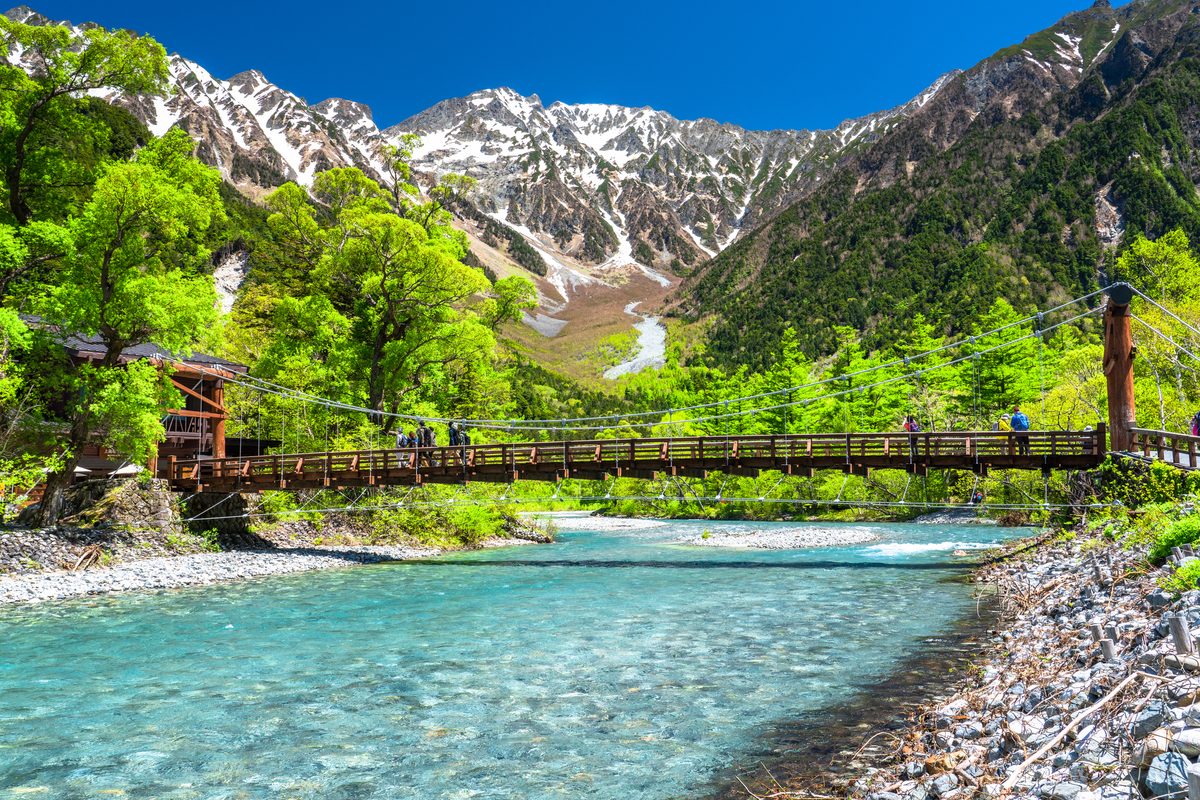
Kamikochi Alpine Valley
A pristine alpine valley at 1,500 metres, accessible only by bus or on foot (private vehicles banned since 1975), with the Azusa River winding through birch and fir forests beneath the jagged Hotaka range. The clear blue-green water of Taisho Pond reflects the volcanic Yake-dake peak. One of Japan's great wilderness walks.