
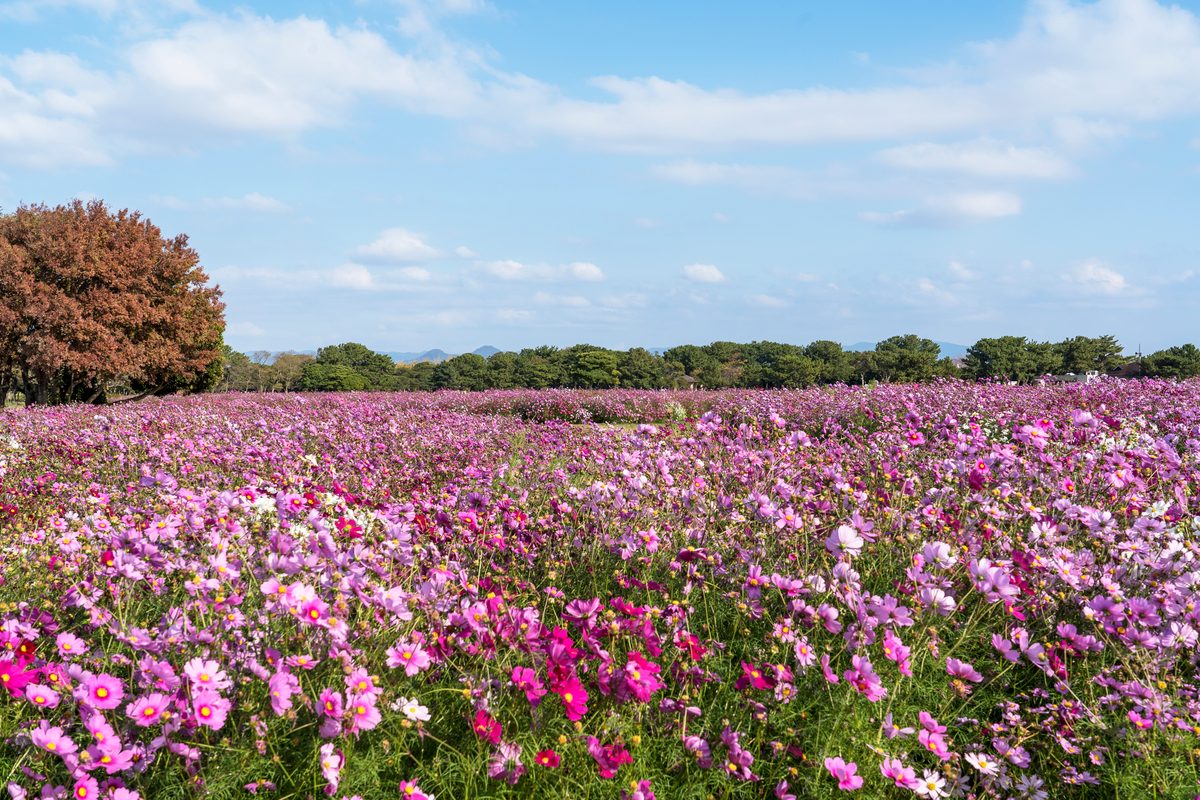
Uminonakamichi Seaside Park
A national seaside park on the narrow peninsula enclosing Hakata Bay. 350 hectares of flower gardens, cycling paths, animal park, and amusement zone — different flower species bloom each month, from tulips and poppies in spring to cosmos and dahlias in autumn. The cycling paths run along the bay with views back toward Fukuoka city.
2–3 hours
¥450 adults
9:30–17:30 (Mar–Oct, last entry 1 hr before close); 9:30–17:00 (Nov–Feb). Closed Tuesdays in many periods (and some other days); check official calendar.
April–May (spring flowers) or October–November (cosmos)
JR Kagoshima Line to Uminonakamichi Station (from Hakata ~30 min)
Location
Why Visit
- 1
Late April–early May: the nemophila (baby blue eyes) field — 530,000 plants creating a blue carpet — is Fukuoka's biggest seasonal event
- 2
Rent a bike at the park entrance for ¥400 — it's the best way to cover the full 350 hectares
- 3
The marine world aquarium within the park has dolphin shows at 11 AM, 1 PM, and 3 PM daily
Local Tips
A long peninsula park connecting Fukuoka city to the sea — the nemophila (baby blue eyes) field in April is outstanding and far less crowded than Hitachi Seaside Park in Ibaraki. The Marinworld Uminonakamichi aquarium is inside the park. Accessible by train from Hakata Station (30 min). The beach on the Pacific side is good for swimming in summer.
Add to your AI itinerary
Let AI build a multi-day trip around this spot.
Advertisement
More in Fukuoka
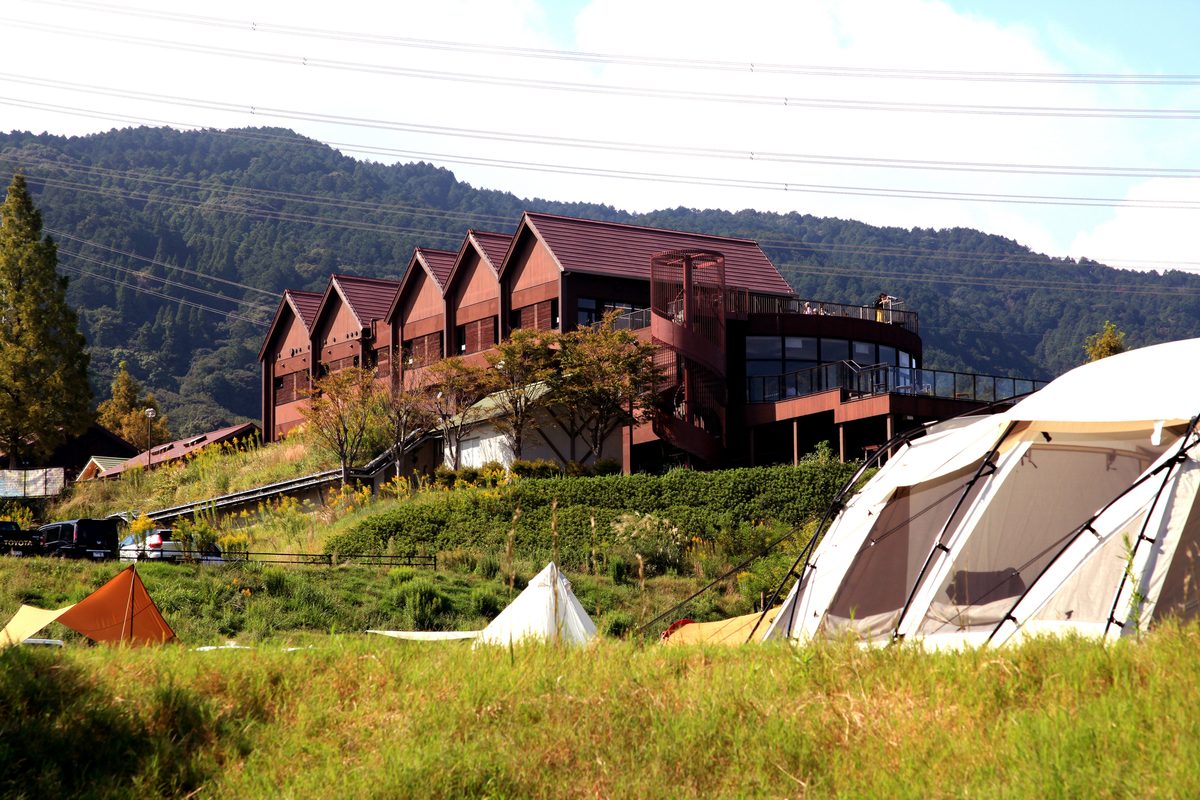
Aburayama Forest Park
Fukuoka's green lung — a forested mountain park just 30 minutes from the city center with mountain biking trails, a kids' forest museum, scenic viewpoints, and glamping facilities. On weekends it attracts Fukuoka's athletic community for trail running and mountain biking; on weekdays it's blissfully quiet.
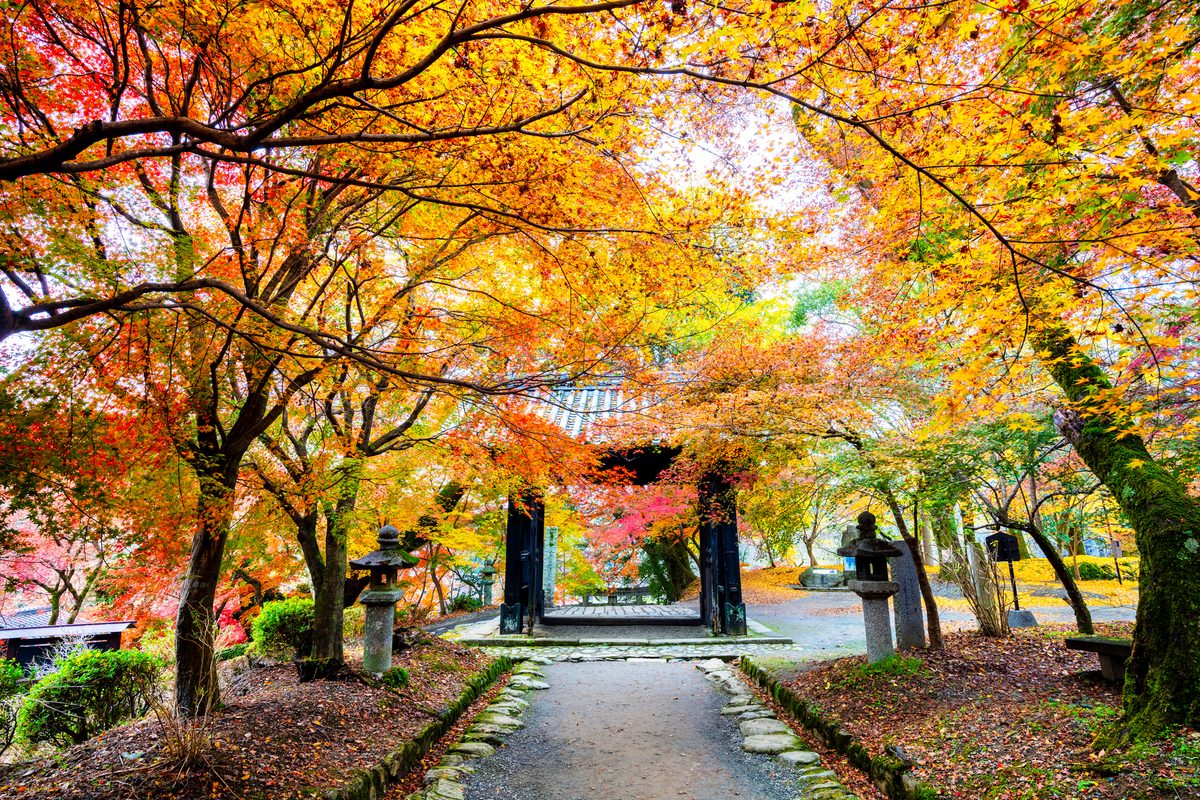
Akizuki Castle Ruins
A serene castle-town deep in the mountains 60km from Fukuoka, preserved by accident of geography — the Kuroda clan seat that never had to modernize. The approach road lined with 200-year-old cherry trees is among Kyushu's most beautiful.
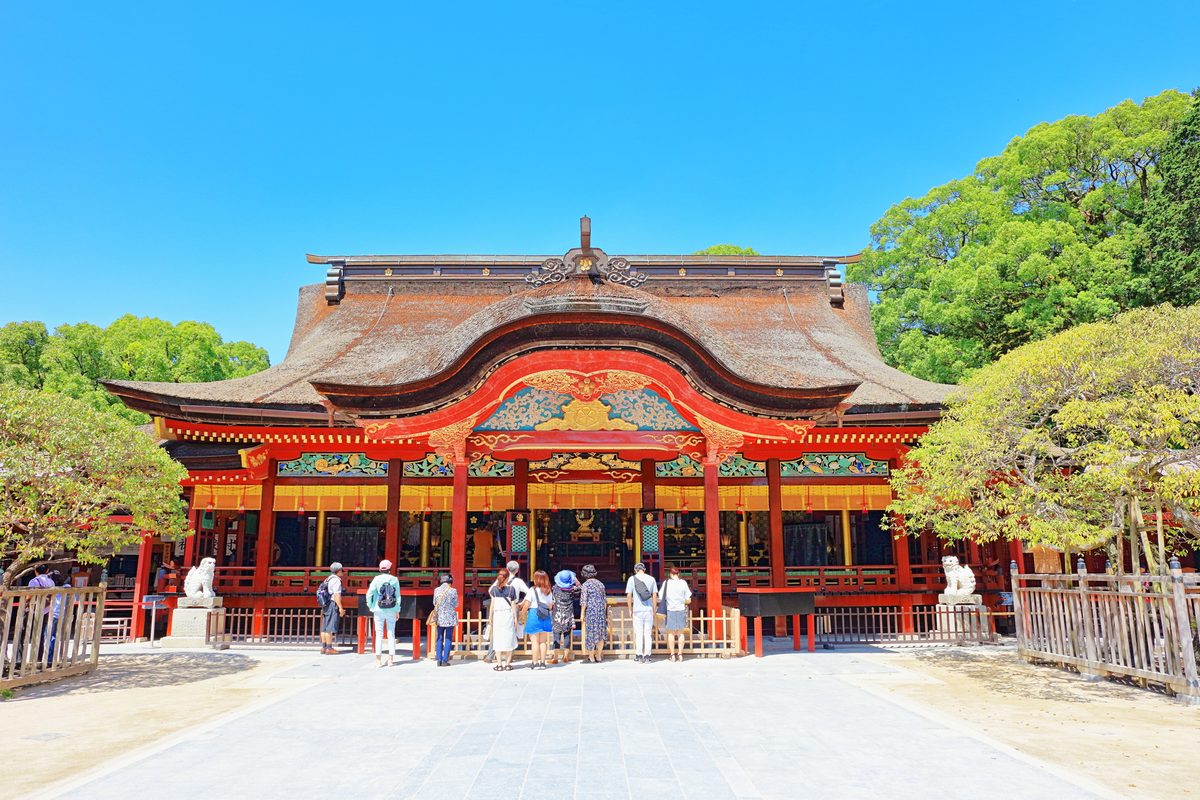
Dazaifu Tenmangu
One of Japan's most important Shinto shrines, dedicated to Sugawara no Michizane, the deity of learning. Surrounded by 6,000 plum trees that burst into bloom each February.