
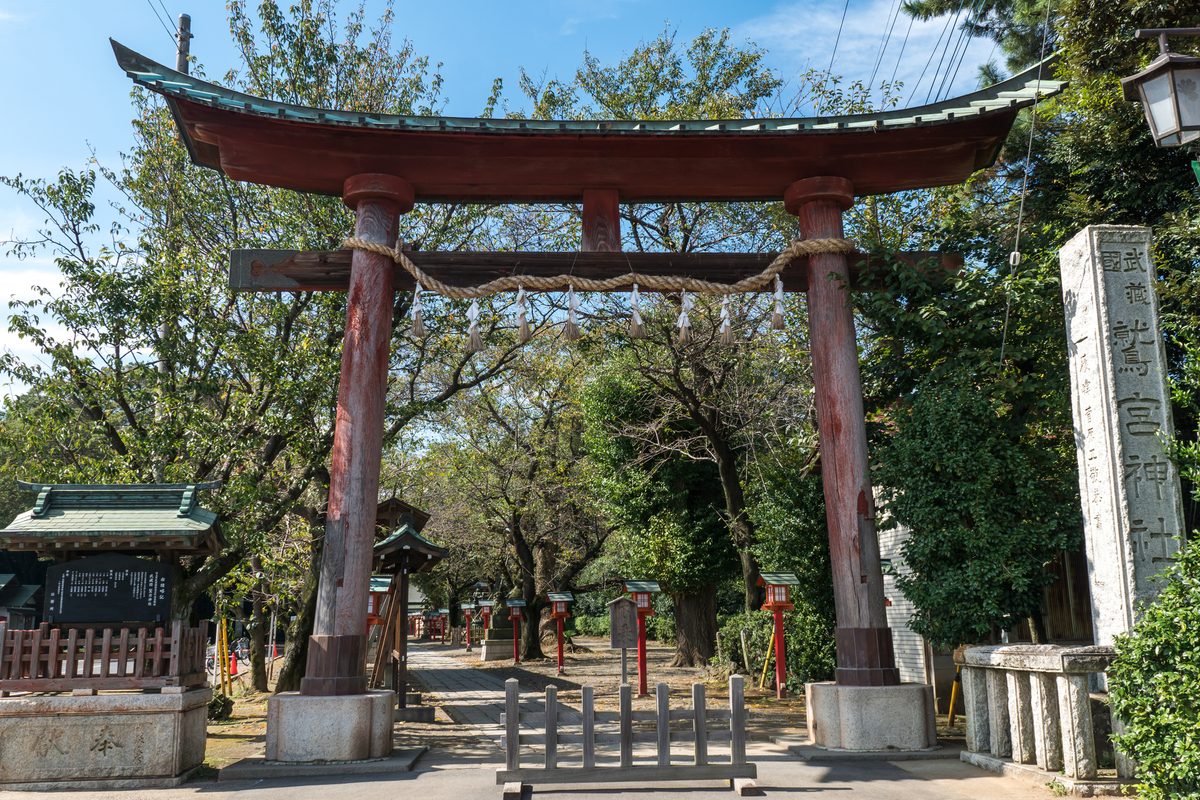
Washinomiya Shrine
One of the Kanto region's oldest and largest shrines — founded over 2,400 years ago and a major power spot for martial arts and archery. The shrine became famous internationally as the setting for the anime "Lucky Star," drawing anime pilgrims from around the world who found a genuinely ancient sacred site waiting for them.
30–60 min
Free
Open 24 hours; office 9:00–17:00
Year-round (January for New Year)
Washinomiya Station on Tobu Isesaki Line (40 min from Asakusa)
Location
Why Visit
- 1
2,400-year-old shrine with a forest of giant cedar trees — one of the oldest in Kanto
- 2
New Year visits draw 500,000 people — "Lucky Star" anime fans now mix with traditional pilgrims
- 3
The Kamo Festival in September re-enacts Heian court ceremonies with processions in ancient costume
Local Tips
One of the Kanto region's oldest shrines, this became a pilgrimage site for anime fans after featuring in Lucky Star. Visit at New Year (Hatsumode) for one of Saitama's largest gatherings. The approach avenue of cedars is serene in the early morning mist.
Add to your AI itinerary
Let AI build a multi-day trip around this spot.
Advertisement
More in Saitama
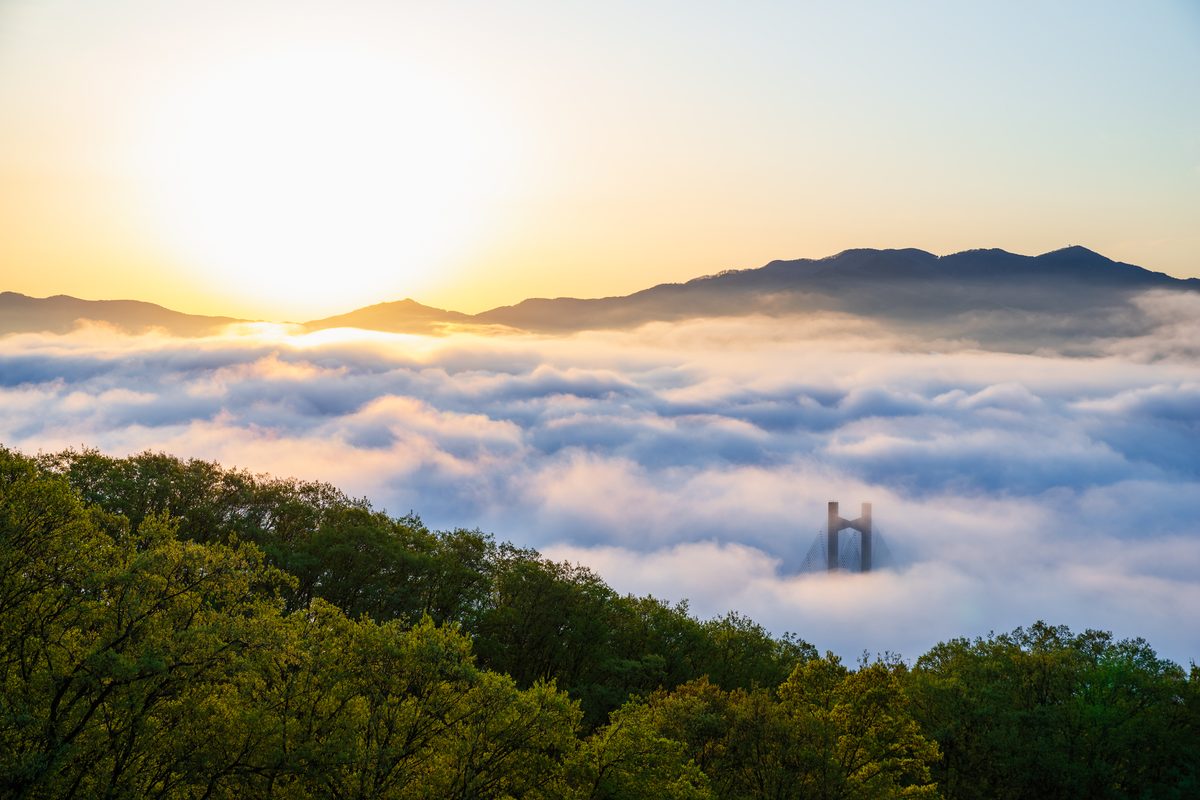
Chichibu — Mountain Town & Shrine
A mountain basin town set among the Oku-Chichibu ranges, home to one of Japan's three great night festivals — the Chichibu Yomatsuri (December 3) where six ornate floats and two mikoshi parade through freezing winter streets with fireworks overhead. The Chichibu Shrine (2,100 years old) is a National Important Cultural Property.
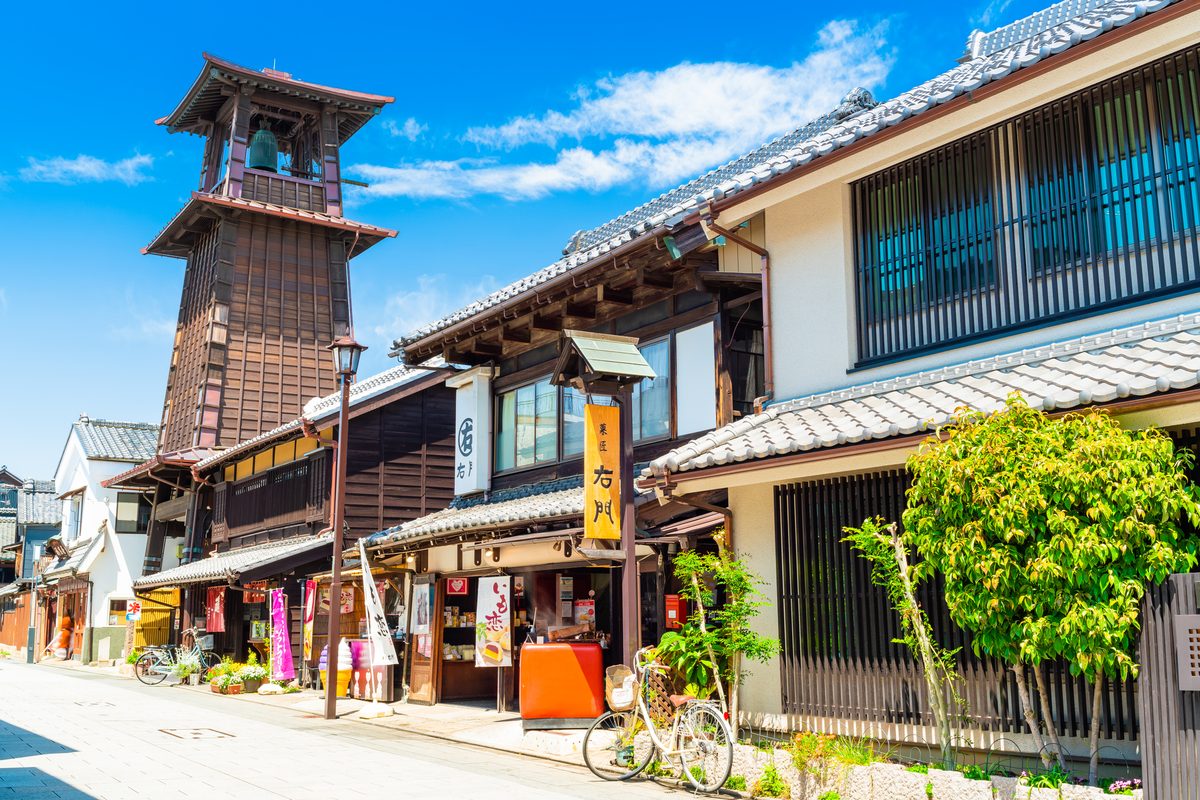
Kawagoe — Little Edo
A well-preserved Edo-period merchant town 30km from Tokyo — nicknamed Koedo (Little Edo) for its kura-zukuri (black plastered storehouse) main street and the only surviving Toki no Kane (Time Bell Tower) in the Kanto region. Confectionery Street (Kashiya Yokocho) has sold traditional dagashi (cheap sweets) since the Meiji era.
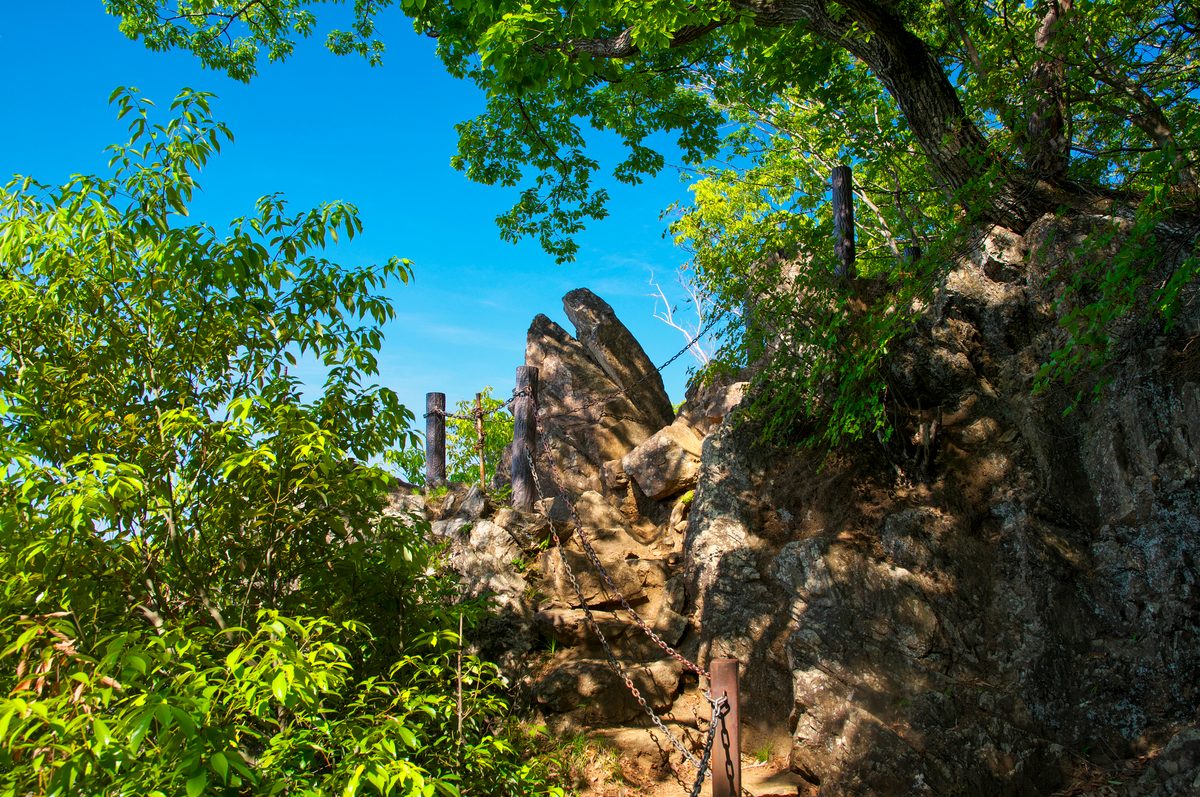
Mt Tenran — Hanno
A gentle 305-metre mountain above the Iruma River valley — one of the most approachable peaks for Tokyo day-trippers, with a clear trail to the summit in 40 minutes. Emperor Hirohito walked this mountain in 1931, giving it the name "Tenran" (Emperor's View). The summit offers Chichibu mountain panoramas and city views simultaneously.