
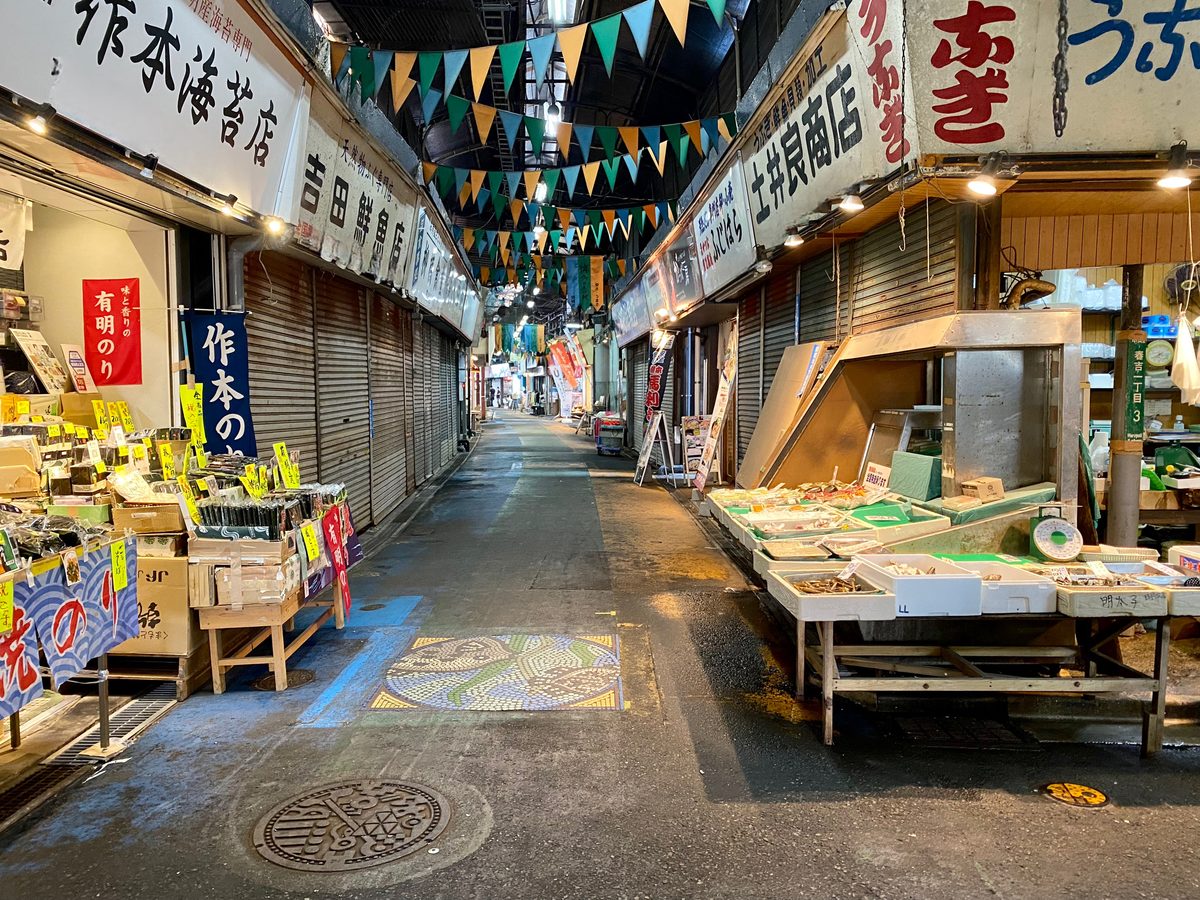
Yanagibashi Rengo Market
Hakata's "kitchen" — a covered market of 35 specialist shops that has supplied the city's restaurants and home cooks since 1910. Fishmongers, vegetable sellers, tofu makers, pickle shops, and ready-to-eat food stalls pack the narrow aisles. The morning energy is extraordinary: chefs negotiating with fishmongers over the overnight Genkai Sea catch.
45 min
Free entry; food from ¥200
Mon–Sat approx. 8:00–18:00 (many shops close by 15:00); most stalls closed Sun and holidays. Visit early morning for best atmosphere.
Year-round; mornings (7–11 AM) are essential
Watanabe-dori subway station, about 3–5 min walk
Location
Why Visit
- 1
Arrive before 9 AM when the fish and vegetable selection is at its peak — many stalls sell out by noon
- 2
The mentaiko (spicy pollock roe) shops here have the best quality in Fukuoka — ask which one the chefs buy from
- 3
The prepared food stalls in the back make excellent onigiri and tamagoyaki for a market breakfast from ¥200
Local Tips
This is Fukuoka's wholesale kitchen — chefs shop here before dawn. Visit early morning for the busiest atmosphere and freshest seafood. Ask vendors to slice fish for immediate eating; several stalls have eat-in counters.
Add to your AI itinerary
Let AI build a multi-day trip around this spot.
Advertisement
More in Fukuoka
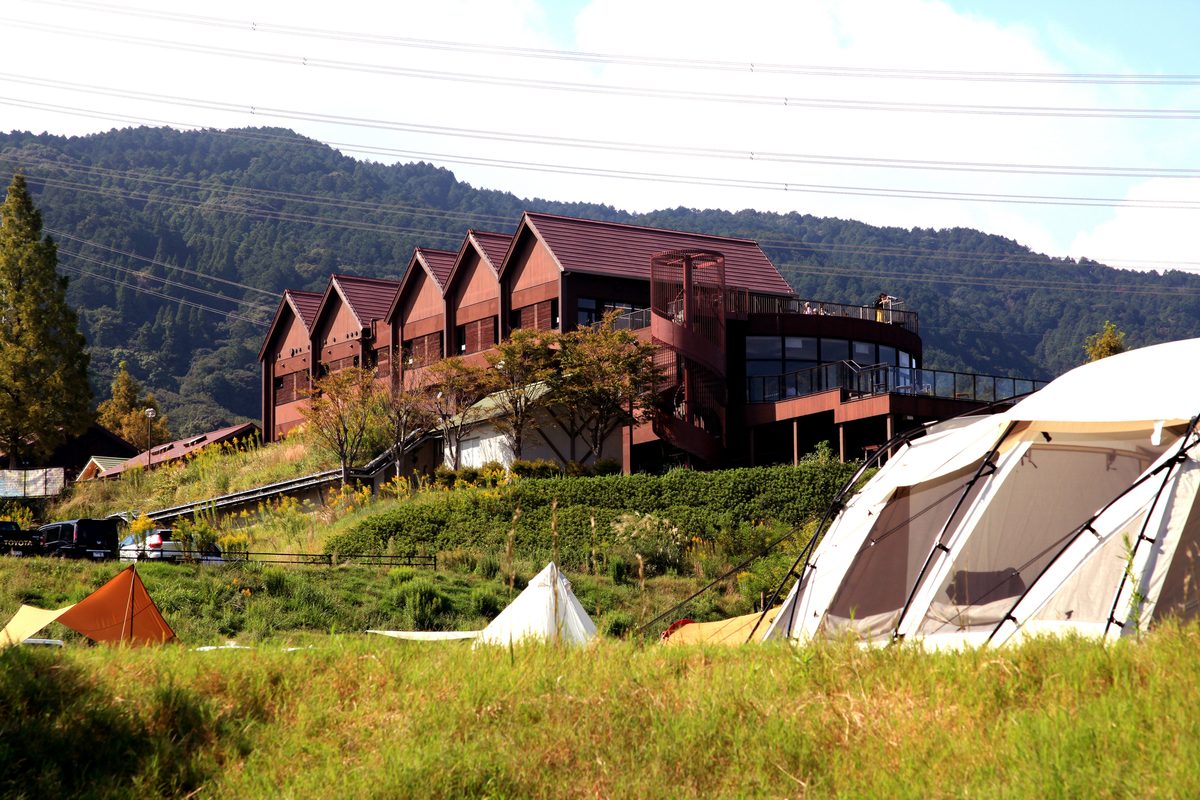
Aburayama Forest Park
Fukuoka's green lung — a forested mountain park just 30 minutes from the city center with mountain biking trails, a kids' forest museum, scenic viewpoints, and glamping facilities. On weekends it attracts Fukuoka's athletic community for trail running and mountain biking; on weekdays it's blissfully quiet.
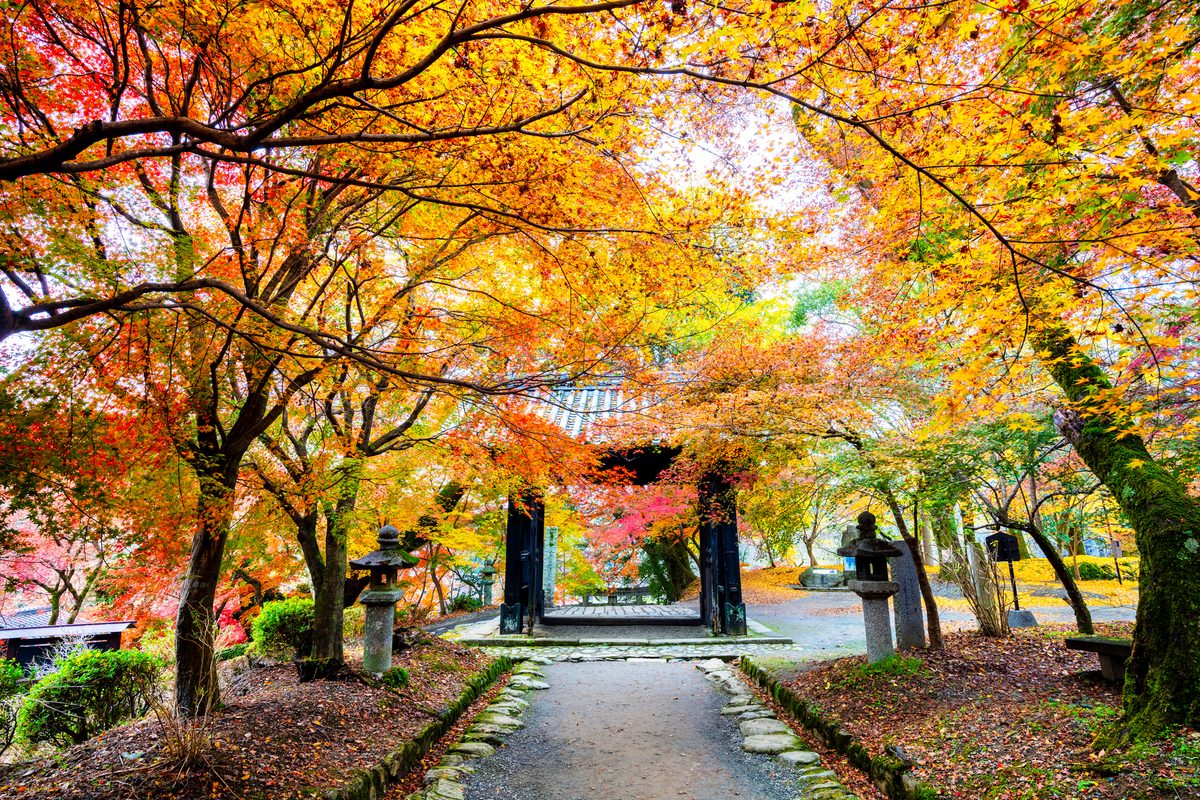
Akizuki Castle Ruins
A serene castle-town deep in the mountains 60km from Fukuoka, preserved by accident of geography — the Kuroda clan seat that never had to modernize. The approach road lined with 200-year-old cherry trees is among Kyushu's most beautiful.
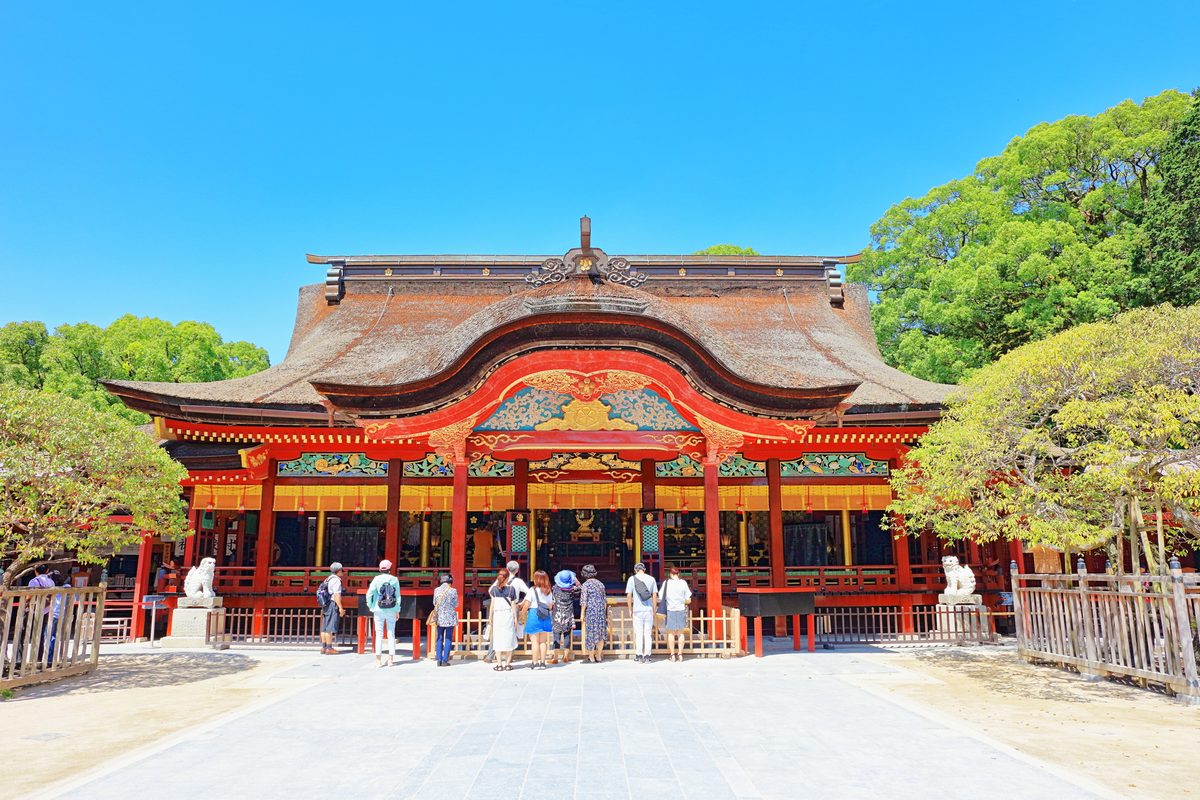
Dazaifu Tenmangu
One of Japan's most important Shinto shrines, dedicated to Sugawara no Michizane, the deity of learning. Surrounded by 6,000 plum trees that burst into bloom each February.