
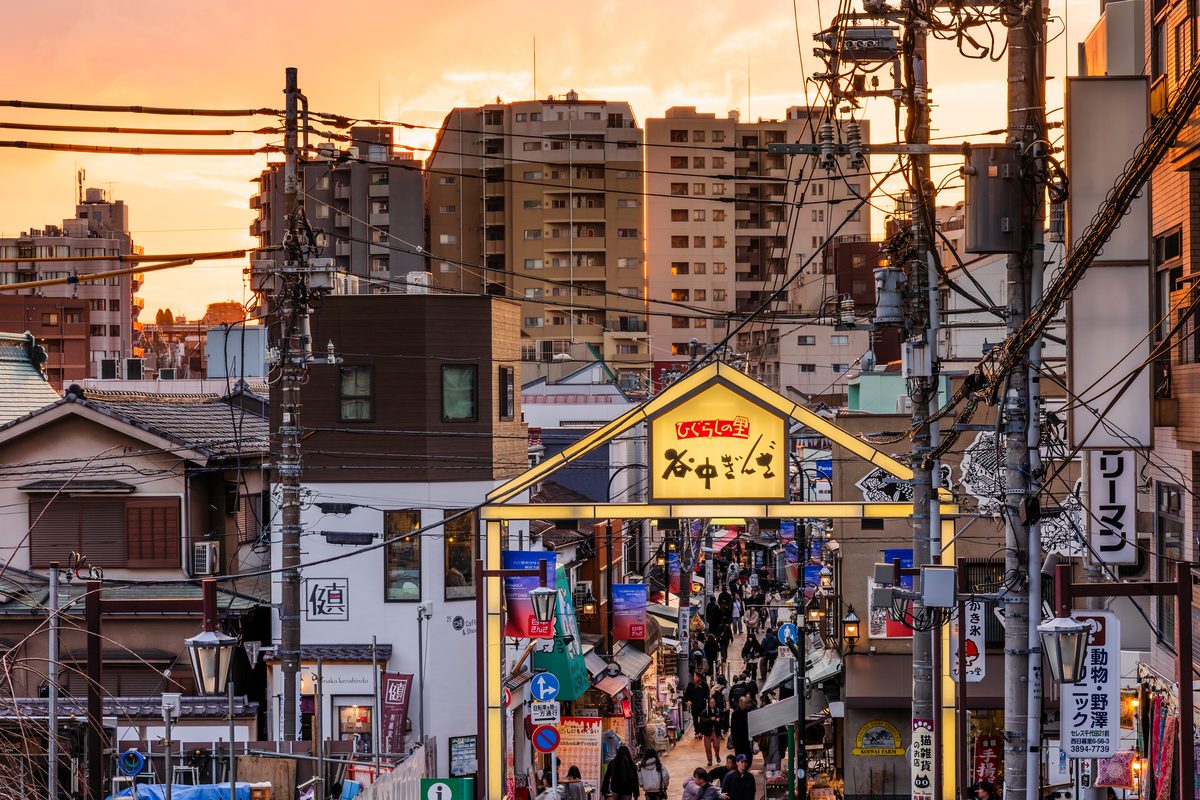
Yanaka Ginza
Tokyo's best-preserved shitamachi (old town) neighbourhood — a gentle slope of 70 independent shops, tofu makers, and cat-filled alleyways that escaped wartime bombing and urban redevelopment. Yanaka Cemetery is one of Tokyo's most atmospheric cherry blossom spots, and the lanes connecting it to the shopping street are lined with century-old wooden machiya.
2–3 hours
Free
Shops generally 10:00–18:00; some close Mon or Tue
Year-round (cherry blossom March–April)
5 min walk from Nippori Station (JR Yamanote Line)
Location
Why Visit
- 1
Tokyo's most intact Edo-era residential streetscape — wooden machiya, handmade tofu, and cat shrines
- 2
Yanaka Cemetery has over 7,000 graves including Tokugawa Yoshinobu — and 200 cherry trees
- 3
The area survived WWII bombing and the 1923 earthquake — rare genuine oldness in Tokyo
Local Tips
This 170-meter shotengai is best explored on a weekend morning before noon crowds arrive. Try the menchi-katsu (minced meat cutlet) from Yanaka Meat Shop — locals queue for it. Continue uphill to Yanaka Cemetery for quiet walks among old Tokyo tombstones.
Add to your AI itinerary
Let AI build a multi-day trip around this spot.
Advertisement
More in Tokyo
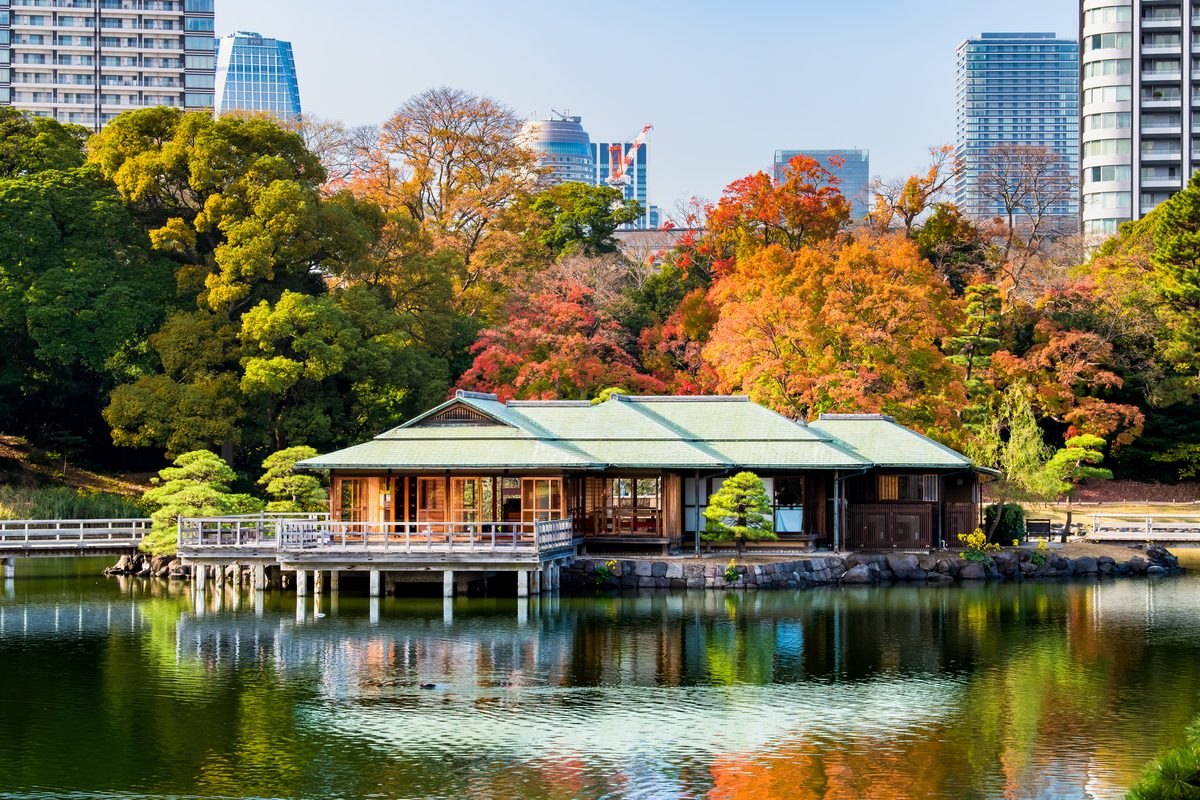
Hamarikyu Gardens
A 300-year-old tidal garden in the middle of Tokyo's skyscraper district — the only garden in the city with saltwater ponds replenished by Tokyo Bay. Originally the shogunate's private duck-hunting grounds, it now offers extraordinary views of Shiodome towers reflected in ancient lotus ponds, with a teahouse on an island reached by wooden bridges.
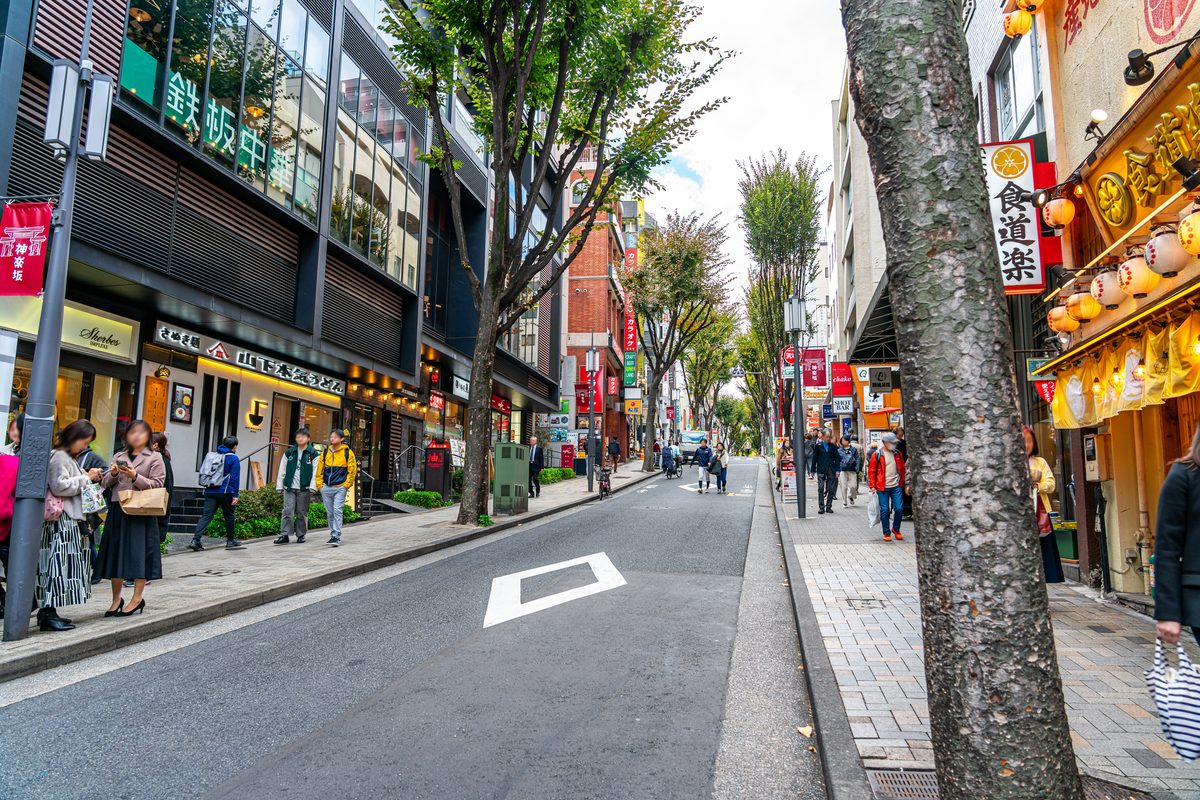
Kagurazaka
Tokyo's most French neighbourhood with the most Japanese soul — a hillside former geisha district where ryotei (high-end kaiseki restaurants) hide behind unmarked wooden gates in cobblestone alleys. French bistros, Italian delis, and a French lycée coexist with ancient shrines and the last functioning geisha houses in central Tokyo.
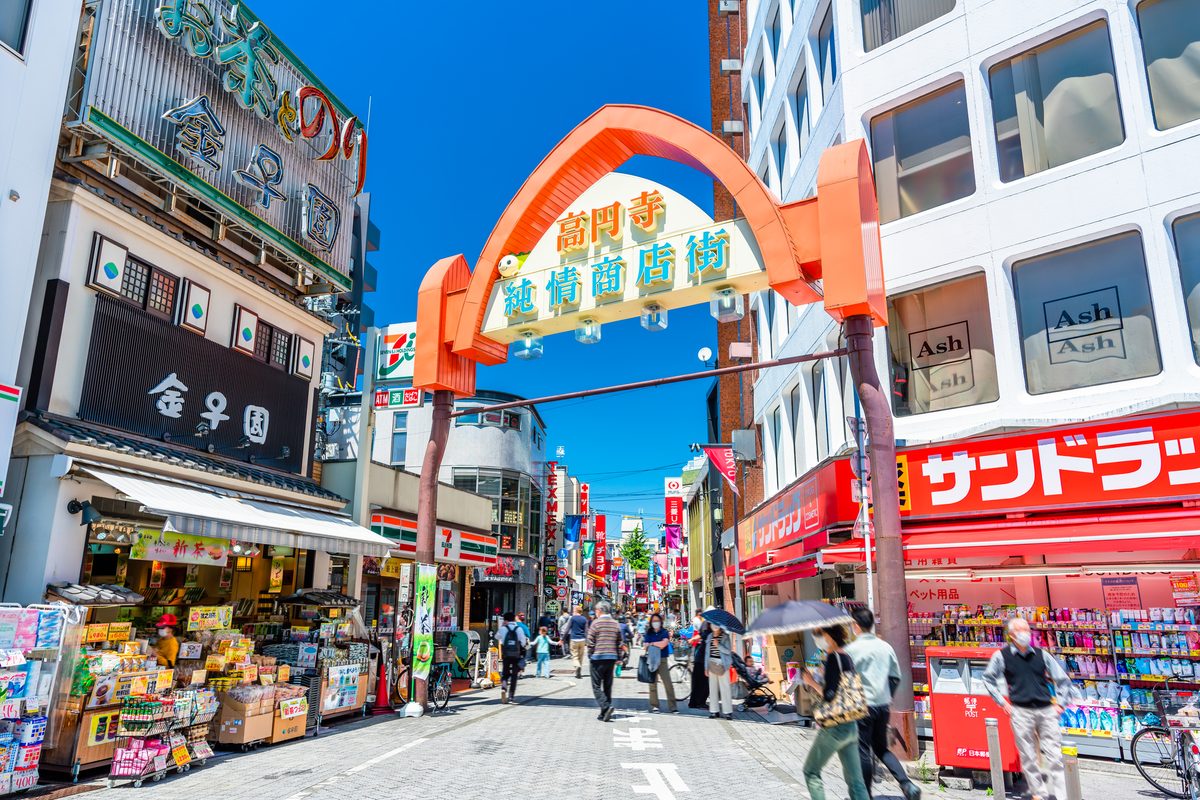
Koenji
An old shopping arcade town that gentrified into Tokyo's most eclectic neighbourhood — vintage shops, curry restaurants, and tiny jazz bars coexist with a 100-year-old covered shotengai. The Awa-Odori festival in late August fills the streets with over 10,000 dancers and a million spectators — the largest summer street festival in Tokyo.