
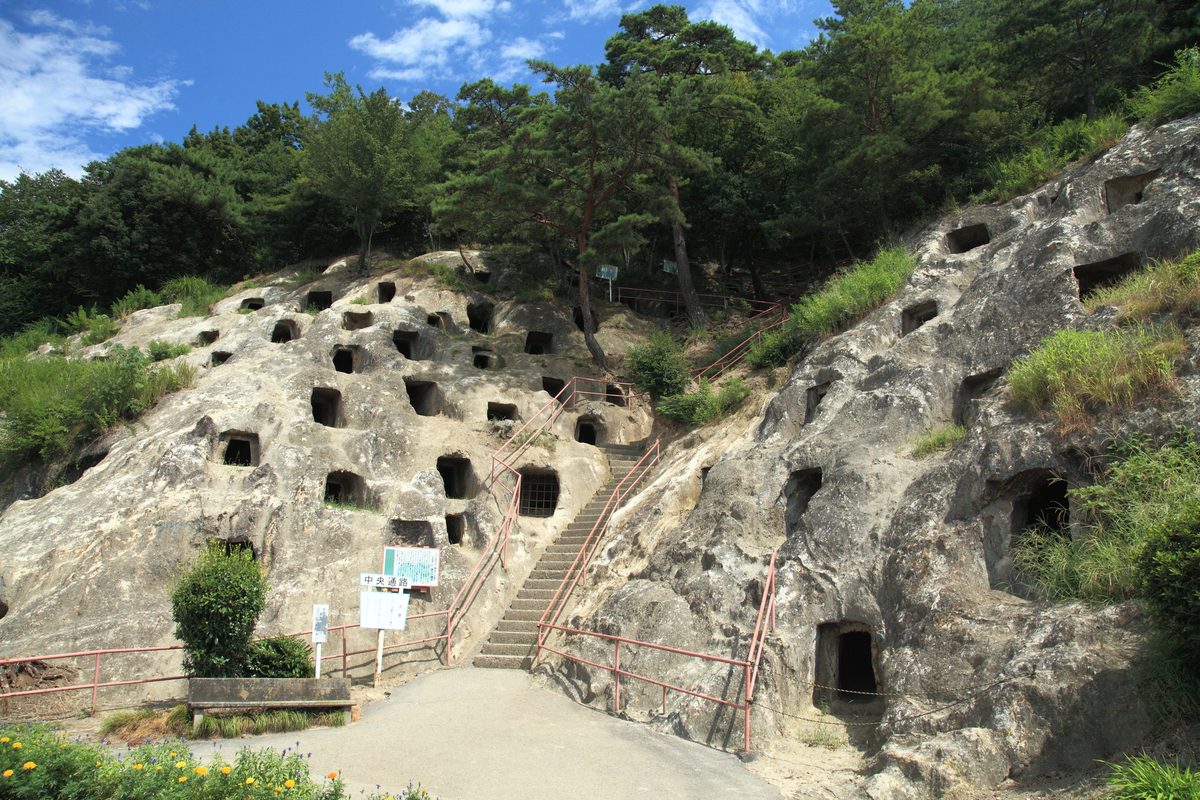
Yoshimi Hyakuana Caves
A hillside riddled with 219 hand-carved burial chambers from the 7th–9th centuries — the largest cluster of ancient burial caves in eastern Japan. The caves were later used by Christian converts (forbidden under the Tokugawa shogunate) as underground meeting rooms, making this site simultaneously prehistoric and politically charged.
1.5–2 hours
¥300
8:30–17:00 (last entry 16:30); open daily; entry ¥300
Year-round
Higashi-Matsuyama Station on Tobu Tojo Line (15 min taxi)
Location
Why Visit
- 1
219 burial chambers carved by hand in the 7th–9th centuries — entirely hollowed cliff faces
- 2
Later used by hidden Christians as secret worship sites — a dual historical significance
- 3
The site museum has recovered grave goods and explains how the chambers were lived in
Local Tips
These 219 ancient burial caves were carved in the Kofun period (4th–7th century). Some were later used as ammunition depots in WWII. Bring a flashlight to explore the darker recesses. The site is uncrowded and very peaceful — rare for Saitama.
Add to your AI itinerary
Let AI build a multi-day trip around this spot.
Advertisement
More in Saitama
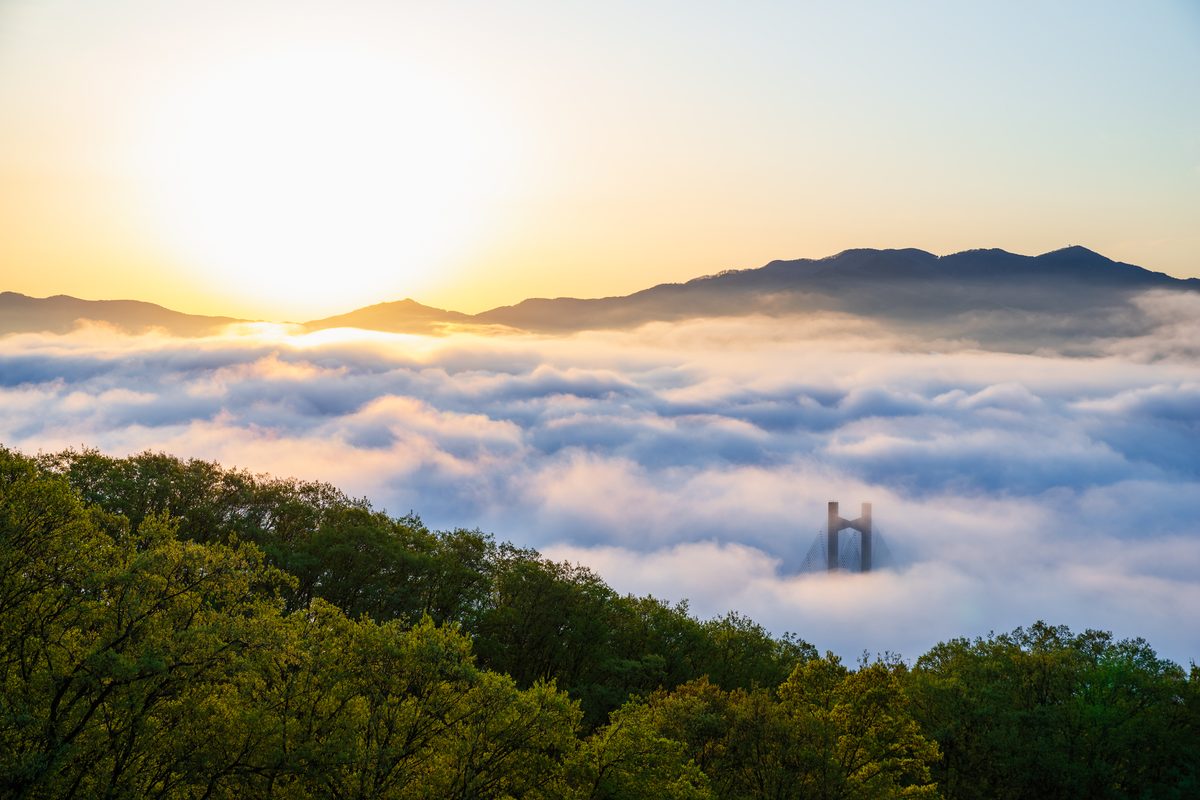
Chichibu — Mountain Town & Shrine
A mountain basin town set among the Oku-Chichibu ranges, home to one of Japan's three great night festivals — the Chichibu Yomatsuri (December 3) where six ornate floats and two mikoshi parade through freezing winter streets with fireworks overhead. The Chichibu Shrine (2,100 years old) is a National Important Cultural Property.
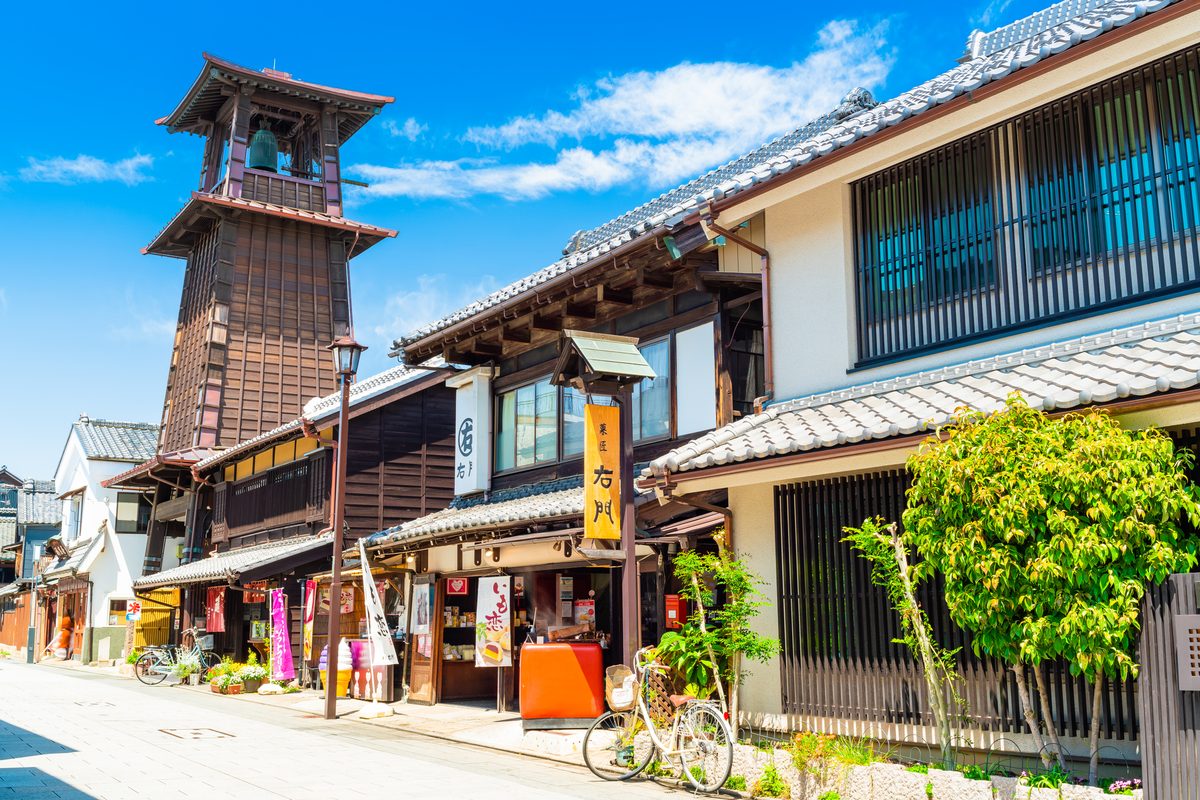
Kawagoe — Little Edo
A well-preserved Edo-period merchant town 30km from Tokyo — nicknamed Koedo (Little Edo) for its kura-zukuri (black plastered storehouse) main street and the only surviving Toki no Kane (Time Bell Tower) in the Kanto region. Confectionery Street (Kashiya Yokocho) has sold traditional dagashi (cheap sweets) since the Meiji era.
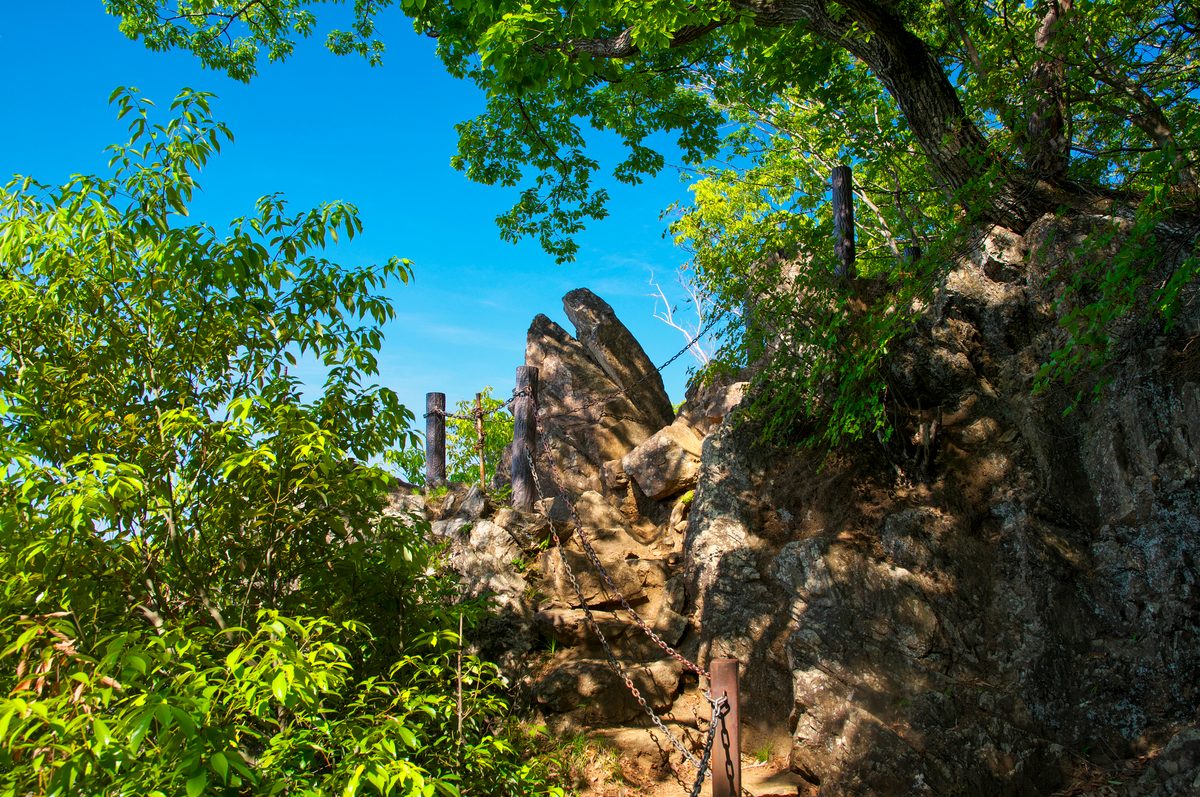
Mt Tenran — Hanno
A gentle 305-metre mountain above the Iruma River valley — one of the most approachable peaks for Tokyo day-trippers, with a clear trail to the summit in 40 minutes. Emperor Hirohito walked this mountain in 1931, giving it the name "Tenran" (Emperor's View). The summit offers Chichibu mountain panoramas and city views simultaneously.