
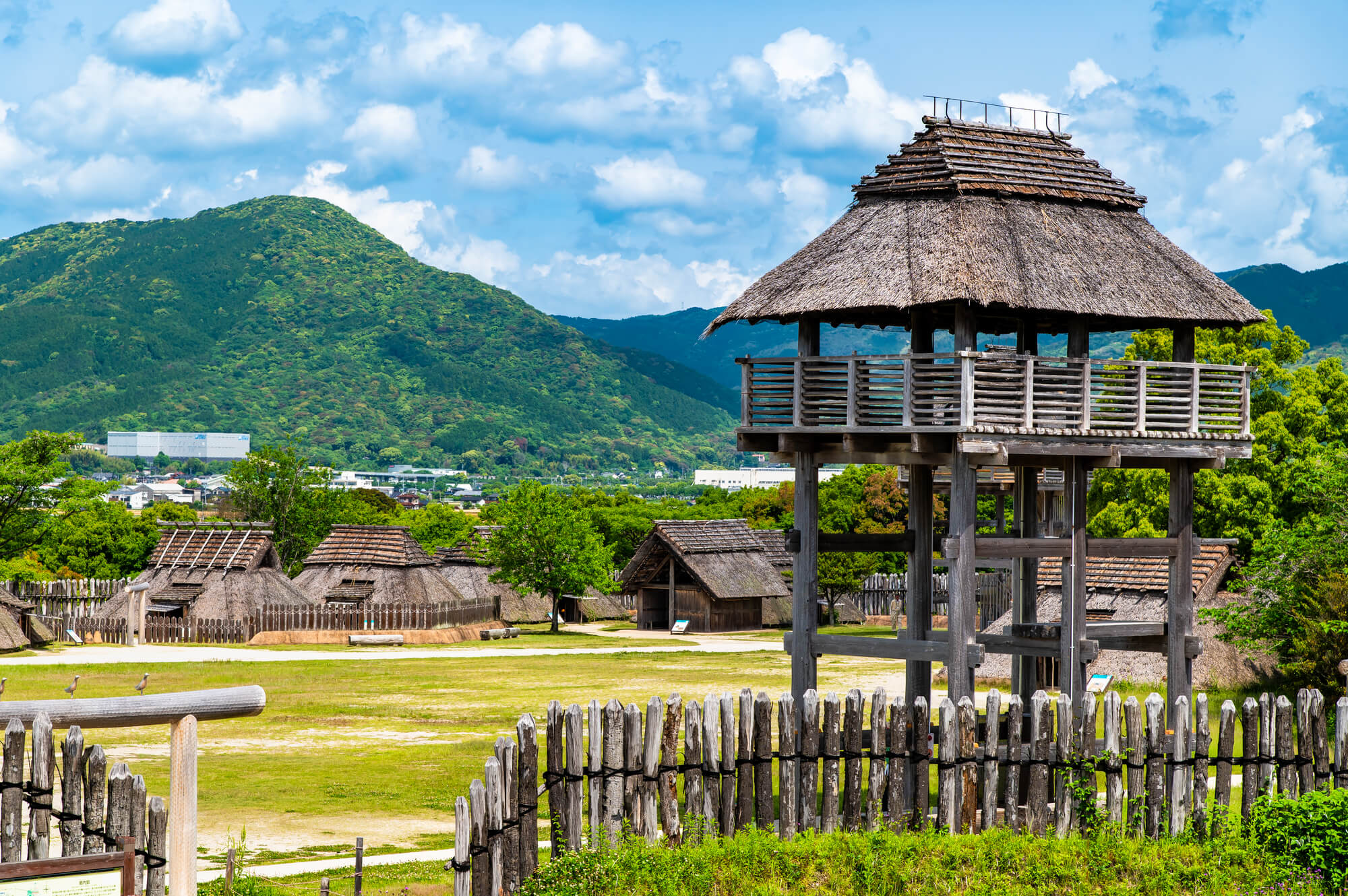
Yoshinogari Historical Park
Japan's largest and most complete Yayoi period (300 BC – 300 AD) village reconstruction. Walk through ancient moat-encircled settlements and watchtowers on a 98-hectare site.
2–3 hours
¥460 adults (65+ ¥200; junior high and under free). Free on designated days only (e.g. 3 May, 5 May, some autumn Sundays); check official site
9:00–17:00 (Jun–Aug until 18:00); closed Mon; entry ¥460
March–May or October–November
3 min walk from JR Yoshinogari-Koen Station (Nagasaki Line from Hakata ~35 min)
Location
Why Visit
- 1
The Northern Inner Enclosure contains ceremonial burial jars that changed understanding of ancient Japan
- 2
Costumed staff demonstrate ancient crafts on weekends
- 3
The viewing platform gives a dramatic overview of the double-moated village structure
Local Tips
Japan's largest Yayoi-period archaeological site. The reconstructed village buildings are surprisingly immersive. Go on a weekday — weekends bring school trips. The site is large; rent a bicycle at the gate to cover it comfortably in a half day.
Add to your AI itinerary
Let AI build a multi-day trip around this spot.
Advertisement
More in Saga
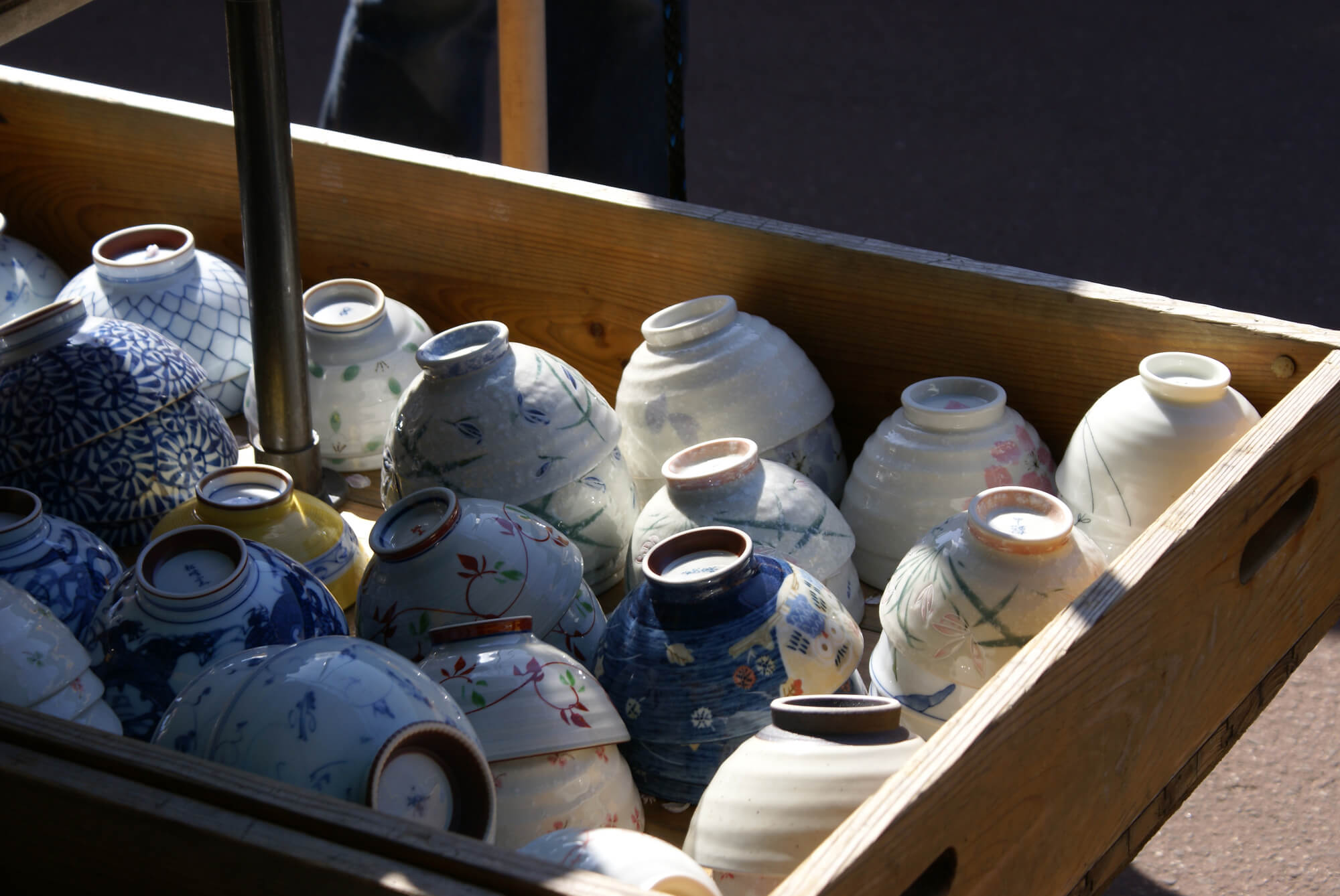
Arita Pottery Town
The birthplace of Japanese porcelain, where ceramic production began in 1616 after kaolin clay was discovered. The main street is lined with kilns, galleries, and manufacturers exporting worldwide.
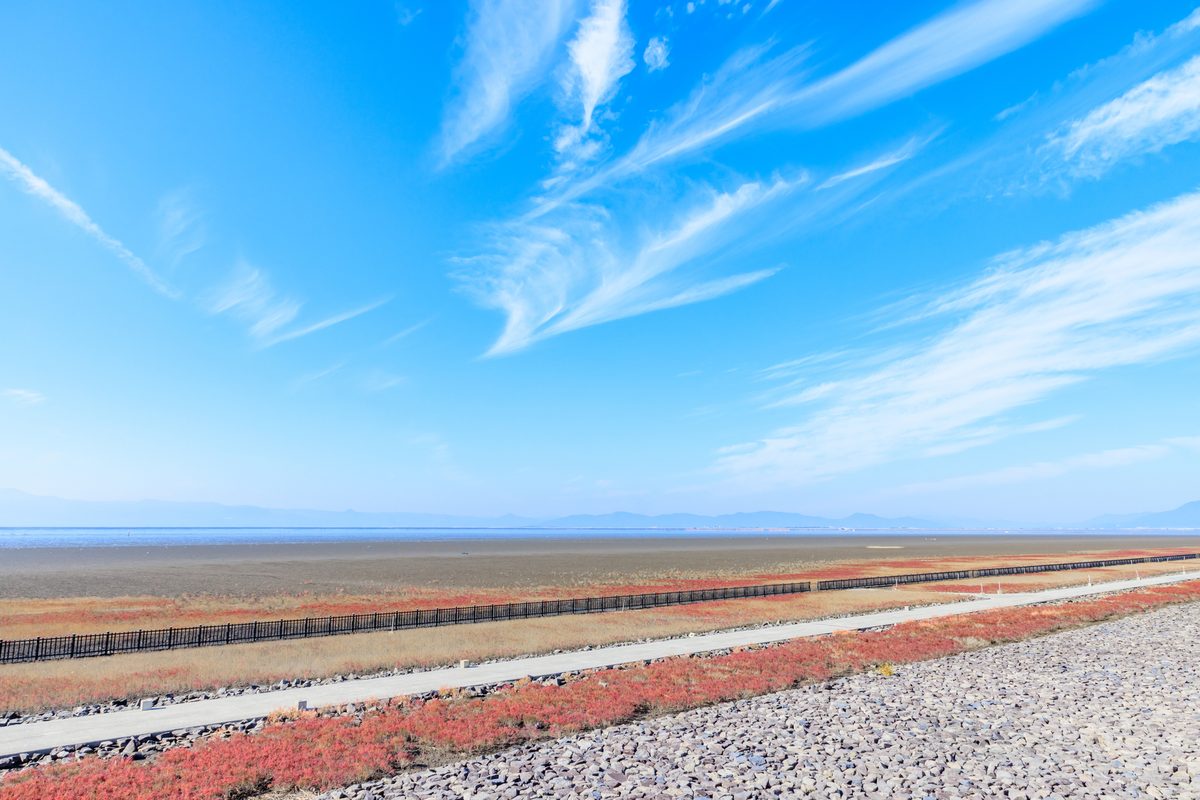
Higashiyoka Tidal Flat
A Ramsar Convention wetland on Ariake Sea — one of Japan's most biodiverse tidal flats, home to 140 species of migratory birds and the spectacle of mudskippers and fiddler crabs at low tide. In autumn, the shichimenso (salicornia) turns the mudflat a vivid red, creating an otherworldly landscape.
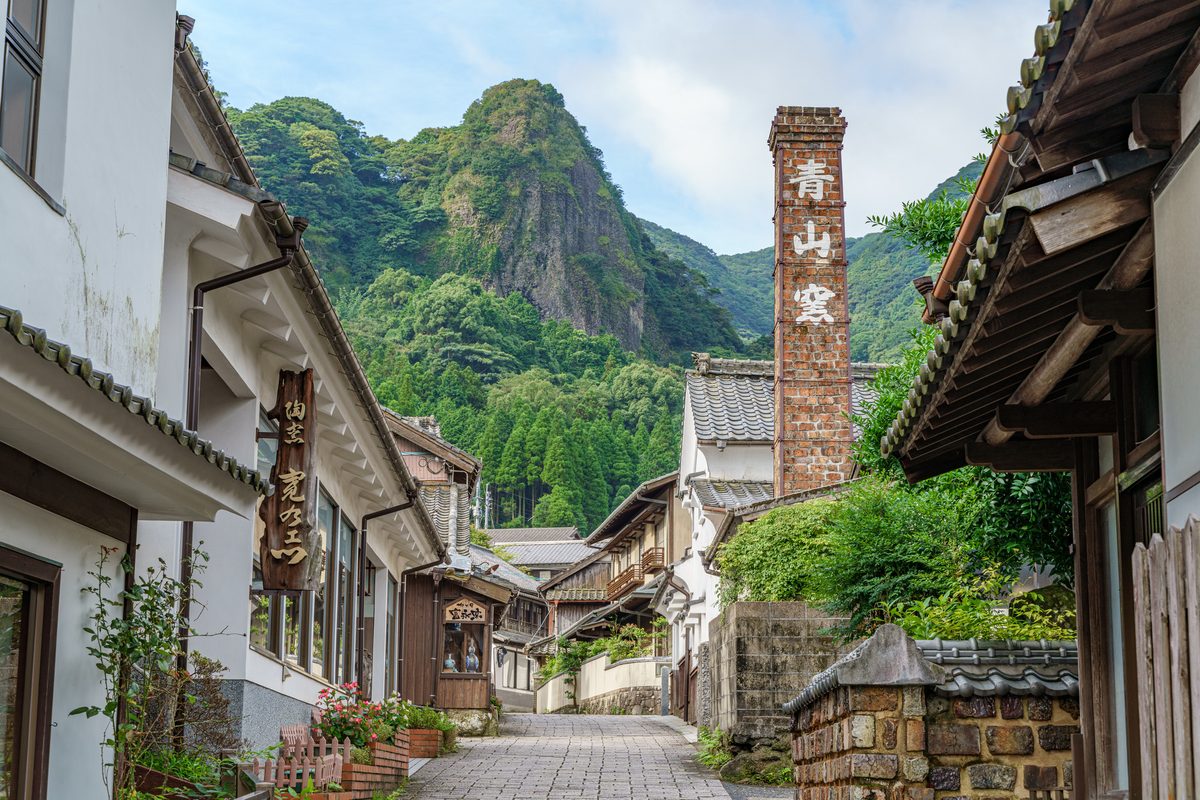
Imari Okawachi-yama Kiln Village
A hidden valley where the Nabeshima clan's secret kilns produced porcelain exclusively for the Edo shogunate and European royalty. Today 30+ kilns still operate in this quiet mountain valley — you can watch master potters at work and buy directly from the kilns that supplied Versailles.