
Nagasaki Travel Guide
No city in Japan holds more layers. Dutch trading history, Chinese merchant culture, the Urakami Cathedral and atomic bombing legacy, and a surrounding archipelago of island communities all converge in a hilly port that is instantly unlike anywhere else in the country. The battleship island of Hashima (Gunkanjima) — UNESCO industrial heritage — is one of Japan's most haunting day trips.
2 hidden gems in Nagasaki include insider locations, local tips, and full access details.
Hidden Gems in Nagasaki
Hand-picked spots off the tourist trail — all personally curated.
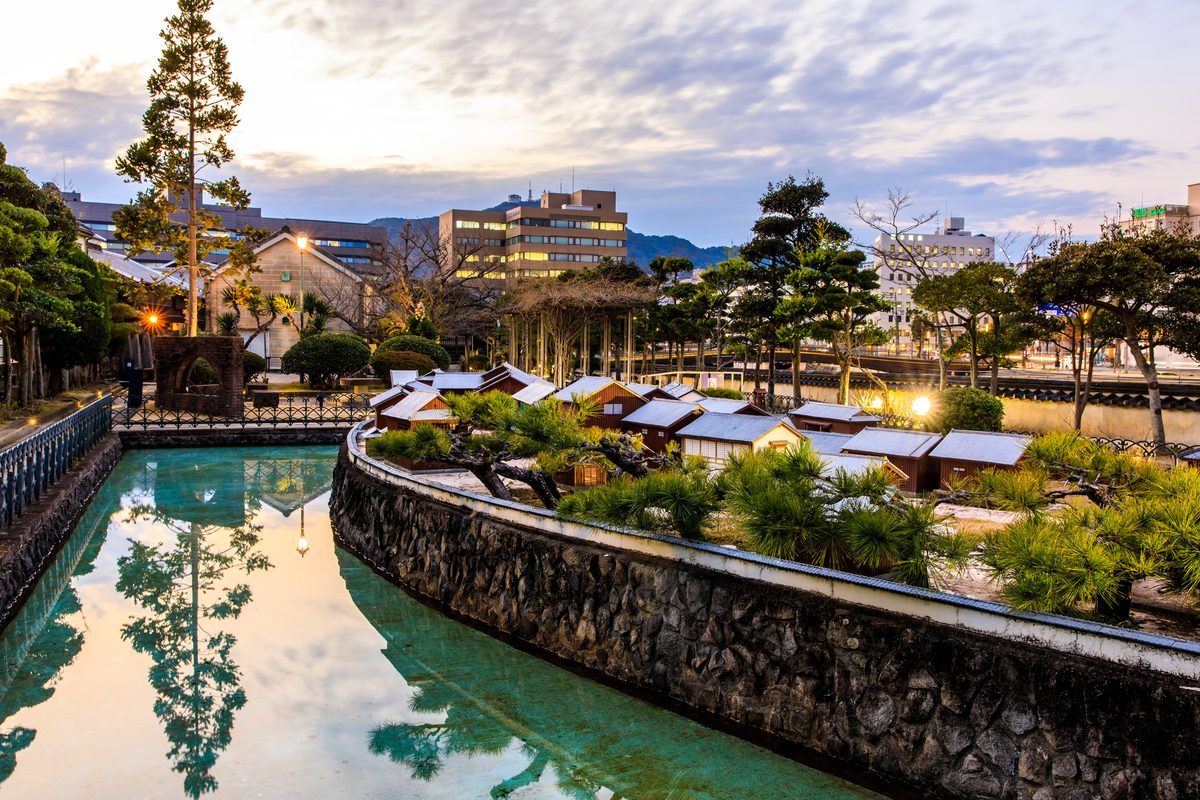
Dejima Dutch Trading Post
For 200 years during Japan's isolation period, this tiny fan-shaped artificial island was the only point of contact between Japan and the Western world. Dutch traders lived here under strict conditions; their books, clocks, and scientific instruments slowly changed Japan. The island has been meticulously reconstructed to its 1820s appearance, complete with furnished warehouses, a VOC flag, and Dutch gardens.
Glover Garden
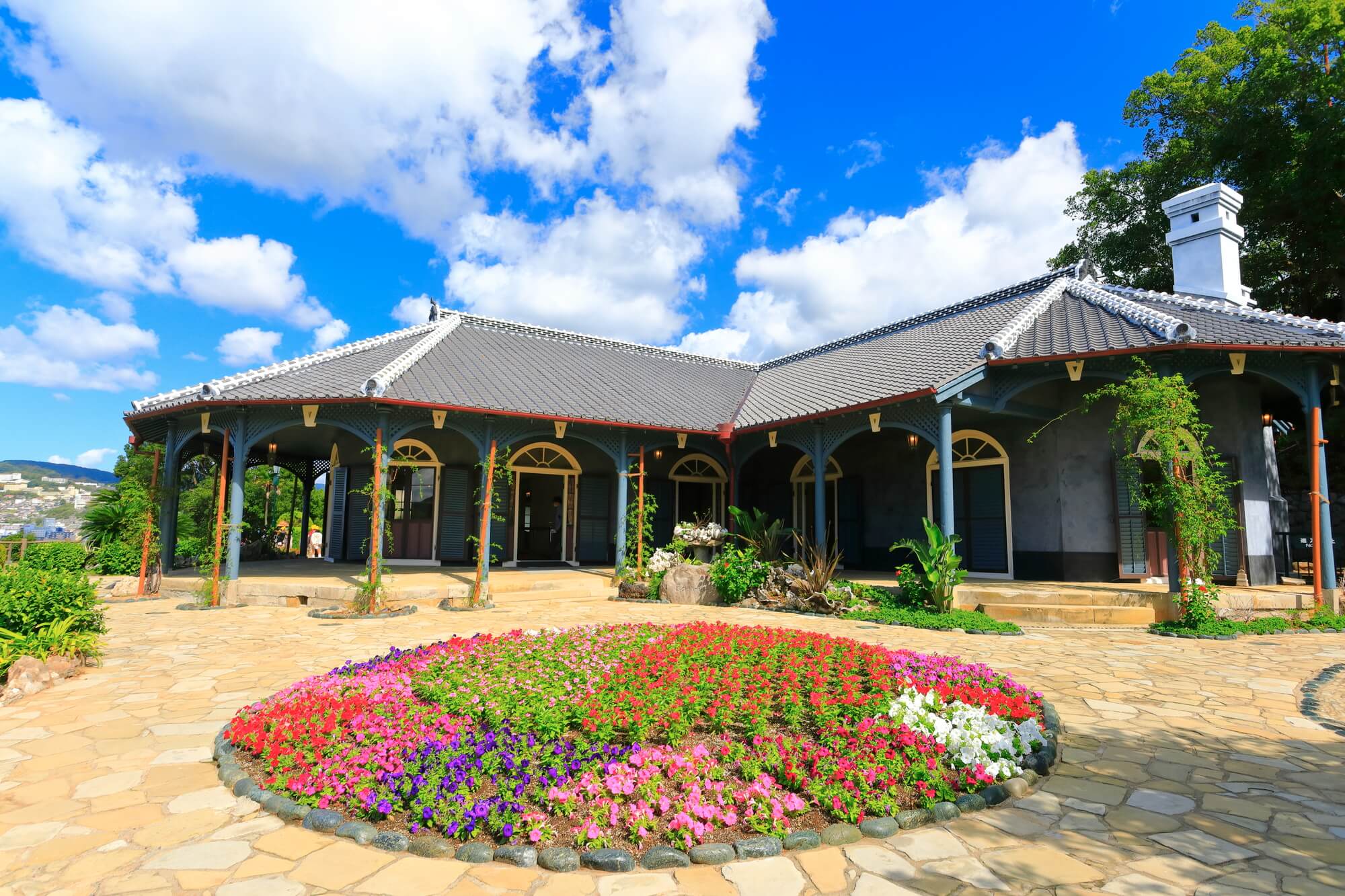
An open-air hilltop museum of Western-style residences built by Meiji-era foreign merchants. Thomas Glover's stone villa (1863) is Japan's oldest surviving Western-style house, with sweeping harbor views.
Goto Islands
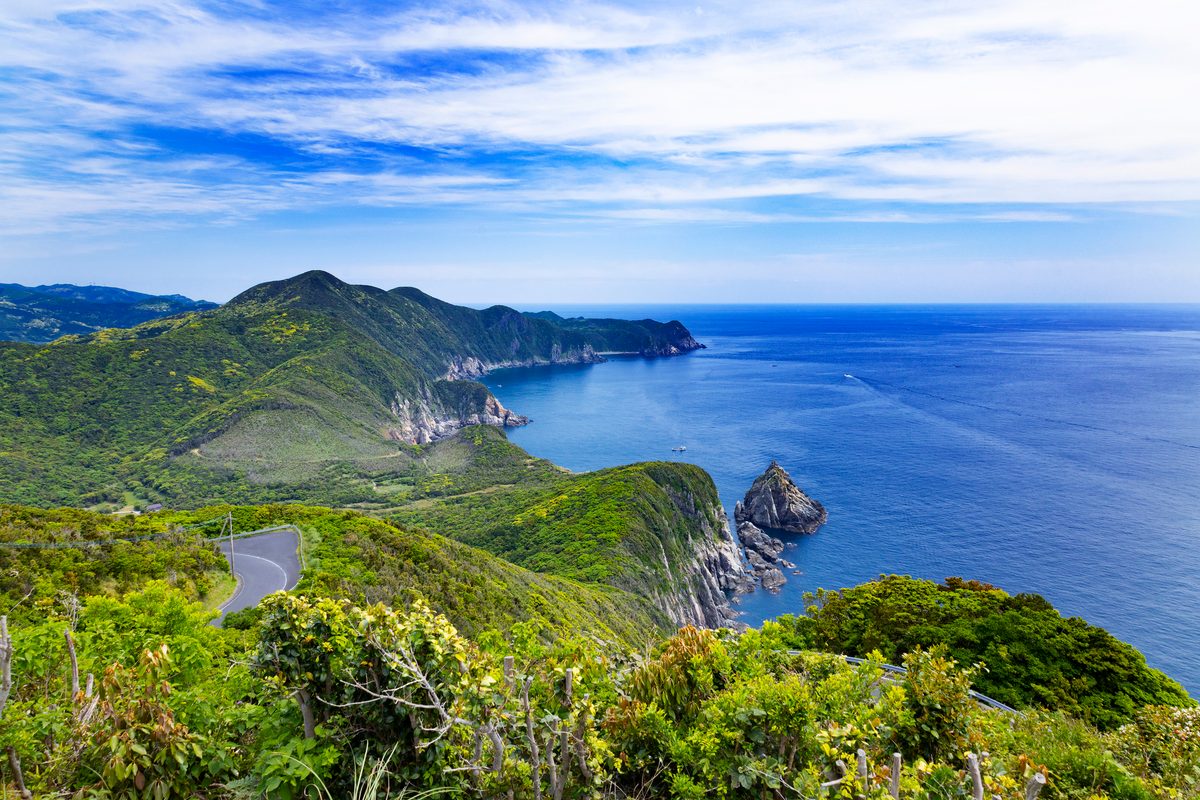
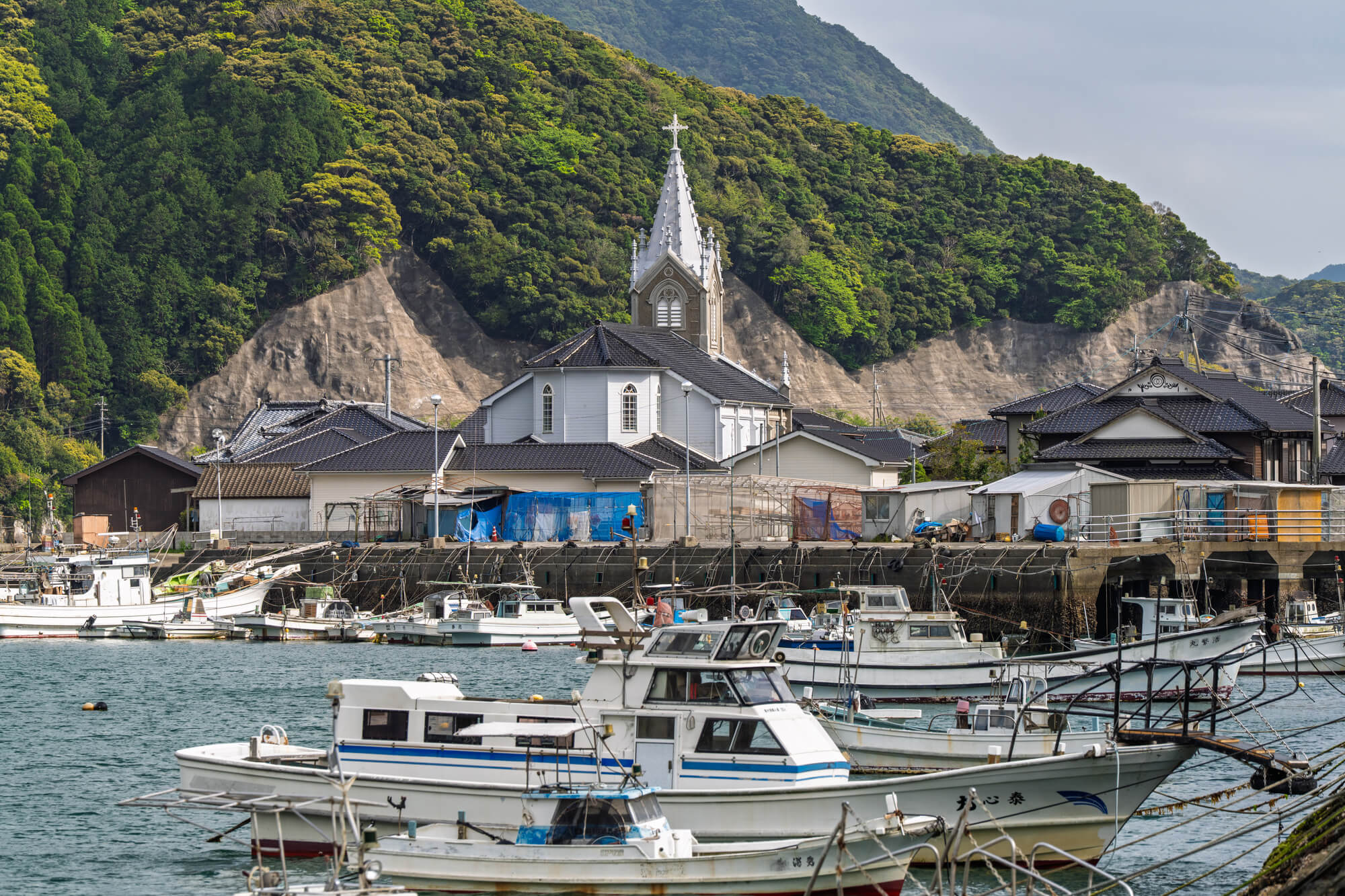
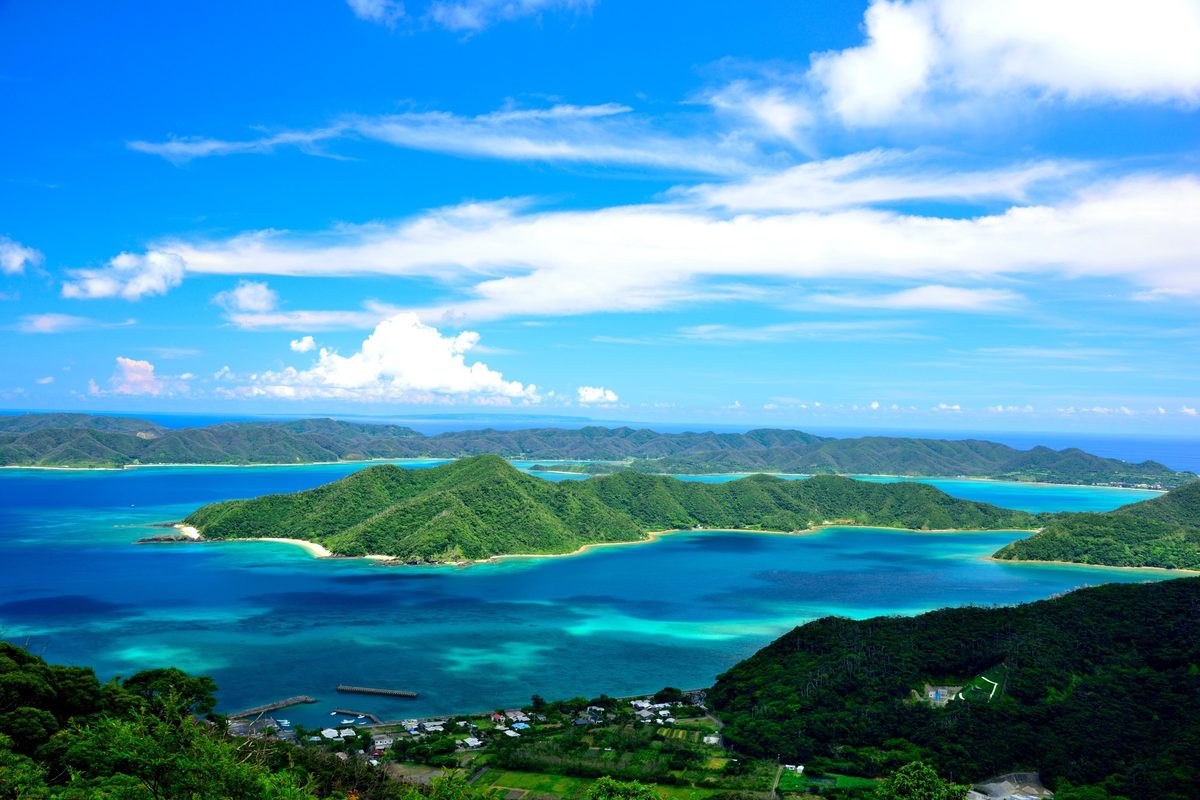
An archipelago of 140 islands where 30,000 "hidden Christians" (kakure kirishitan) secretly maintained their faith for 250 years under the death penalty. The UNESCO-listed churches, set in fishing villages against a backdrop of spectacularly clear emerald sea, represent one of the world's most extraordinary stories of religious perseverance.
Hashima (Gunkanjima)
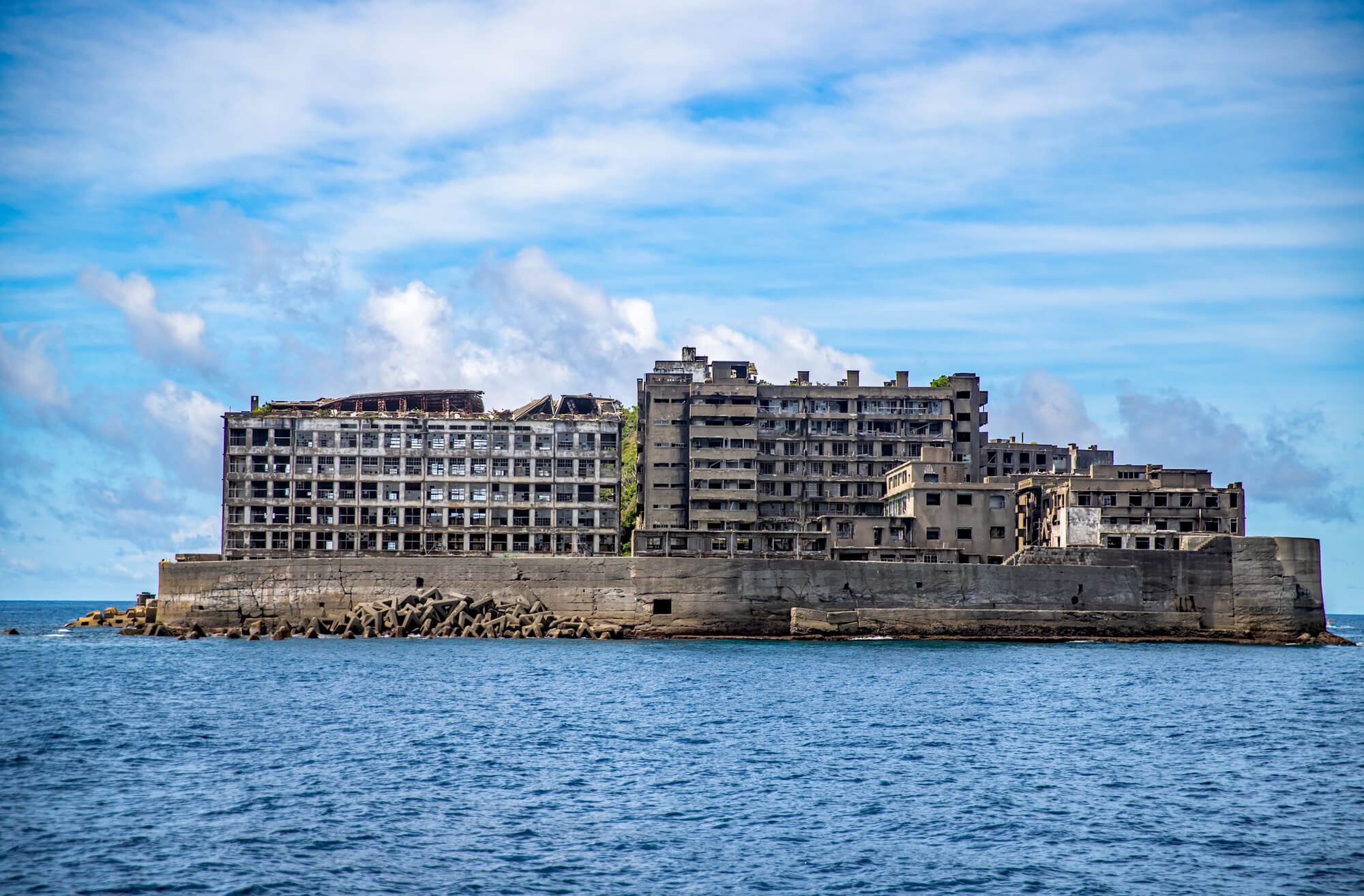
The haunting abandoned island known as "Battleship Island" — a former undersea coal mine that once housed 5,000 people in the world's highest population density. Now a UNESCO World Heritage site.
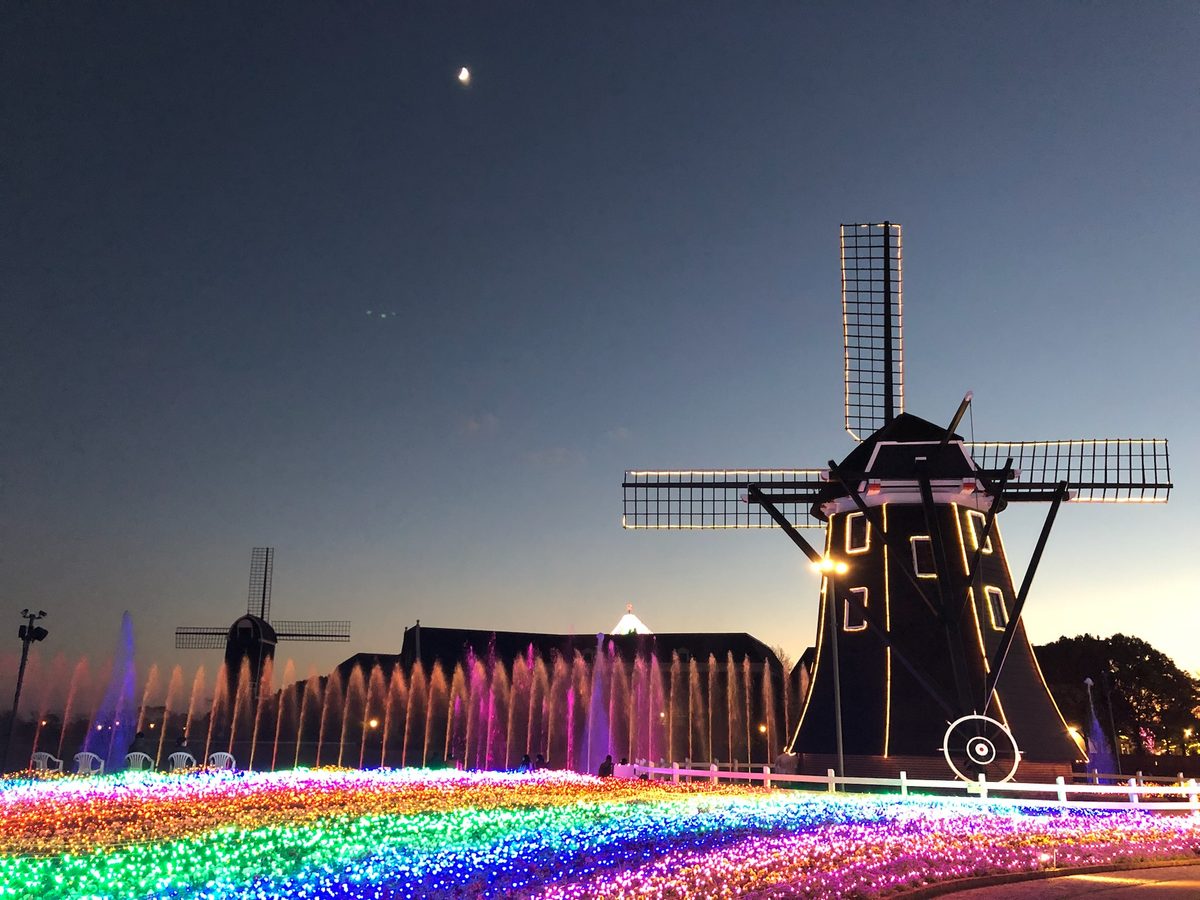
Huis Ten Bosch
A meticulously built 152-hectare recreation of a Dutch town on the shores of Omura Bay — canals, windmills, gabled buildings, and tulip fields transplanted to Kyushu. Japan's most elaborate theme park runs some of the country's most ambitious light shows, including a 13-million-bulb winter illumination that has won the Guinness World Record for largest.
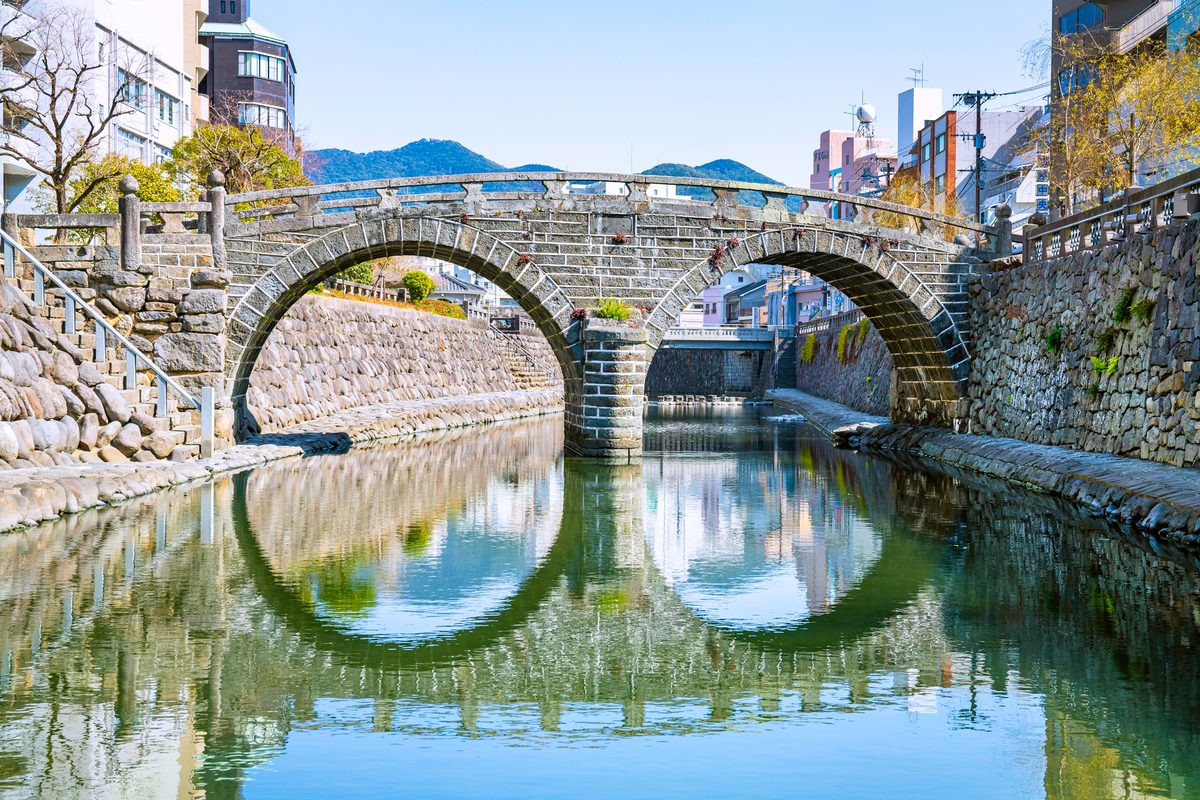
Meganebashi (Spectacles Bridge)
Japan's oldest stone arch bridge, built in 1634 by a Chinese Zen monk. When the Nakashima River is calm, the twin arches reflect perfectly in the water below, creating the "spectacles" (megane) shape that gave the bridge its name. The bridge survived the 1945 atomic bombing intact and remains the heart of Nagasaki's historic riverside quarter.
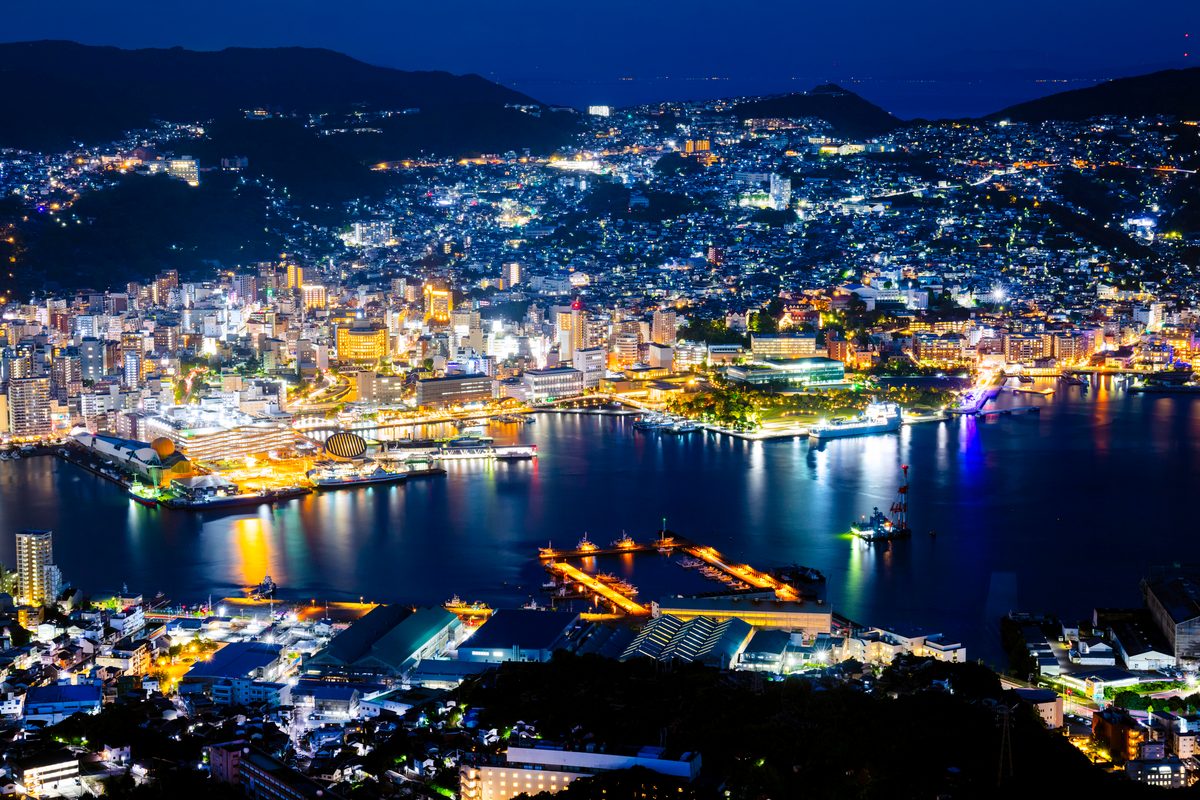
Mount Inasa Night View Observatory
One of Japan's three great night views — Nagasaki's harbor, peninsula, and islands create a "million-dollar night view" when seen from 333m. The city's geography (built on hills around a narrow bay) produces a more complex, layered nightscape than flat cities like Kobe or Hakodate, making this arguably the finest of the three.
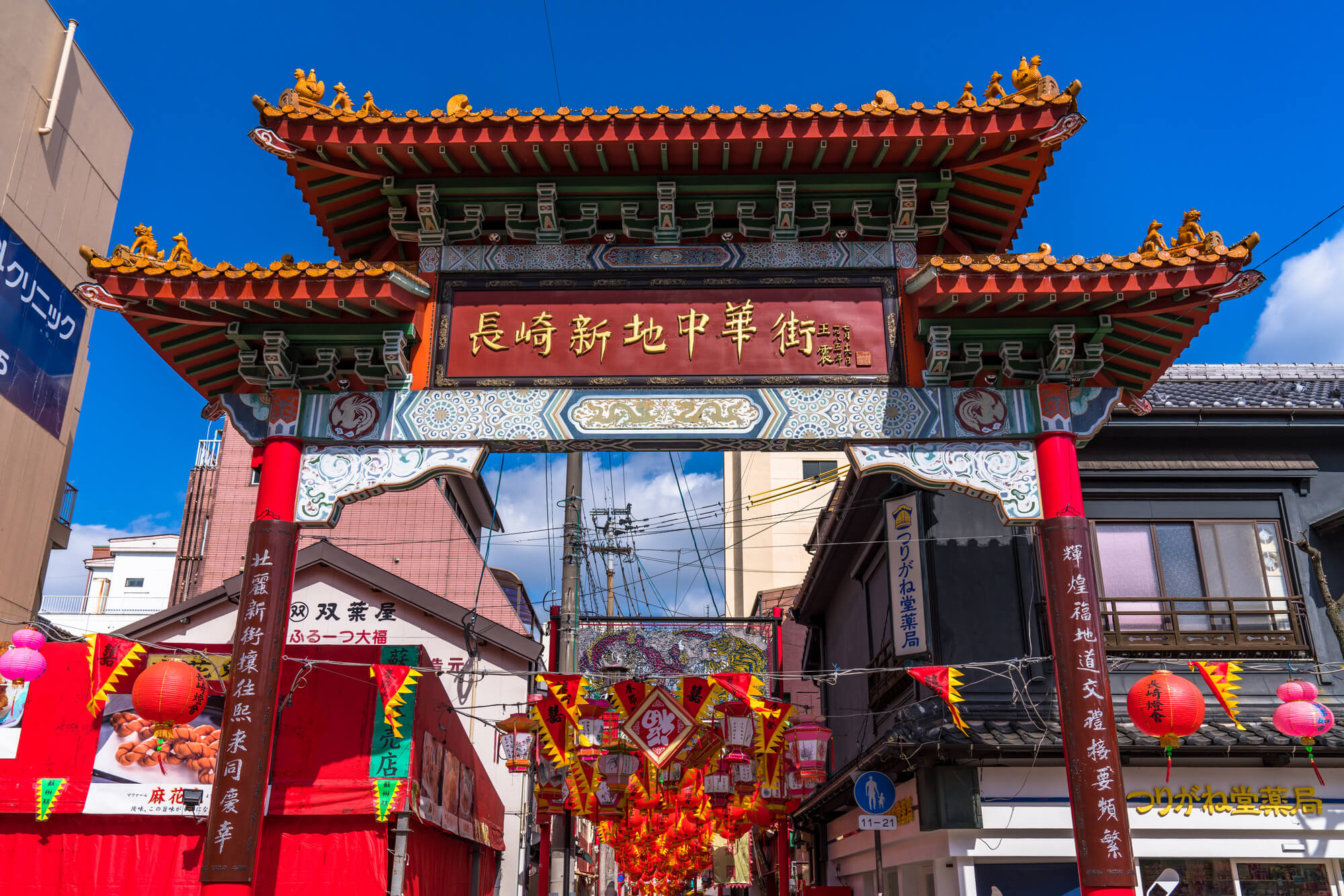
Nagasaki Chinatown (Shinchi)
Japan's oldest and smallest Chinatown, established in the 1680s. Just two crossing streets packed with chanpon restaurants (Nagasaki's signature noodle dish) and pork bun stalls.
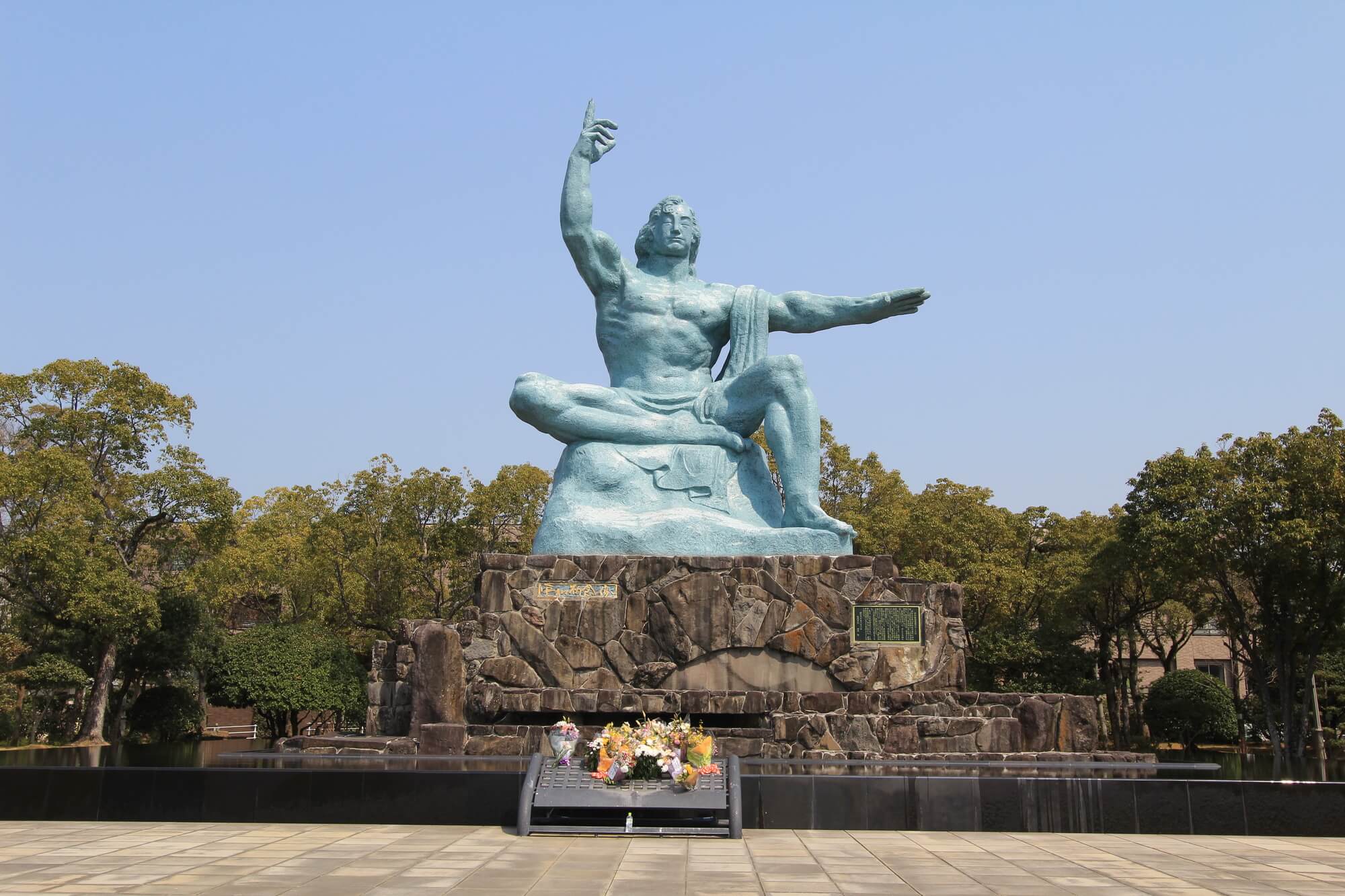
Nagasaki Peace Park
Built near the atomic bomb hypocenter, this park pairs the hopeful Peace Statue (a 10-meter bronze figure) with the sobering Atomic Bomb Museum below. One of the most moving sites in Japan.
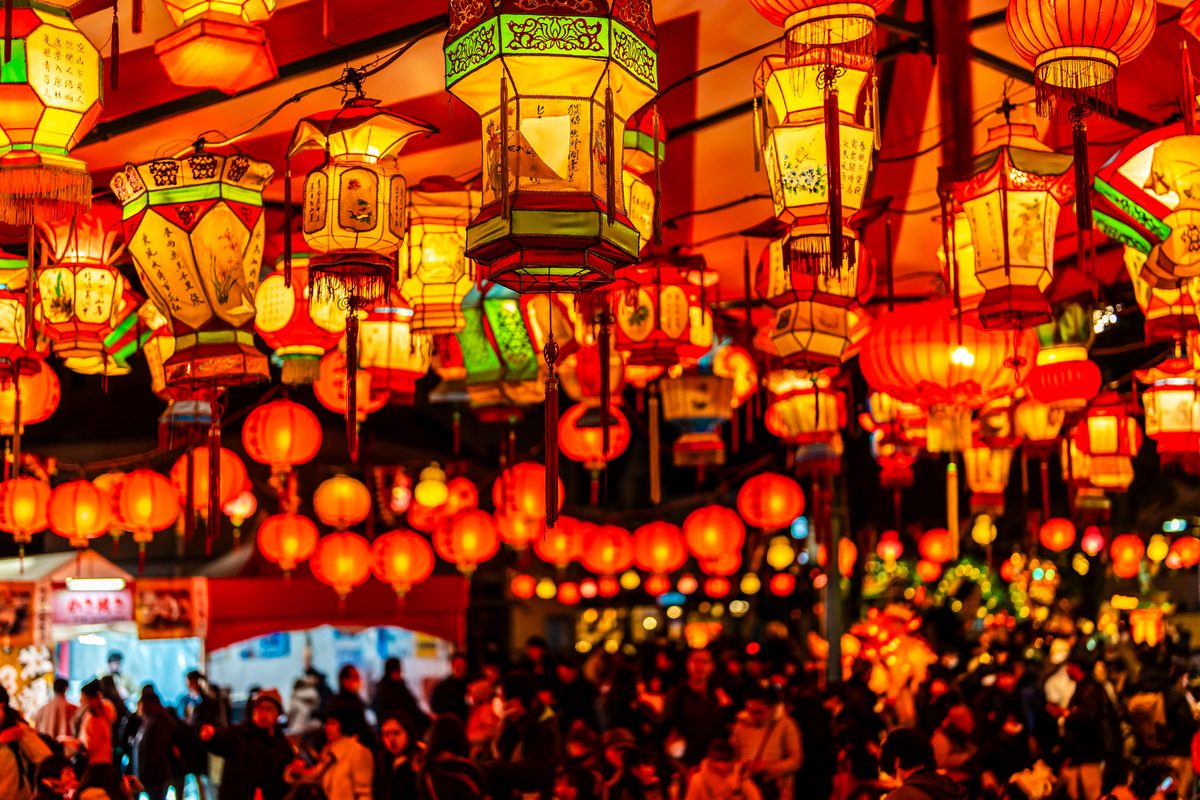
Nagasaki Shinchi & Lantern Festival Area
Japan's oldest and most atmospheric Chinatown, where the annual Lantern Festival (Nagasaki Lantern Festival) transforms the city every Chinese New Year with 15,000 lanterns hanging over the streets. The event is Nagasaki's biggest celebration — lion dances, Chinese opera, and emperor processions fill the harbor area for 15 days.
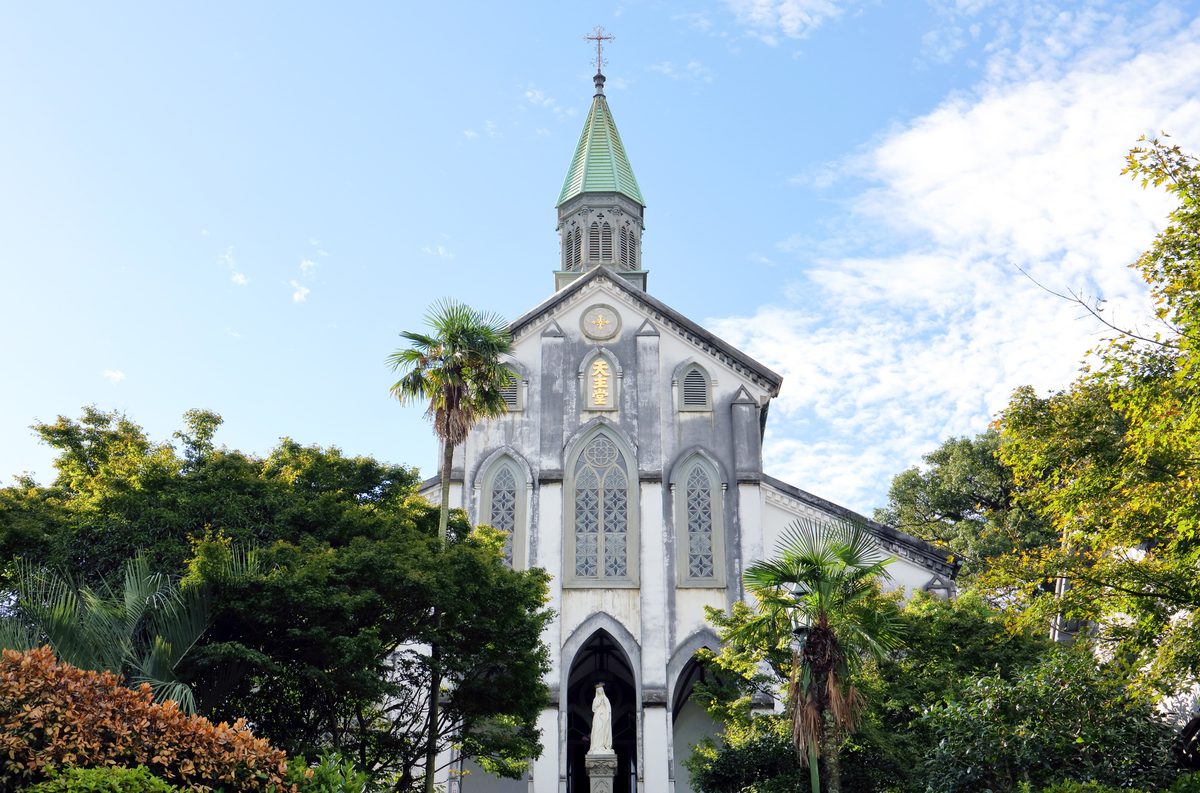
Oura Cathedral
Japan's only National Treasure cathedral — a Gothic limestone church consecrated in 1865, built to memorialize the 26 Christians martyred in Nagasaki in 1597. Shortly after opening, the discovery of thousands of "hidden Christians" who had secretly practiced their faith for 250 years astonished the world and was called the "miracle of Oura." Now a UNESCO World Heritage site.
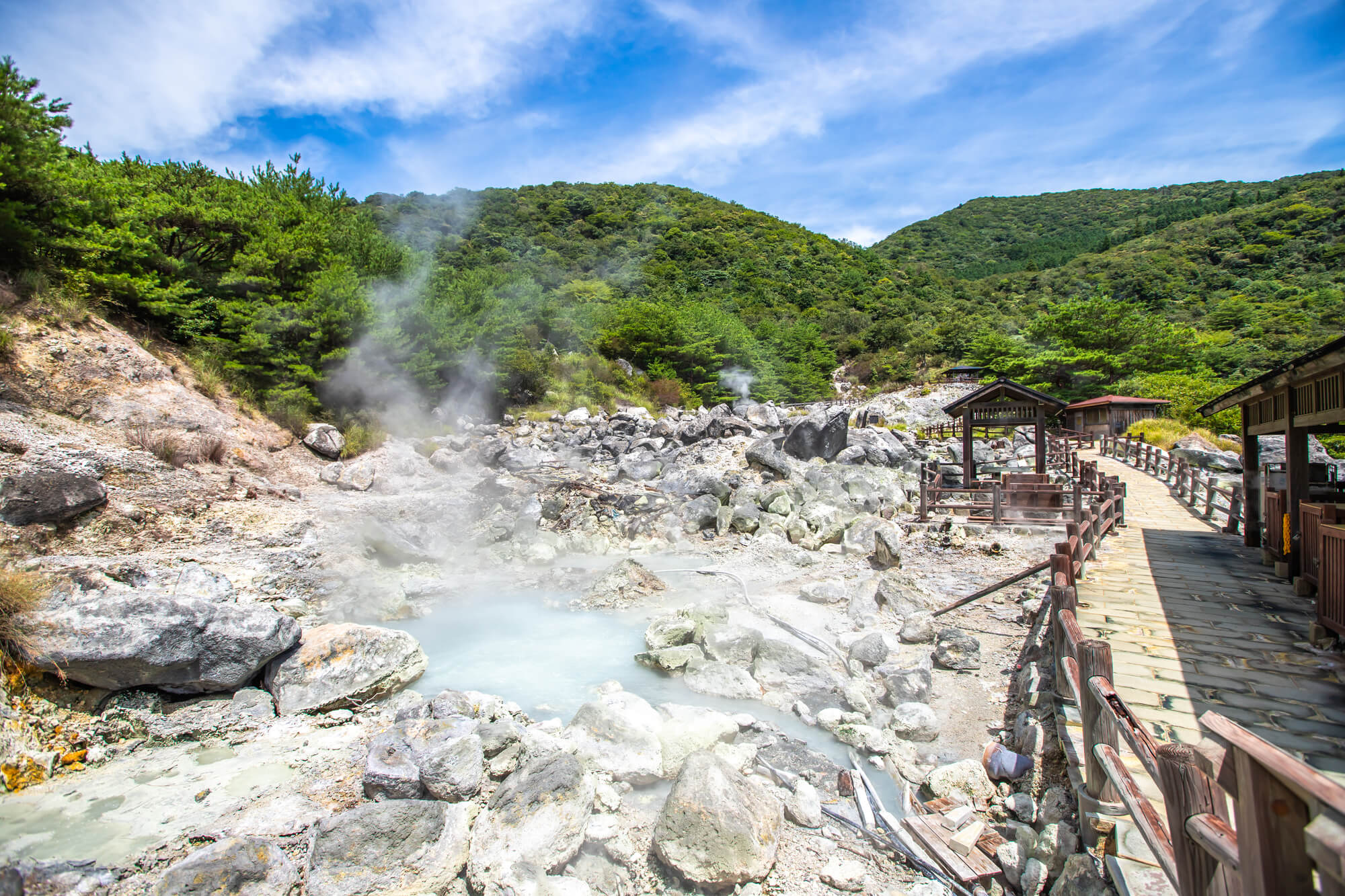
Unzen Onsen & Hell Springs
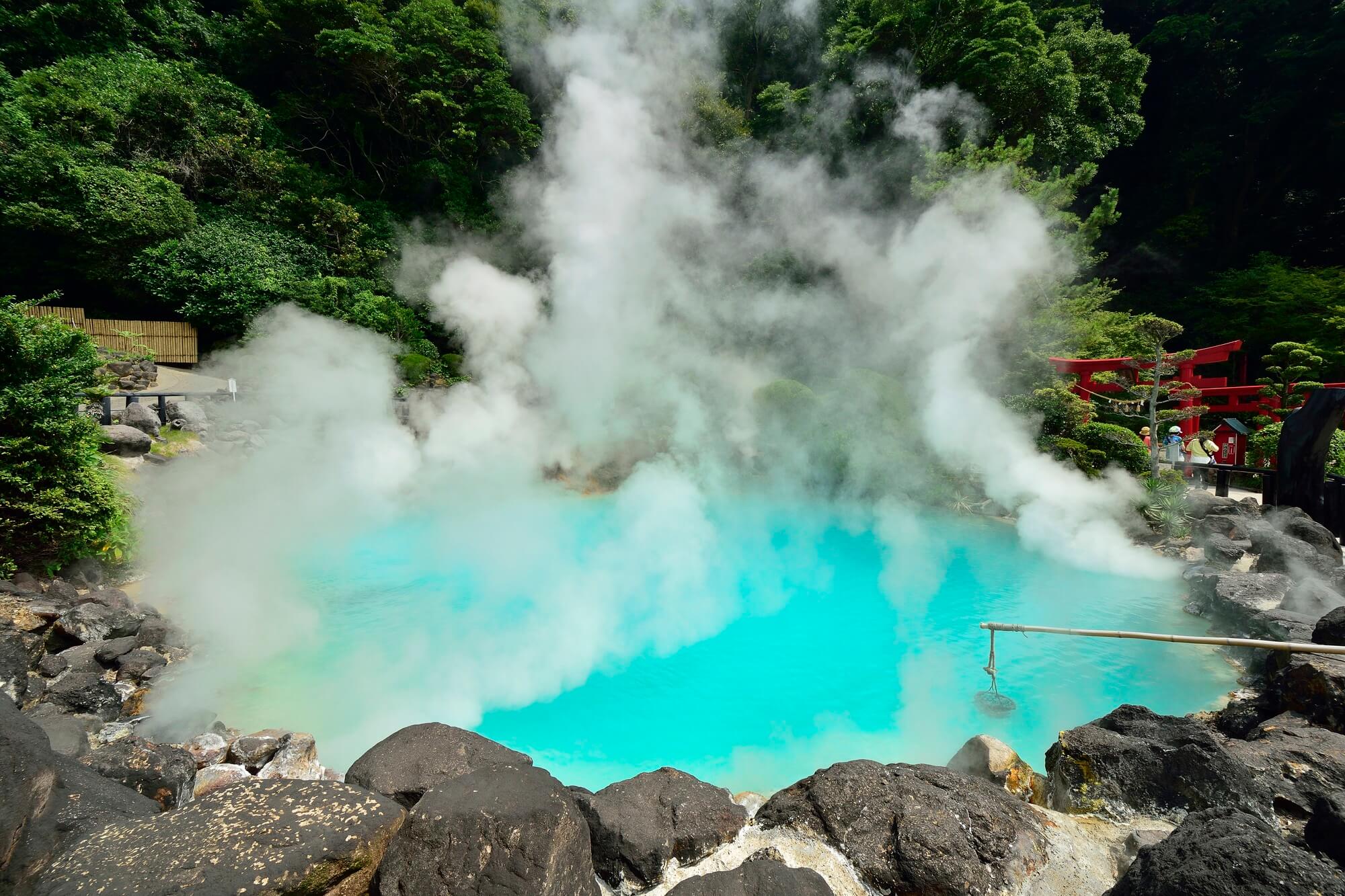
A volcano-top hot spring resort surrounded by 30 active sulfur vents known as Unzen Jigoku (Hells). The town sits inside Unzen-Amakusa National Park with dramatic hiking trails above the clouds.
Advertisement
When to Visit Nagasaki
Peak spots by season — ordered by best match.
More from Kyushu
Other prefectures in the same region
Ready to visit Nagasaki?
Let AI build a personalized day-by-day itinerary based on your interests and travel style.
Create a Nagasaki Itinerary