
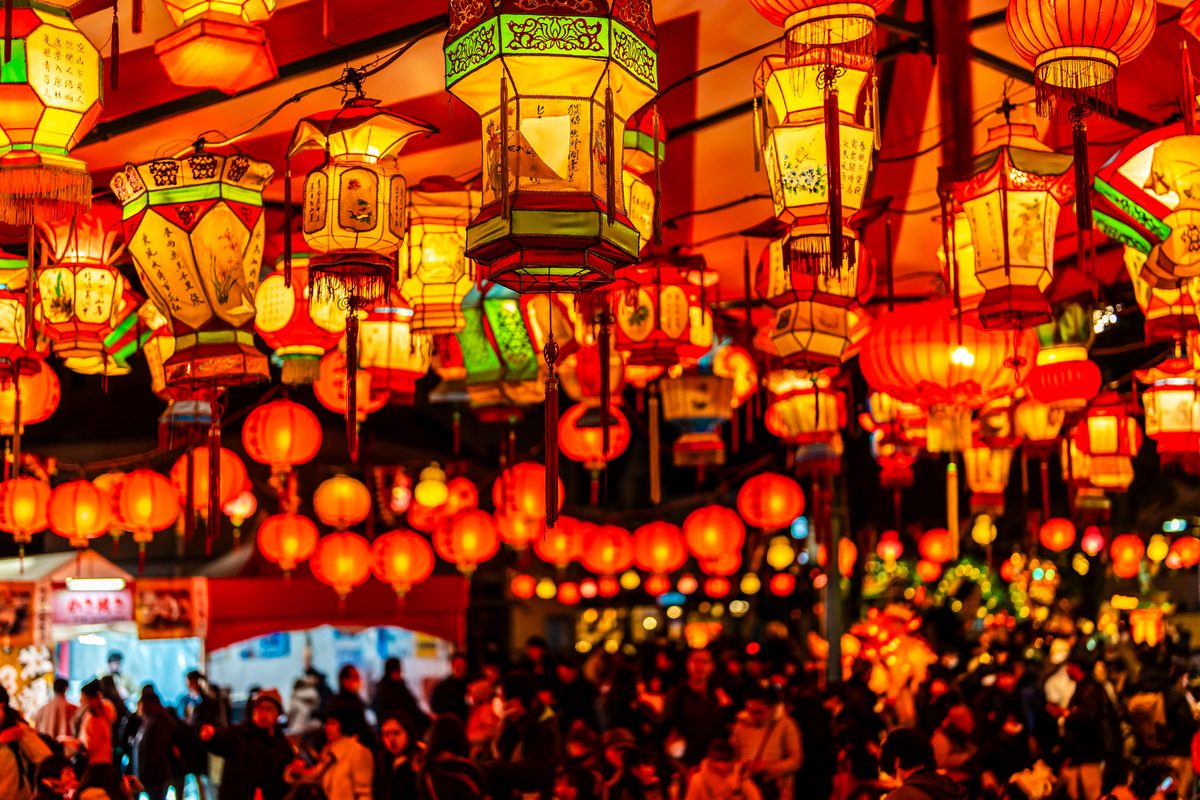
Nagasaki Shinchi & Lantern Festival Area
Japan's oldest and most atmospheric Chinatown, where the annual Lantern Festival (Nagasaki Lantern Festival) transforms the city every Chinese New Year with 15,000 lanterns hanging over the streets. The event is Nagasaki's biggest celebration — lion dances, Chinese opera, and emperor processions fill the harbor area for 15 days.
1–2 hours
Free; chanpon from ¥900
Chinatown always accessible; Lantern Festival: mid-January to mid-February (15 days, dates follow lunar calendar)
Year-round; late January–February for the Lantern Festival
5 min walk from Nagasaki Station or tram to Tsuki-machi
Location
Why Visit
- 1
Shikairou (四海楼) — founded in 1899 — claims to have invented chanpon noodles; the 5th-floor restaurant has harbor views
- 2
The Lantern Festival (late Jan / early Feb) is best at 6–9 PM when the lanterns are lit and crowds are manageable
- 3
The narrow Hamano-machi covered arcade behind Shinchi has Nagasaki's best street food: kakuni manju (braised pork buns)
Local Tips
The Nagasaki Lantern Festival is the largest in Japan — 15,000 lanterns fill not just Chinatown but the entire historic district including Hamano-machi and Suwa Shrine. The main parade (njan jyan bashi) with dragon dances runs on the weekend evenings. Plan accommodation well ahead if visiting during the festival period.
Add to your AI itinerary
Let AI build a multi-day trip around this spot.
Advertisement
More in Nagasaki
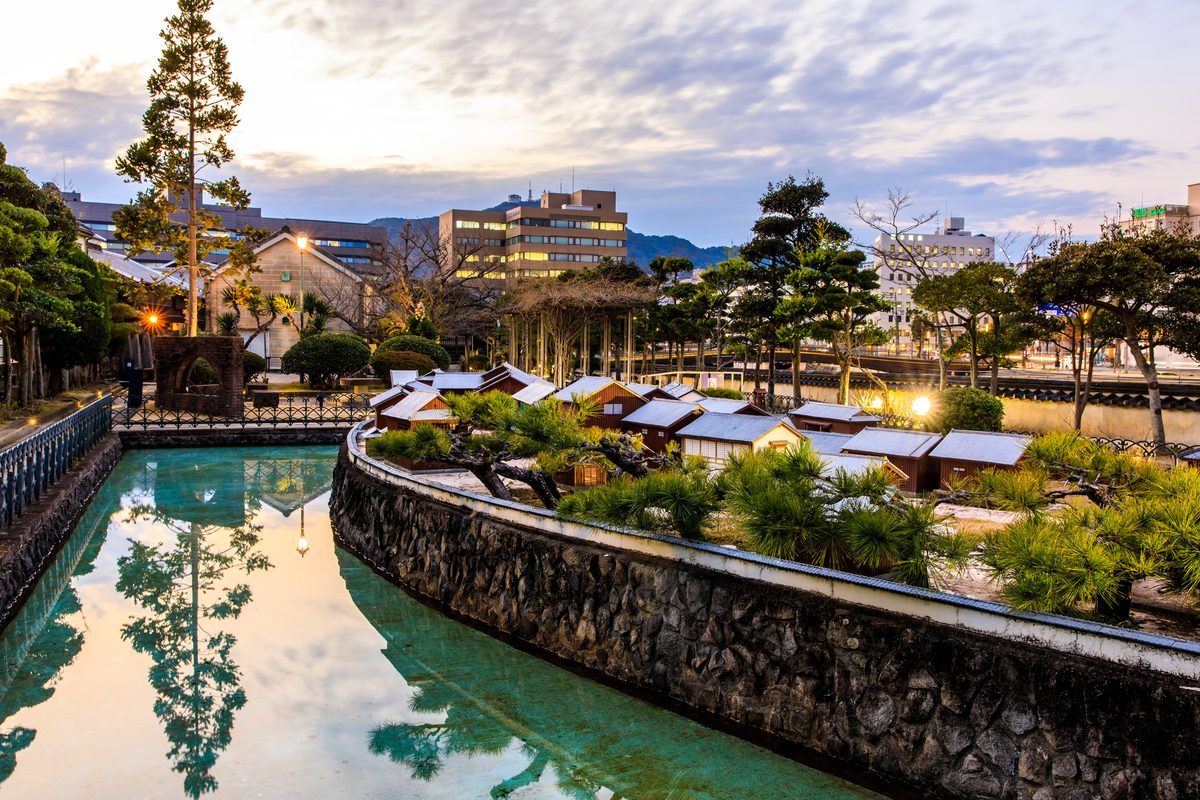
Dejima Dutch Trading Post
For 200 years during Japan's isolation period, this tiny fan-shaped artificial island was the only point of contact between Japan and the Western world. Dutch traders lived here under strict conditions; their books, clocks, and scientific instruments slowly changed Japan. The island has been meticulously reconstructed to its 1820s appearance, complete with furnished warehouses, a VOC flag, and Dutch gardens.
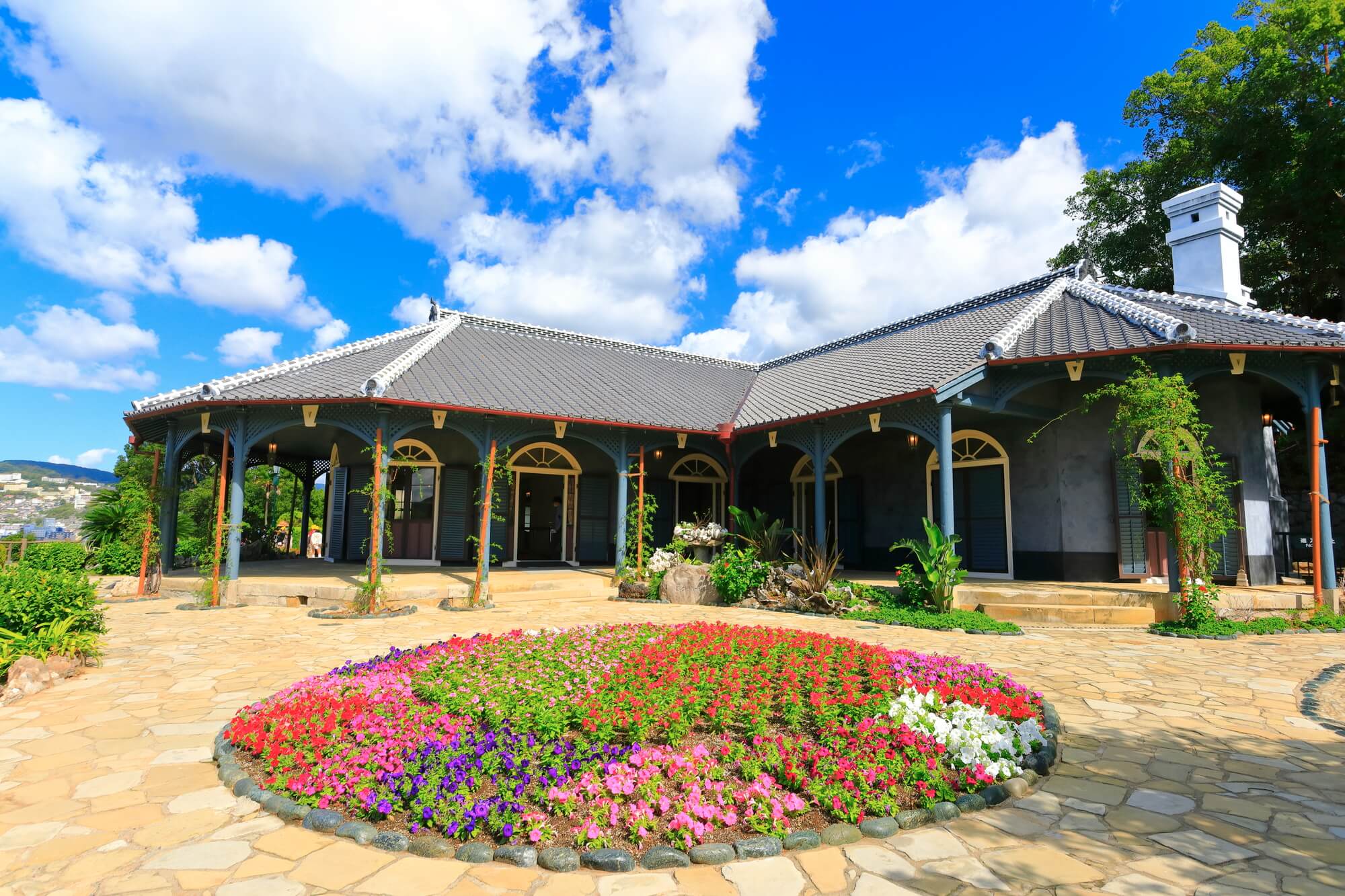
Glover Garden
An open-air hilltop museum of Western-style residences built by Meiji-era foreign merchants. Thomas Glover's stone villa (1863) is Japan's oldest surviving Western-style house, with sweeping harbor views.
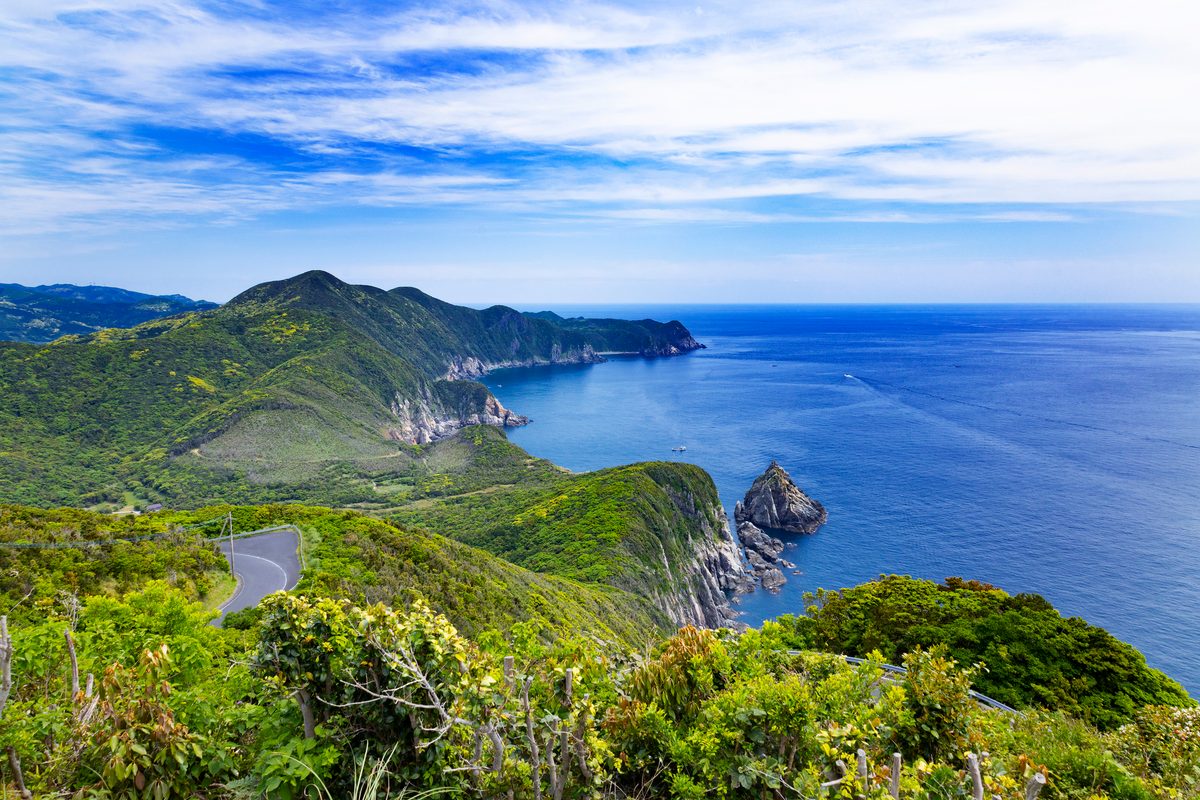
Goto Islands
An archipelago of 140 islands where 30,000 "hidden Christians" (kakure kirishitan) secretly maintained their faith for 250 years under the death penalty. The UNESCO-listed churches, set in fishing villages against a backdrop of spectacularly clear emerald sea, represent one of the world's most extraordinary stories of religious perseverance.