
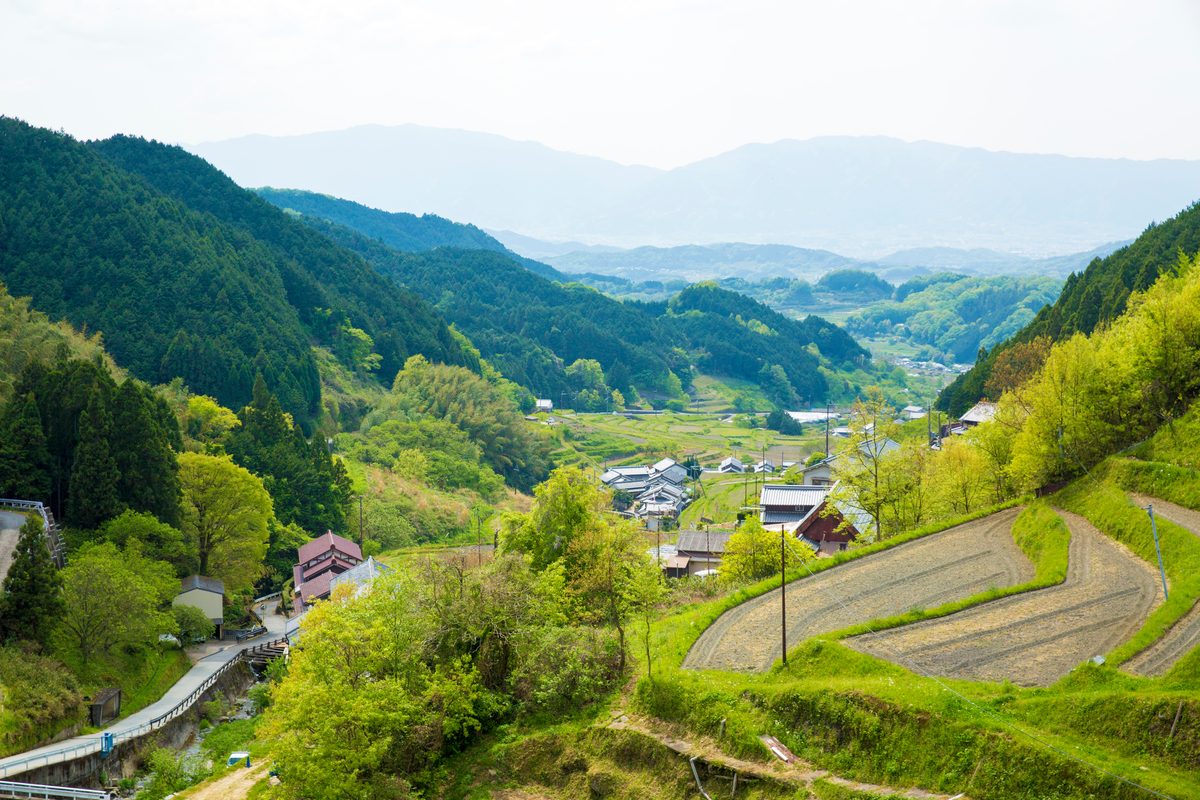
Asuka Village
Japan's ancient capital before Nara — the seat of power in the 6th and 7th centuries, dotted with mysterious stone sculptures, burial mounds, and the oldest Buddhist carvings in Japan. Best explored by rental bicycle through rice fields connecting colossal granite figures, imperial tombs, and the Asuka-dera temple (Japan's oldest).
Full day
Free (individual sites ¥300–600)
Always open (outdoor sites); individual museums 9:00–17:00, closed Mon
March–May, September–November
Asuka Station on Kintetsu Yoshino Line (50 min from Osaka-Namba)
Location
Why Visit
- 1
Japan's capital before Nara and Kyoto — the political and cultural centre of 6th–7th century Japan
- 2
Mysterious granite sculptures (Kameishi, Sakafuneishi) with no surviving explanation of their purpose
- 3
Best visited by bicycle — rental shops at Asuka Station, flat rice-field roads connecting every site
Local Tips
Rent a bicycle at Asuka Station — it's the only practical way to connect the scattered burial mounds, stone carvings, and palace ruins. The Kitora Tomb murals can only be viewed on reserved dates; check the schedule at the Asuka Museum. Spring rice field views with ancient mounds are extraordinary.
Add to your AI itinerary
Let AI build a multi-day trip around this spot.
Advertisement
More in Nara
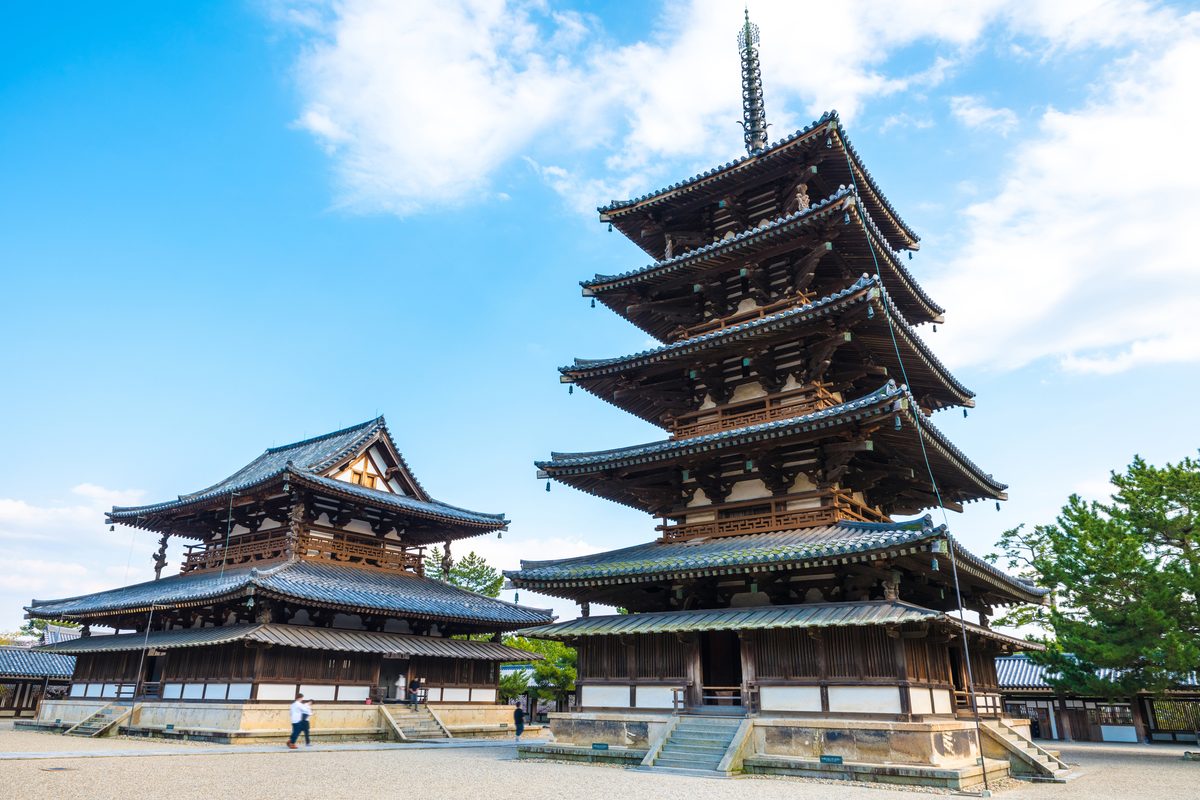
Horyuji Temple
The world's oldest surviving wooden structures — the main hall (kondo) and five-storey pagoda were built in 607 CE and have stood for 1,400 years. A UNESCO World Heritage site and the temple founded by Prince Shotoku himself. The attached Yumedono (Hall of Dreams) houses Japan's most perfectly preserved 7th-century gilt bronze statue.
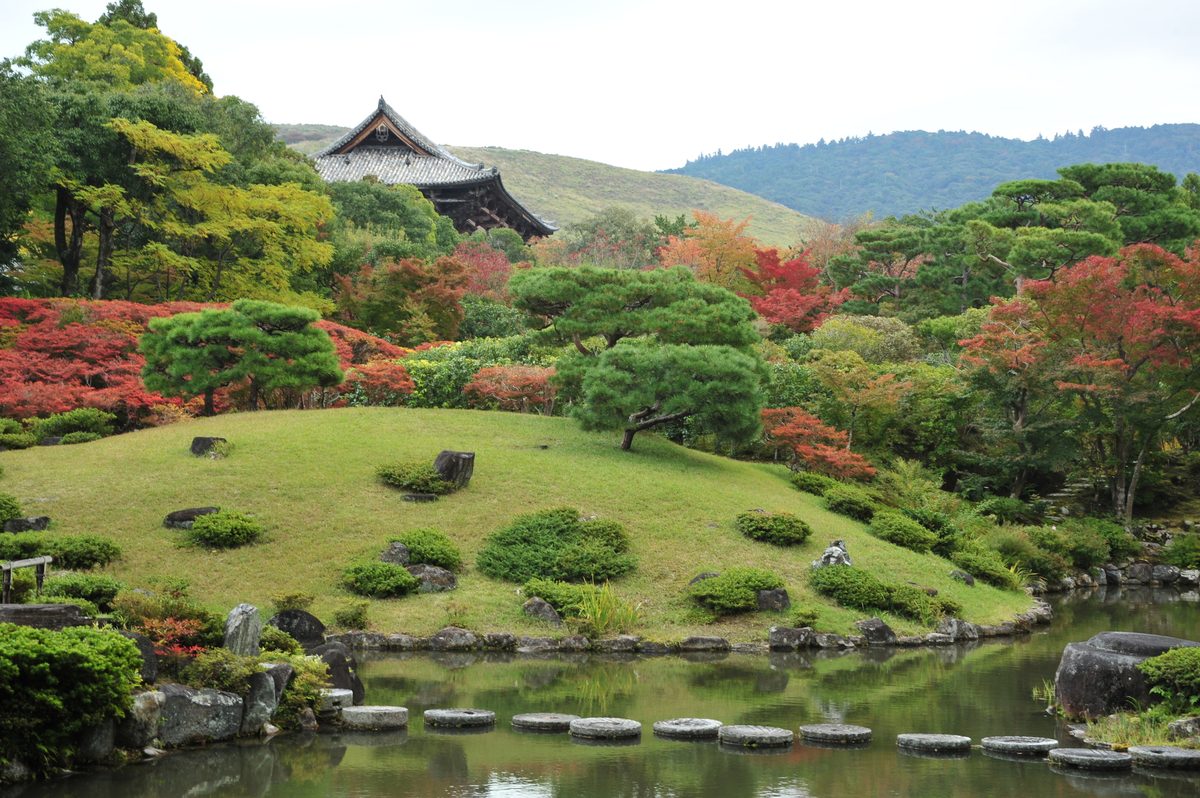
Isuien Garden
Nara's finest stroll garden — a succession of ponds, bridges, and viewpoints that incorporate Mt Mikasa and the Great Buddha Hall roof into the composition as "borrowed scenery." Built in the 17th and 19th centuries, it remains one of Japan's most sophisticated examples of the shakkei technique.
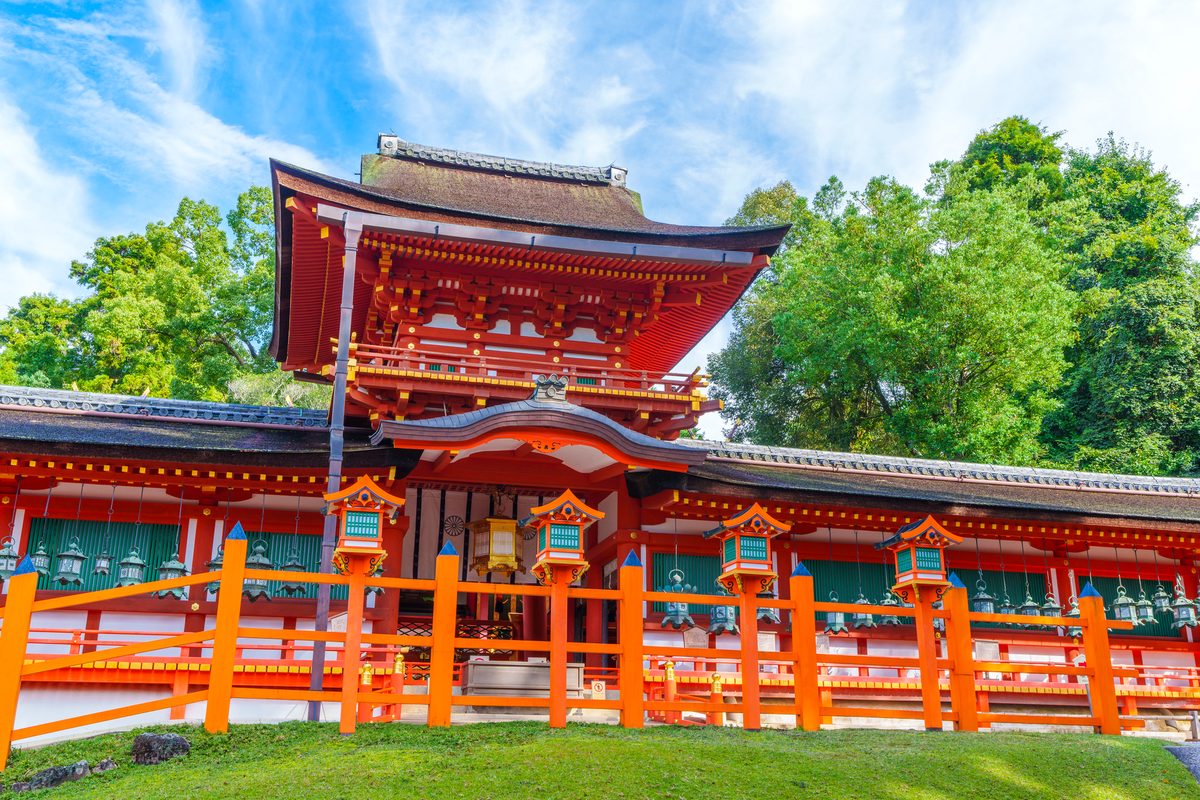
Kasuga Taisha
Nara's most important shrine, founded in 768 CE by the Fujiwara clan and a UNESCO World Heritage site. Over 3,000 stone and bronze lanterns line the approach — lit twice a year in massive candlelit festivals. The primeval Kasugayama Forest behind the shrine has been sacred land for 1,300 years, never logged.