
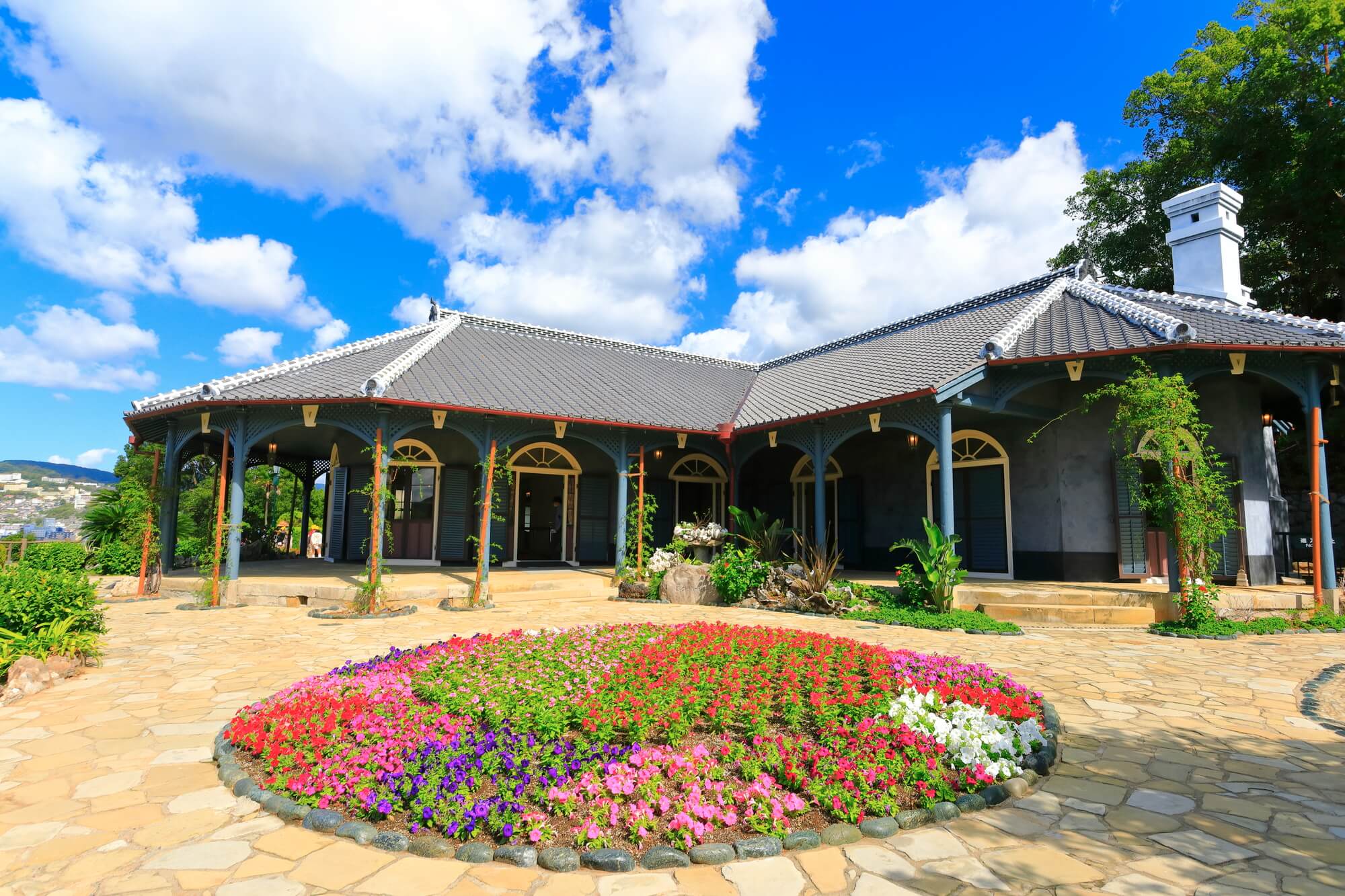
Glover Garden
An open-air hilltop museum of Western-style residences built by Meiji-era foreign merchants. Thomas Glover's stone villa (1863) is Japan's oldest surviving Western-style house, with sweeping harbor views.
1.5–2 hours
¥620 adults
8:00–18:00 (21:00 during summer light-up); open year-round
Year-round, autumn colors in November
15 min walk from Oura Tenshudo-Shita tram stop
Location
Why Visit
- 1
The outdoor escalators up the hill are surprisingly useful and free to use
- 2
A bronze statue of Puccini's Madame Butterfly stands in the garden — the opera was partly inspired by Nagasaki
- 3
Walk down through the Hollander Slope — a cobblestone street of historic foreign residences
Local Tips
The hilltop garden contains the oldest surviving Western-style buildings in Japan. Take the stairs down (not the moving walkway) for the best garden views. At the summit, the panorama over Nagasaki harbour is outstanding. Combine with Dejima and Urakami Cathedral for a full Nagasaki colonial and wartime history day.
Add to your AI itinerary
Let AI build a multi-day trip around this spot.
Advertisement
More in Nagasaki
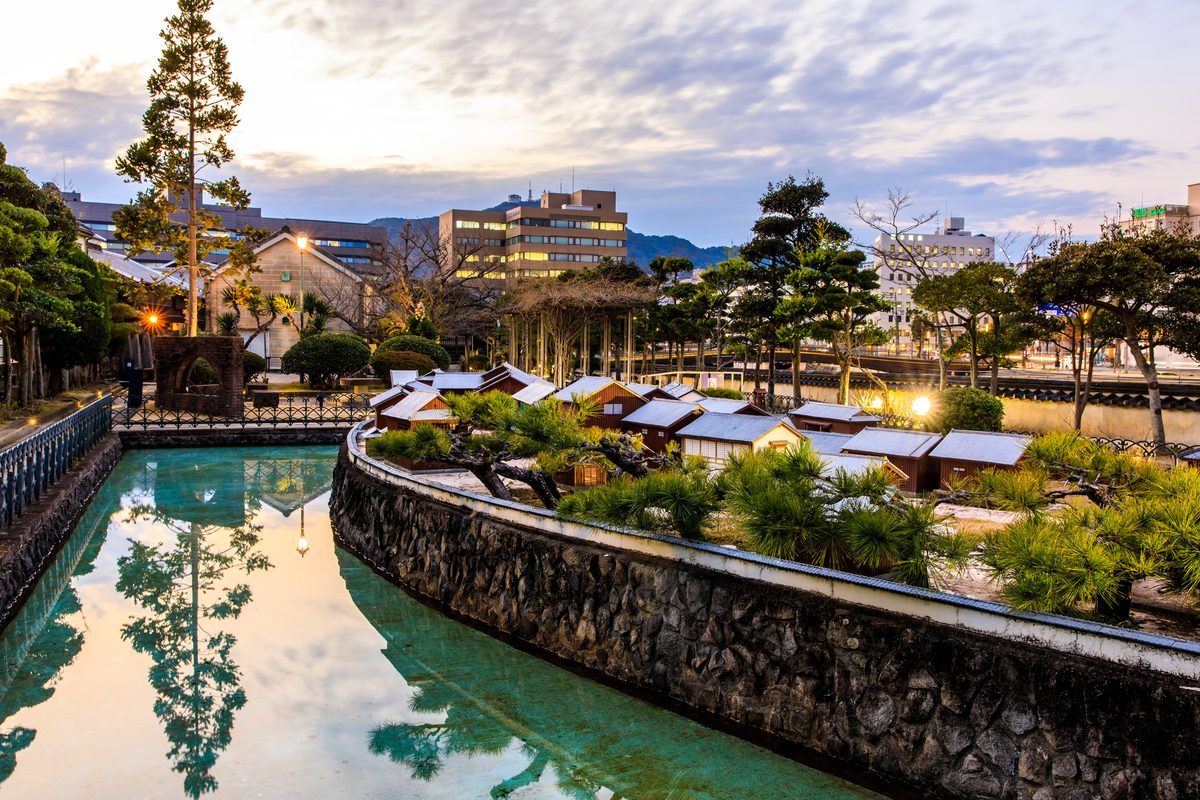
Dejima Dutch Trading Post
For 200 years during Japan's isolation period, this tiny fan-shaped artificial island was the only point of contact between Japan and the Western world. Dutch traders lived here under strict conditions; their books, clocks, and scientific instruments slowly changed Japan. The island has been meticulously reconstructed to its 1820s appearance, complete with furnished warehouses, a VOC flag, and Dutch gardens.
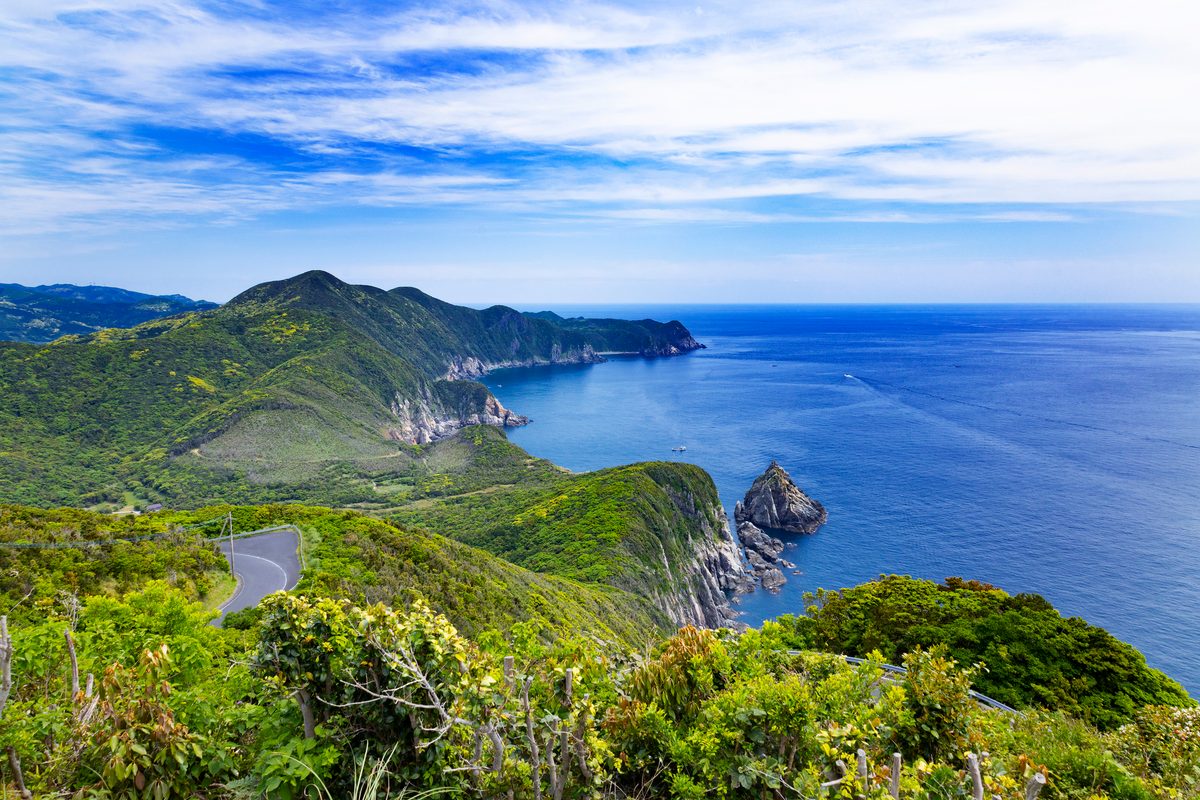
Goto Islands
An archipelago of 140 islands where 30,000 "hidden Christians" (kakure kirishitan) secretly maintained their faith for 250 years under the death penalty. The UNESCO-listed churches, set in fishing villages against a backdrop of spectacularly clear emerald sea, represent one of the world's most extraordinary stories of religious perseverance.
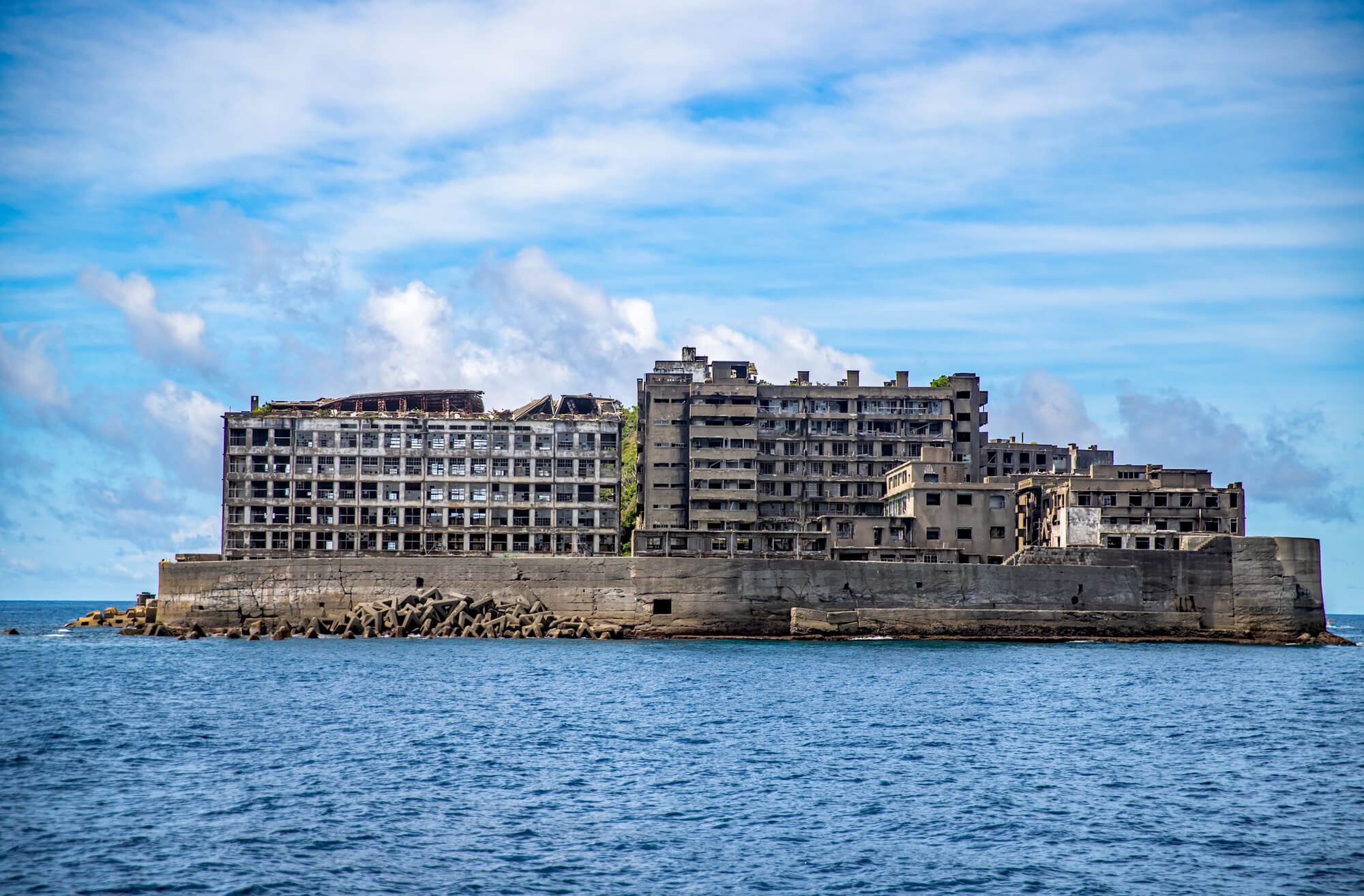
Hashima (Gunkanjima)
The haunting abandoned island known as "Battleship Island" — a former undersea coal mine that once housed 5,000 people in the world's highest population density. Now a UNESCO World Heritage site.