
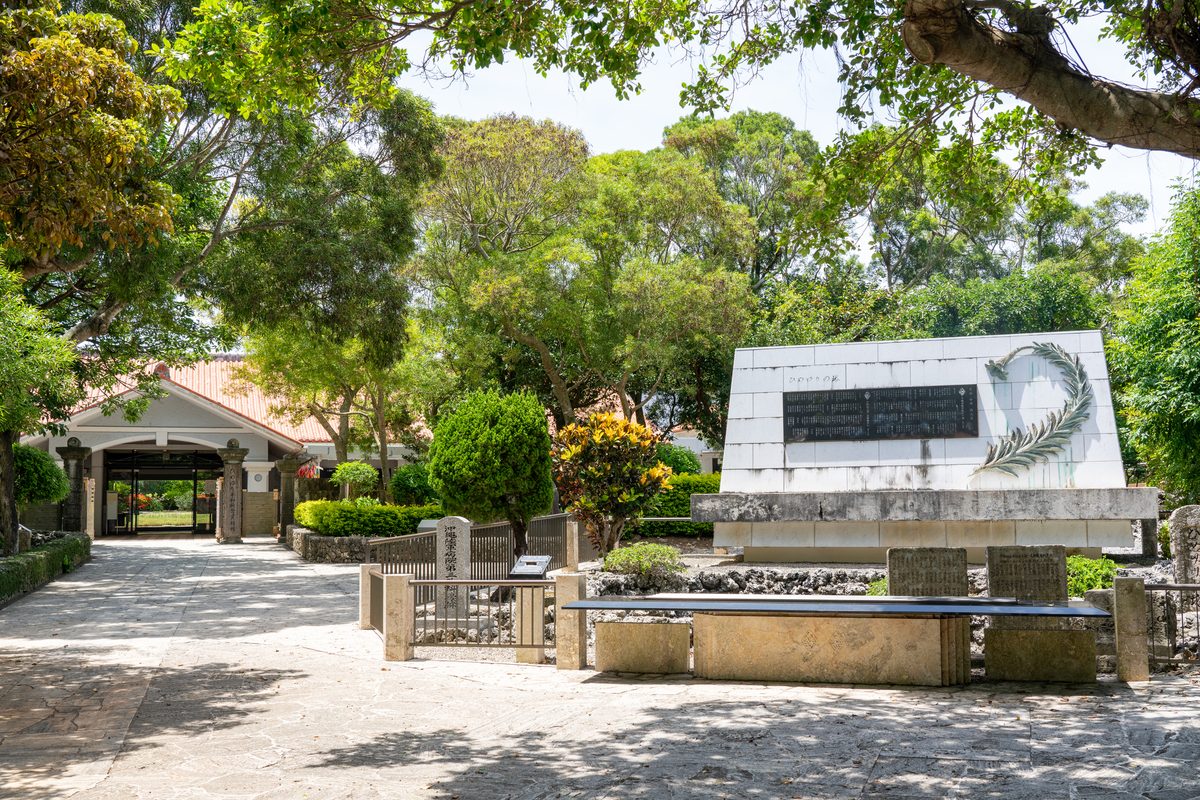
Himeyuri Peace Museum
A devastating and essential memorial to the 136 young Okinawan schoolgirls who served as field nurses in the final Battle of Okinawa. Their diaries, photos, and testimonies make this one of Japan's most moving wartime museums.
1–2 hours
¥450 adults, ¥250 high school, ¥150 elementary/junior high
9:00–17:25 (last entry 17:00); open year-round.
year-round
From Naha: take bus 89 to Itoman Bus Terminal, then bus 82 or 107 to Himeyuri no To-mae (approx. 60–90 min total). Taxi from Naha approx. 30 min
Location
Why Visit
- 1
Voices of student nurses who died in 1945
- 2
Personal diaries and photographs on display
- 3
Located near the actual cave where many perished
- 4
Essential context for understanding Okinawan identity
Local Tips
Allow 90 minutes — the farewell letters and photos of student nurses who died aged 15–19 are deeply affecting. The actual cave where survivors sheltered is preserved on-site. Combine with the Peace Memorial Museum in Itoman (5 min by car) for a comprehensive day of Okinawa wartime history.
Add to your AI itinerary
Let AI build a multi-day trip around this spot.
Advertisement
More in Okinawa
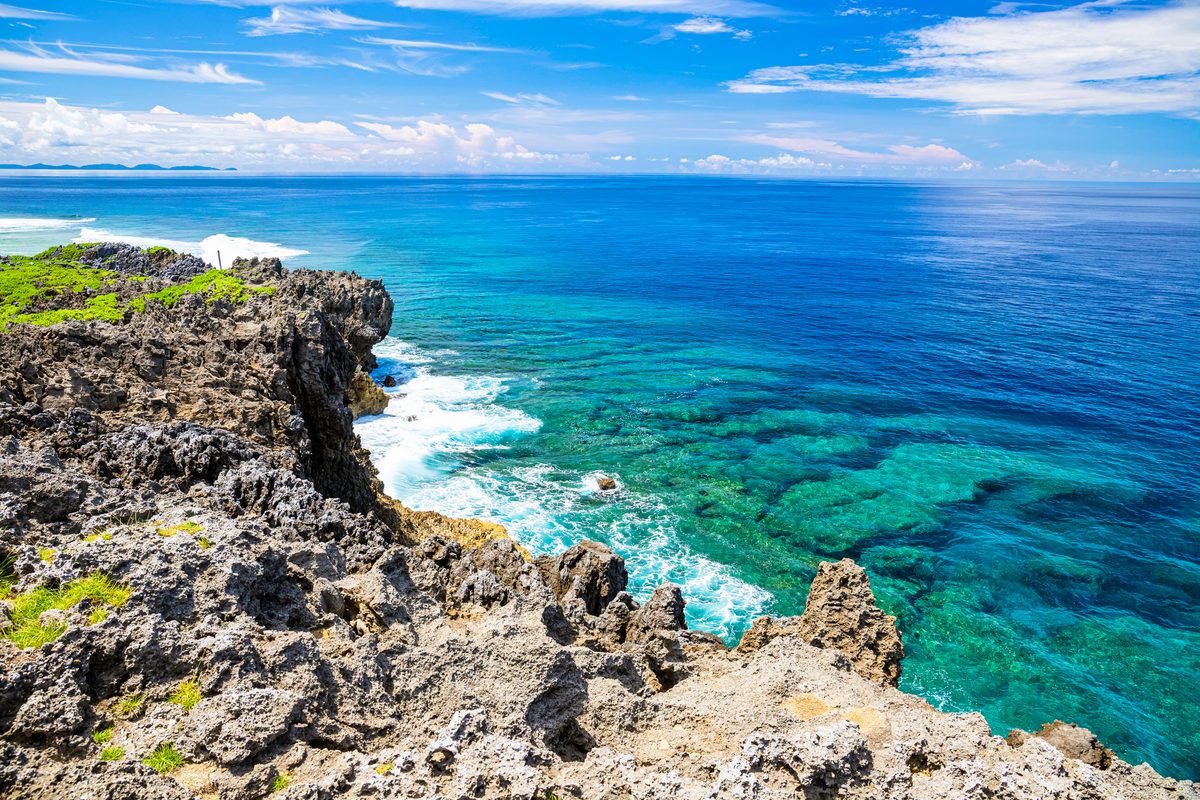
Cape Hedo
The wild, windswept northernmost tip of Okinawa main island, where the Pacific Ocean and East China Sea visibly meet in churning swells. A monument commemorates Okinawa's return to Japan in 1972.
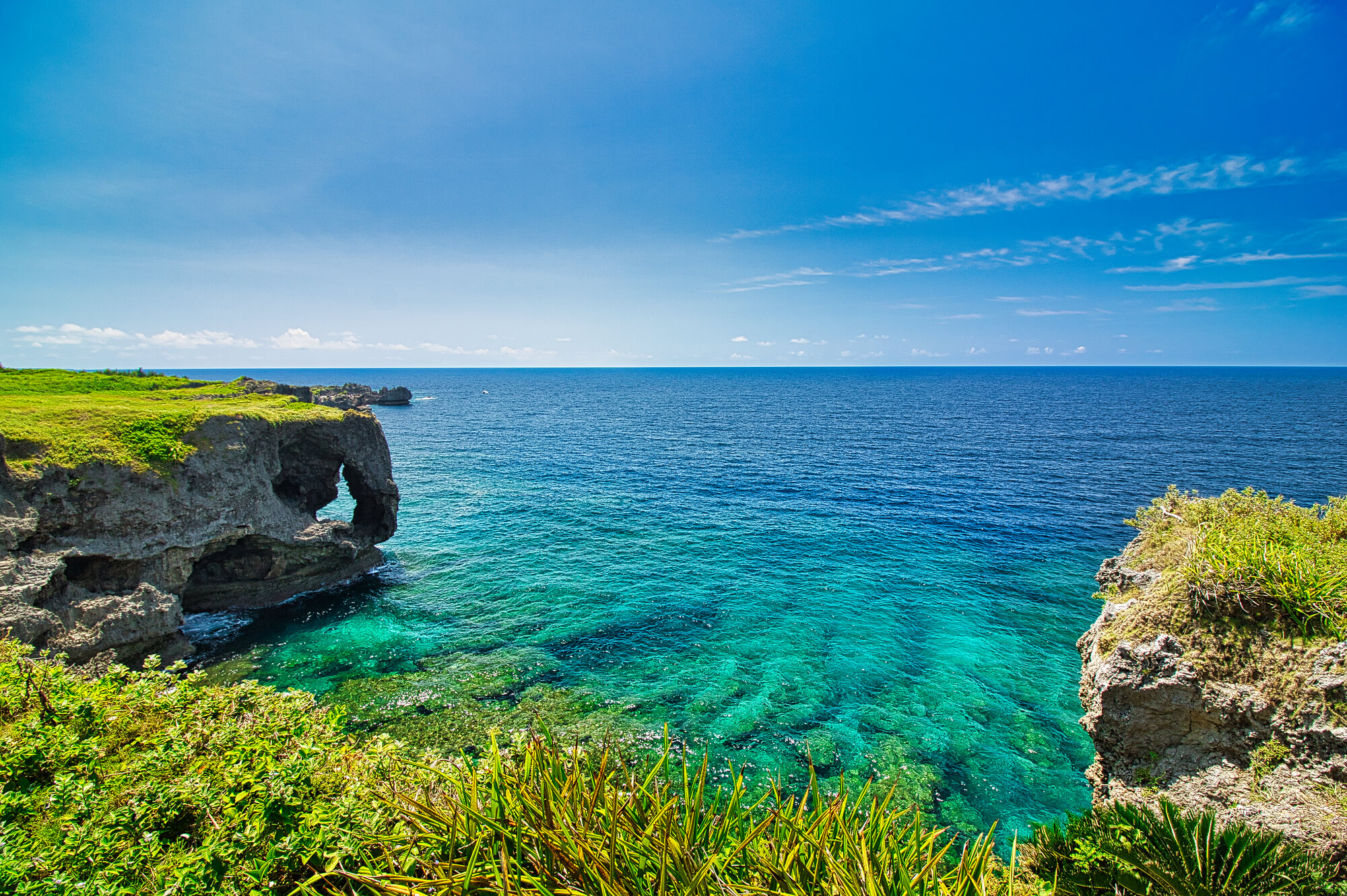
Cape Manzamo
A dramatic coral-limestone clifftop where the rock has been sculpted by the sea into an elephant trunk shape. One of Okinawa's most iconic viewpoints, looking out over electric-blue water to the East China Sea.
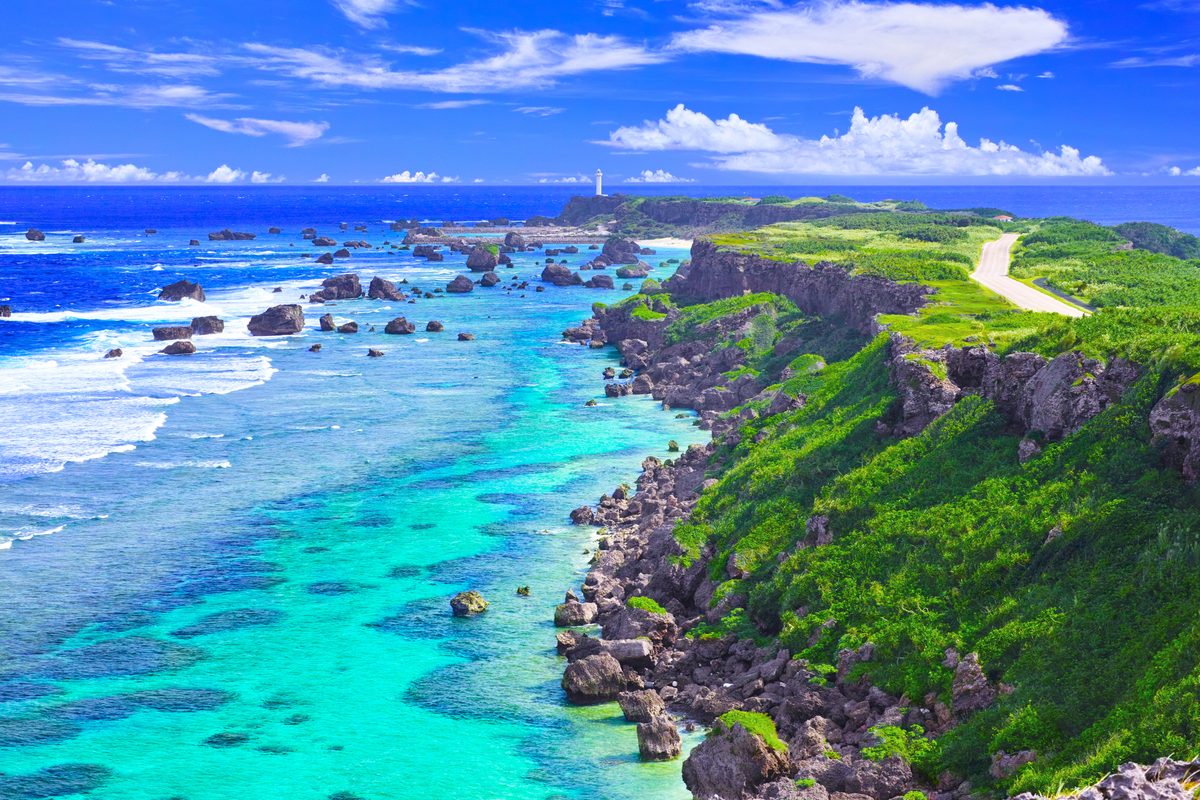
East Hennazaki Cape
A narrow 2km peninsula jutting into the Pacific with a lighthouse at the tip, flanked by lily fields in spring. A National Scenic Beauty — the walk out feels like being on the prow of a ship sailing into open ocean.