
Okinawa Travel Guide
Japan's southernmost island chain feels like a world apart — and it genuinely is. Ryukyu culture, distinct from mainland Japan in language, cuisine, architecture, and spiritual practice, survives vigorously in the Okinawan way of life. Coral reefs of extraordinary clarity, the medieval Shuri Castle, traditional bingata textiles, champuru stir-fries, and the layered Pacific War history all coexist in an archipelago that rewards slow, curious travel.
5 hidden gems in Okinawa include insider locations, local tips, and full access details.
Hidden Gems in Okinawa
Hand-picked spots off the tourist trail — all personally curated.
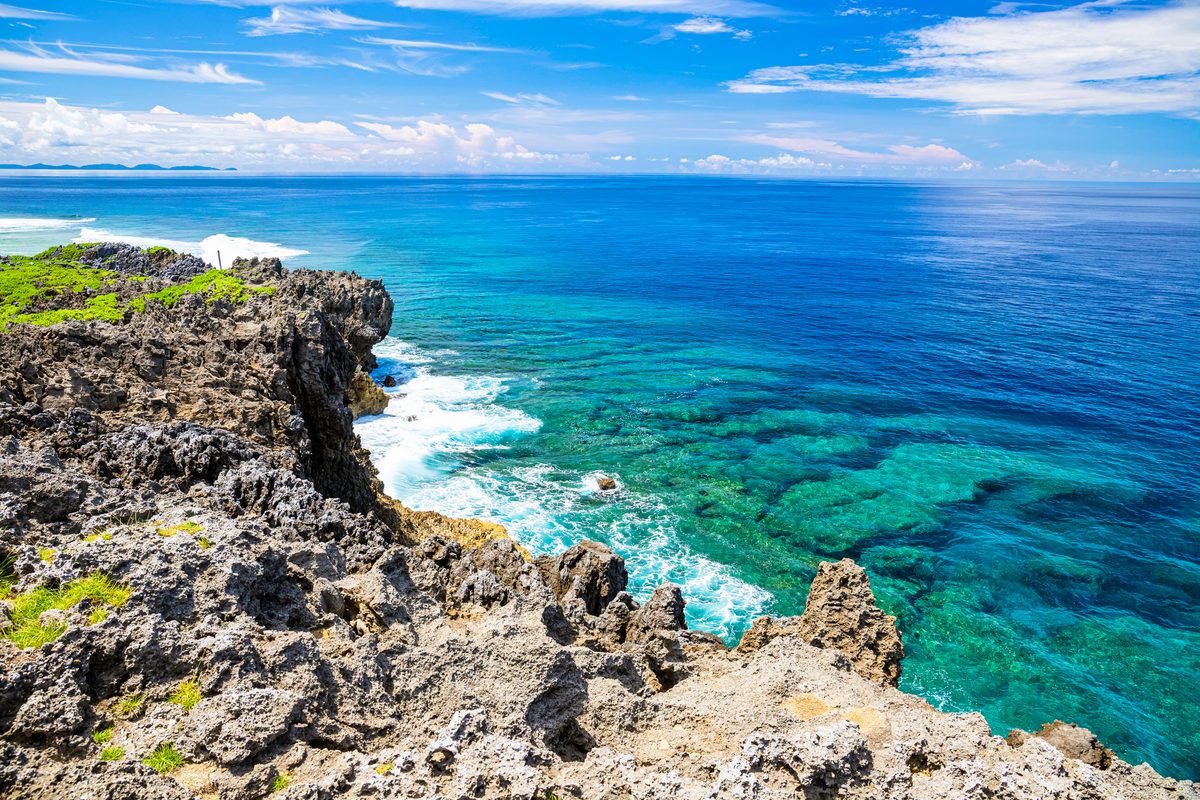
Cape Hedo
The wild, windswept northernmost tip of Okinawa main island, where the Pacific Ocean and East China Sea visibly meet in churning swells. A monument commemorates Okinawa's return to Japan in 1972.
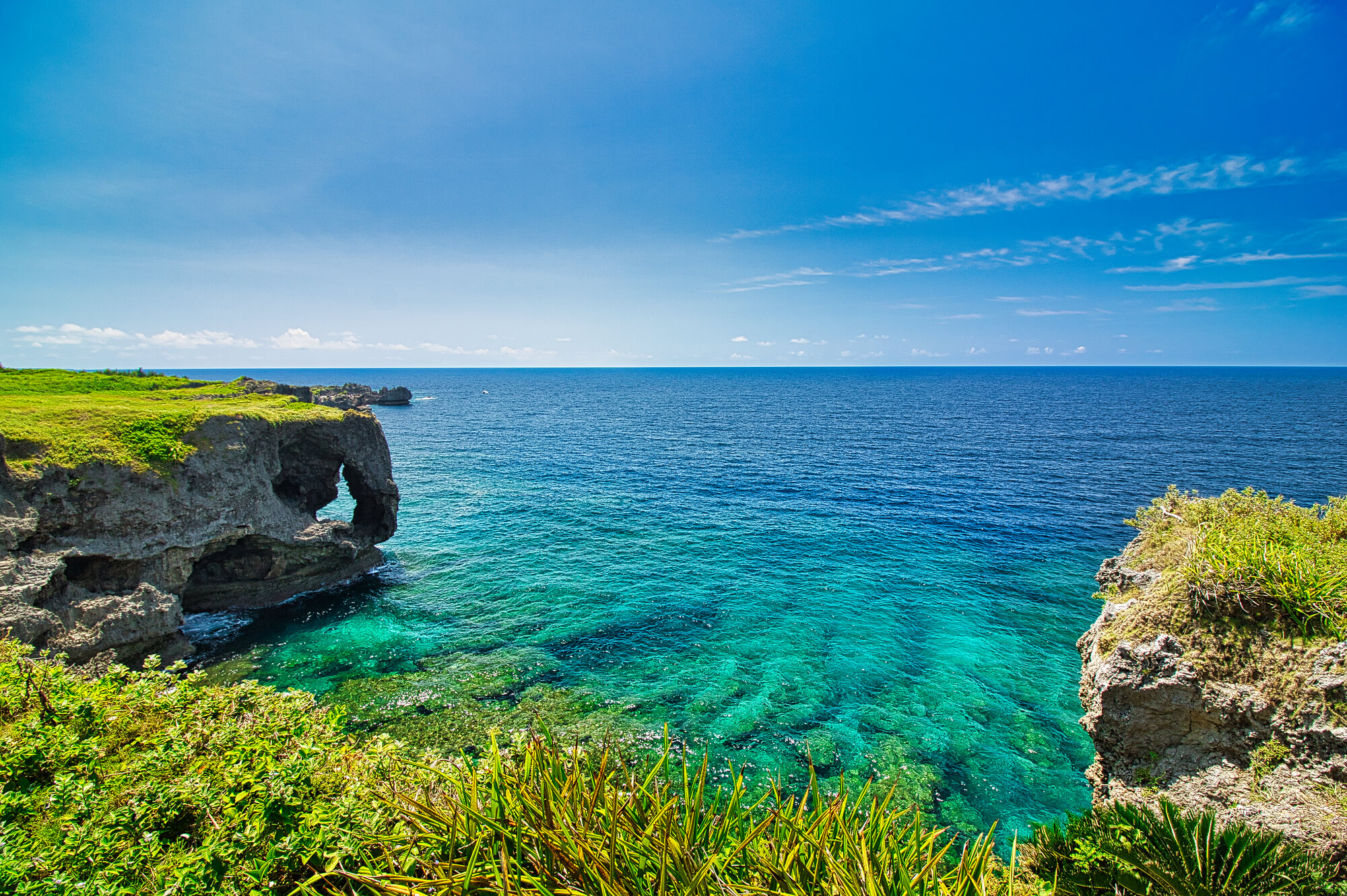
Cape Manzamo
A dramatic coral-limestone clifftop where the rock has been sculpted by the sea into an elephant trunk shape. One of Okinawa's most iconic viewpoints, looking out over electric-blue water to the East China Sea.
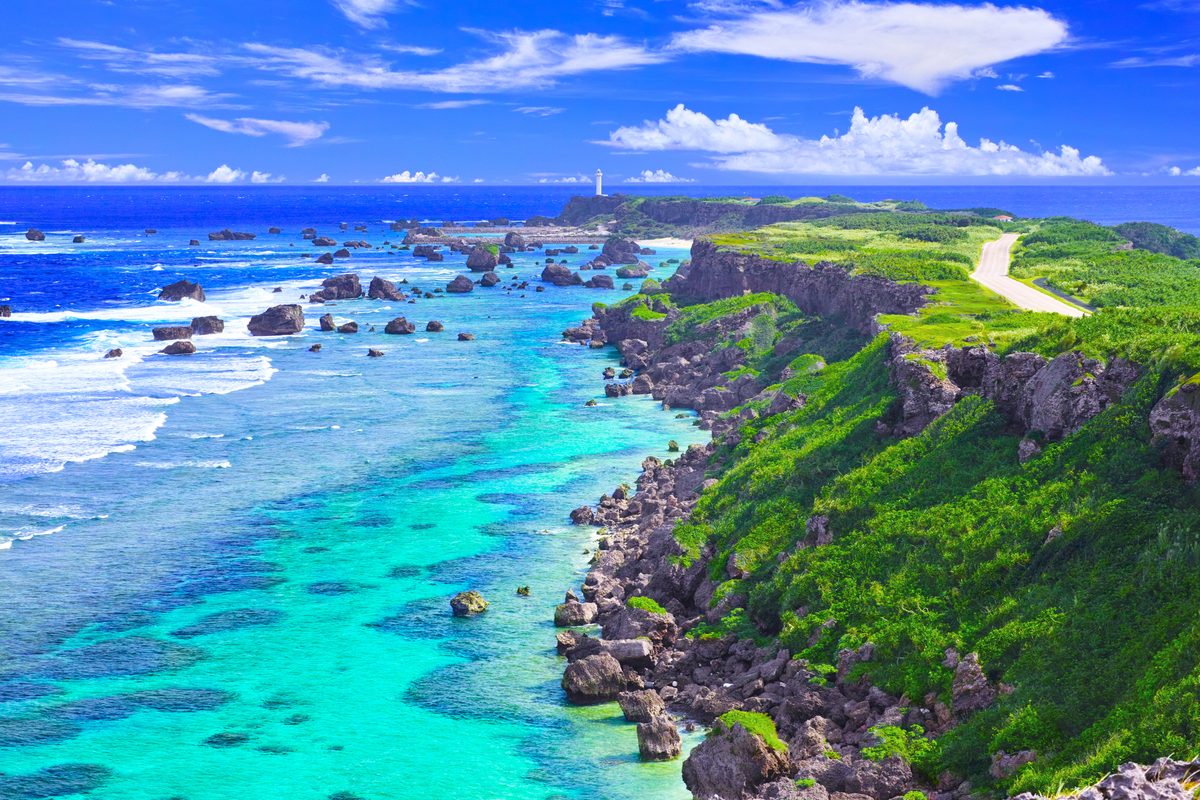
East Hennazaki Cape
A narrow 2km peninsula jutting into the Pacific with a lighthouse at the tip, flanked by lily fields in spring. A National Scenic Beauty — the walk out feels like being on the prow of a ship sailing into open ocean.
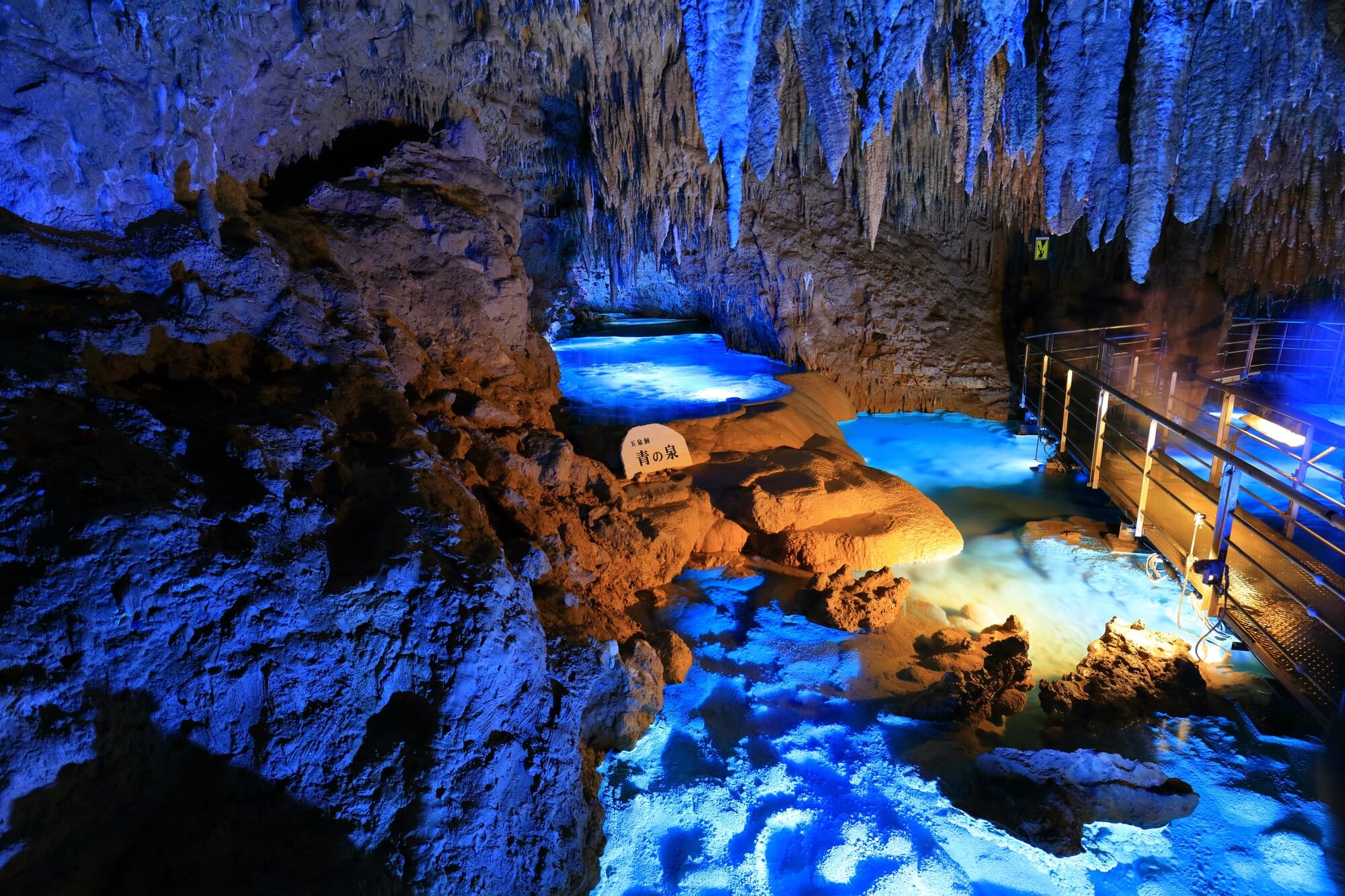
Gyokusendo Cave
The longest limestone cave system in East Asia, stretching over 5 km. The 890 m public route passes through cathedral chambers with 30,000-year-old stalactites and an underground river.
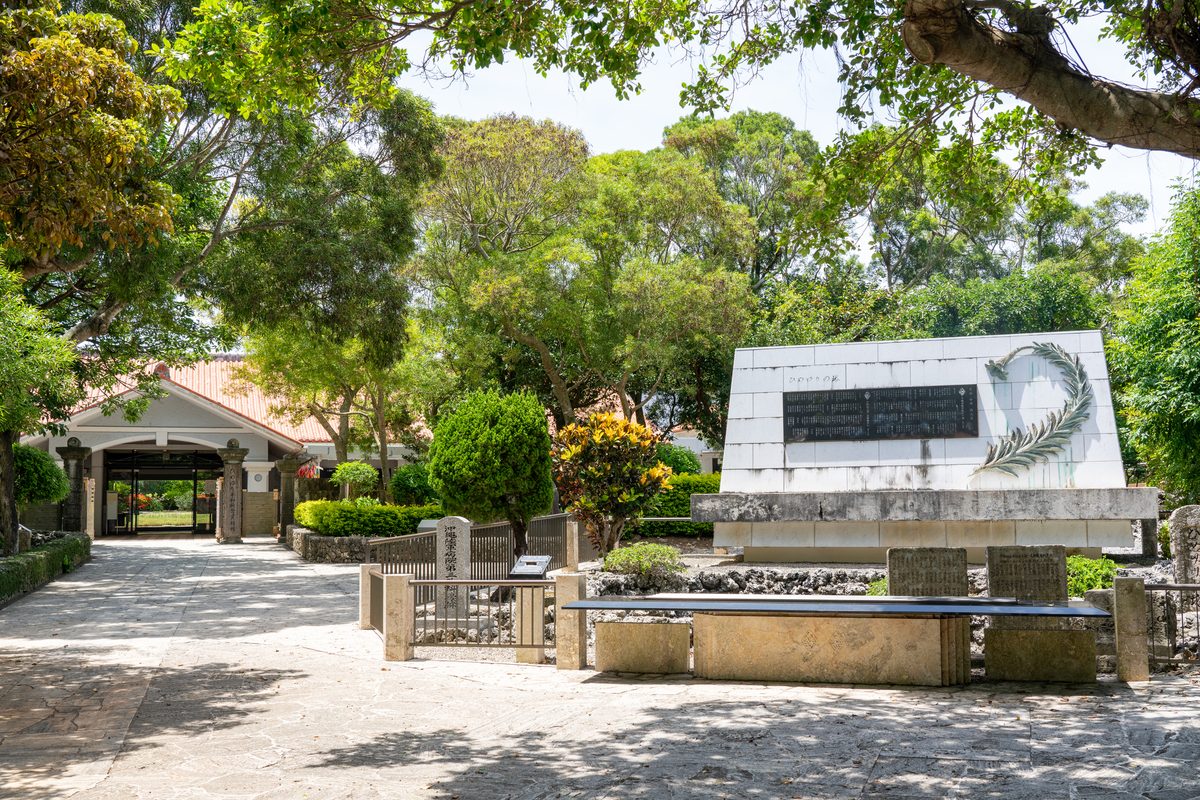
Himeyuri Peace Museum
A devastating and essential memorial to the 136 young Okinawan schoolgirls who served as field nurses in the final Battle of Okinawa. Their diaries, photos, and testimonies make this one of Japan's most moving wartime museums.
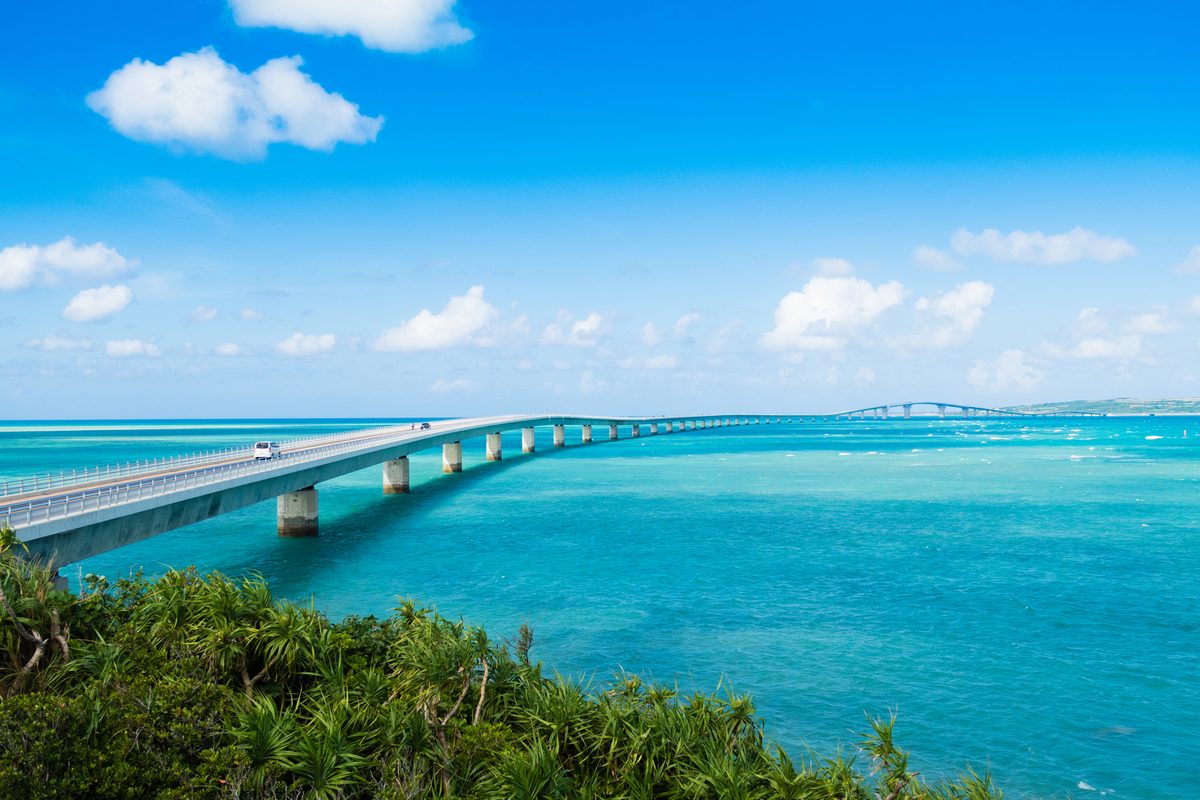
Irabu Bridge
Japan's longest toll-free bridge at 3.54km, connecting Miyako Island to Irabu Island over waters so turquoise they look computer-generated. Driving or cycling across at sunset is one of the great drives in Japan.
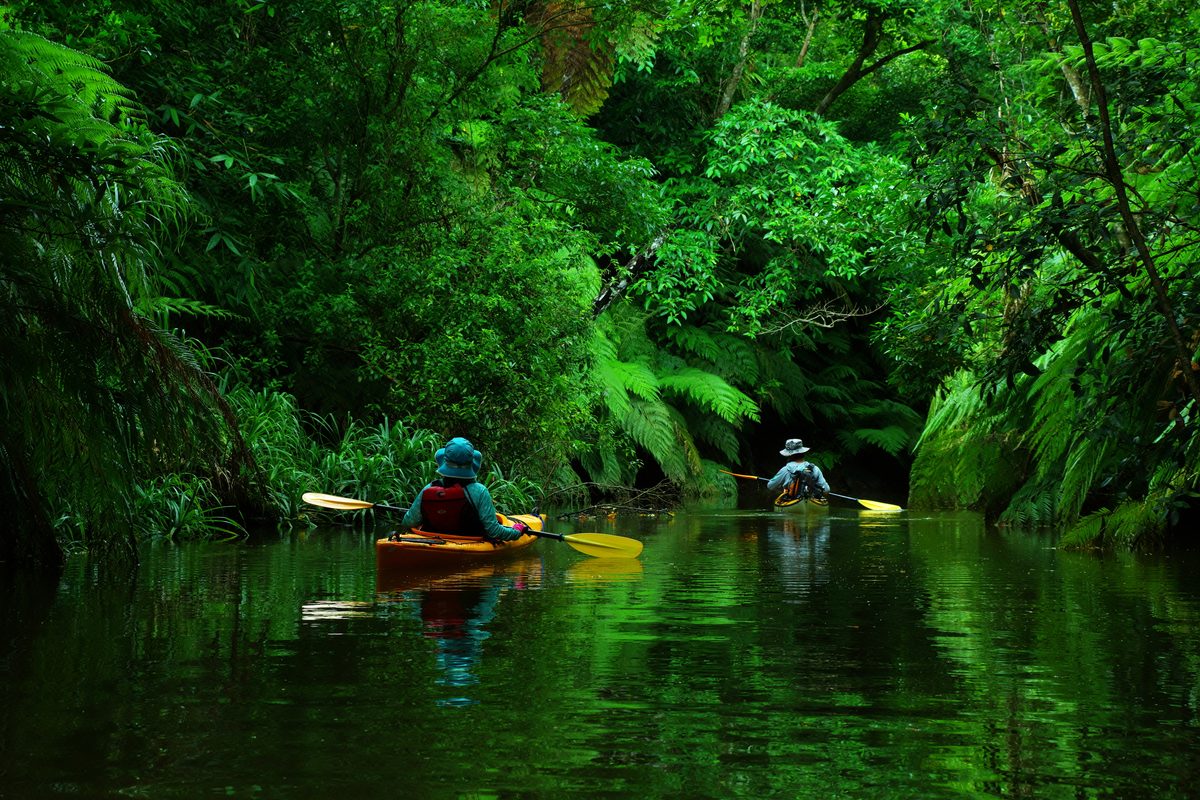
Iriomote Island
Over 90% primary jungle and UNESCO World Heritage listed, Iriomote is home to the critically endangered Iriomote wildcat. Dense mangrove river kayaking, remote waterfall trekking, and some of Japan's clearest coral waters.
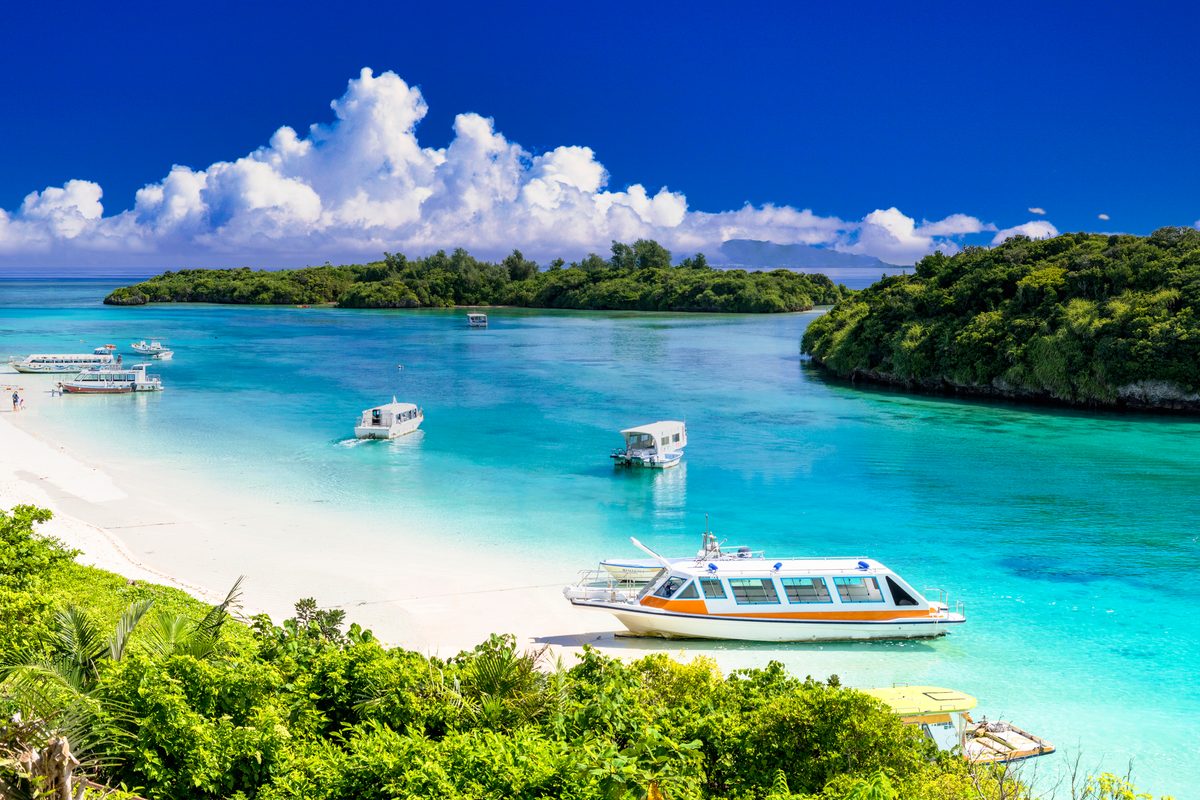
Kabira Bay
Ishigaki Island's most famous view — tiny forested islands floating in water so clear you can count the coral heads from a glass-bottomed boat. Swimming is prohibited to protect the black pearl oyster farms, keeping it pristine.
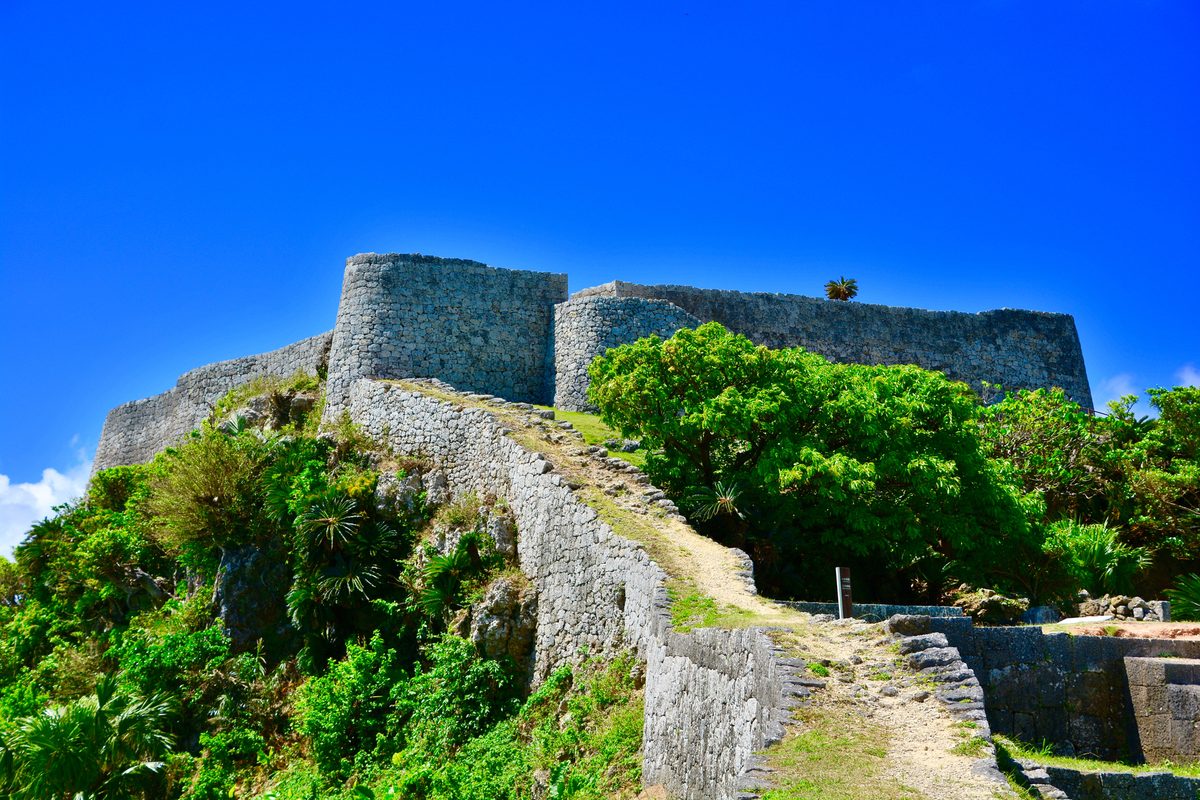
Katsuren Castle Ruins
Perched dramatically on a hill overlooking Katsuren Peninsula and the Pacific, this UNESCO-listed castle is linked to Amawari — one of Ryukyu's most celebrated warrior lords. Views from the upper ramparts are extraordinary.
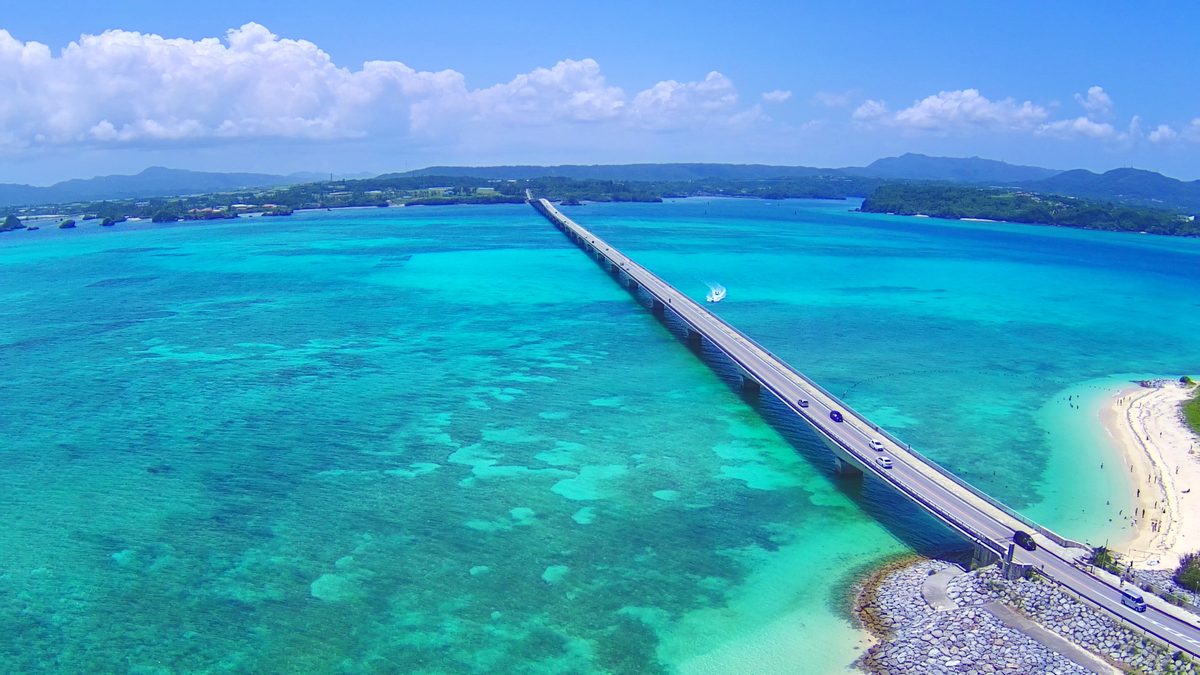
Kouri Island & Heart Rock
A small island connected to Okinawa's main island by a 1.9 km bridge with clear turquoise water on both sides. The island is famous for Heart Rock — two naturally heart-shaped coral rocks on Tinu Beach, framed by the East China Sea. The beach requires a 5-minute hike down from the bridge, which keeps crowds manageable.
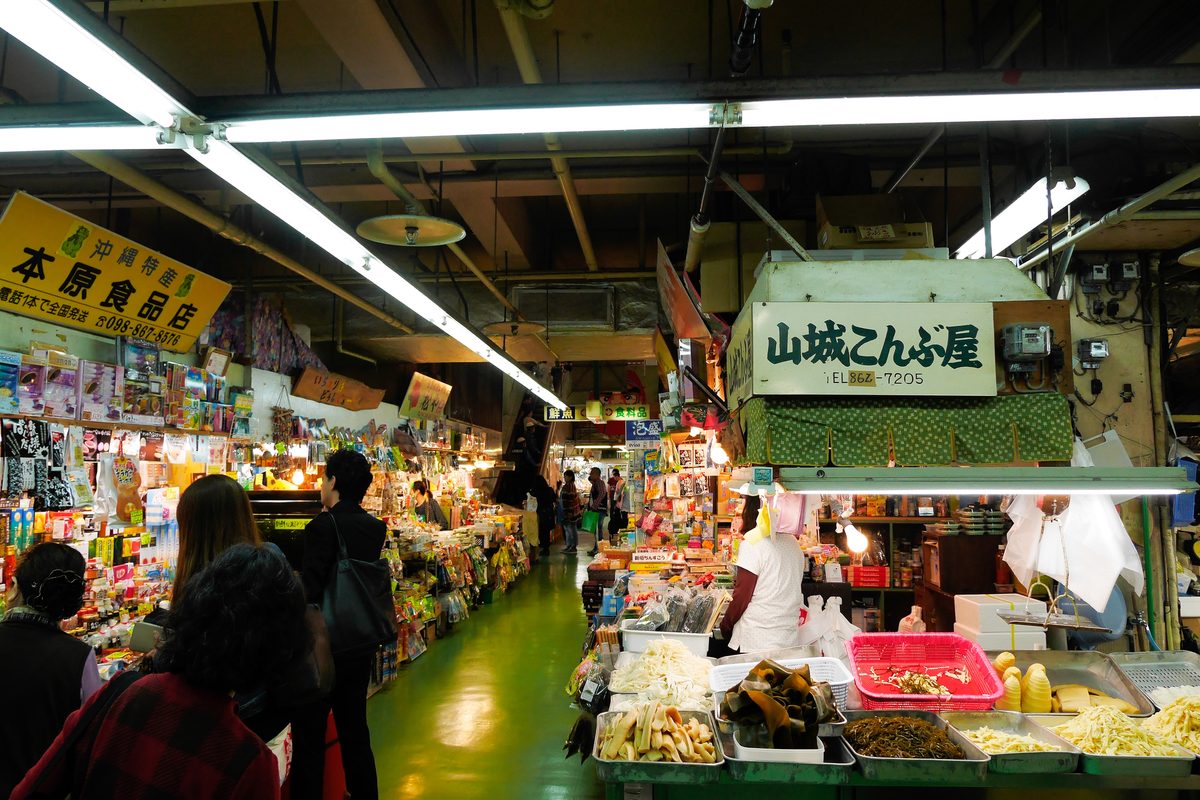
Makishi Public Market
The beating heart of Naha street food culture. Buy fish, pork, or sea snake from vendors below, carry it to the 2F restaurants, and have it cooked while you eat. Rebuilt 2023 — modern building, same local energy.
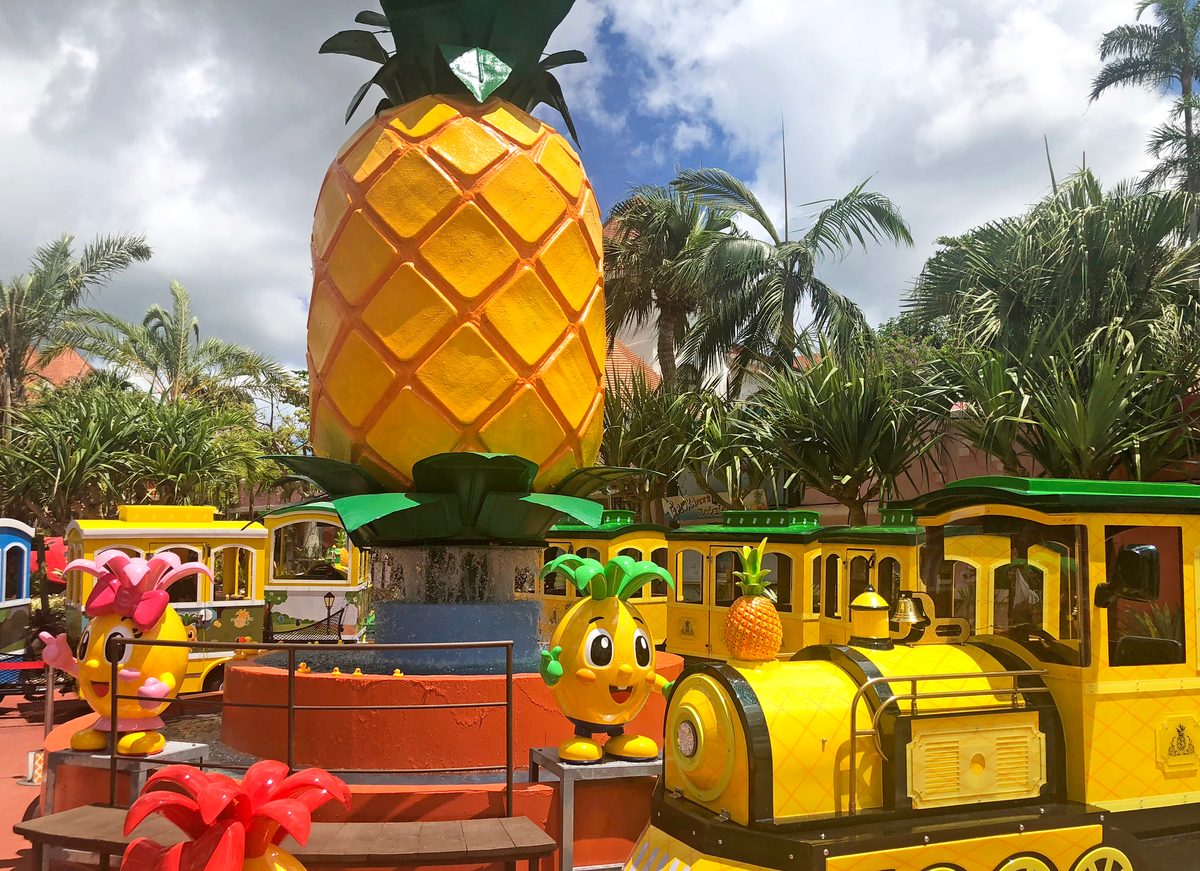
Nago Pineapple Park
A quirky and beloved Okinawan attraction where autonomous pineapple-shaped carts carry you through a real pineapple plantation while a recorded guide explains cultivation. The destination is the enormous food hall: pineapple wine, pineapple vinegar, pineapple beer, pineapple jam, pineapple ice cream — and surprisingly, all of it is excellent.
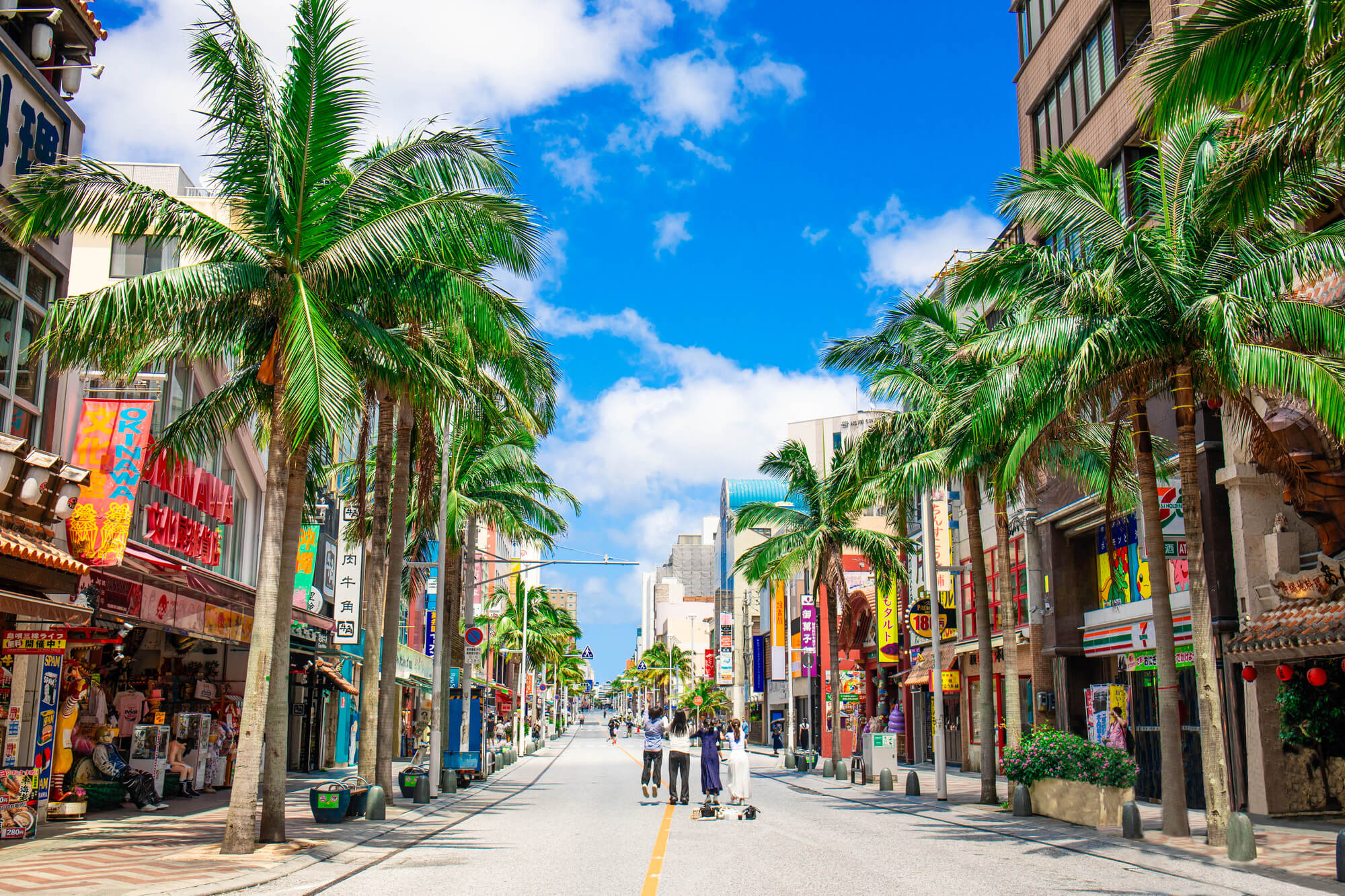
Naha Kokusai Dori
The "Miracle Mile" — Naha's 1.6 km main street lined with Okinawan craft shops, sanshin music stores, shisa lion statues, and restaurants serving goya champuru and Ryukyu soba.
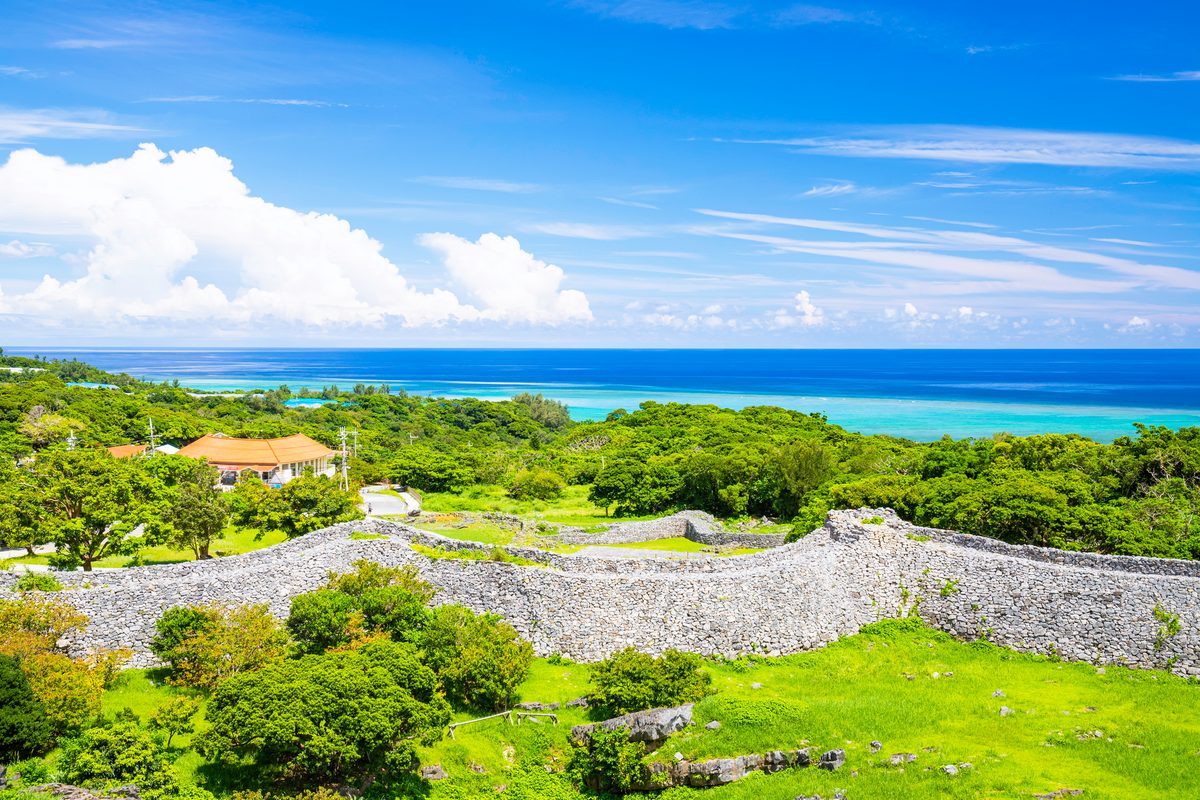
Nakijin Castle Ruins
The largest castle ruin in Okinawa, built in the 14th century as the seat of the Northern Kingdom (Hokuzan) before the Ryukyu unification. The walls stretch for 1.5 km along a ridge 100m above the sea — far more dramatic than Shuri Castle — and they shelter 200 cherry trees that bloom in January, the earliest cherry blossoms in Japan.
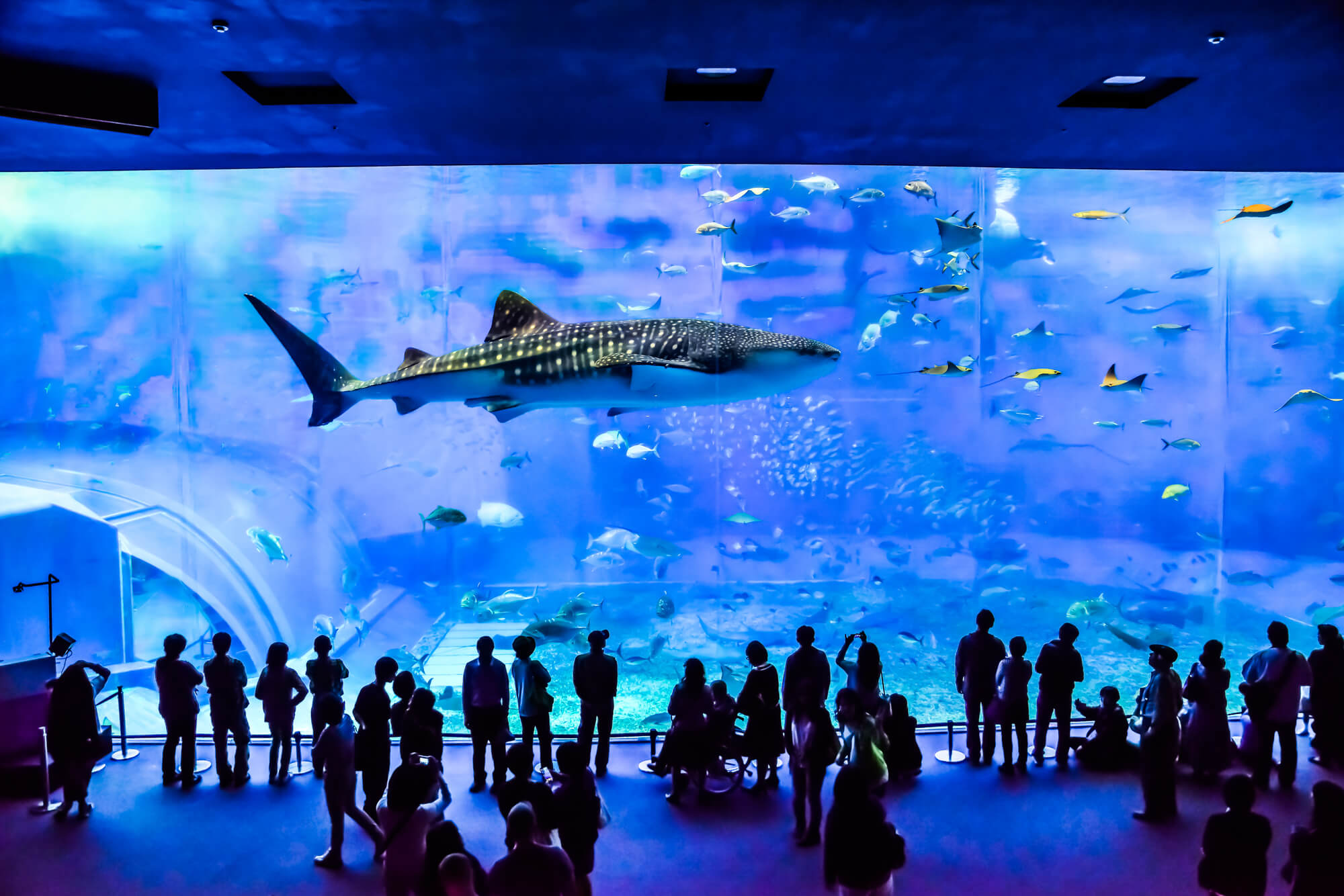
Okinawa Churaumi Aquarium
One of the world's largest aquariums, featuring a 7.5-million-litre main tank where whale sharks and manta rays glide past a 60 m acrylic viewing wall. Surrounded by Ocean Expo Park on Okinawa's northwest coast.
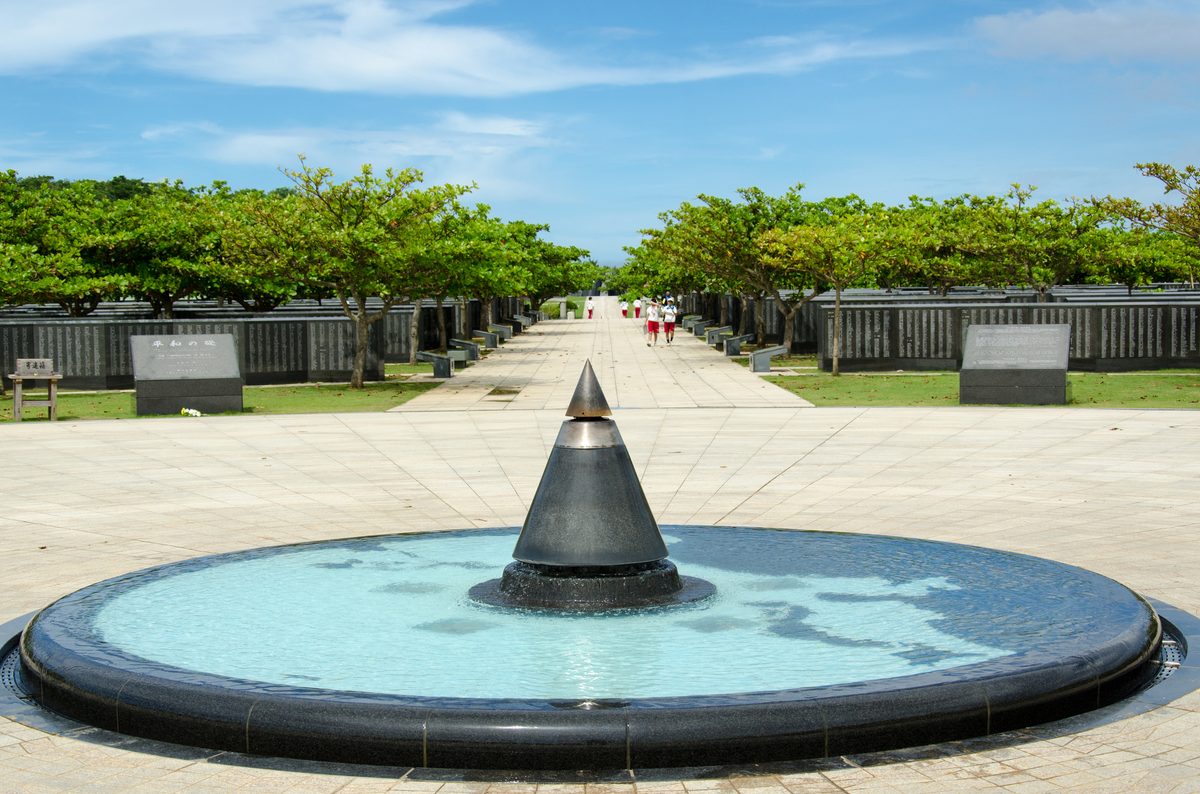
Okinawa Peace Memorial Park
The most important memorial to the Battle of Okinawa (1945), which killed 200,000 people — more than the atomic bombs combined, including 1 in 4 Okinawan civilians. The "Cornerstone of Peace" lists all 241,000 names of everyone who died, regardless of nationality. The adjacent Peace Memorial Museum is one of the most carefully designed war history museums in Japan.
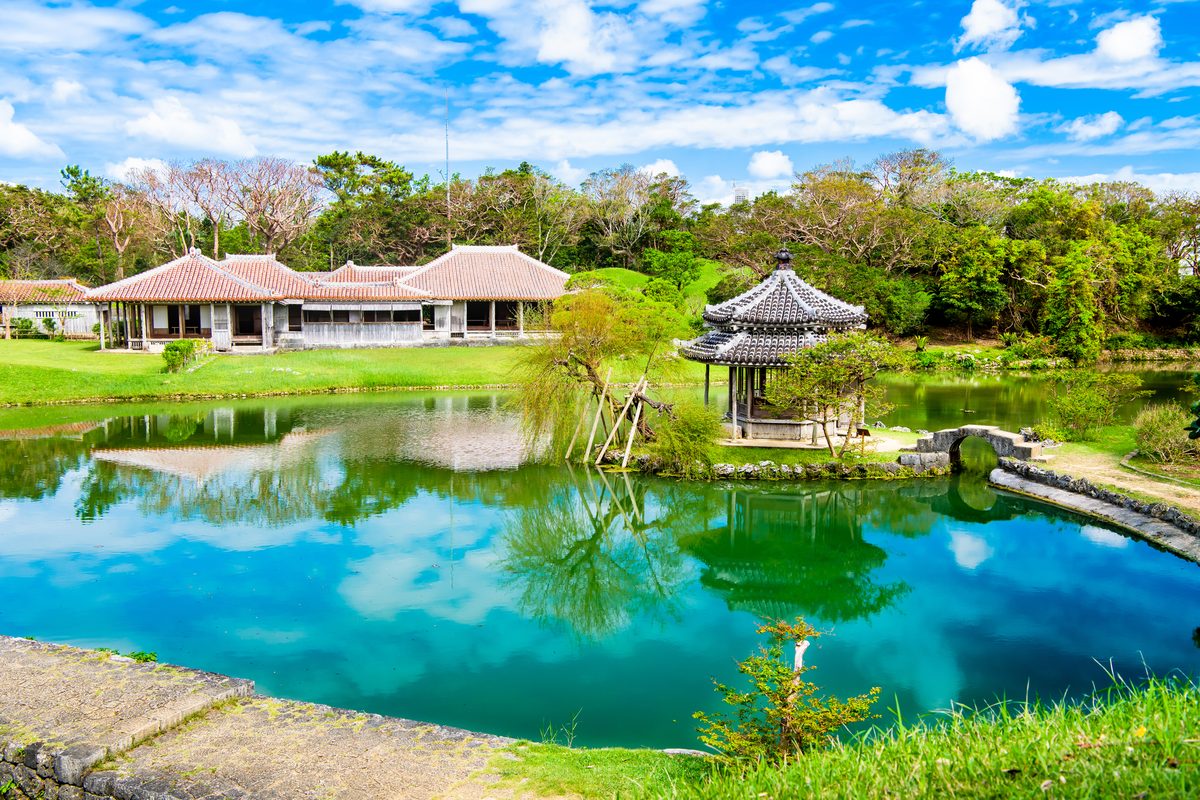
Shikinaen Royal Garden
The secondary royal residence of the Ryukyu Kingdom — a pond-centered garden that blends Chinese, Japanese, and indigenous Ryukyuan design in a way found nowhere else. UNESCO World Heritage. Far quieter than Shuri Castle, with the same ochre-painted wooden pavilions reflected in a lotus pond surrounded by Ryukyuan limestone walls.
.jpg)
Shuri Castle
The UNESCO-listed palace of the Ryukyu Kingdom, a Southeast Asian-influenced fortress unlike anything on the Japanese mainland. The vivid red-lacquer main hall (currently being restored) stands on a forested hill above Naha.
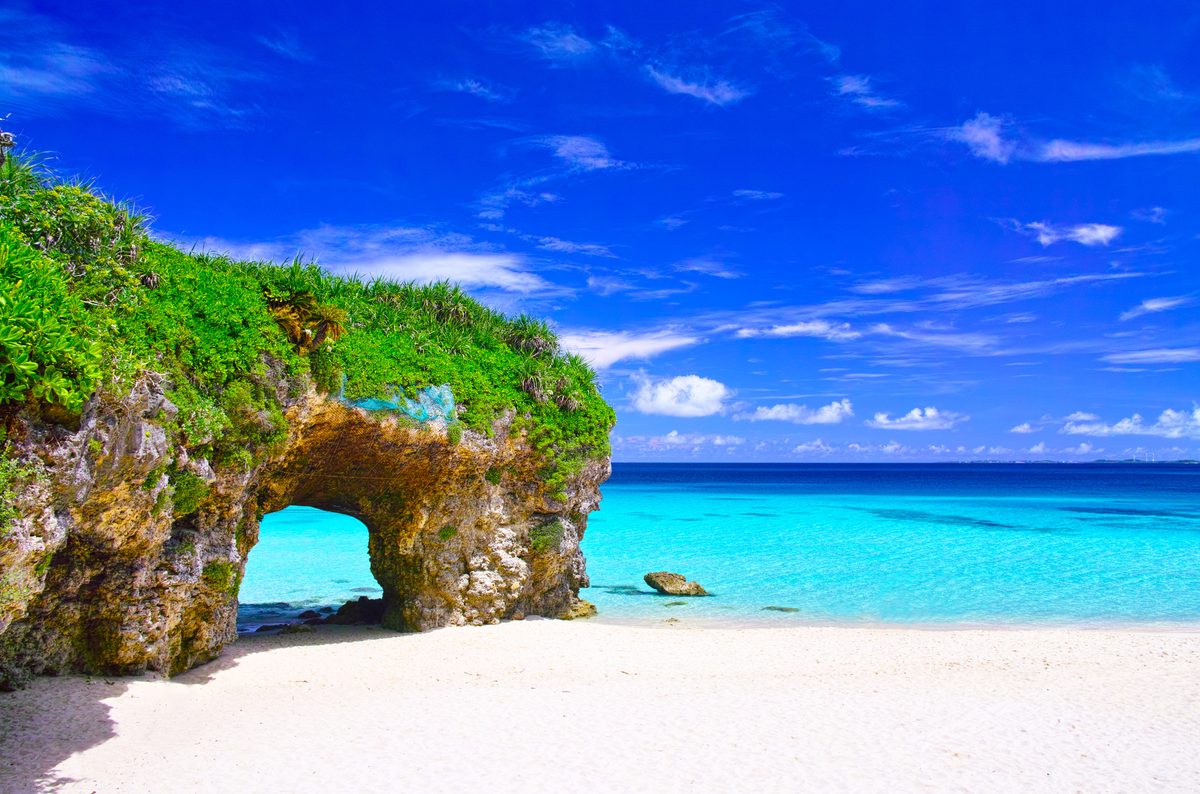
Sunayama Beach
Down a steep sand dune path, Sunayama reveals a natural rock arch framing a private cove of crystalline water. One of the most photographed spots in Miyako — arrive early to have the arch to yourself.
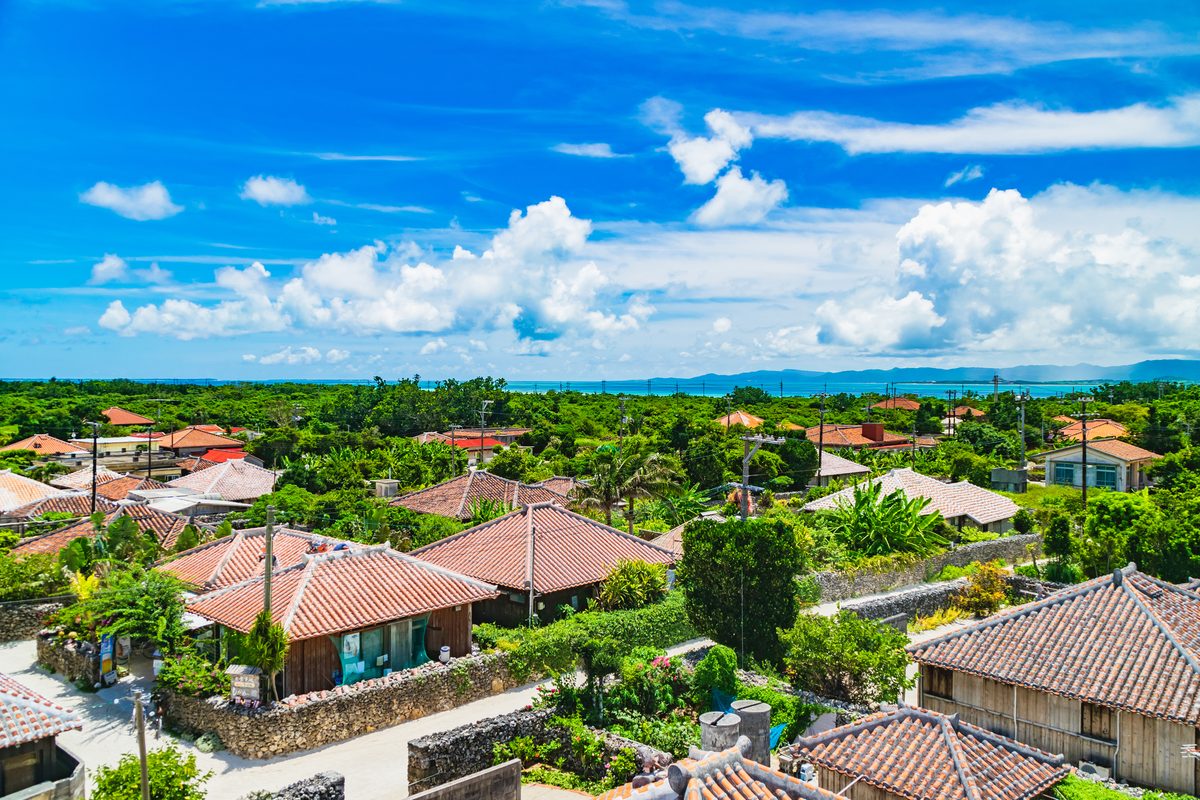
Taketomi Island
A 10-minute ferry from Ishigaki, Taketomi preserves a living Ryukyu village: white-walled homes topped with red clay roof tiles and guardian shisa, unpaved lanes edged with coral walls, and water buffalo carts at walking pace.
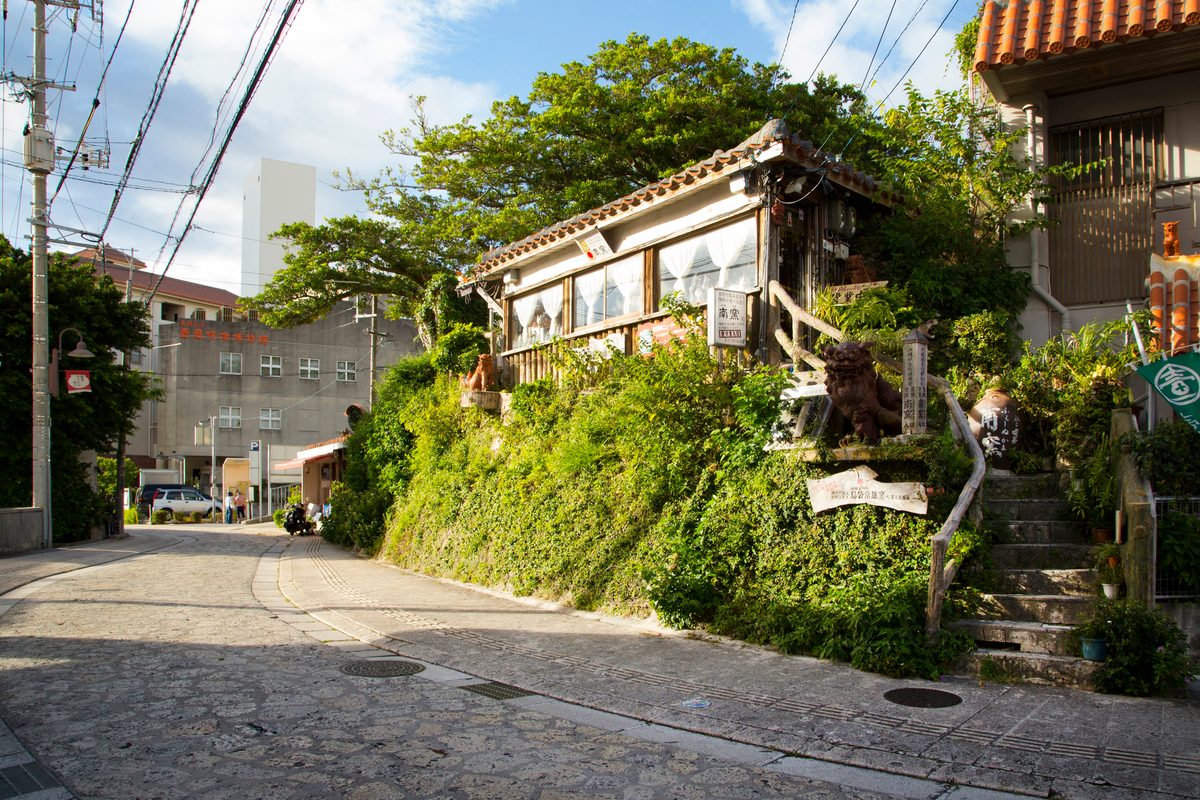
Tsuboya Pottery District
A cobblestone lane in Naha where Okinawan pottery (yachimun) has been crafted since the 17th century. Around 20 active kilns and galleries sell shisa guardian lions, sake cups, and coral-patterned bowls.
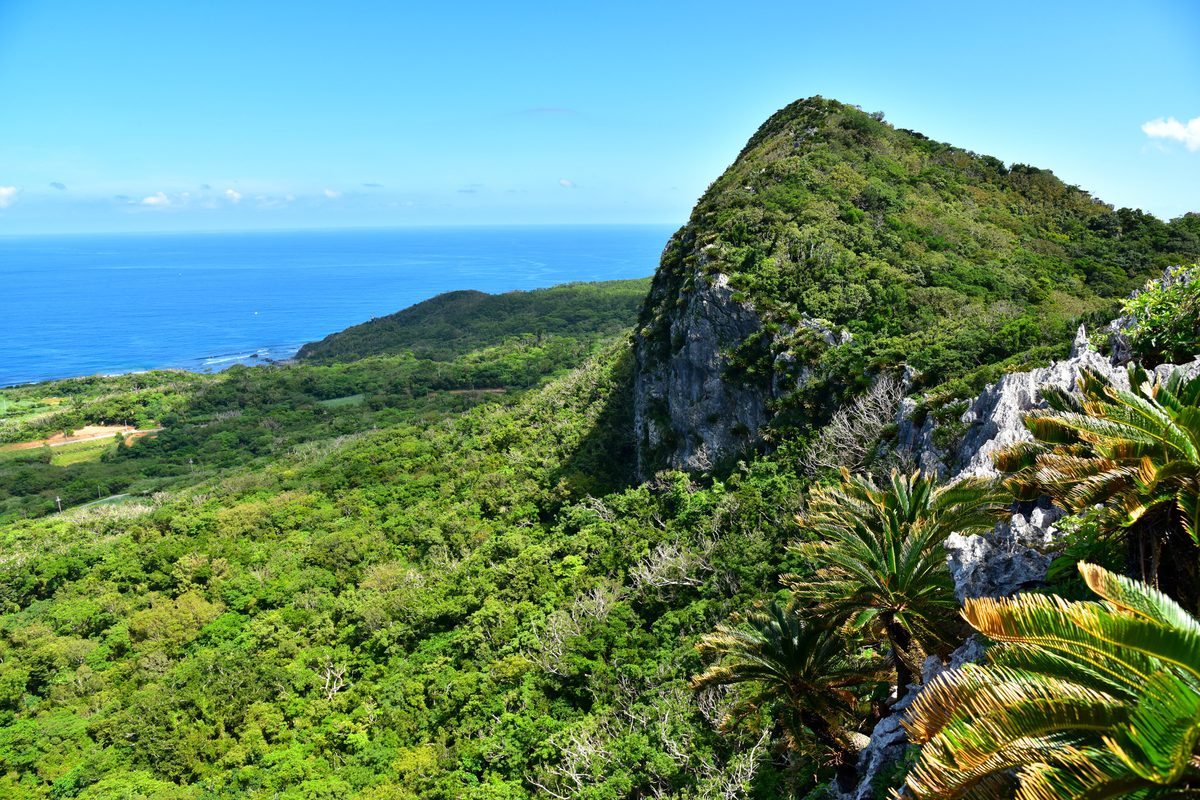
Yanbaru National Park
The ancient subtropical rainforest covering northern Okinawa — a UNESCO World Heritage site and the last refuge of species found nowhere else on Earth. The Okinawa Rail (Yambaru Kuina), the Okinawa woodpecker, and the Okinawa spiny rat all evolved here in isolation. The forest is dense, dark, and extraordinarily alive.
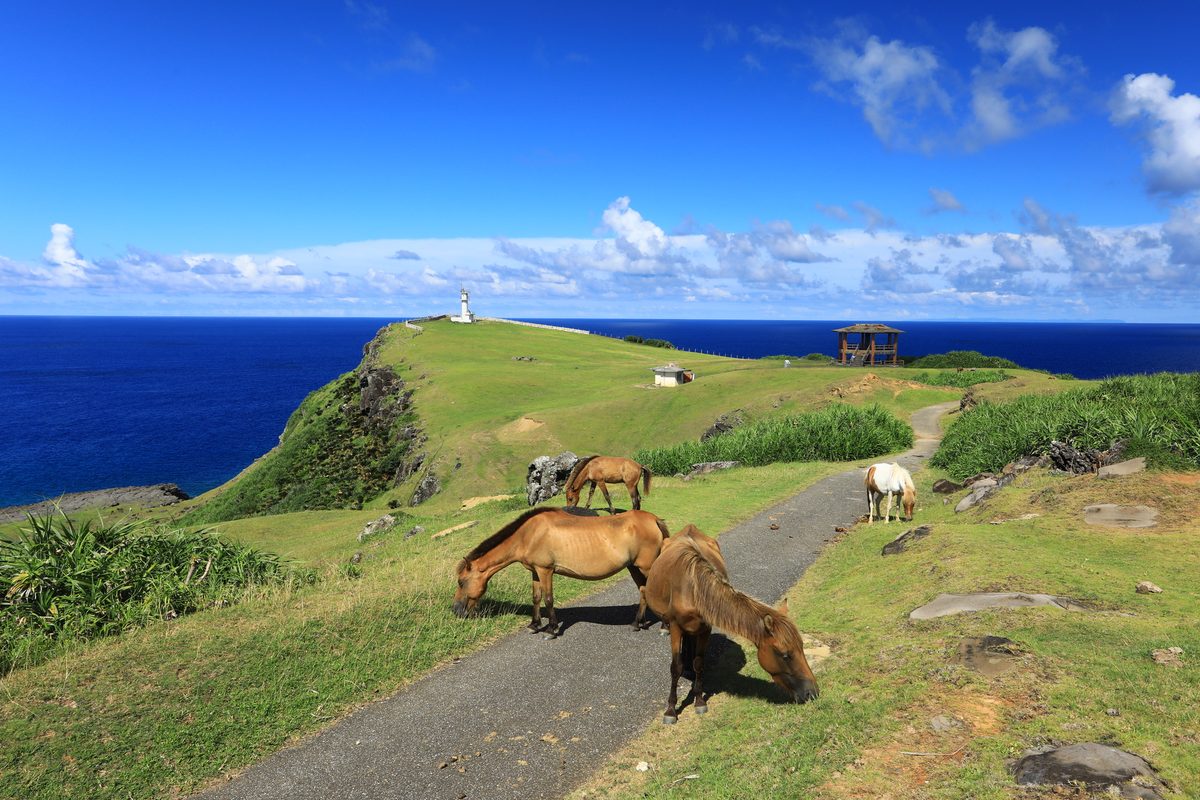
Yonaguni Island
Japan's westernmost island — closer to Taiwan than to Tokyo. Famous for massive schools of hammerhead sharks in winter, mysterious underwater rock formations, and wild Yonaguni horses that roam the cliffs freely.
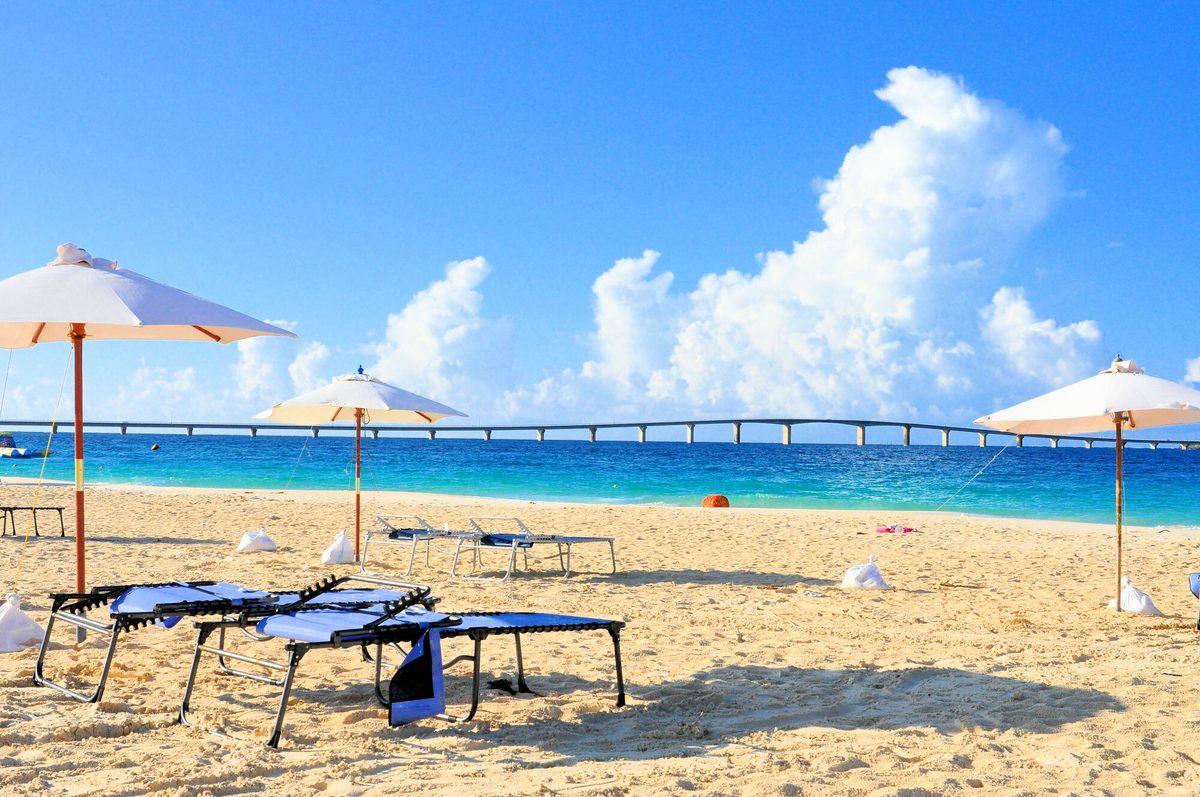
Yonaha Maehama Beach
A 7km arc of powdered white sand ranked by Michelin as one of Japan's finest beaches. The water graduates from pale jade to deep cobalt — this is what Japanese beach paradise actually looks like.
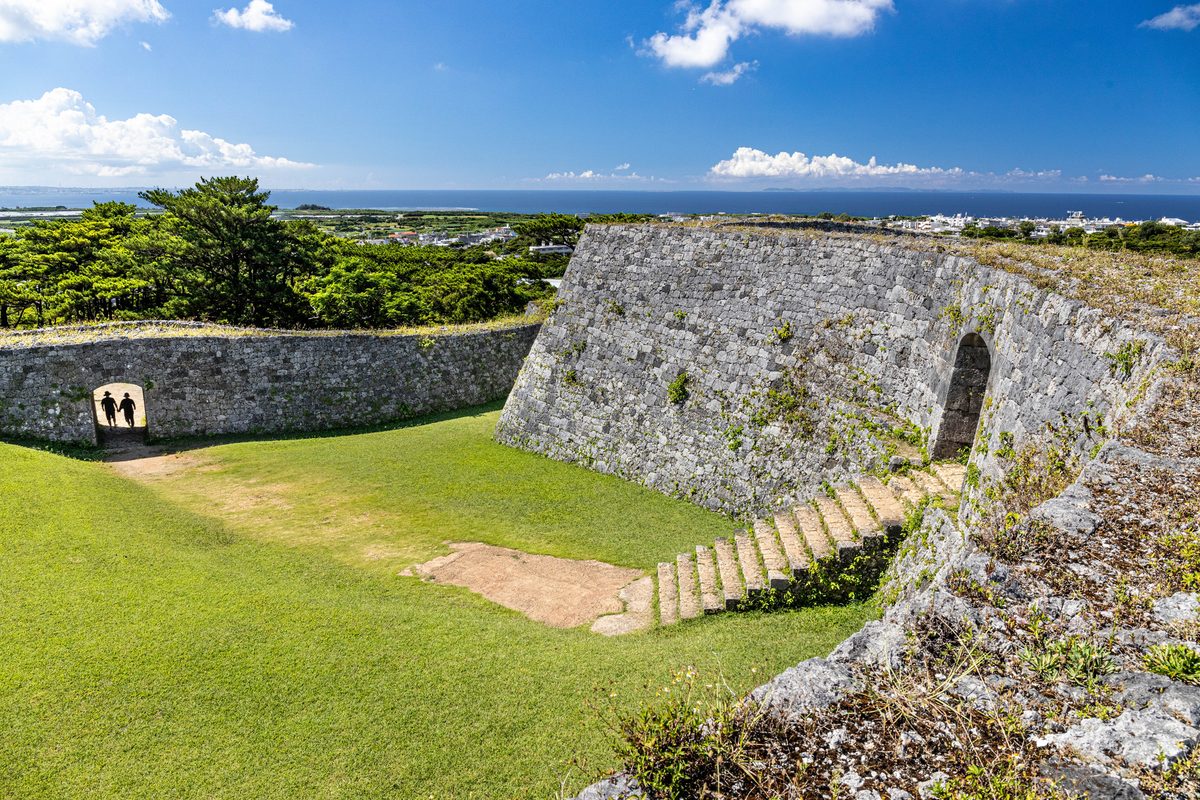
Zakimi Castle Ruins
One of the finest examples of Ryukyu castle architecture, Zakimi Castle is a UNESCO World Heritage Site known for its graceful double-arched gates — unusually sophisticated for their 15th-century construction.
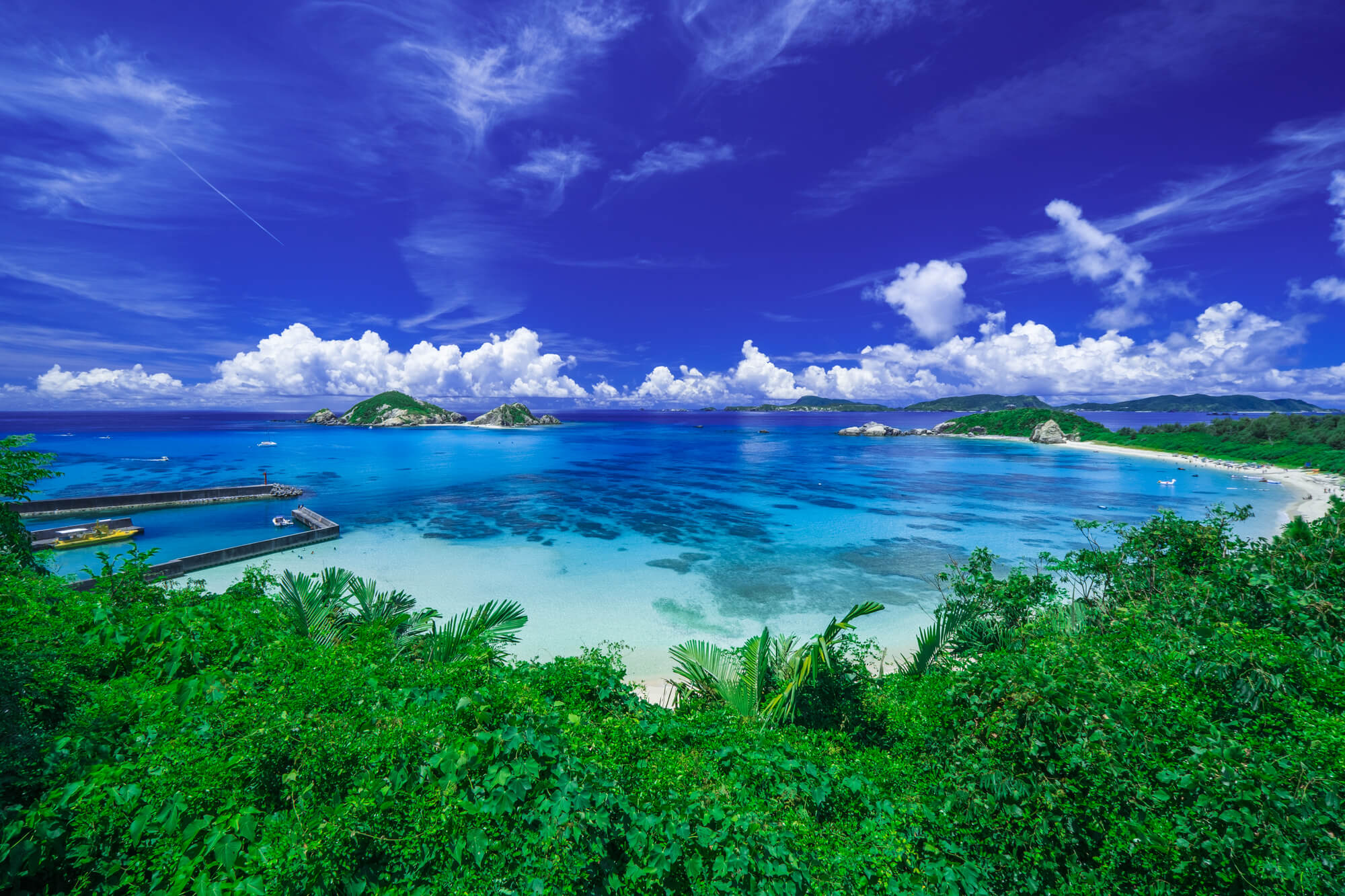
Zamami Island
A tiny island in the Kerama archipelago with some of Japan's clearest water — visibility exceeds 40 metres. Furuzamami beach is consistently ranked among Japan's best beaches; humpback whales pass offshore in winter.
Advertisement
When to Visit Okinawa
Peak spots by season — ordered by best match.
Ready to visit Okinawa?
Let AI build a personalized day-by-day itinerary based on your interests and travel style.
Create a Okinawa Itinerary