
.jpg)
Shuri Castle
The UNESCO-listed palace of the Ryukyu Kingdom, a Southeast Asian-influenced fortress unlike anything on the Japanese mainland. The vivid red-lacquer main hall (currently being restored) stands on a forested hill above Naha.
1–2 hours
¥400 adults (outer area free)
Free area: 8:00–19:30 (Apr–Jun, Oct–Nov), 8:00–20:30 (Jul–Sep), 8:00–18:30 (Dec–Mar). Paid area: 8:30–19:00 / 8:30–20:00 / 8:30–18:00 (last entry 30 min before closing).
March–May or October–November (avoiding typhoon season)
Okinawa Monorail (Yui Rail) to Shuri Station, 15 min walk
Location
Why Visit
- 1
The outer gardens and stone walls are free and give a sense of the castle's scale during the main hall restoration (through 2026)
- 2
The Enkakuji Temple ruins next door show Buddhist influence on the Ryukyu Kingdom
- 3
Visit at 8:30 AM opening time to be nearly alone on the approach path
Local Tips
Shuri Castle was the palace of the Ryukyu Kingdom for 450 years and a UNESCO World Heritage site — the main hall (Seiden) burned in 2019 and is currently being rebuilt, expected completion 2026. The reconstruction process is visible and educational. The outer stone walls and peripheral buildings are fully accessible. The view of Naha from the castle hill is excellent.
Add to your AI itinerary
Let AI build a multi-day trip around this spot.
Advertisement
More in Okinawa
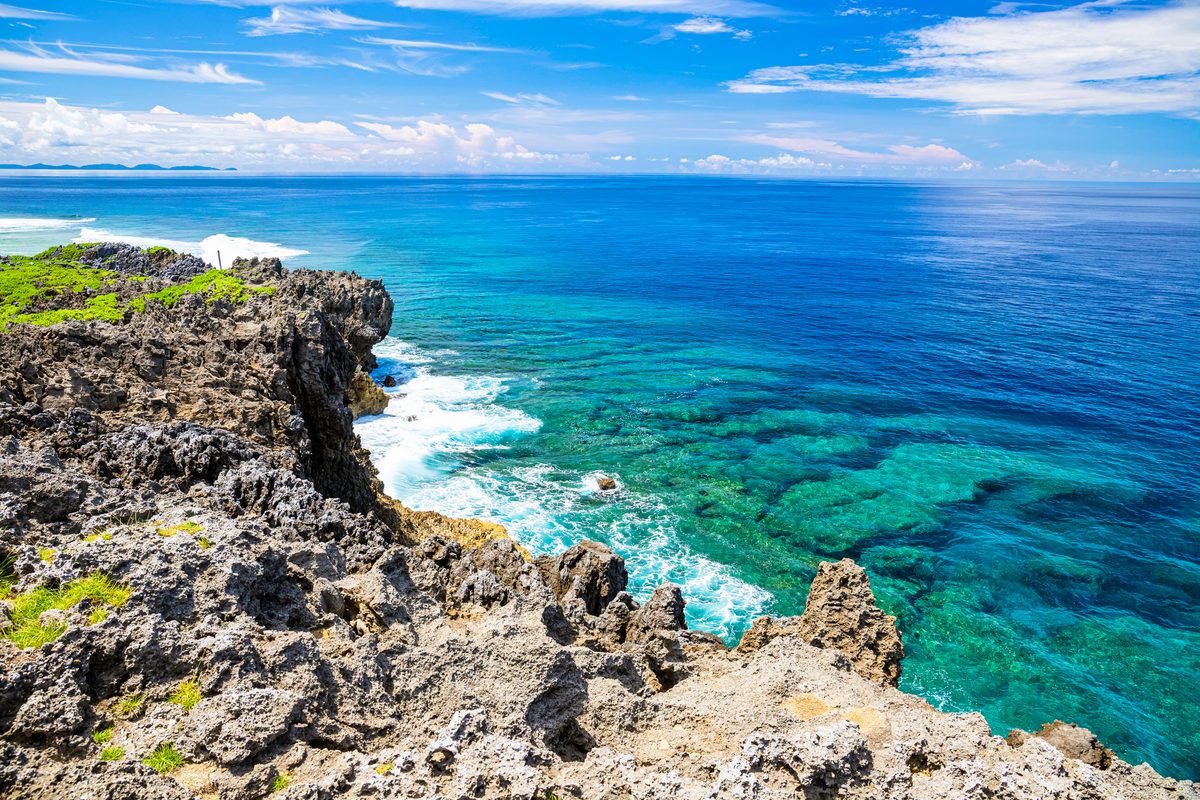
Cape Hedo
The wild, windswept northernmost tip of Okinawa main island, where the Pacific Ocean and East China Sea visibly meet in churning swells. A monument commemorates Okinawa's return to Japan in 1972.
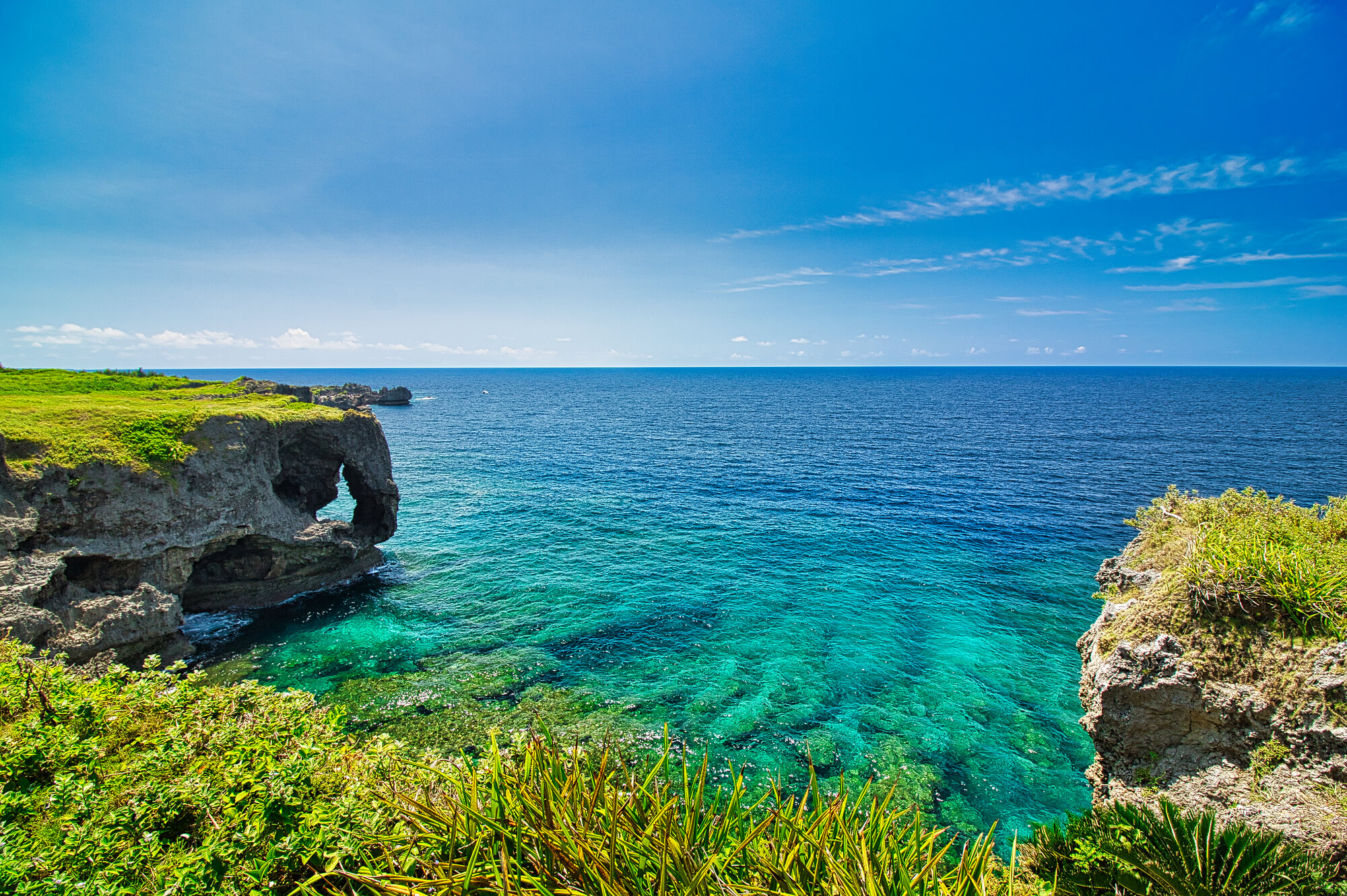
Cape Manzamo
A dramatic coral-limestone clifftop where the rock has been sculpted by the sea into an elephant trunk shape. One of Okinawa's most iconic viewpoints, looking out over electric-blue water to the East China Sea.
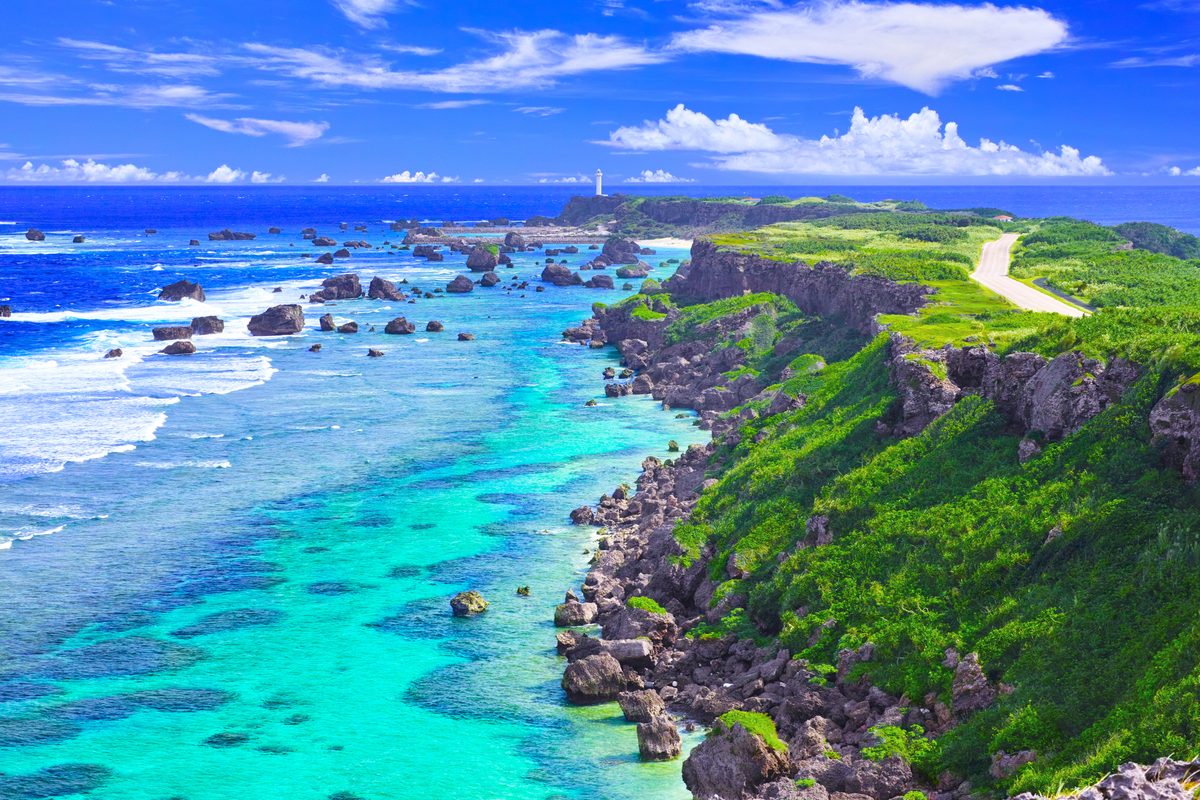
East Hennazaki Cape
A narrow 2km peninsula jutting into the Pacific with a lighthouse at the tip, flanked by lily fields in spring. A National Scenic Beauty — the walk out feels like being on the prow of a ship sailing into open ocean.