
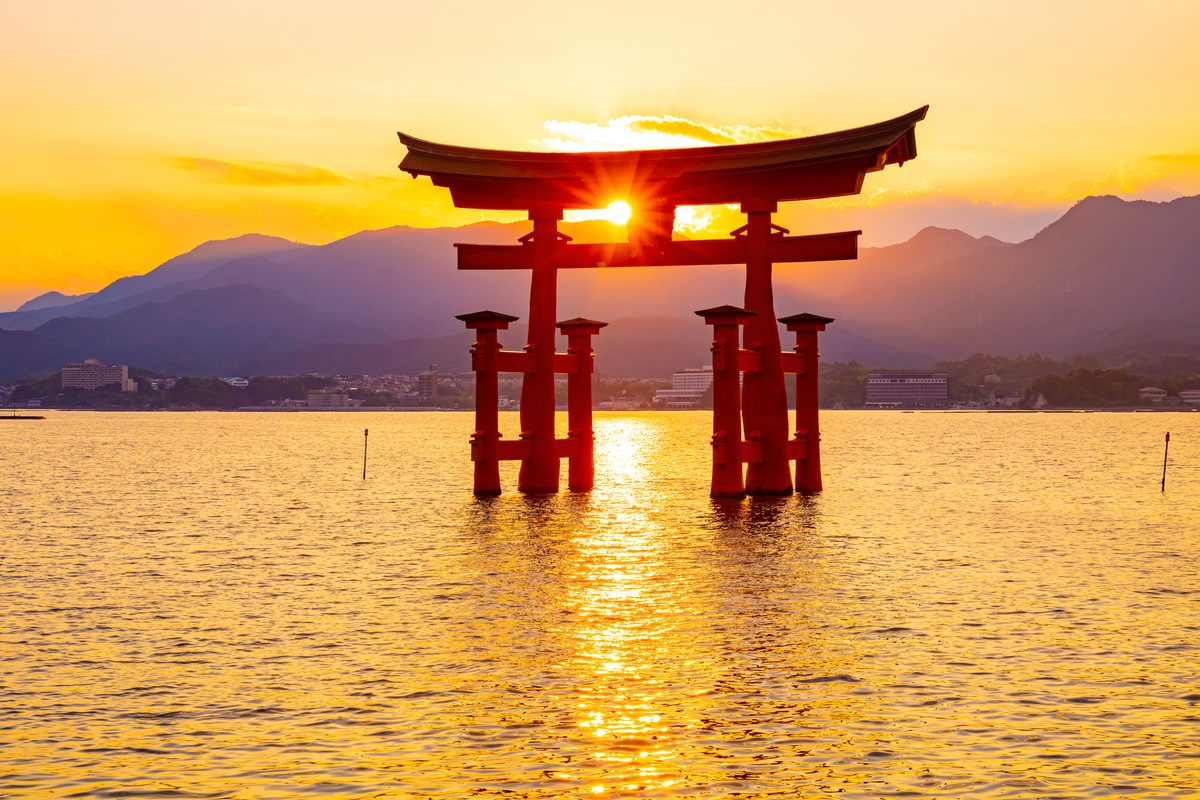
Itsukushima Shrine
The great floating torii gate of Miyajima is Japan's most iconic image — a vermilion gateway standing in tidal waters, framing the island's forested mountains. At high tide it appears to float. UNESCO World Heritage and National Treasure.
3–5 hours
¥300 (shrine interior)
6:30–18:00 (summer); 6:30–17:00 (winter); tide schedule affects when the torii appears to float
year-round
JR Sanyo Line to Miyajimaguchi, then JR ferry 10 min, ¥200
Location
Why Visit
- 1
Floating torii gate — Japan's most recognisable image
- 2
High tide and low tide give completely different experiences
- 3
Sacred deer wander freely around the shrine
- 4
No cars on the island — 10 min ferry from mainland
Local Tips
Visit at both high and low tide for completely different experiences — at low tide you can walk out to the torii. The shrine interior is best in the early morning before the first ferries arrive. Stay overnight on Miyajima Island to experience the shrine lit at dusk after day-trippers leave — a completely different atmosphere.
Add to your AI itinerary
Let AI build a multi-day trip around this spot.
Advertisement
More in Hiroshima
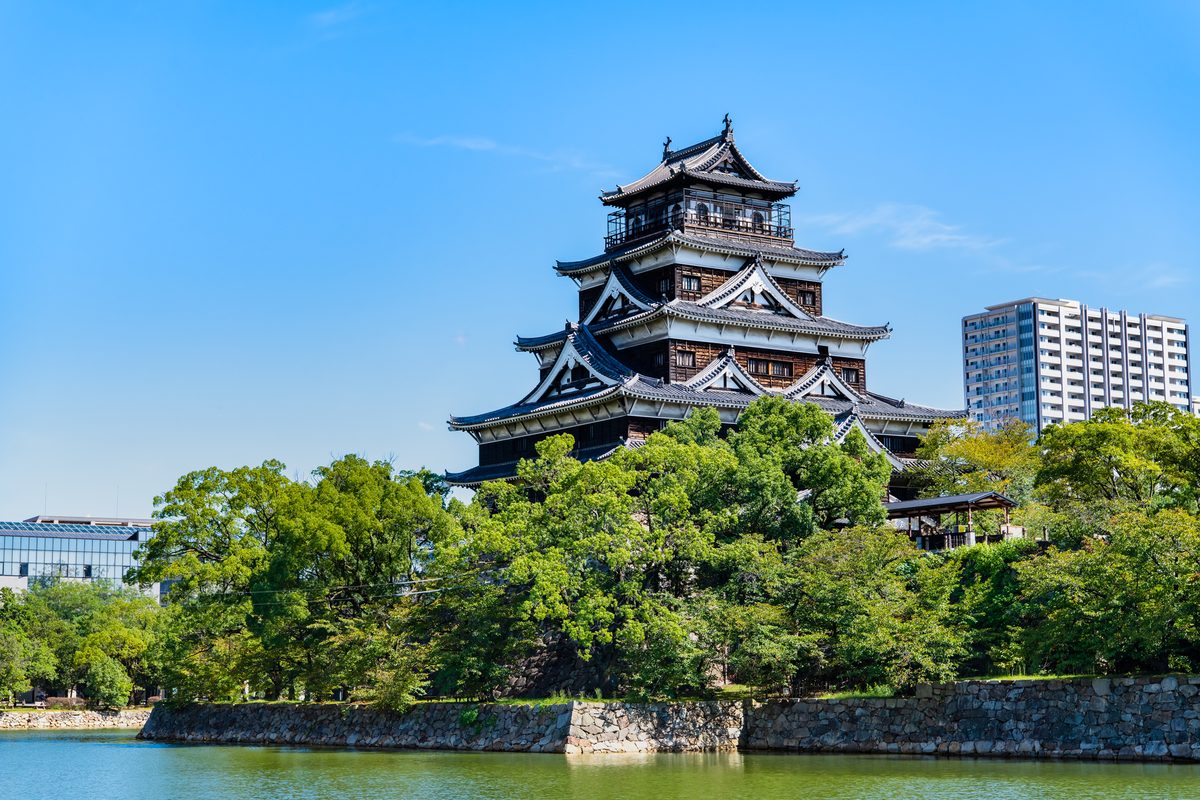
Hiroshima Castle
Rebuilt in 1958 after the atomic bomb destroyed the original, Hiroshima Castle offers exhibits on samurai life and the city's reconstruction. The surrounding moat park is one of Hiroshima's best cherry blossom destinations.
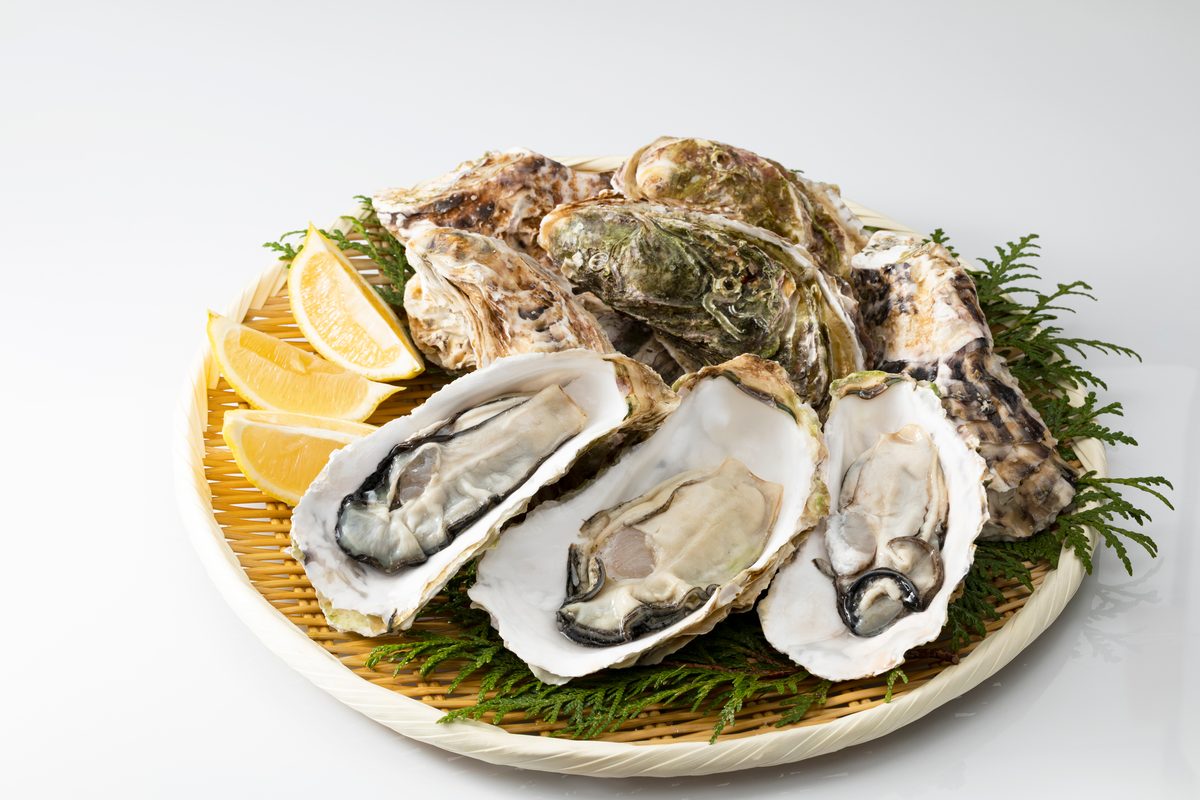
Hiroshima Oyster Experience
Hiroshima produces 60% of Japan's oysters — the Seto Inland Sea's nutrient-rich currents grow them fat and briny. Hire a grill at a waterfront shack in Miyajima or Etajima, eat them charcoal-grilled with lemon, or raw over rice.
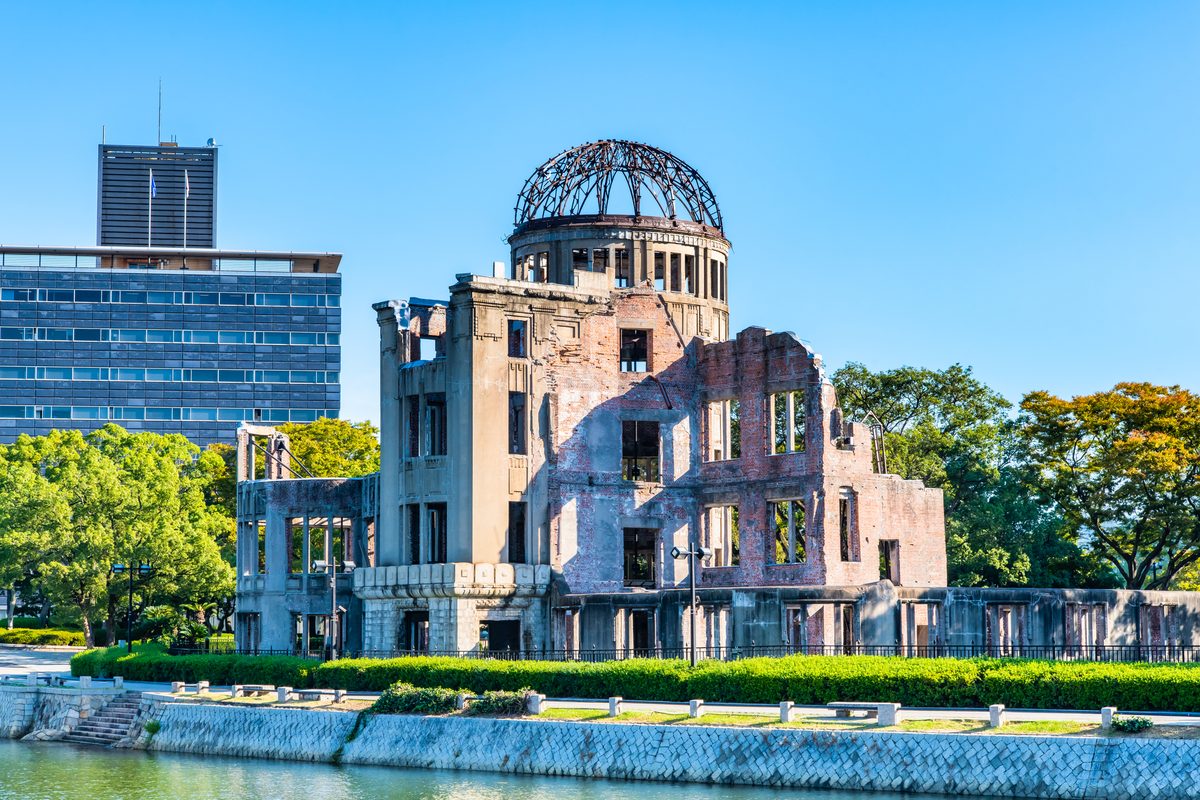
Hiroshima Peace Memorial (A-Bomb Dome)
The only structure left standing near the epicenter of the world's first atomic bomb attack on August 6, 1945. Left deliberately unrestored as a permanent witness and a plea for its non-repetition. UNESCO World Heritage Site.