
Hiroshima Travel Guide
Hiroshima carries its history with quiet dignity. The Peace Memorial Park and Museum — necessary, sobering, ultimately hopeful — draw visitors from across the world. Beyond this, the city breathes: vibrant covered arcades, oysters at every turn, the island sanctuary of Miyajima with its floating torii gate, and the cycling paradise of the Shimanami Kaido threading islands across the Seto Inland Sea.
3 hidden gems in Hiroshima include insider locations, local tips, and full access details.
Hidden Gems in Hiroshima
Hand-picked spots off the tourist trail — all personally curated.
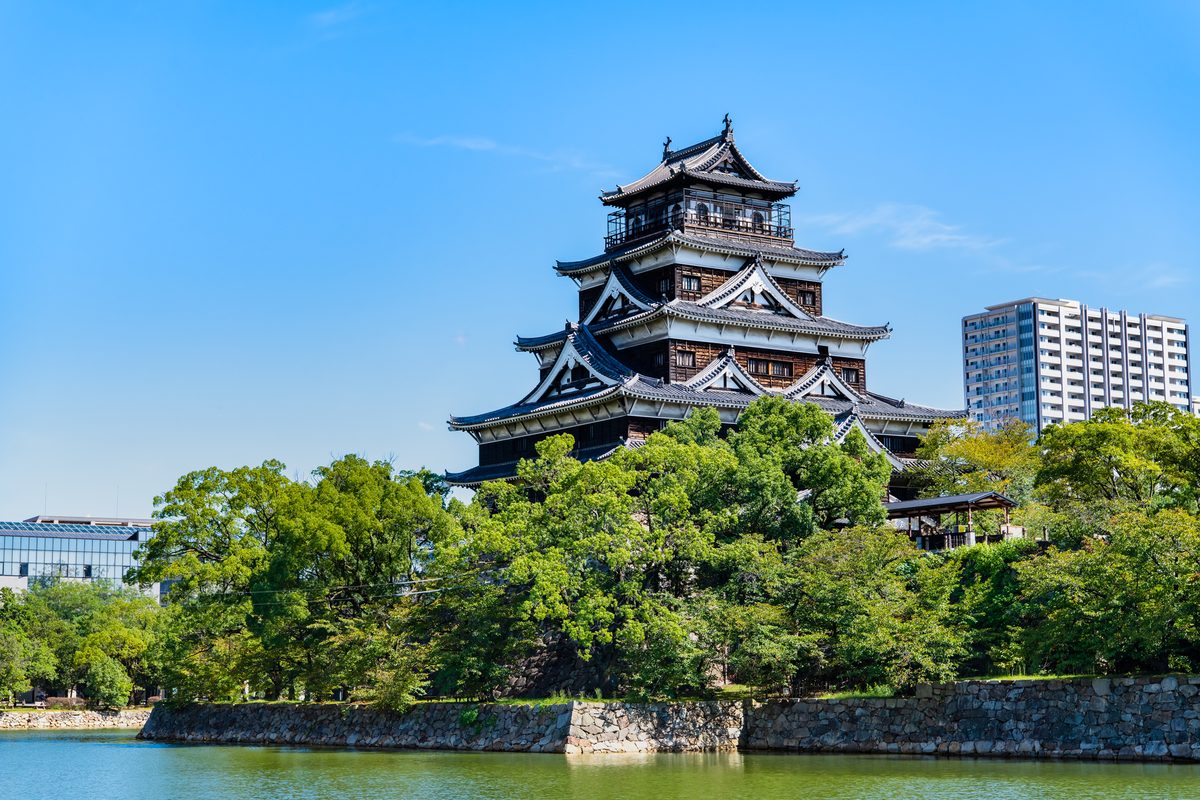
Hiroshima Castle
Rebuilt in 1958 after the atomic bomb destroyed the original, Hiroshima Castle offers exhibits on samurai life and the city's reconstruction. The surrounding moat park is one of Hiroshima's best cherry blossom destinations.
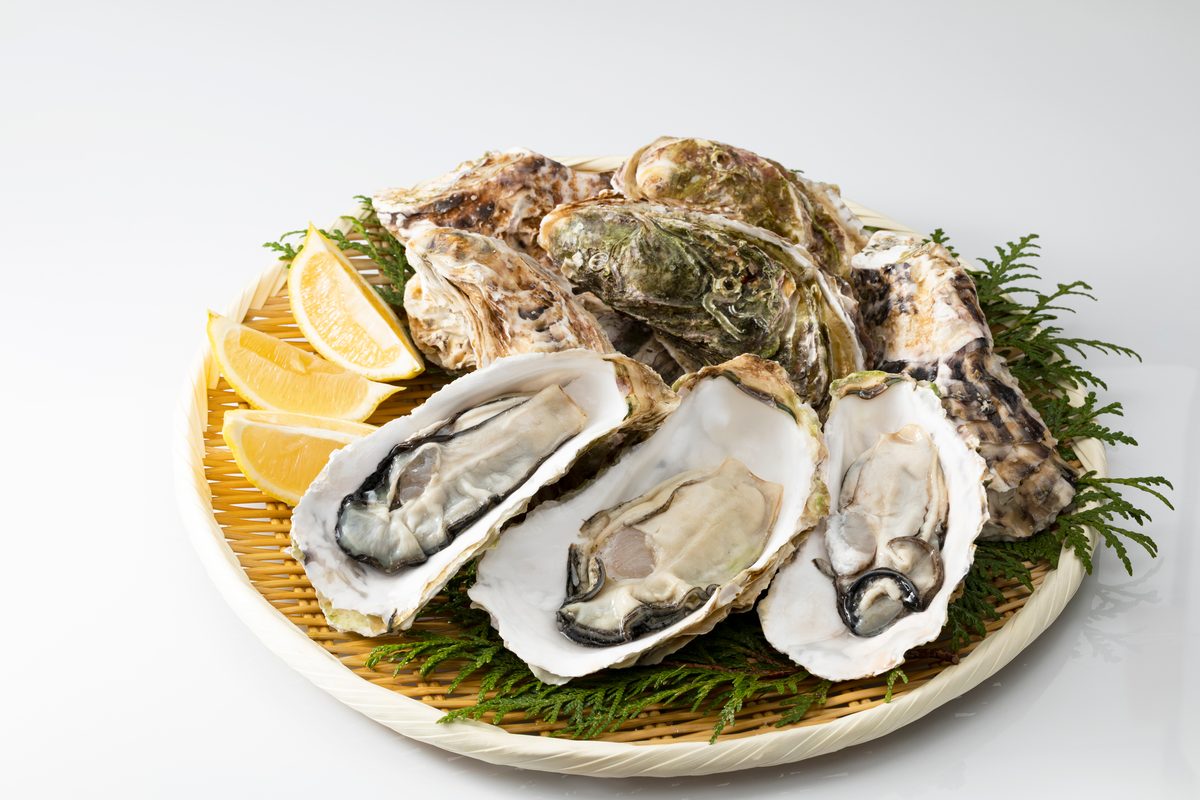
Hiroshima Oyster Experience
Hiroshima produces 60% of Japan's oysters — the Seto Inland Sea's nutrient-rich currents grow them fat and briny. Hire a grill at a waterfront shack in Miyajima or Etajima, eat them charcoal-grilled with lemon, or raw over rice.
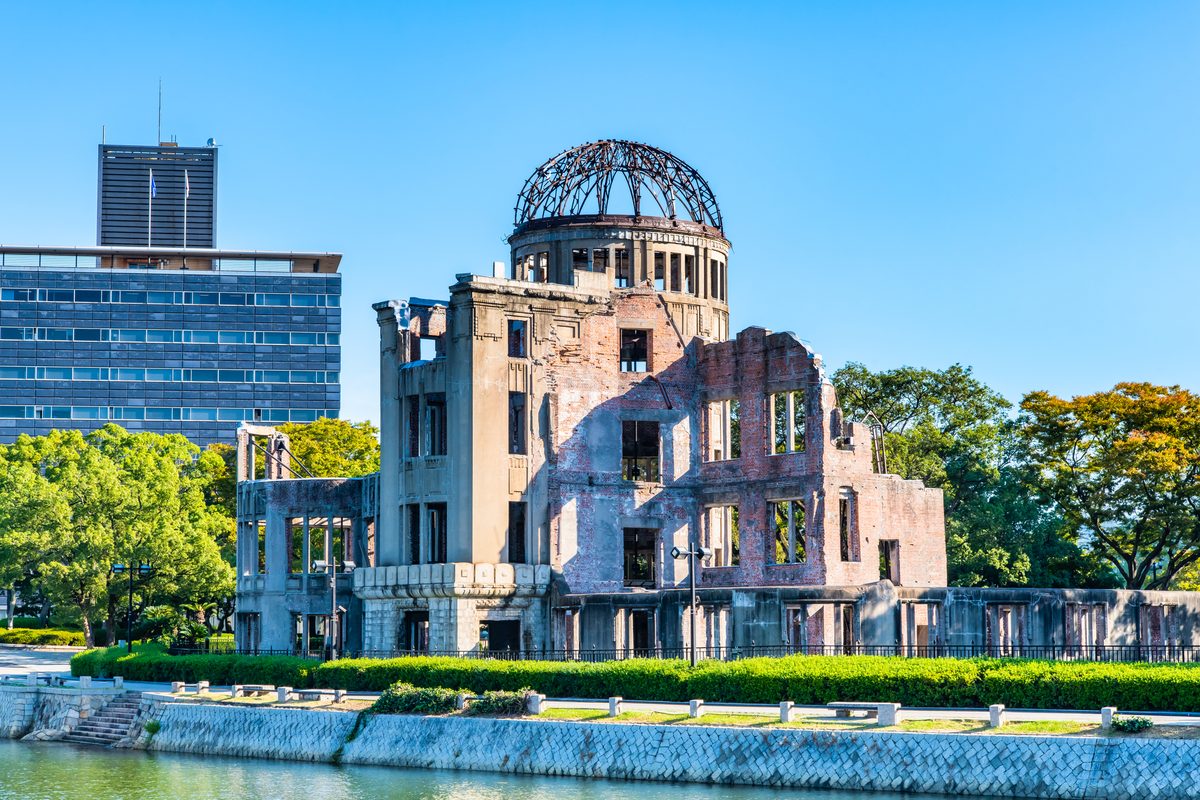
Hiroshima Peace Memorial (A-Bomb Dome)
The only structure left standing near the epicenter of the world's first atomic bomb attack on August 6, 1945. Left deliberately unrestored as a permanent witness and a plea for its non-repetition. UNESCO World Heritage Site.
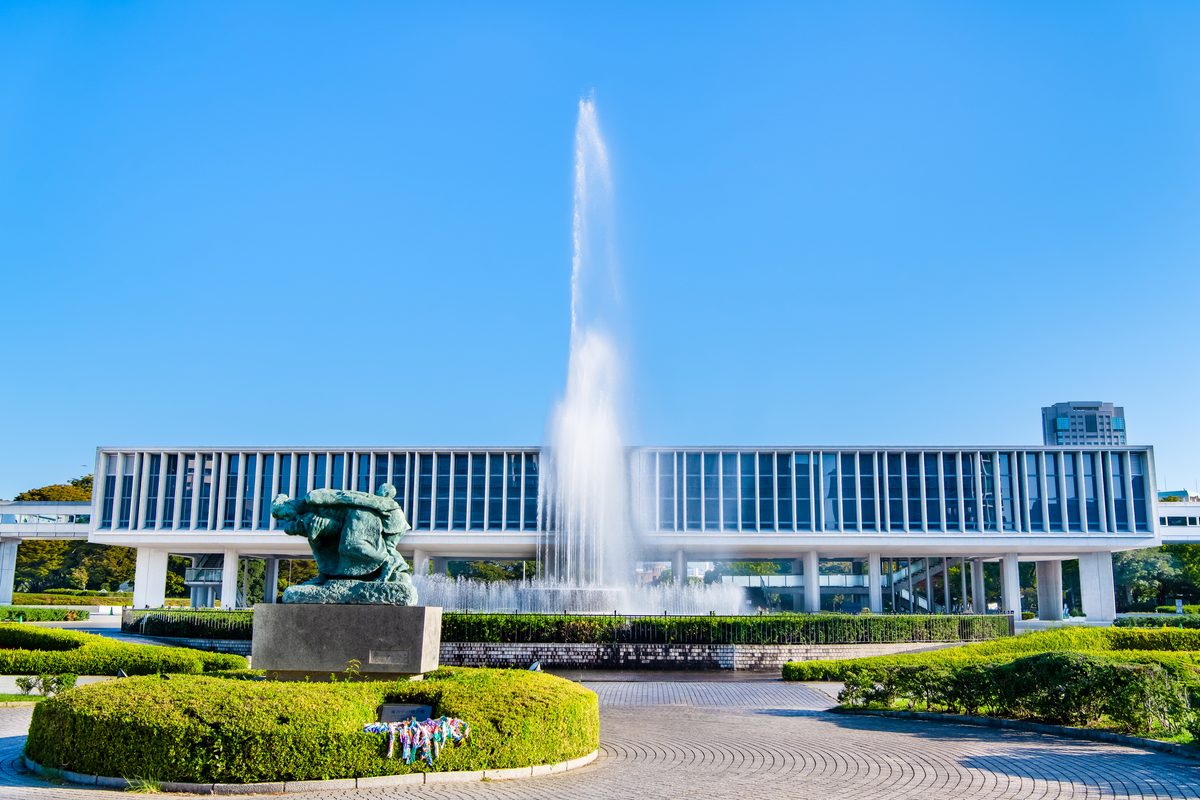
Hiroshima Peace Memorial Museum
An unflinching examination of August 6, 1945 and its aftermath — personal effects of victims, charred lunchboxes, melted glass, and shadows burned into stone. One of the world's most important museums and a transformative experience.
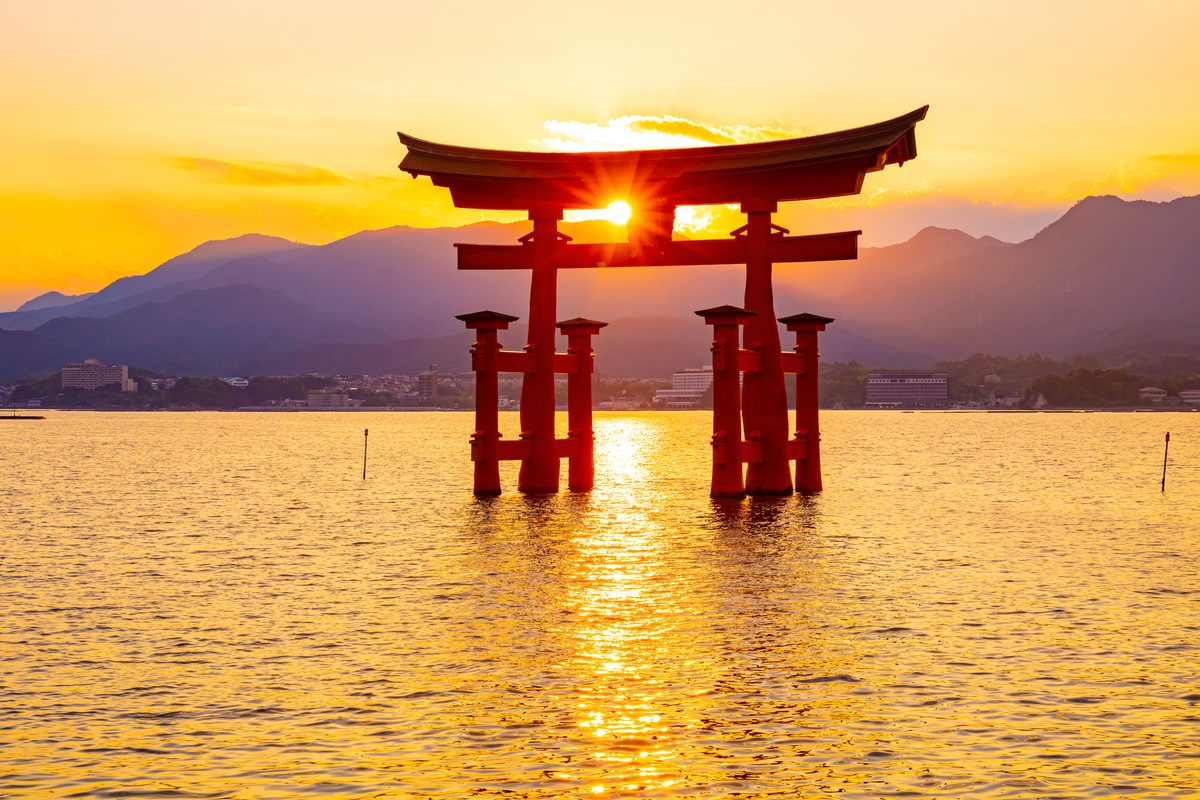
Itsukushima Shrine
The great floating torii gate of Miyajima is Japan's most iconic image — a vermilion gateway standing in tidal waters, framing the island's forested mountains. At high tide it appears to float. UNESCO World Heritage and National Treasure.
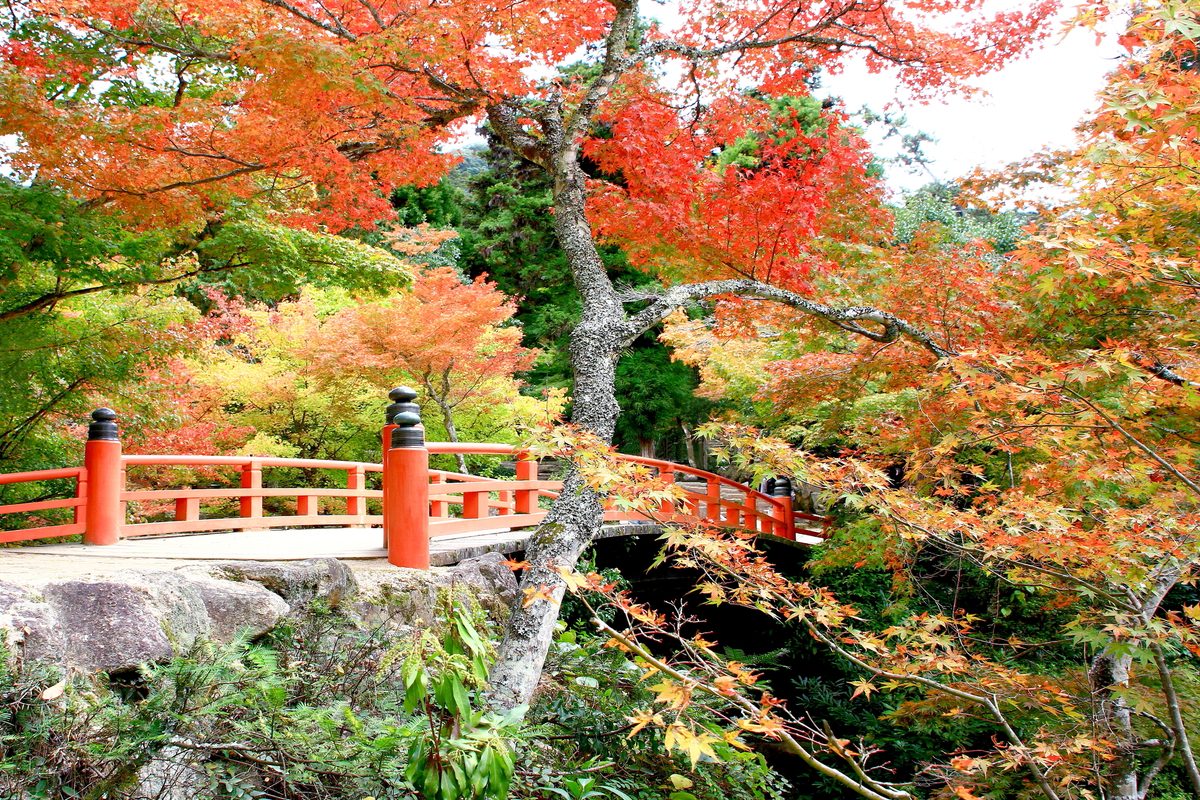
Momijidani Park
A forest valley on Miyajima Island filled with hundreds of Japanese maple trees. Best visited in November when the crimson canopy reflects in the stream below. The ropeway to Mt. Misen starts here.
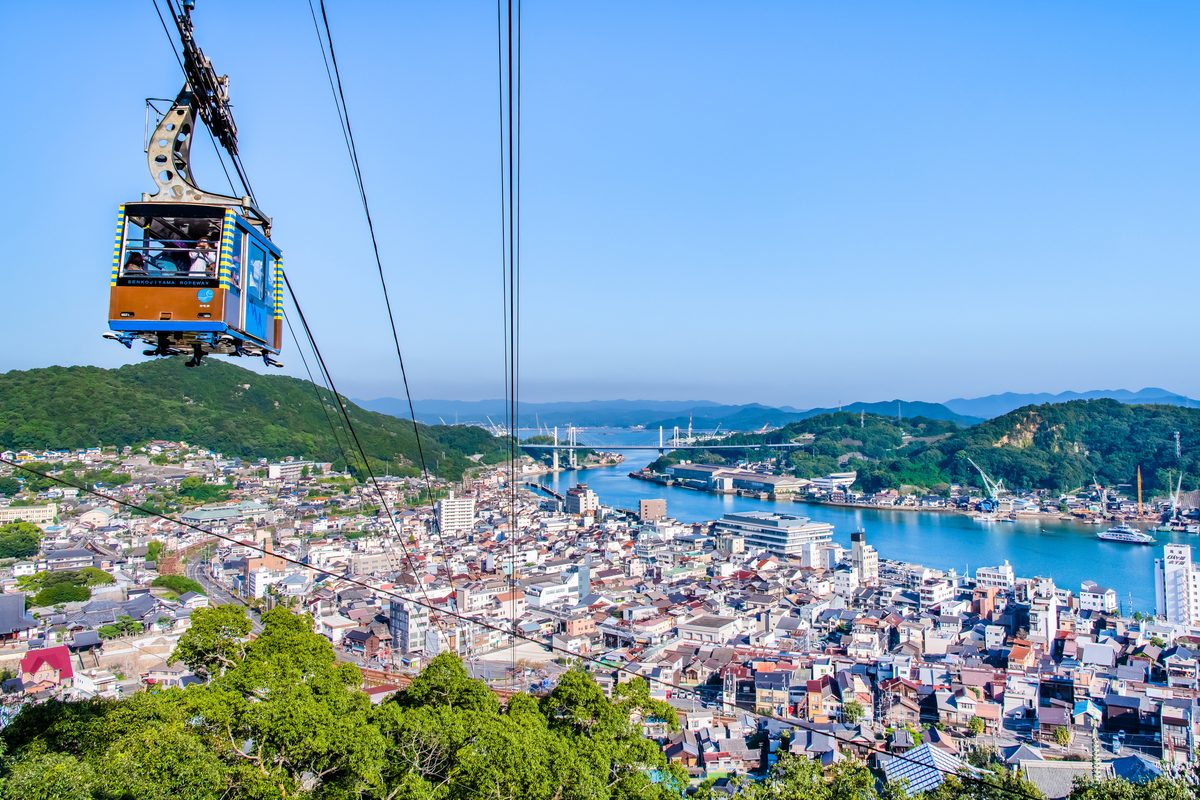
Onomichi
A hillside port town on the Seto Inland Sea, linked by cable car to a ridge-top temple walk through 25 historic temples. The narrow lanes, black cats, and cycling culture inspired Hayao Miyazaki. Famous for its layered shoyu ramen.
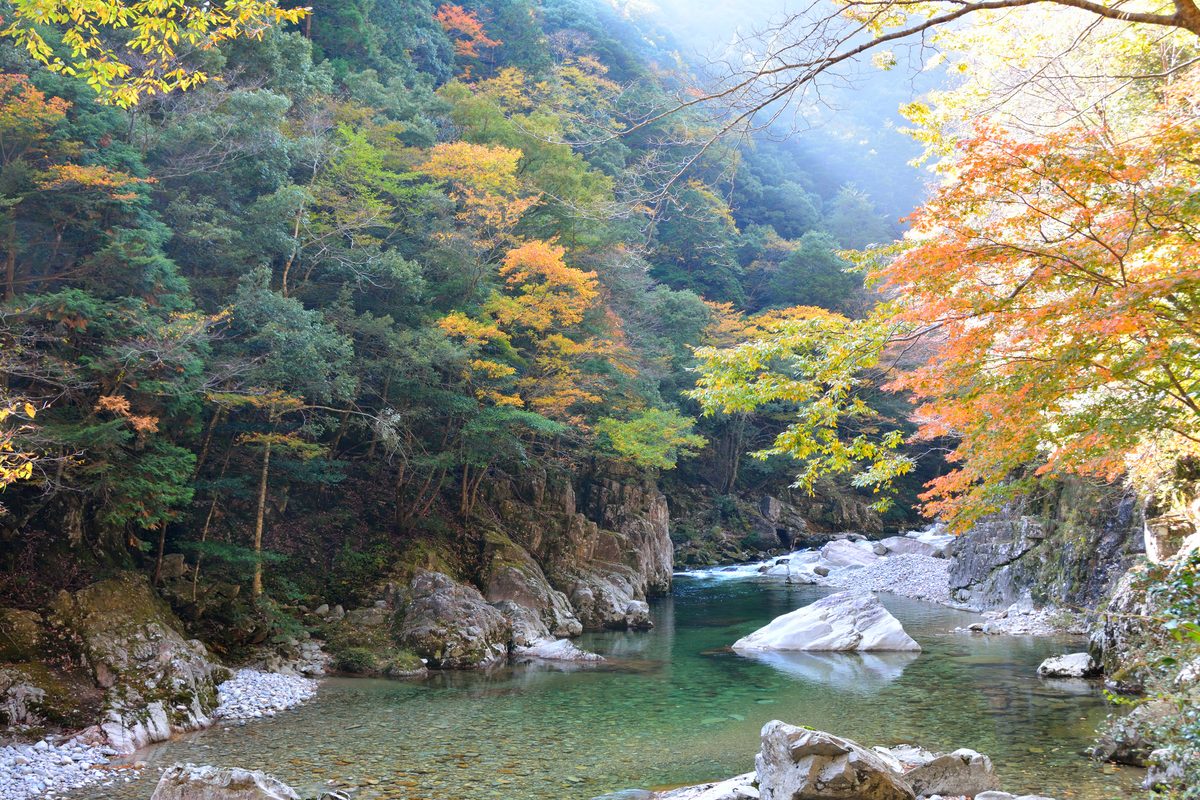
Sandankyo Gorge
A 16km narrow gorge in the Nishi-Chugoku Mountains carved by the Nishiki River. Pools, cascades, and overhanging walls of moss-covered granite, accessible by rowboat and cliff-side paths. Spectacular autumn foliage.
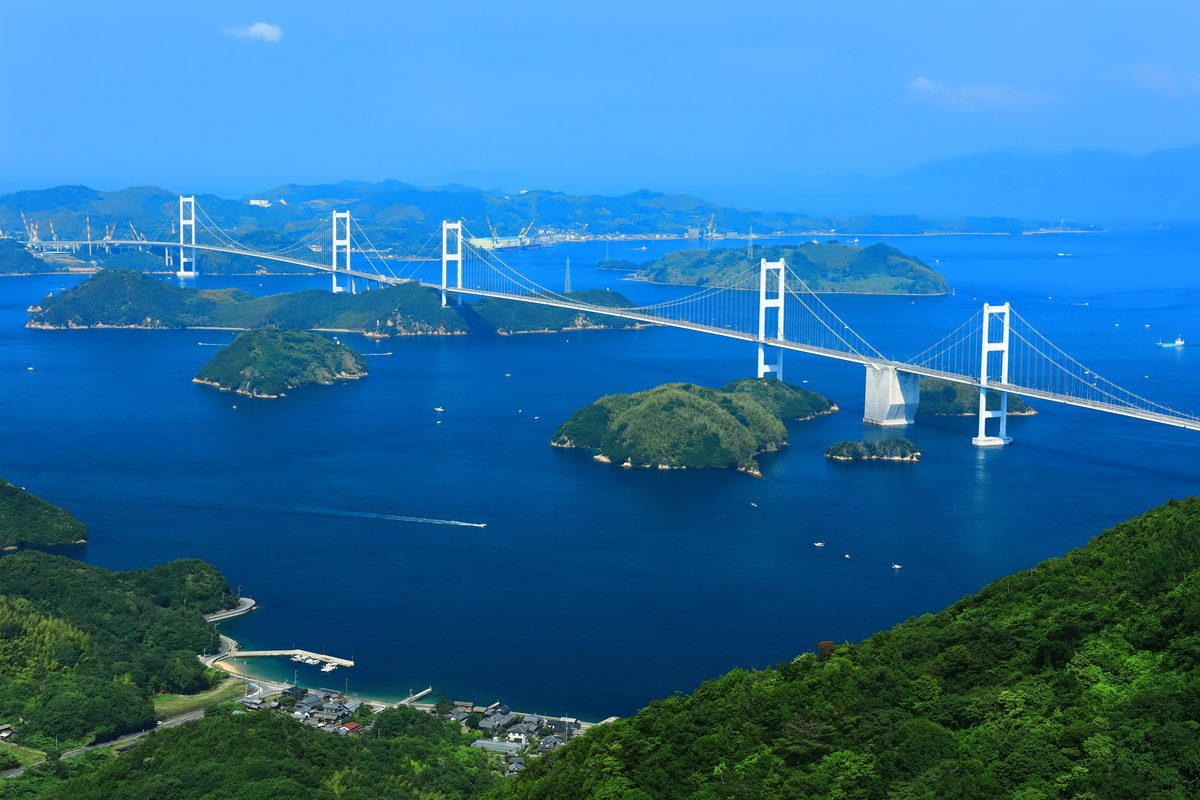
Shimanami Kaido
A 70km cycling route connecting Honshu to Shikoku via six islands and six suspension bridges over the Seto Inland Sea — considered one of the world's top cycling routes. Views from each bridge span are extraordinary.
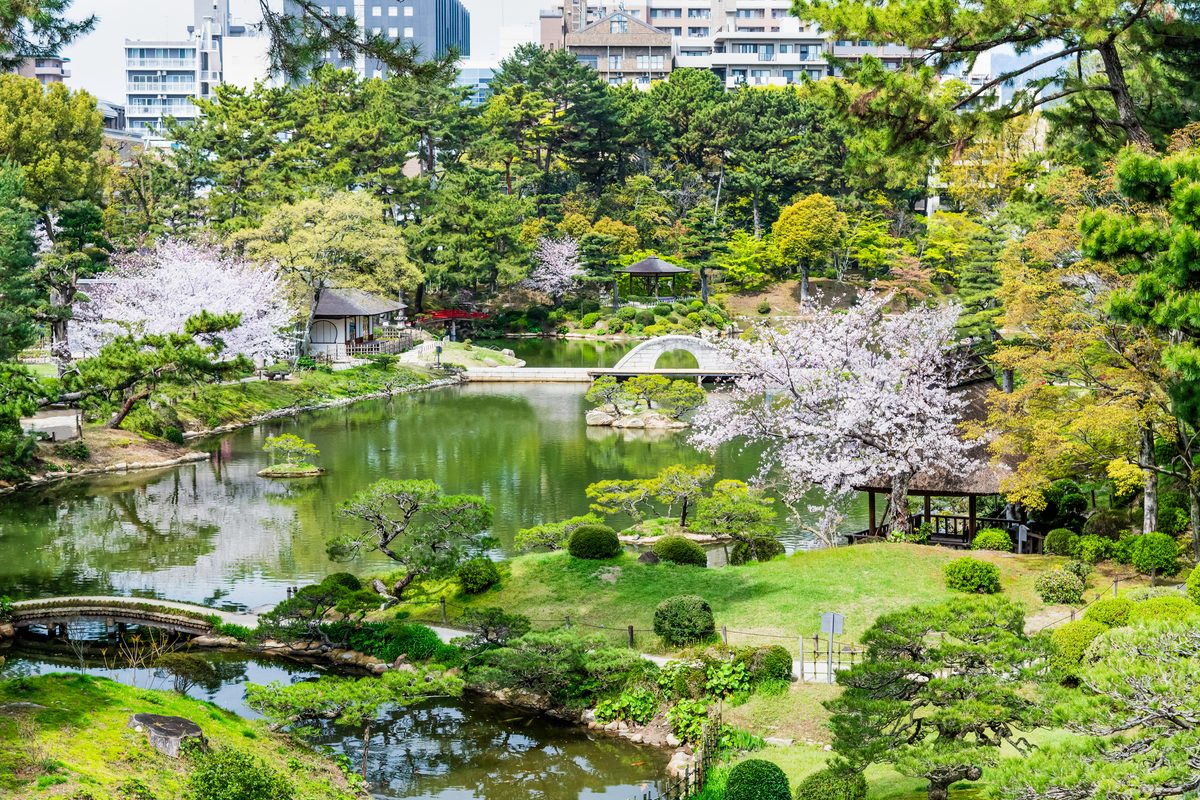
Shukkei-en Garden
A 400-year-old stroll garden in central Hiroshima — the name means 'garden of condensed landscapes' for its miniature mountains, streams, and stone islands. One of the few places in Hiroshima with direct atomic bomb survivor stories.
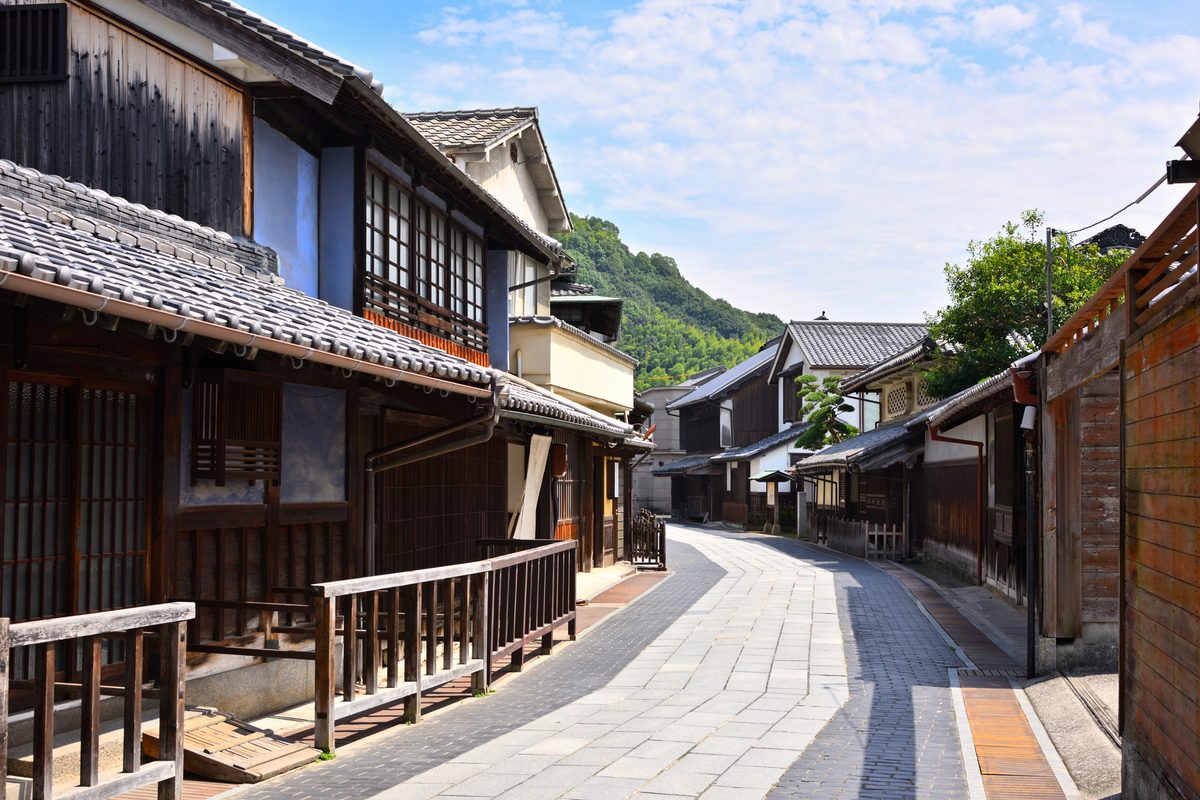
Takehara Preservation District
A sake-brewing merchant town frozen in late Edo-period form — sake breweries, merchant houses with latticed facades, and a ridge-top shrine with sea views. Called the 'Little Kyoto of Hiroshima,' it sees a fraction of the crowds.
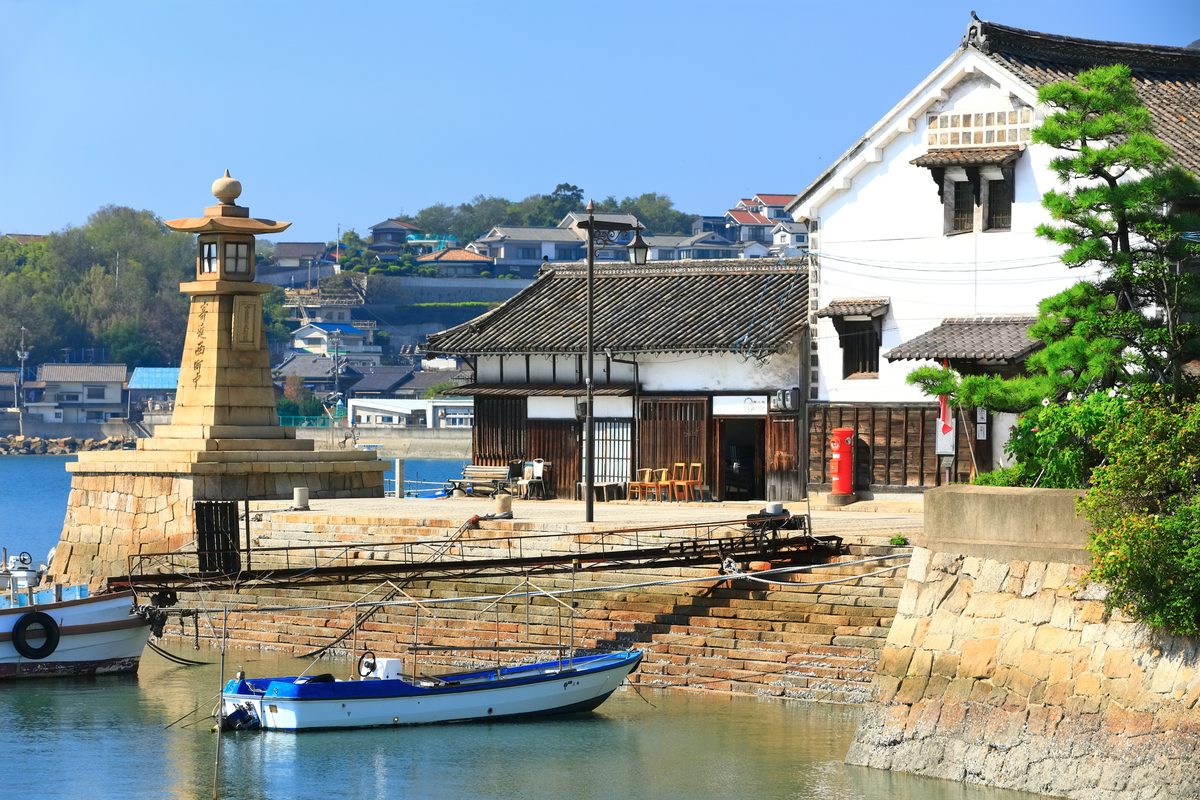
Tomonoura
An ancient port town so well preserved that Miyazaki used it as reference for Ponyo. Stone lighthouse, sake breweries fermenting tidewater-cooled sake, and a hillside temple where Sakamoto Ryoma hid during the Meiji Restoration.
Advertisement
When to Visit Hiroshima
Peak spots by season — ordered by best match.
More from Chugoku
Other prefectures in the same region
Ready to visit Hiroshima?
Let AI build a personalized day-by-day itinerary based on your interests and travel style.
Create a Hiroshima Itinerary