
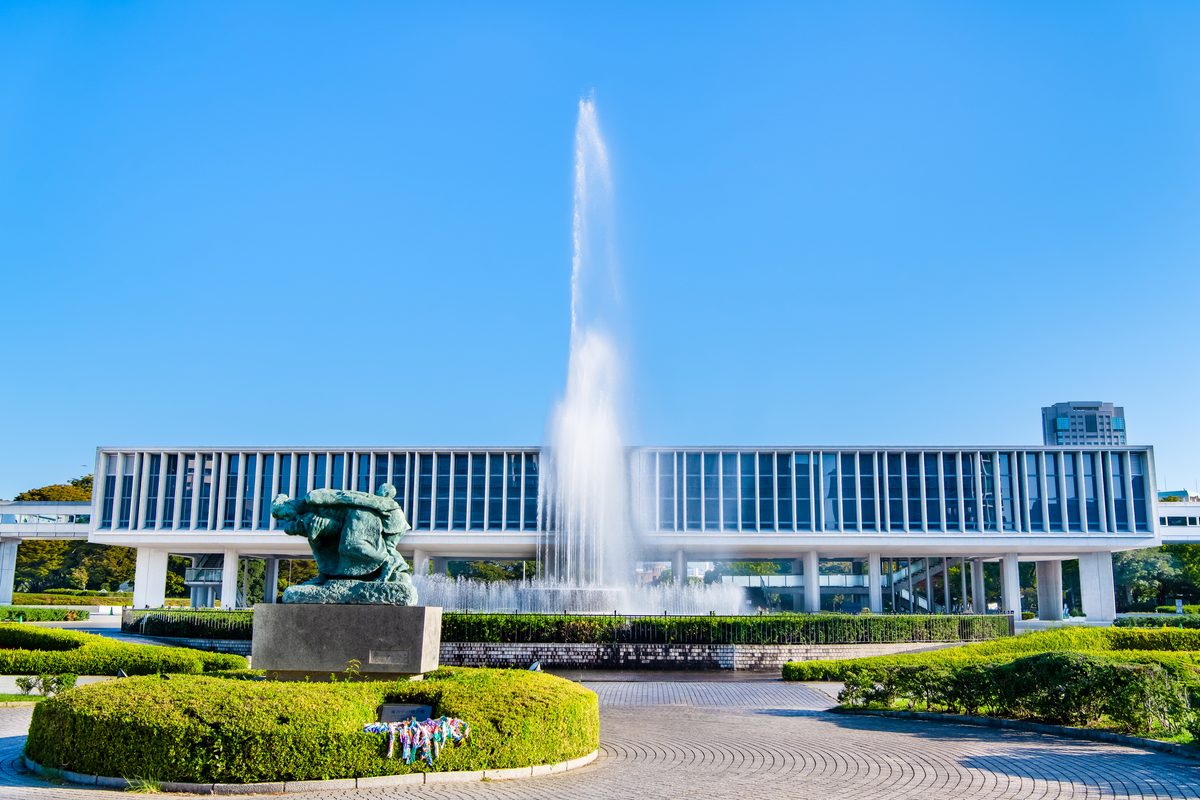
Hiroshima Peace Memorial Museum
An unflinching examination of August 6, 1945 and its aftermath — personal effects of victims, charred lunchboxes, melted glass, and shadows burned into stone. One of the world's most important museums and a transformative experience.
2–3 hours
¥200
7:30–19:00 (Mar–Jul, Sep–Nov); 7:30–20:00 (Aug, until 21:00 Aug 5–6); 7:30–18:00 (Dec–Feb). Closed Dec 30–31 and mid-Feb. Extended hours may require online reservation; check official site.
year-round
Tram to Genbaku Dome-mae or Honkawa-cho; about 10 min walk from Genbaku Dome-mae tram stop to the museum (about 5 min from the A-Bomb Dome structure)
Location
Why Visit
- 1
Personal belongings of victims give the scale of loss a human face
- 2
Sadako Sasaki's paper cranes on display
- 3
East Building: historical context of militarism and the bombing
- 4
Survivor testimonies available in audio and video
Local Tips
Allow 2 hours minimum — the personal artifacts, shadow burns, and survivor testimonies make this one of the world's most important museums. Visit early when the building is quieter. The east building (free) provides historical context; the west building (¥200) contains the most affecting exhibits. Book the Peace Volunteer Guide in advance for a survivor's-family perspective.
Add to your AI itinerary
Let AI build a multi-day trip around this spot.
Advertisement
More in Hiroshima
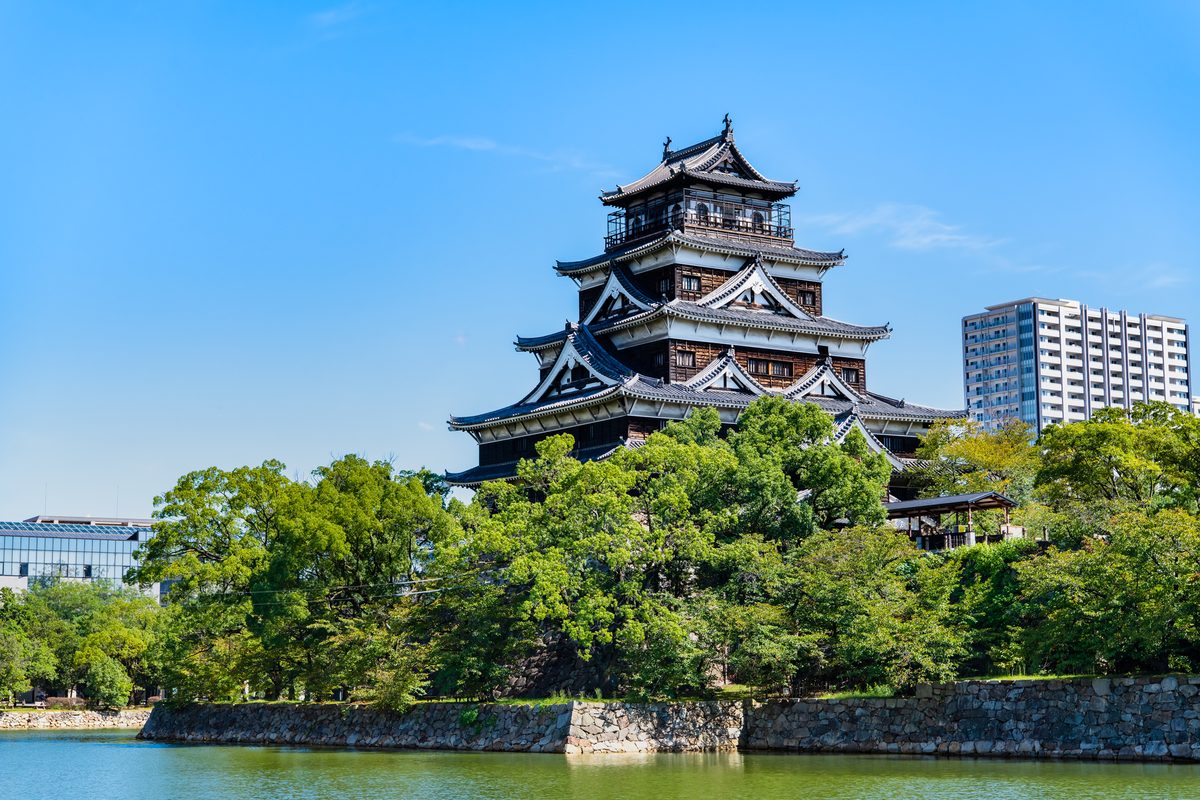
Hiroshima Castle
Rebuilt in 1958 after the atomic bomb destroyed the original, Hiroshima Castle offers exhibits on samurai life and the city's reconstruction. The surrounding moat park is one of Hiroshima's best cherry blossom destinations.
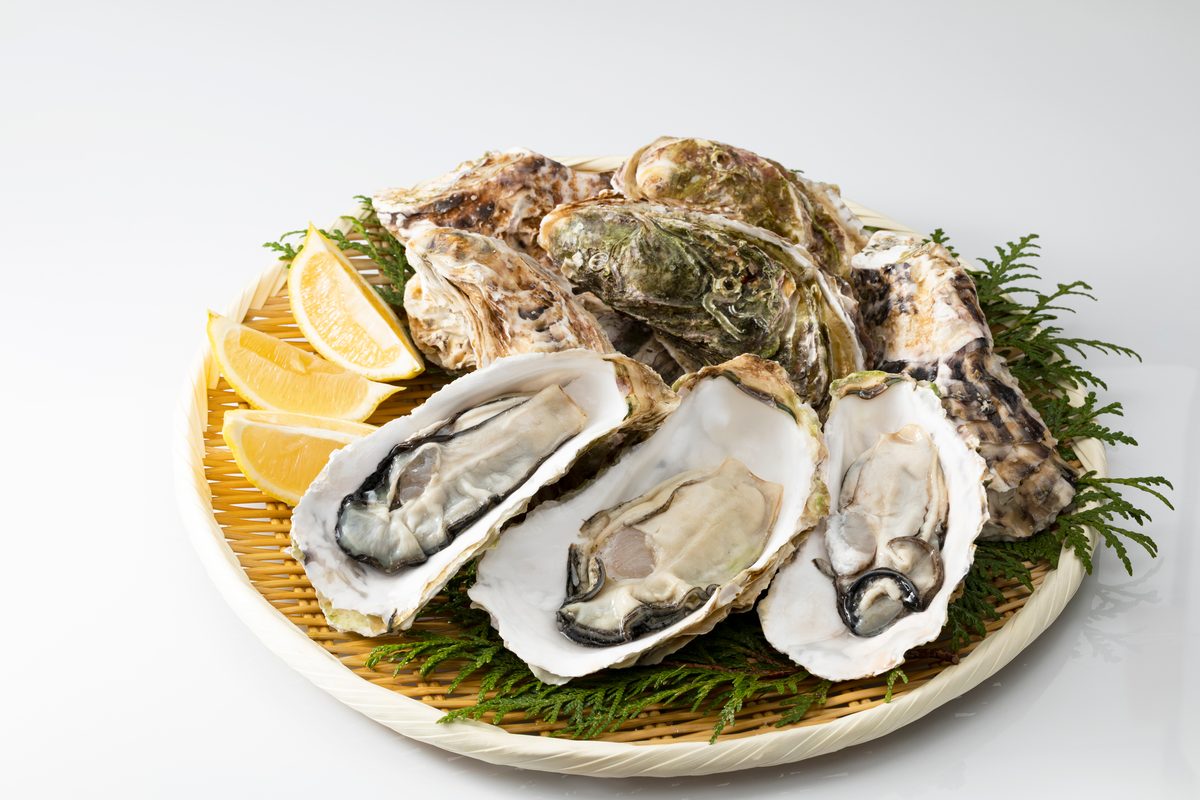
Hiroshima Oyster Experience
Hiroshima produces 60% of Japan's oysters — the Seto Inland Sea's nutrient-rich currents grow them fat and briny. Hire a grill at a waterfront shack in Miyajima or Etajima, eat them charcoal-grilled with lemon, or raw over rice.
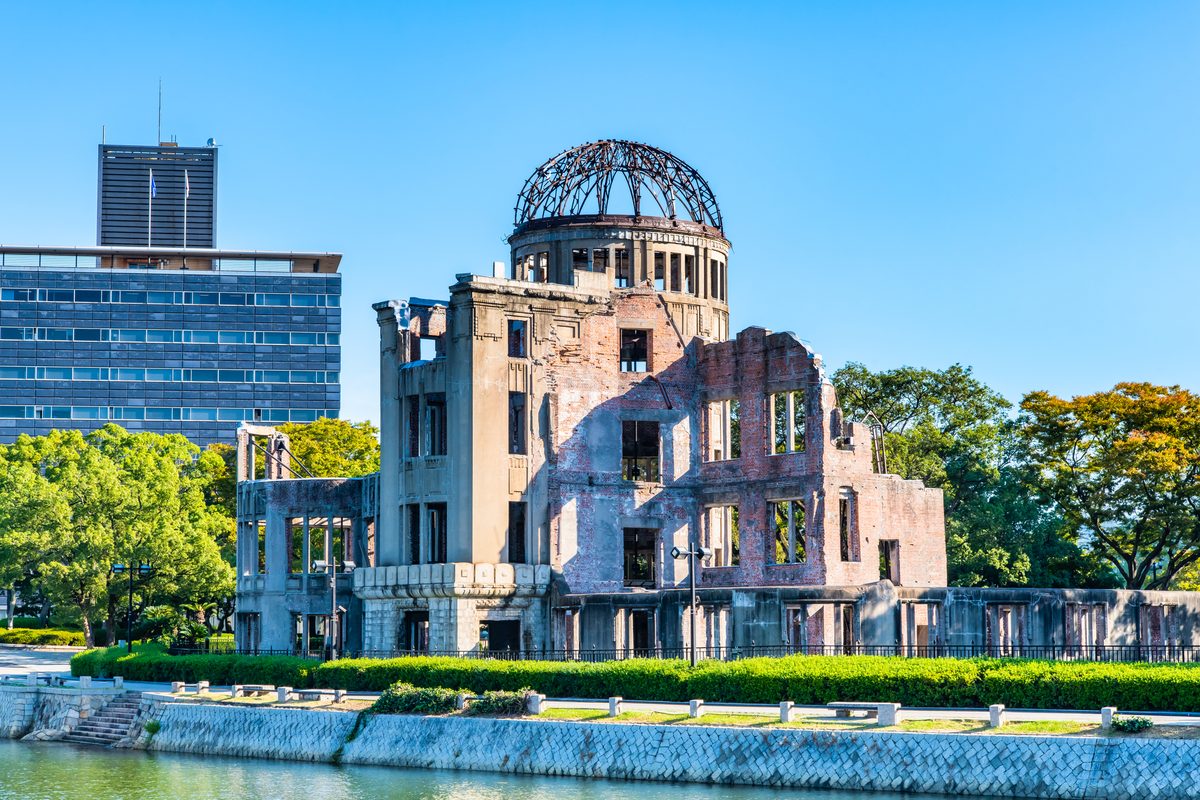
Hiroshima Peace Memorial (A-Bomb Dome)
The only structure left standing near the epicenter of the world's first atomic bomb attack on August 6, 1945. Left deliberately unrestored as a permanent witness and a plea for its non-repetition. UNESCO World Heritage Site.