
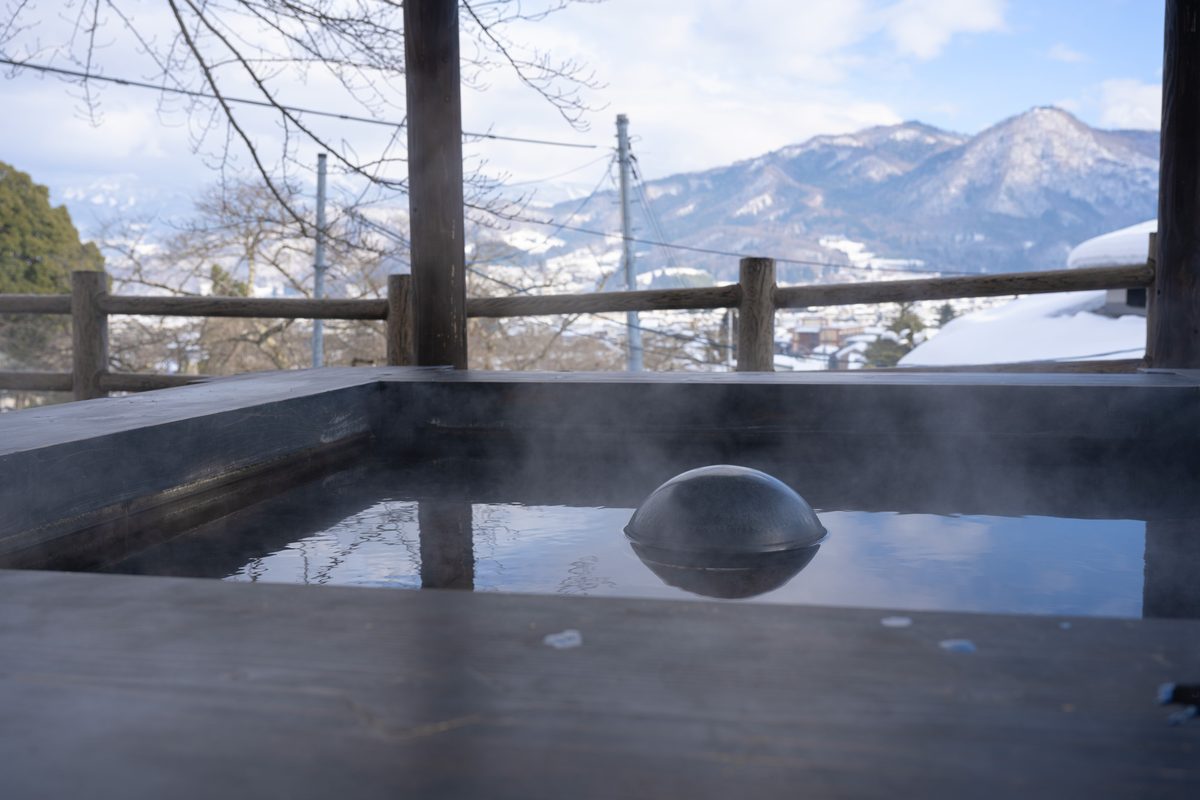
Kaminoyama Onsen
A 600-year-old spa town where samurai once bathed to recover from battle — a thatched-roof castle still stands at the edge of the onsen district. Seven free public footbaths are scattered through the streets.
2–3 hours
Free footbaths; baths from ¥300
Free footbaths: daytime; public baths: 6:00–22:00 (varies); ryokan day baths: 10:00–15:00
Year-round
Kaminoyama-Onsen Station (Yamagata Shinkansen, approx. 12 min from Yamagata)
Location
Why Visit
- 1
Kaminoyama Castle overlooks the onsen town — rebuilt in 1982 but with original moat and stone walls intact
- 2
Seven free "yu-meguri" footbaths dotted through the town center for spontaneous soaking
- 3
Autumn grape harvest adds winery visits to an onsen trip
- 4
The spring water here is sodium chloride — called "niku no yu" (meat water) for its skin-nurturing qualities
Local Tips
Kaminoyama is famous for its castle combined with onsen — a rare combination. The samurai footbath tradition (a lord once ordered samurai to bathe their feet here before entering the castle) gives the town a distinct identity. Easy day trip from Yamagata city (25 min by express train); combine with Tendo shogi piece workshops.
Add to your AI itinerary
Let AI build a multi-day trip around this spot.
Advertisement
More in Yamagata
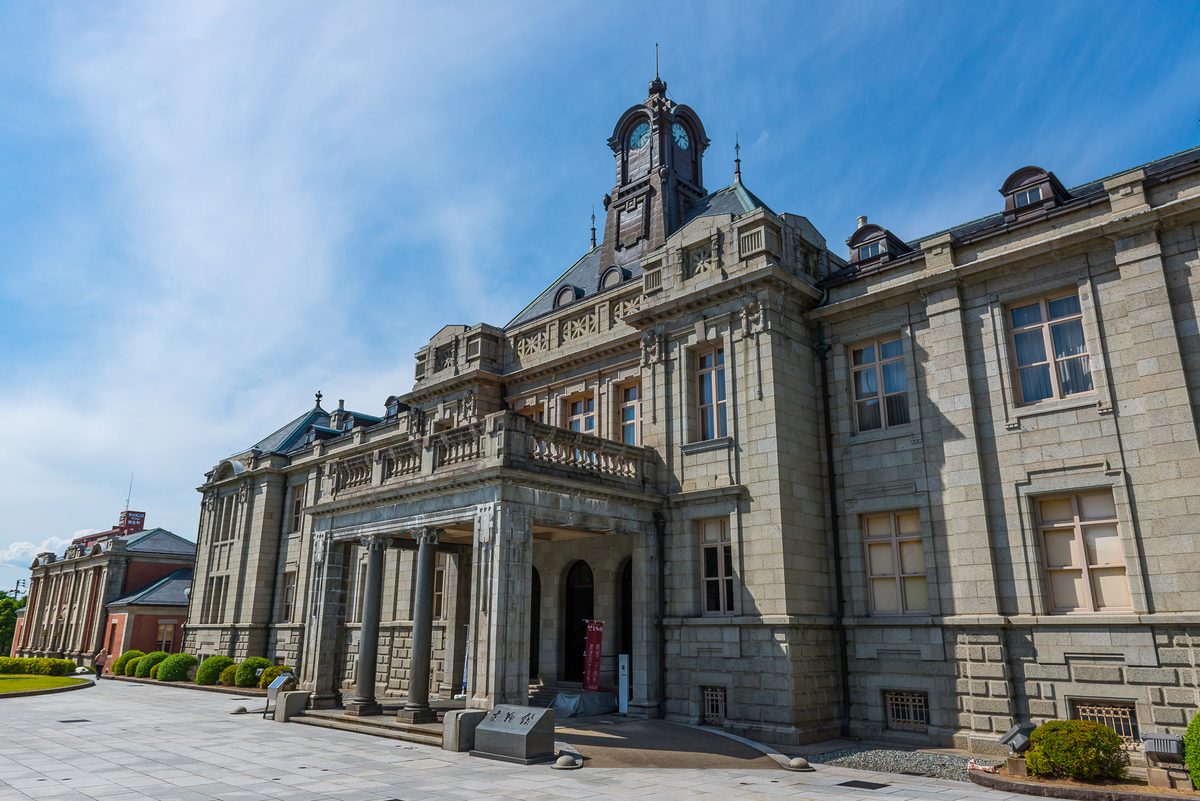
Bunshokan — Yamagata Prefectural Museum
Bunshokan is a striking red-brick building completed in 1916, originally serving as the Yamagata Prefectural Office and Assembly Hall before being designated an Important Cultural Property of Japan. The Taisho-era Western-style architecture, complete with a central clocktower, stands in sharp contrast to the castle walls of the adjacent Kajo Park, offering a window into a different chapter of Yamagata's history. Today the building functions as the Yamagata Prefectural Museum of Art, housing rotating exhibitions and permanent displays, and remains one of the most recognisable landmarks in the city.
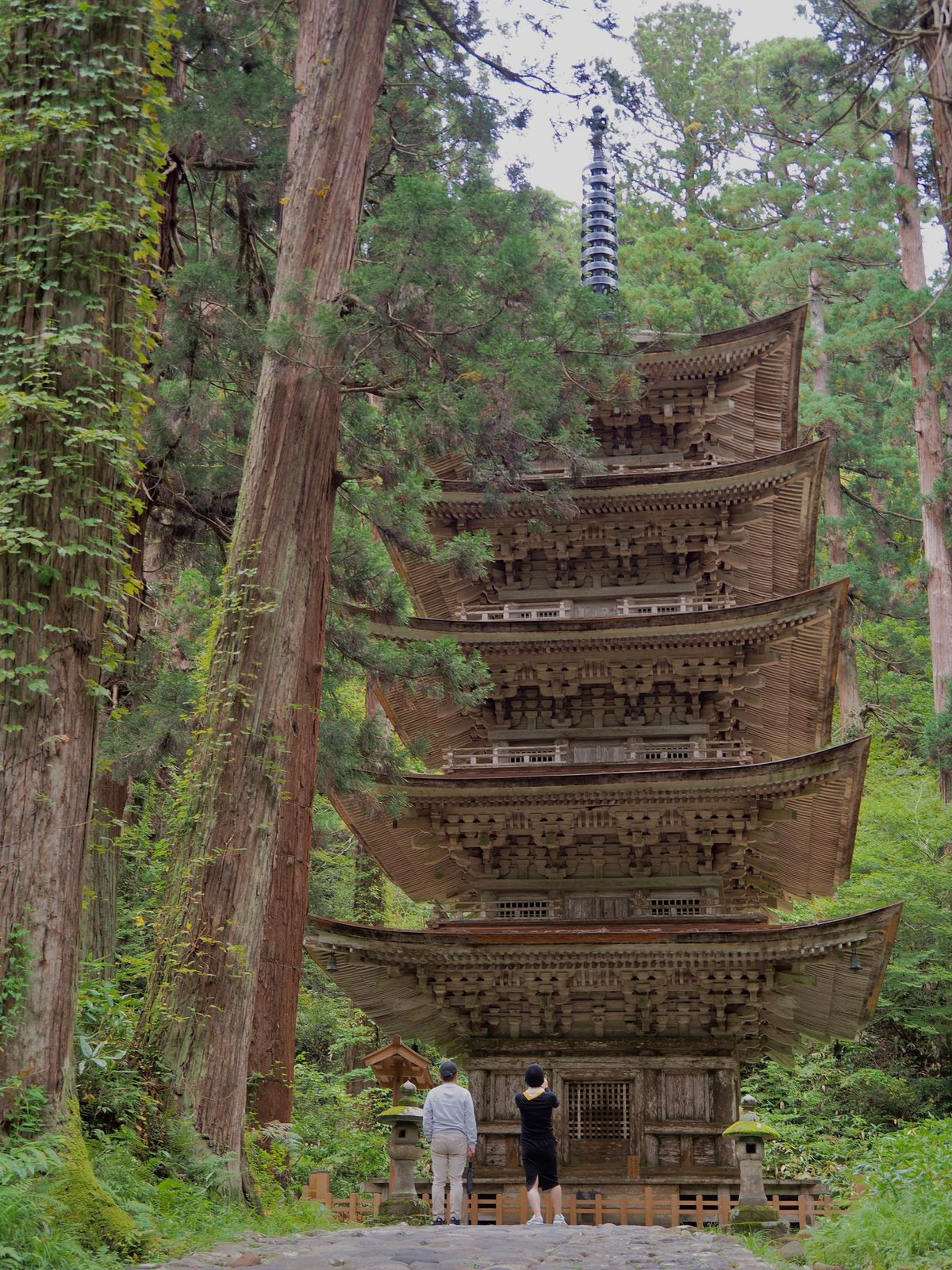
Dewa Sanzan
Three sacred mountains — Haguro (birth), Gassan (death) and Yudono (rebirth) — pilgrimage circuit of the ancient yamabushi mountain ascetics. The Haguro-san five-storey pagoda among 600-year-old cedar trees is one of Japan's most atmospheric.
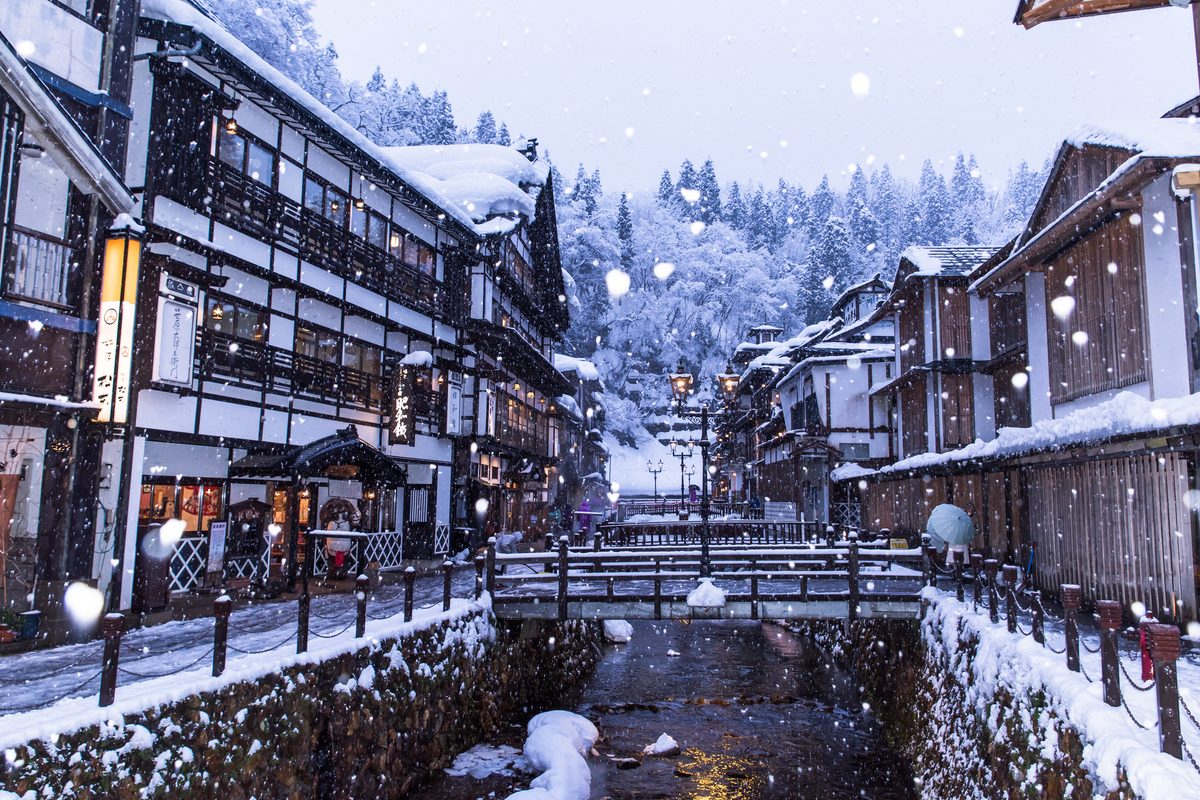
Ginzan Onsen
Japan's most photogenic hot spring village — Taisho-era multi-storey wooden ryokan line both banks of a narrow mountain stream, their gas lanterns glowing golden on the water at dusk. Snow transforms it into a perfect winter world.