
Yamagata Travel Guide
A prefecture shaped by mountains and seasons. The Three Dewa Shrines draw ascetic pilgrims year-round; Zao Onsen hosts Japan's most dramatic snow-monster trees; and the cliff-clinging Yamadera temple offers vistas that moved poet Matsuo Bashō to verse. Cherry blossoms, tart cherries, and tender Yonezawa beef complete the picture.
3 hidden gems in Yamagata include insider locations, local tips, and full access details.
Hidden Gems in Yamagata
Hand-picked spots off the tourist trail — all personally curated.
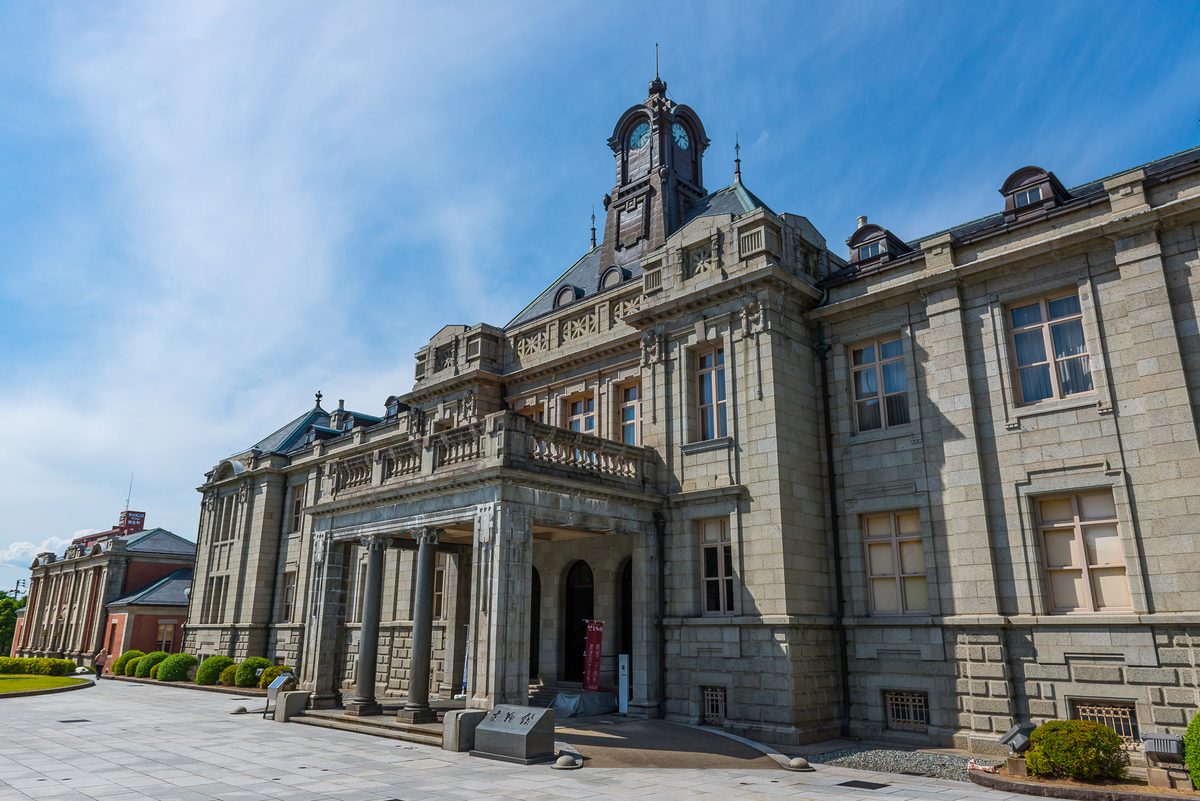
Bunshokan — Yamagata Prefectural Museum
Bunshokan is a striking red-brick building completed in 1916, originally serving as the Yamagata Prefectural Office and Assembly Hall before being designated an Important Cultural Property of Japan. The Taisho-era Western-style architecture, complete with a central clocktower, stands in sharp contrast to the castle walls of the adjacent Kajo Park, offering a window into a different chapter of Yamagata's history. Today the building functions as the Yamagata Prefectural Museum of Art, housing rotating exhibitions and permanent displays, and remains one of the most recognisable landmarks in the city.
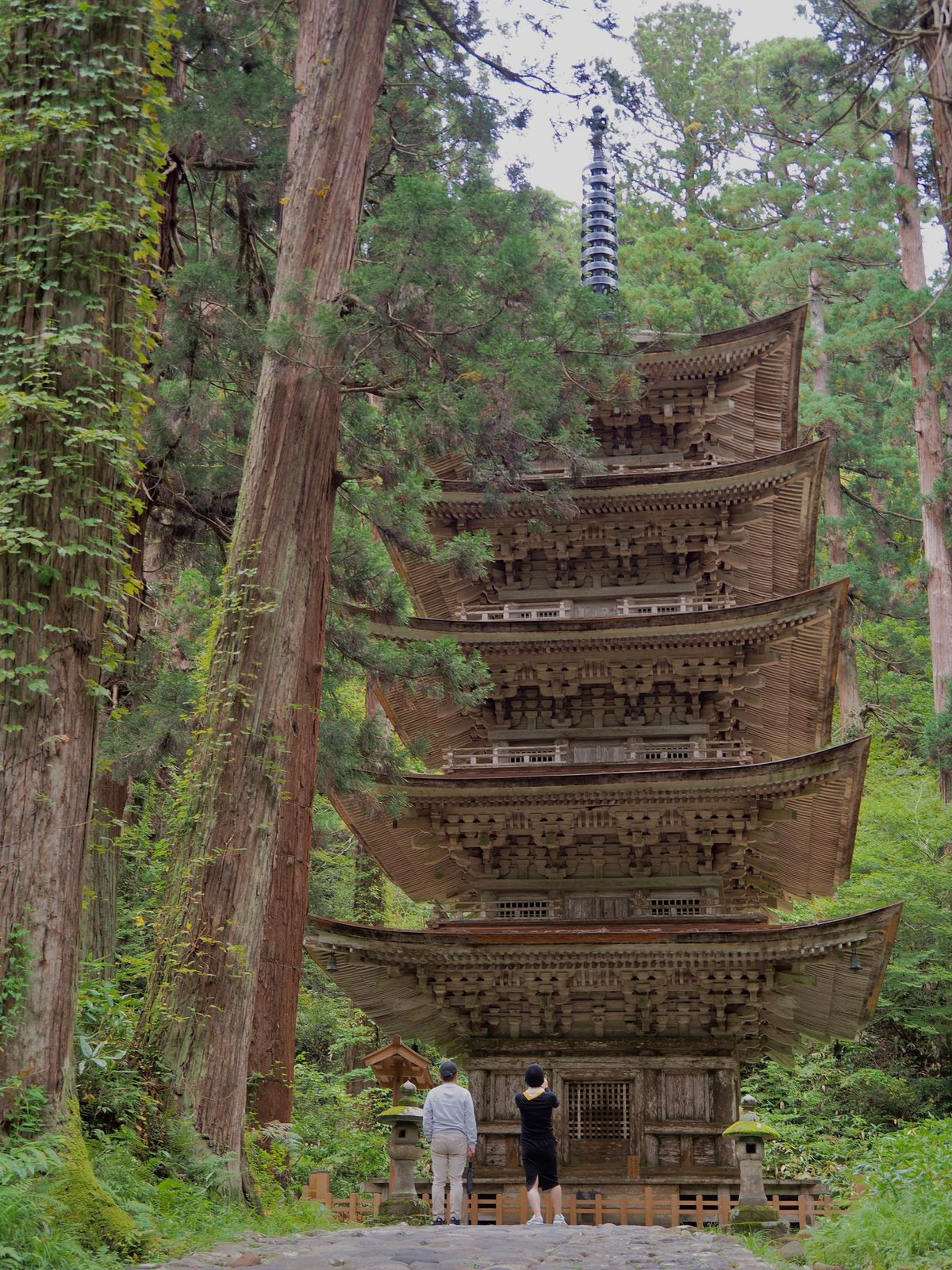
Dewa Sanzan
Three sacred mountains — Haguro (birth), Gassan (death) and Yudono (rebirth) — pilgrimage circuit of the ancient yamabushi mountain ascetics. The Haguro-san five-storey pagoda among 600-year-old cedar trees is one of Japan's most atmospheric.
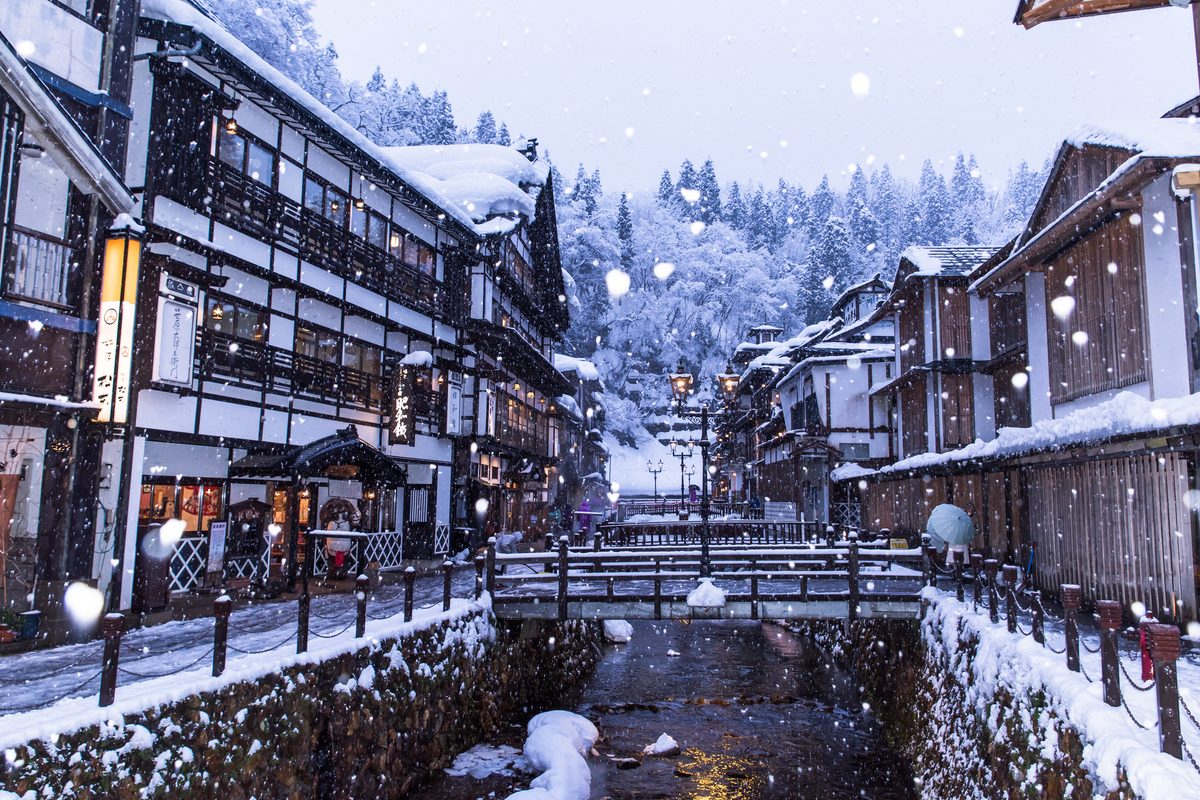
Ginzan Onsen
Japan's most photogenic hot spring village — Taisho-era multi-storey wooden ryokan line both banks of a narrow mountain stream, their gas lanterns glowing golden on the water at dusk. Snow transforms it into a perfect winter world.
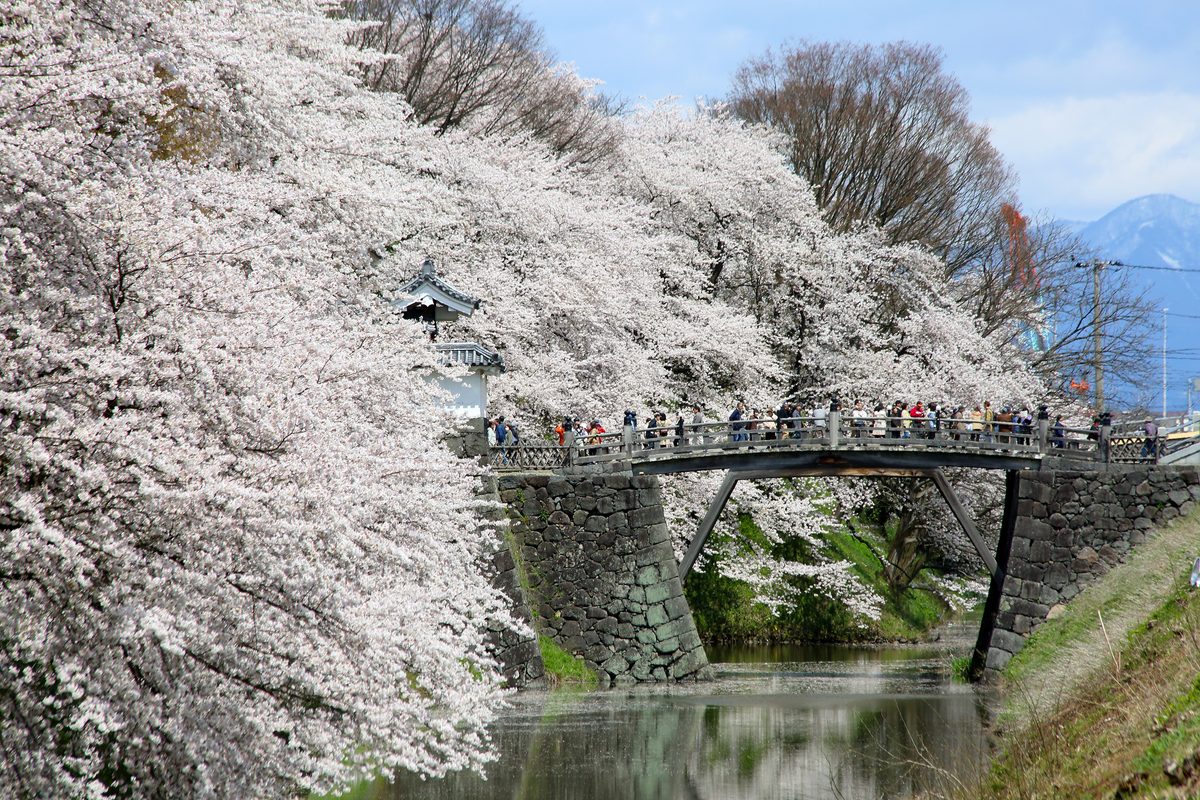
Kajo Park & Yamagata Castle Ruins
Kajo Park occupies the grounds of Yamagata Castle, a sprawling fortification built in 1357 and one of Japan's 100 Famous Castles. The stone walls, moats, and reconstructed East Great Gate (Higashi-Otemon) give a vivid sense of the castle's former scale, while the surrounding park provides one of the finest cherry blossom settings in the Tohoku region, with approximately 1,500 trees blooming each April. Located just minutes from Yamagata Station, the park is the natural starting point for exploring the city and connects easily to the nearby Bunshokan cultural hall.
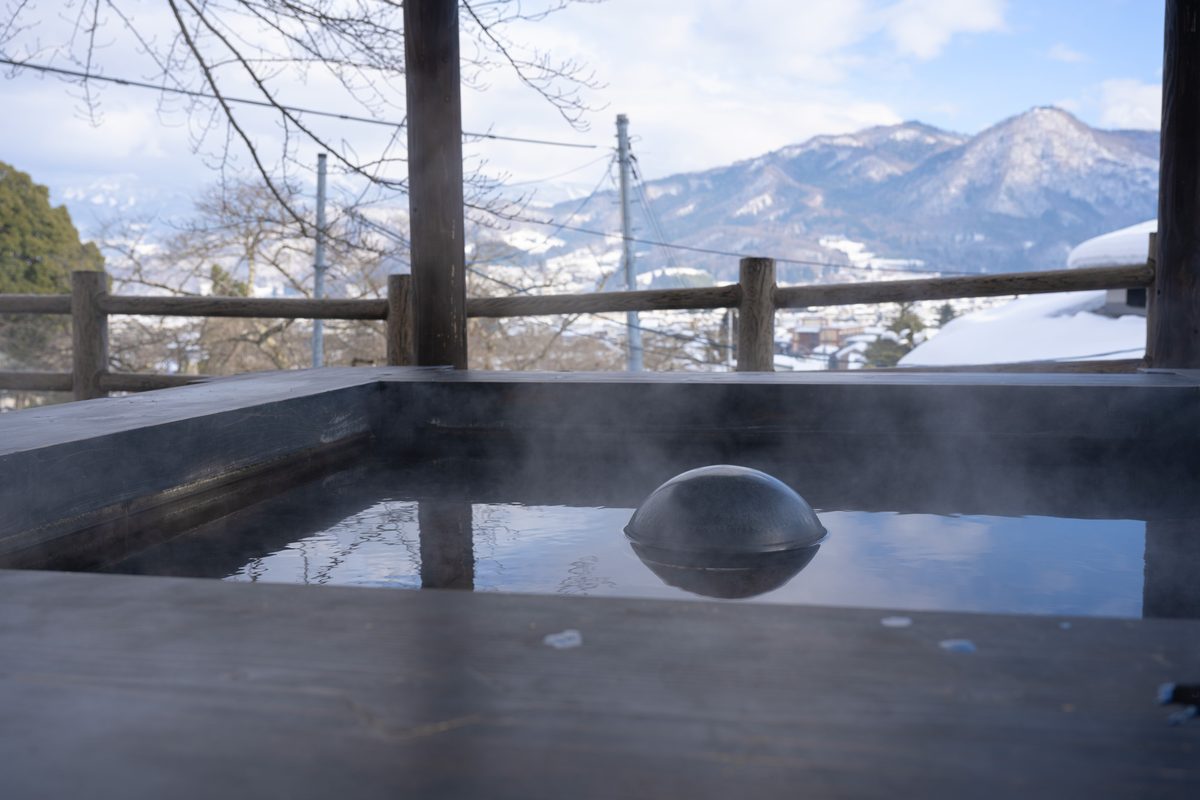
Kaminoyama Onsen
A 600-year-old spa town where samurai once bathed to recover from battle — a thatched-roof castle still stands at the edge of the onsen district. Seven free public footbaths are scattered through the streets.
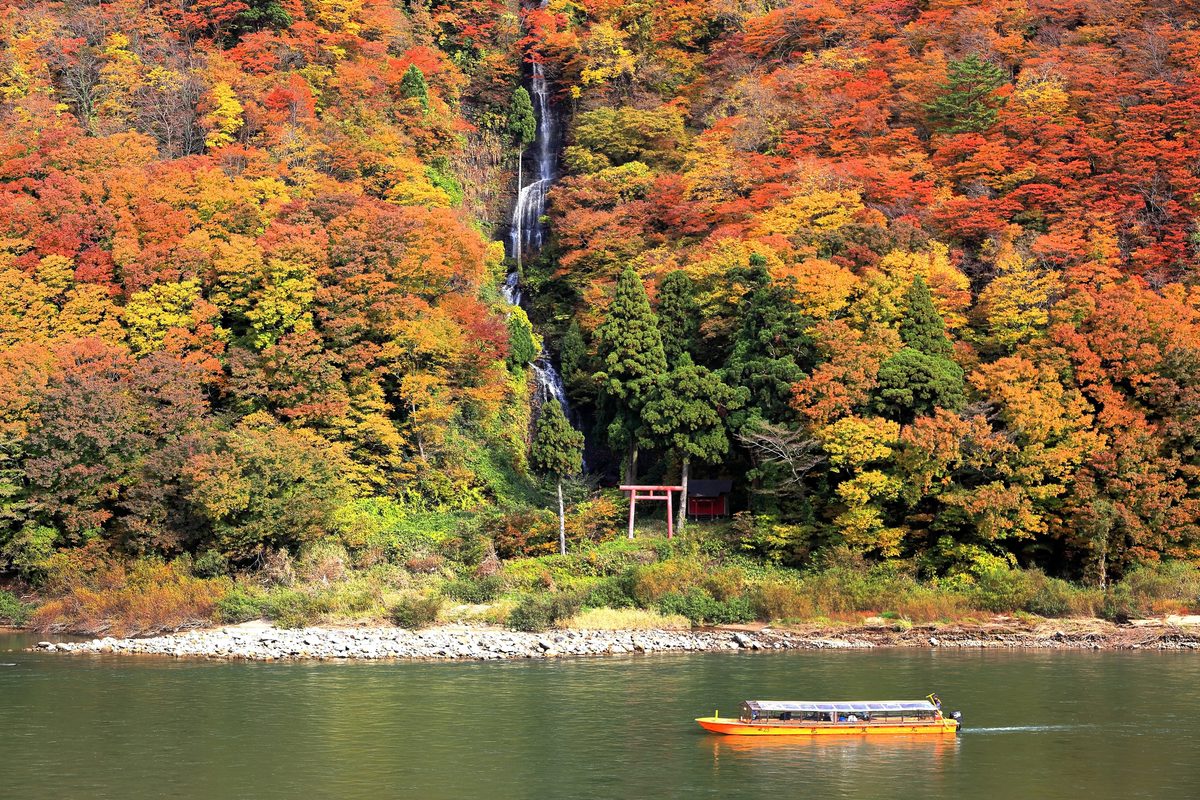
Mogami Gorge Boat Ride
A 12-kilometre flat-bottomed boat descent through the Mogami River gorge between forested cliffs — the boatmen (funako) sing traditional folk songs as herons fish alongside. Basho included this journey in "Narrow Road to the Deep North".
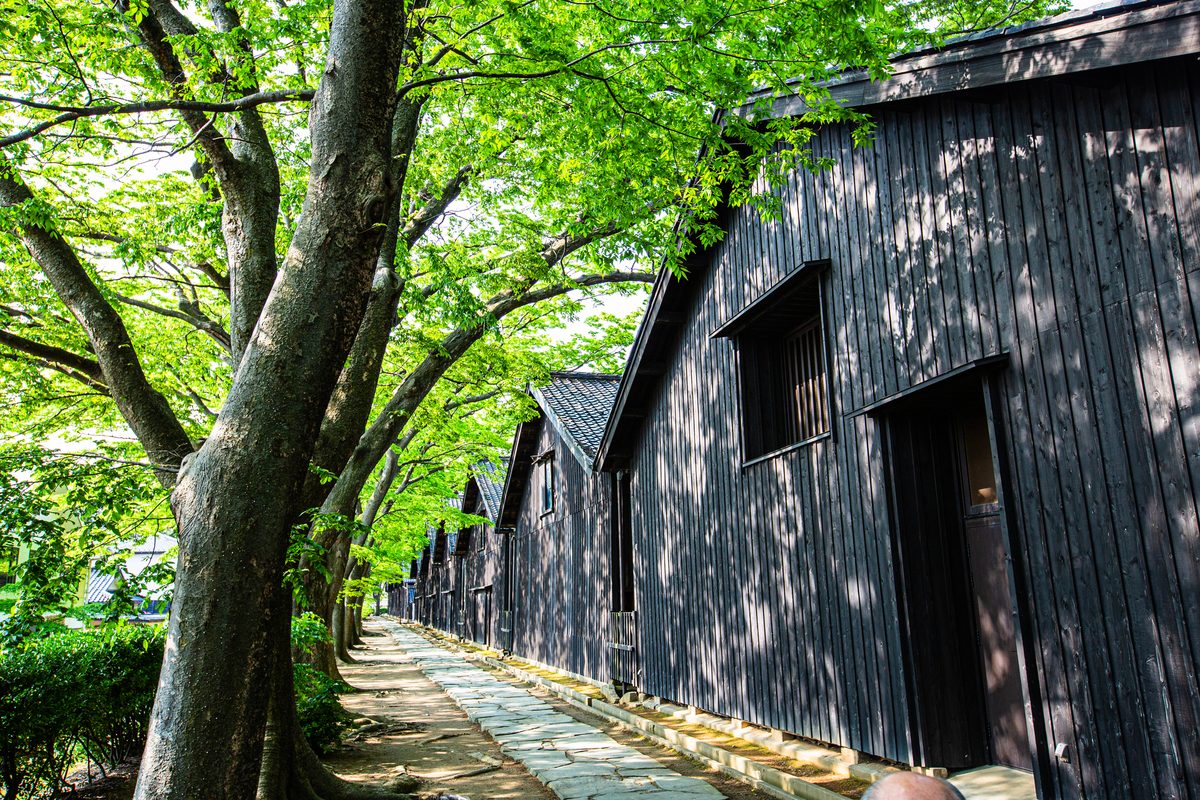
Sakata Sankyo Warehouses
A row of elegant 120-year-old double-roofed rice storage warehouses beside the Mogami River mouth, built with a clever double-layer roof to keep rice cool in summer. Zelkova trees line the approach in a perfect symmetry.
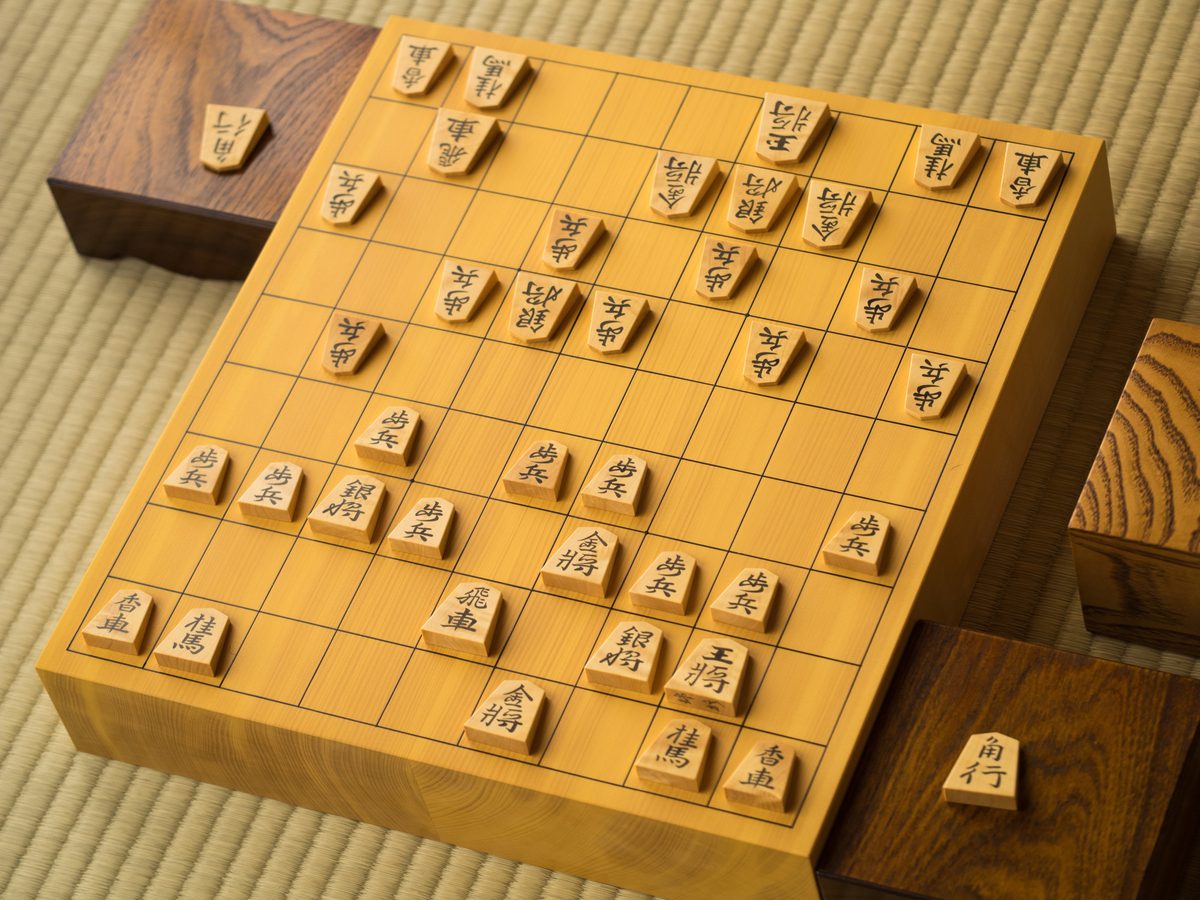
Tendo Shogi Craft
Tendo produces 95% of all shogi pieces in Japan — each piece hand-lacquered and inscribed by craftsmen using techniques unchanged since the Edo period. In spring, a "human shogi" tournament uses townspeople as living chess pieces.
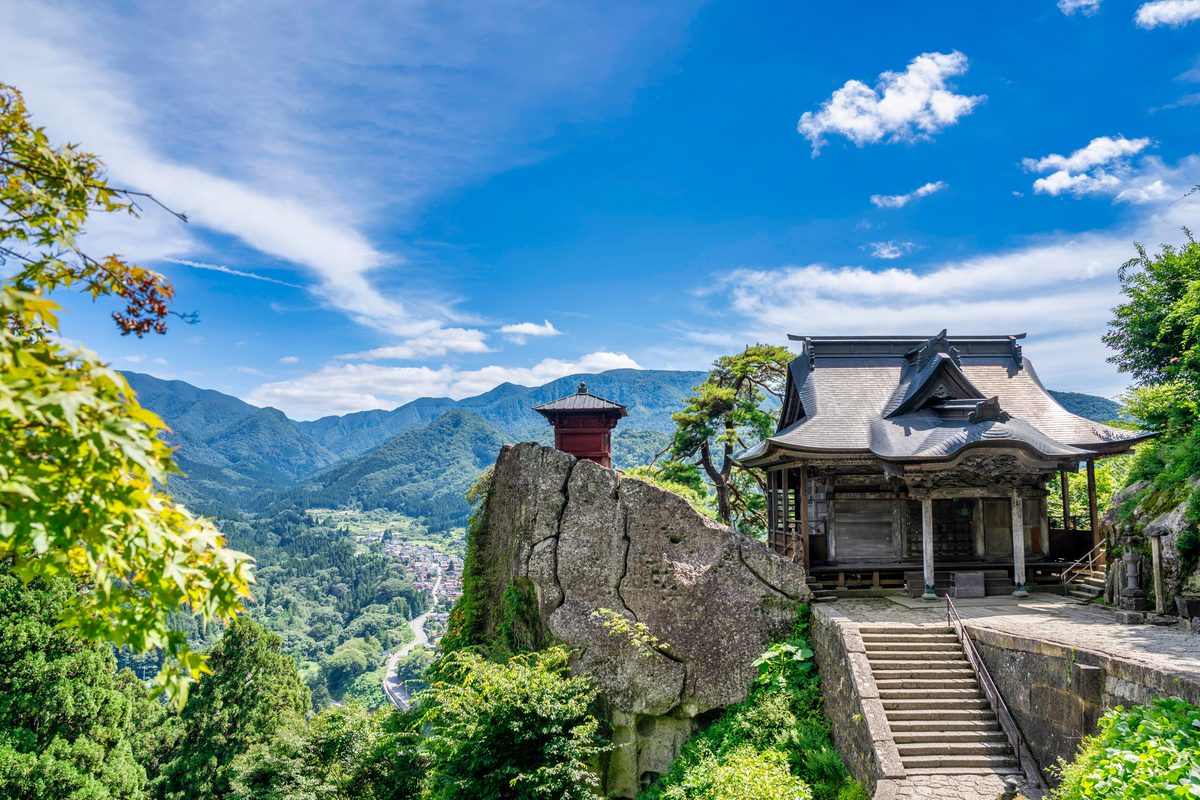
Yamadera (Risshakuji Temple)
An 1,100-year-old Tendai Buddhist temple complex climbing a rocky mountain above a river valley. The 1,015 stone steps to the summit sanctuary pass prayer halls, meditation niches and enormous boulders — inspiring Basho's most famous haiku.
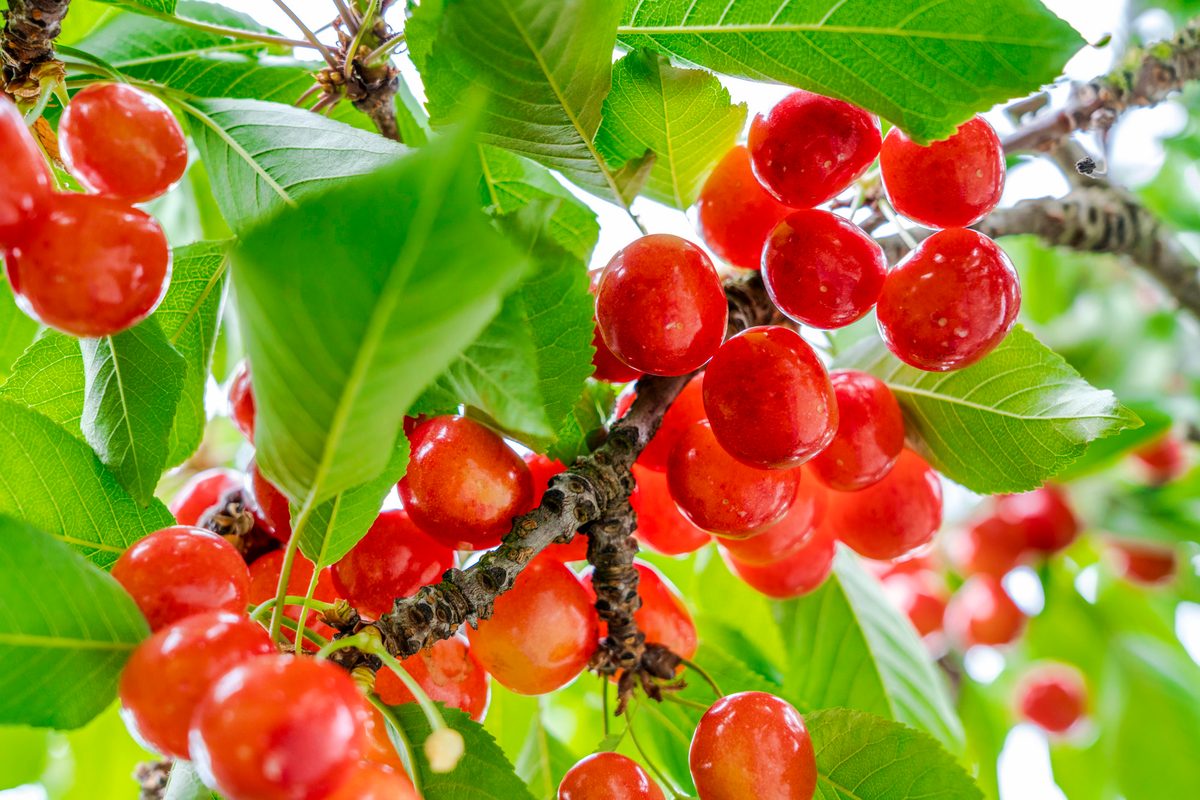
Yamagata Cherry Picking Experience
Yamagata Prefecture produces more cherries than any other prefecture in Japan, accounting for over 70% of national output. Every June and July, more than 400 farms open their orchards to visitors for all-you-can-eat cherry picking, offering direct access to varieties such as Sato Nishiki, Beni Shuho, and the prized Nanyo cherries. The experience — wandering through rows of laden trees under bright summer skies, eating directly from the branches — is a simple, joyful contrast to the temple-and-mountain circuits of the rest of Tohoku. Many farms also offer grape, pear, and apple picking from August through October, making Yamagata's fruit culture a multi-season attraction.
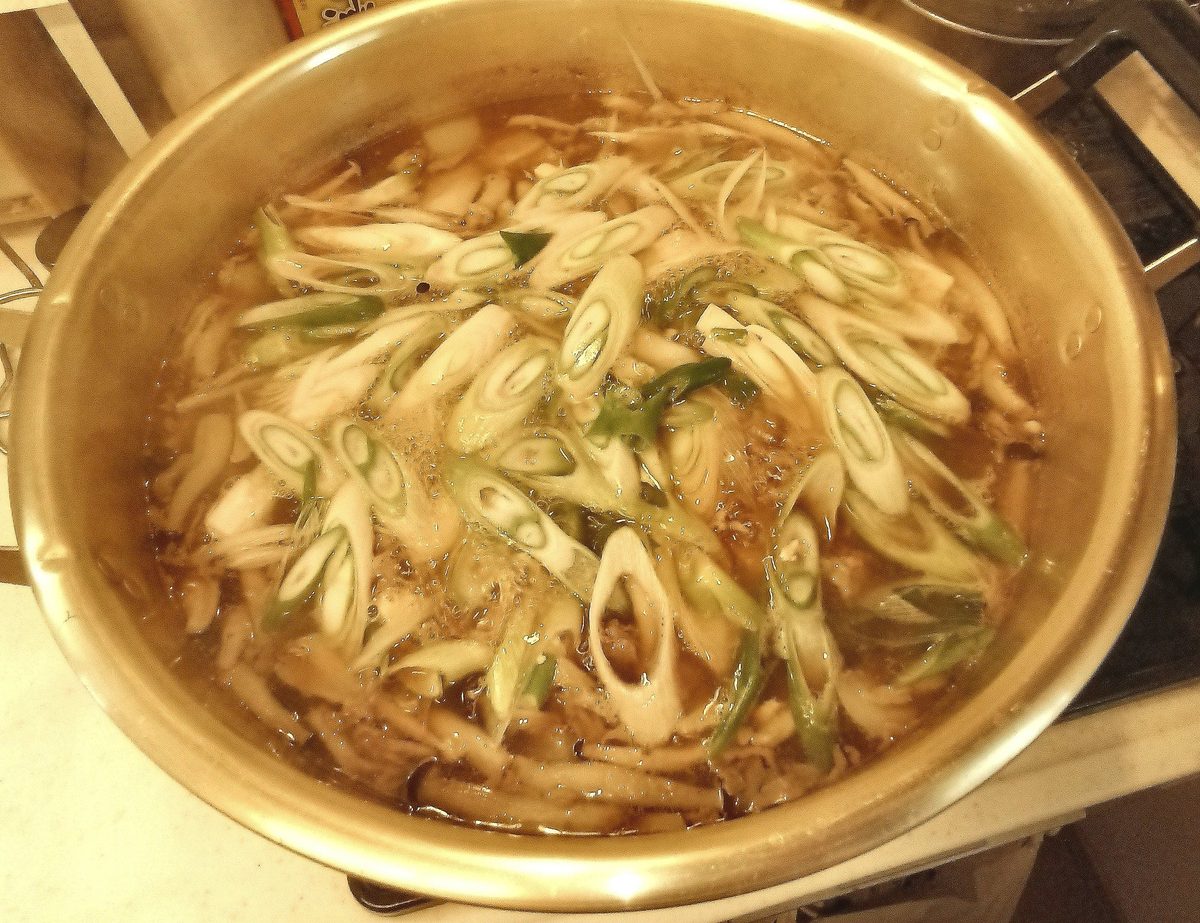
Yamagata Imoni Festival
Every September, the banks of the Mamigasaki River in Yamagata city become the site of one of Japan's most extraordinary food events: the Yamagata Imoni Festival, where a 6-metre-wide iron pot is used to cook imoni (taro root stew) for approximately 30,000 people in a single day. The stew, made with beef, taro, konjac, and leeks in a soy-based broth, is the defining autumn dish of Yamagata. A construction crane is used to stir the pot, and the whole event has the infectious energy of a city letting its hair down. The festival is a perfect introduction to Yamagata's food culture and its distinctive personality.
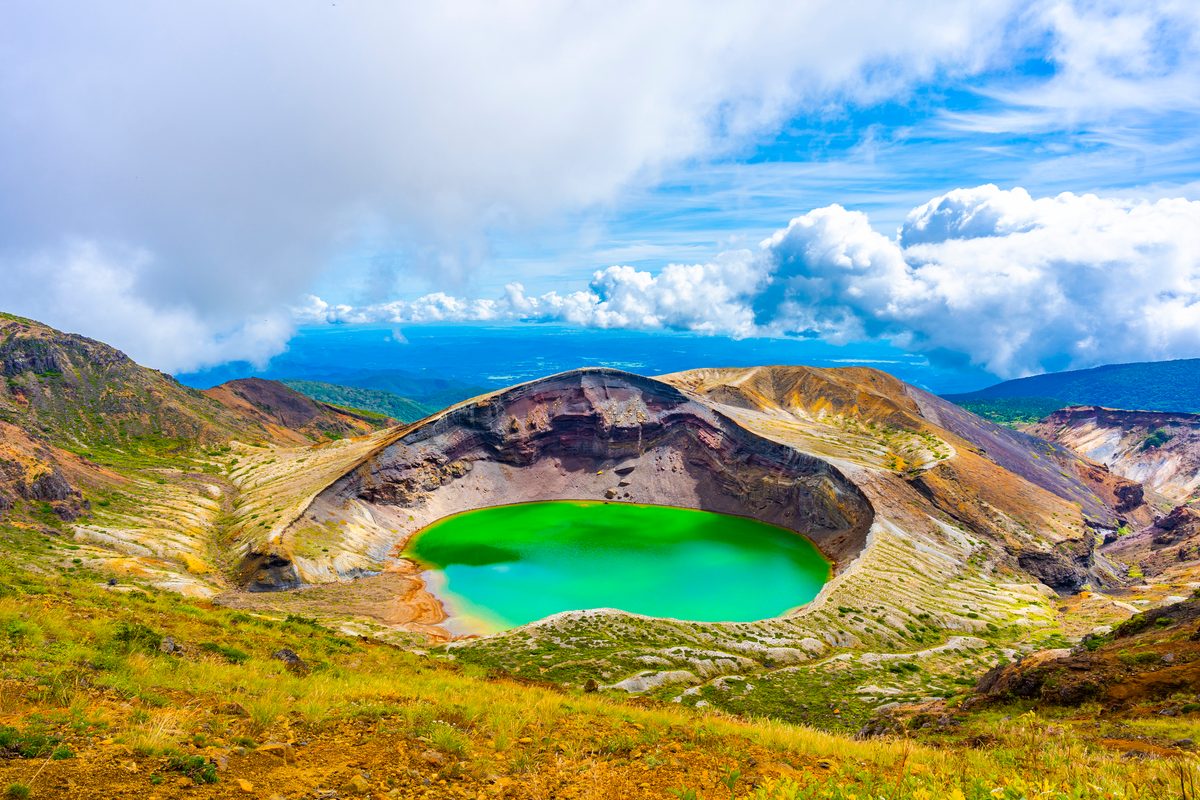
Zao Okama Crater Lake
An active volcano's crater lake that shifts between emerald green, milky turquoise and deep cobalt depending on volcanic activity and season. Called "Okama" (the iron pot) for its perfectly round bowl shape.
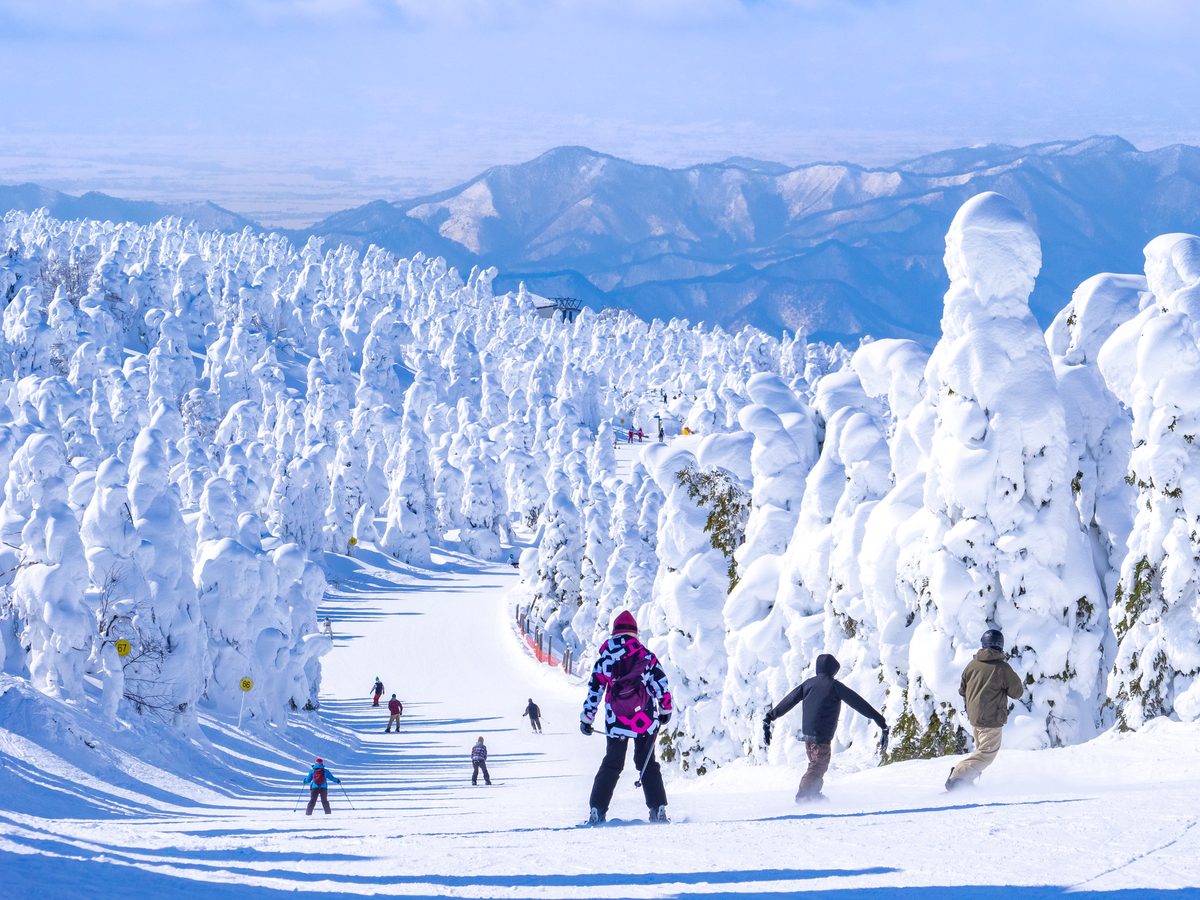
Zao Snow Monsters (Juhyo)
Every winter, the fir trees near the summit of Zao Mountain are transformed into towering snow sculptures known as juhyo — literally "ice trees" or snow monsters. The phenomenon occurs when supercooled water droplets from clouds freeze onto the branches in repeated layers, encasing the trees in thick white armour and turning the mountaintop into a surreal, otherworldly landscape. Viewed from the Zao Ropeway or during night illumination events, the snow monsters are among the most photographically striking natural phenomena in Japan. The season runs from late December through February, depending on conditions.
Advertisement
When to Visit Yamagata
Peak spots by season — ordered by best match.
More from Tohoku
Other prefectures in the same region
Ready to visit Yamagata?
Let AI build a personalized day-by-day itinerary based on your interests and travel style.
Create a Yamagata Itinerary