
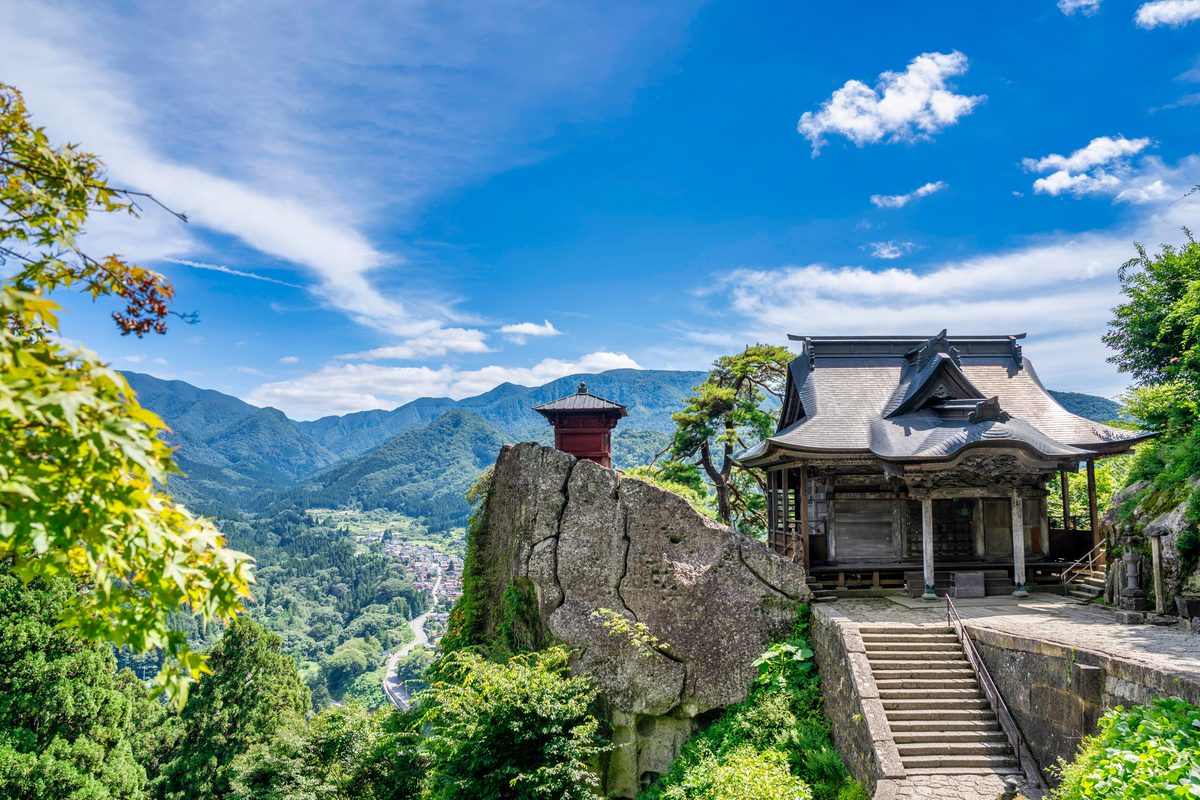
Yamadera (Risshakuji Temple)
An 1,100-year-old Tendai Buddhist temple complex climbing a rocky mountain above a river valley. The 1,015 stone steps to the summit sanctuary pass prayer halls, meditation niches and enormous boulders — inspiring Basho's most famous haiku.
2–3 hours
¥300
8:00–17:00 (last entry 16:30); closed in heavy snow
May–November; October–November (foliage)
Yamadera Station (JR Senzan Line, 50 min from Sendai)
Location
Why Visit
- 1
Basho wrote "Shizukasa ya / iwa ni shimiiru / semi no koe" (the quiet — piercing the rocks, the cicada's cry) at this very spot
- 2
The final Nokutsu hall at the summit offers a bird's-eye view of the valley and surrounding mountains
- 3
The Konpon-chudo hall at the base houses a flame said to have burned continuously since the temple was founded in 860
- 4
Each step on the approach is said to erase one worldly sin
Local Tips
Climb all 1,015 stone steps in the early morning before tour groups arrive — mist often lingers in the cedar forest. The Godaido overlook platform offers the best panoramic view. Bring layers as it is always cooler at the top.
Add to your AI itinerary
Let AI build a multi-day trip around this spot.
Advertisement
More in Yamagata
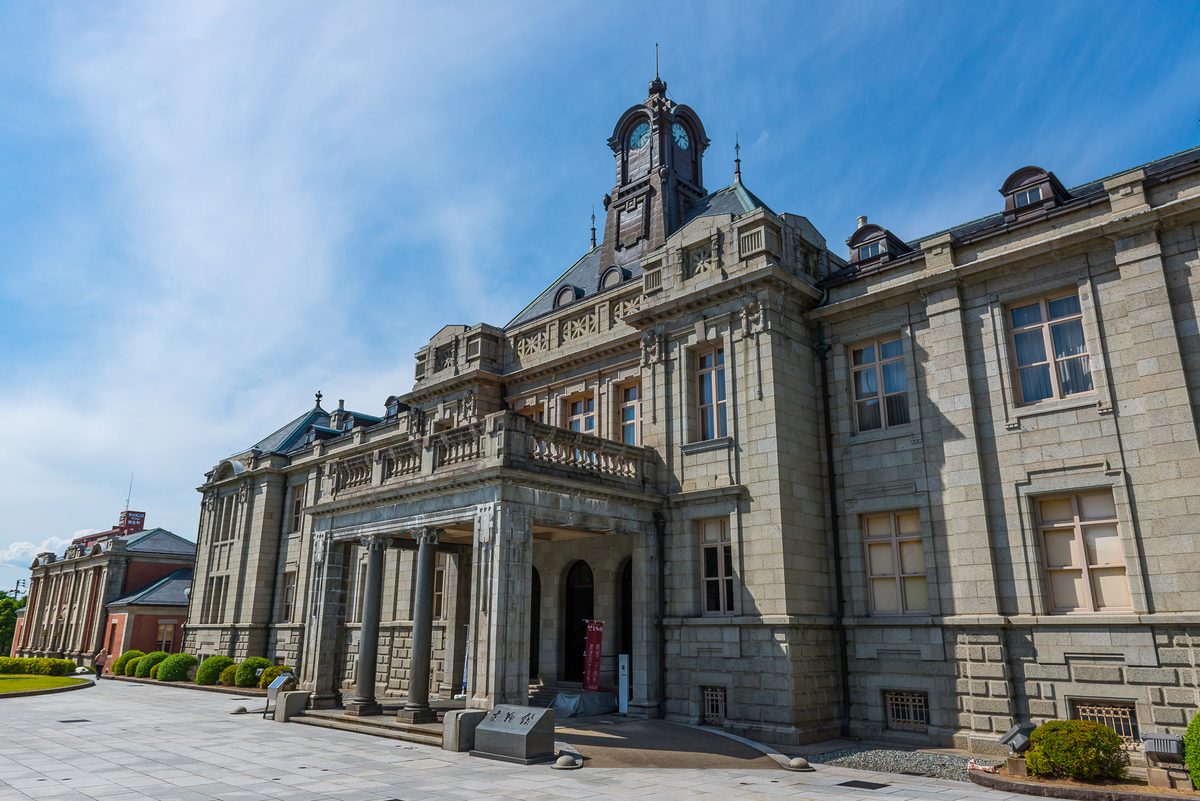
Bunshokan — Yamagata Prefectural Museum
Bunshokan is a striking red-brick building completed in 1916, originally serving as the Yamagata Prefectural Office and Assembly Hall before being designated an Important Cultural Property of Japan. The Taisho-era Western-style architecture, complete with a central clocktower, stands in sharp contrast to the castle walls of the adjacent Kajo Park, offering a window into a different chapter of Yamagata's history. Today the building functions as the Yamagata Prefectural Museum of Art, housing rotating exhibitions and permanent displays, and remains one of the most recognisable landmarks in the city.
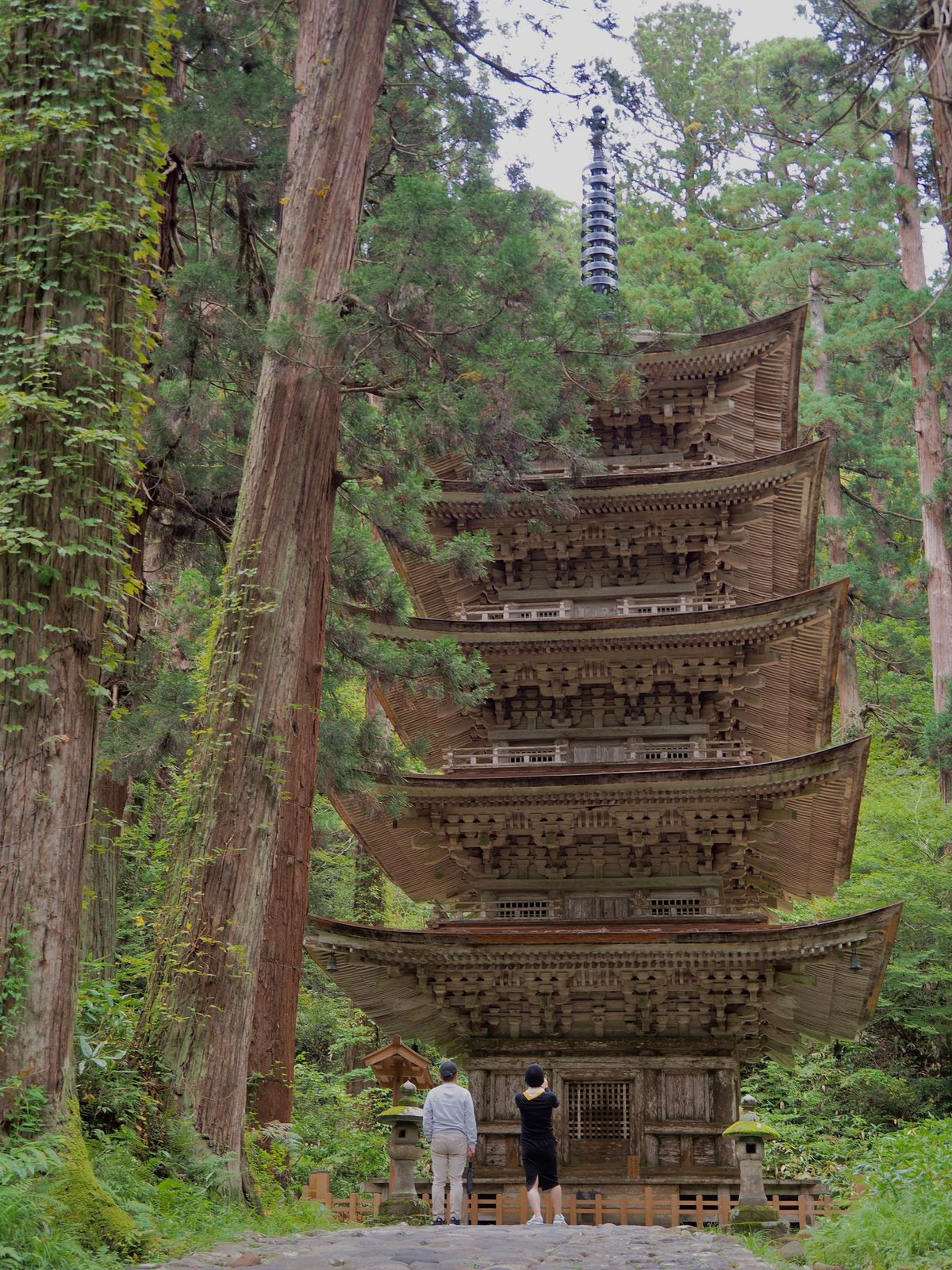
Dewa Sanzan
Three sacred mountains — Haguro (birth), Gassan (death) and Yudono (rebirth) — pilgrimage circuit of the ancient yamabushi mountain ascetics. The Haguro-san five-storey pagoda among 600-year-old cedar trees is one of Japan's most atmospheric.
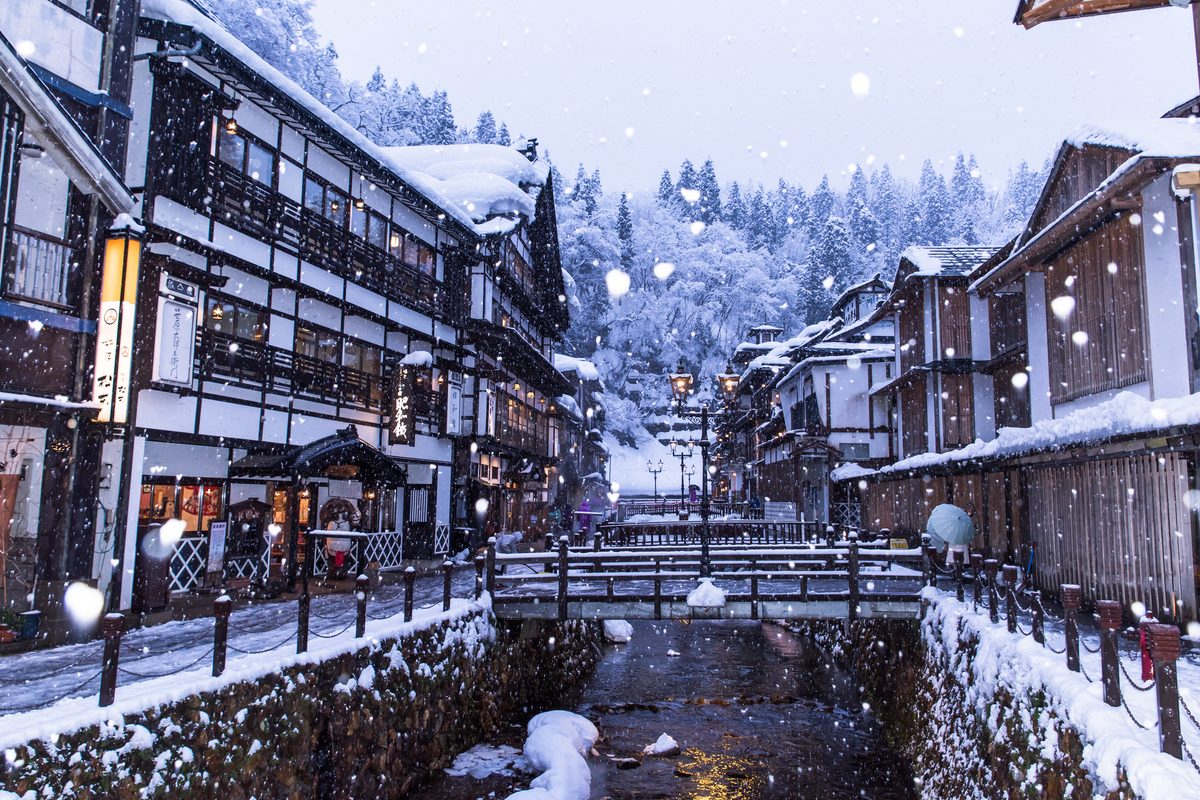
Ginzan Onsen
Japan's most photogenic hot spring village — Taisho-era multi-storey wooden ryokan line both banks of a narrow mountain stream, their gas lanterns glowing golden on the water at dusk. Snow transforms it into a perfect winter world.