
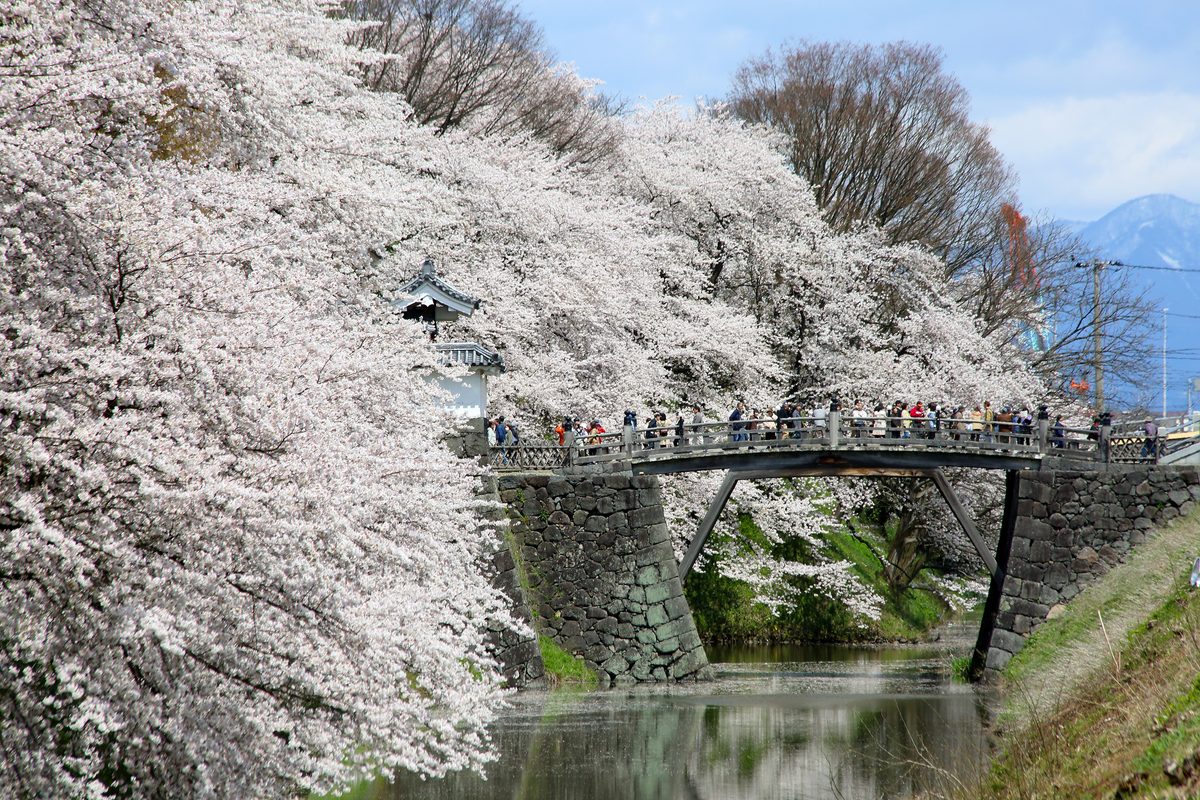
Kajo Park & Yamagata Castle Ruins
Kajo Park occupies the grounds of Yamagata Castle, a sprawling fortification built in 1357 and one of Japan's 100 Famous Castles. The stone walls, moats, and reconstructed East Great Gate (Higashi-Otemon) give a vivid sense of the castle's former scale, while the surrounding park provides one of the finest cherry blossom settings in the Tohoku region, with approximately 1,500 trees blooming each April. Located just minutes from Yamagata Station, the park is the natural starting point for exploring the city and connects easily to the nearby Bunshokan cultural hall.
1–2 hours
Free
Park: 5:00–22:00 (Apr 1–Oct 31), 5:30–22:00 (Nov 1–Mar 31); East Great Gate turret: seasonal public opening only (FY2025: Apr 5–Nov 3, 9:30–16:00; Jul–Aug until 17:00)
Late April (cherry blossoms), October–November (autumn foliage)
JR Yamagata Station: about 10 minutes on foot / about 15 minutes on foot from the east exit to the East Great Gate; Benichan Bus to "Kajo Koen-mae" is also available.
Location
Why Visit
- 1
One of Japan's 100 Famous Castles, with well-preserved stone walls and moats.
- 2
Approximately 1,500 cherry trees make this one of Tohoku's finest hanami spots.
- 3
Reconstructed East Great Gate offers a vivid impression of the original fortress.
- 4
Just 15 minutes on foot from Yamagata Station — ideal as a city walk starting point.
Local Tips
For cherry blossoms, aim for early to mid-April rather than late April. If you want to enter the East Great Gate turret, check the current seasonal opening schedule before visiting. Bunshokan also pairs well nearby.
Add to your AI itinerary
Let AI build a multi-day trip around this spot.
Advertisement
More in Yamagata
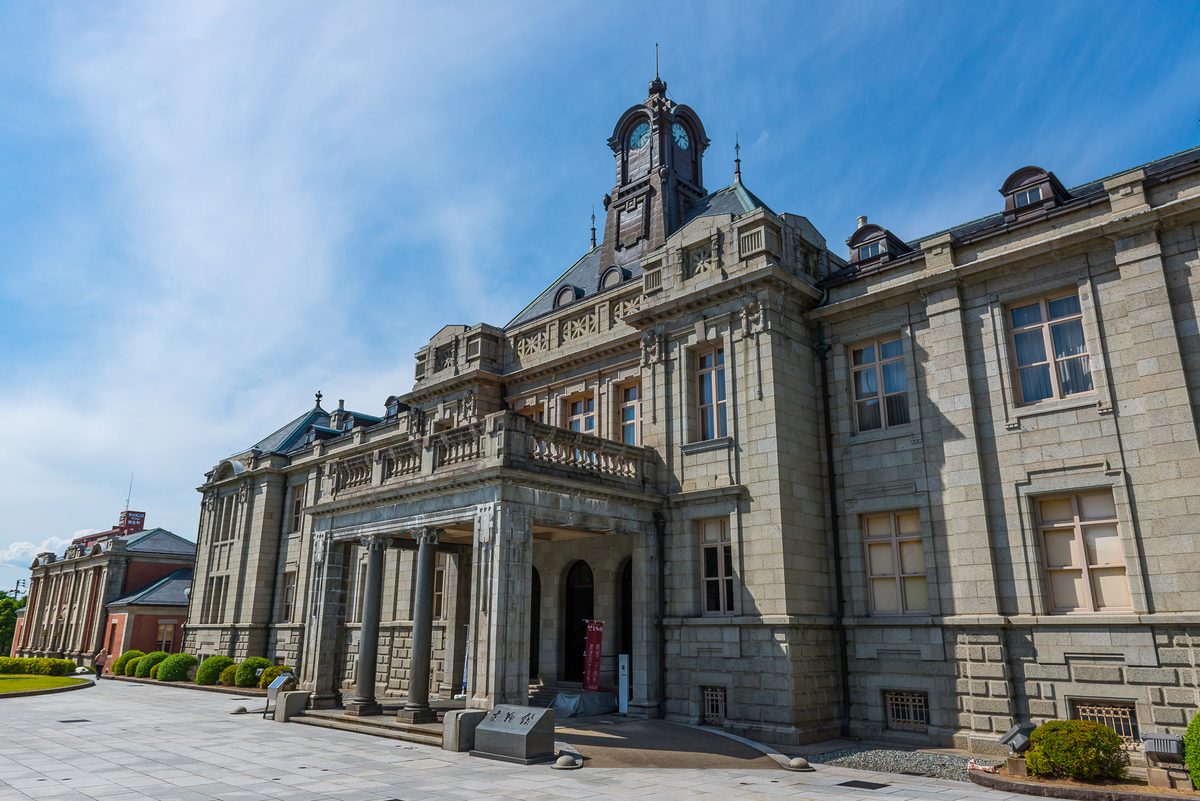
Bunshokan — Yamagata Prefectural Museum
Bunshokan is a striking red-brick building completed in 1916, originally serving as the Yamagata Prefectural Office and Assembly Hall before being designated an Important Cultural Property of Japan. The Taisho-era Western-style architecture, complete with a central clocktower, stands in sharp contrast to the castle walls of the adjacent Kajo Park, offering a window into a different chapter of Yamagata's history. Today the building functions as the Yamagata Prefectural Museum of Art, housing rotating exhibitions and permanent displays, and remains one of the most recognisable landmarks in the city.
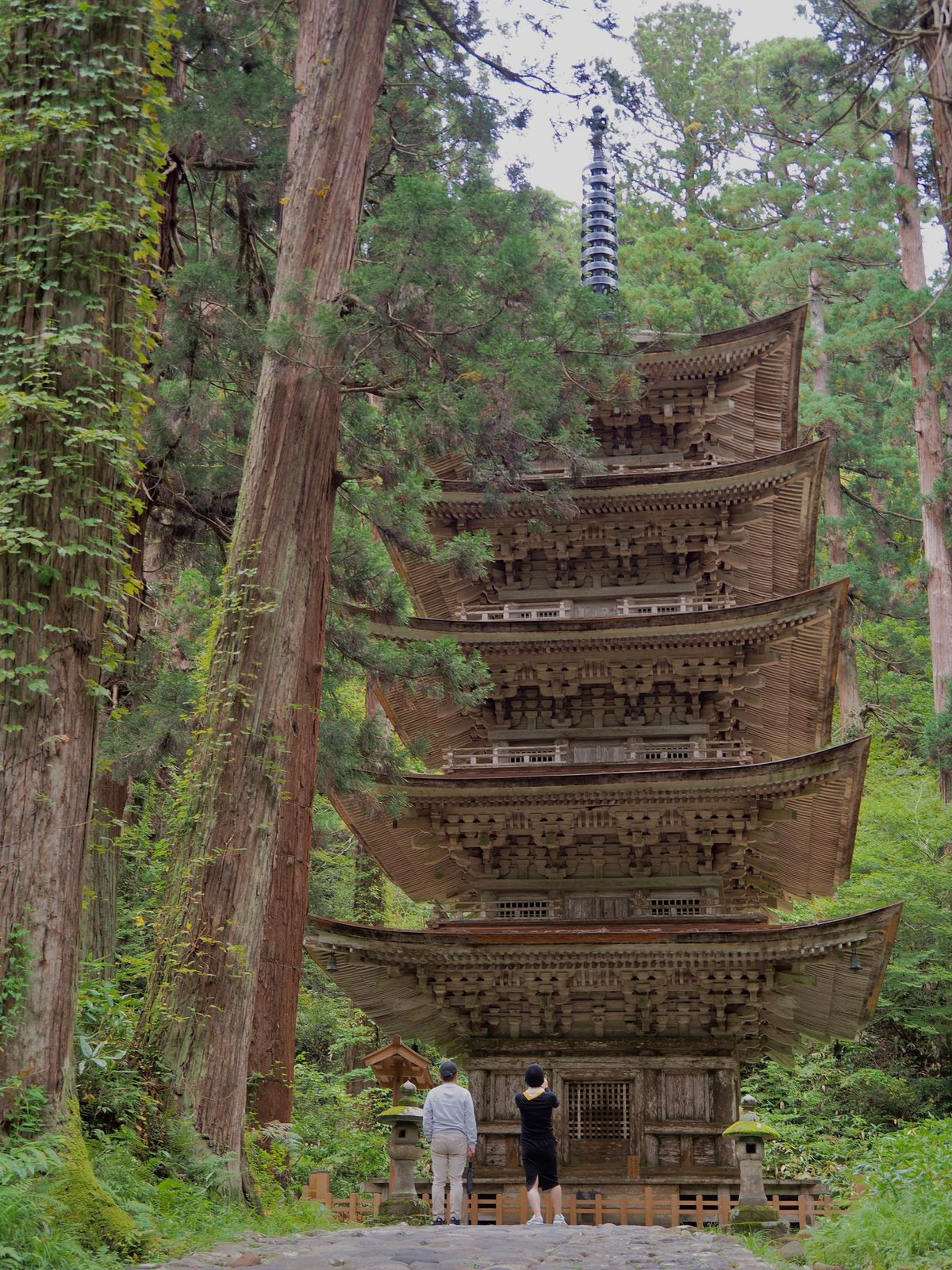
Dewa Sanzan
Three sacred mountains — Haguro (birth), Gassan (death) and Yudono (rebirth) — pilgrimage circuit of the ancient yamabushi mountain ascetics. The Haguro-san five-storey pagoda among 600-year-old cedar trees is one of Japan's most atmospheric.
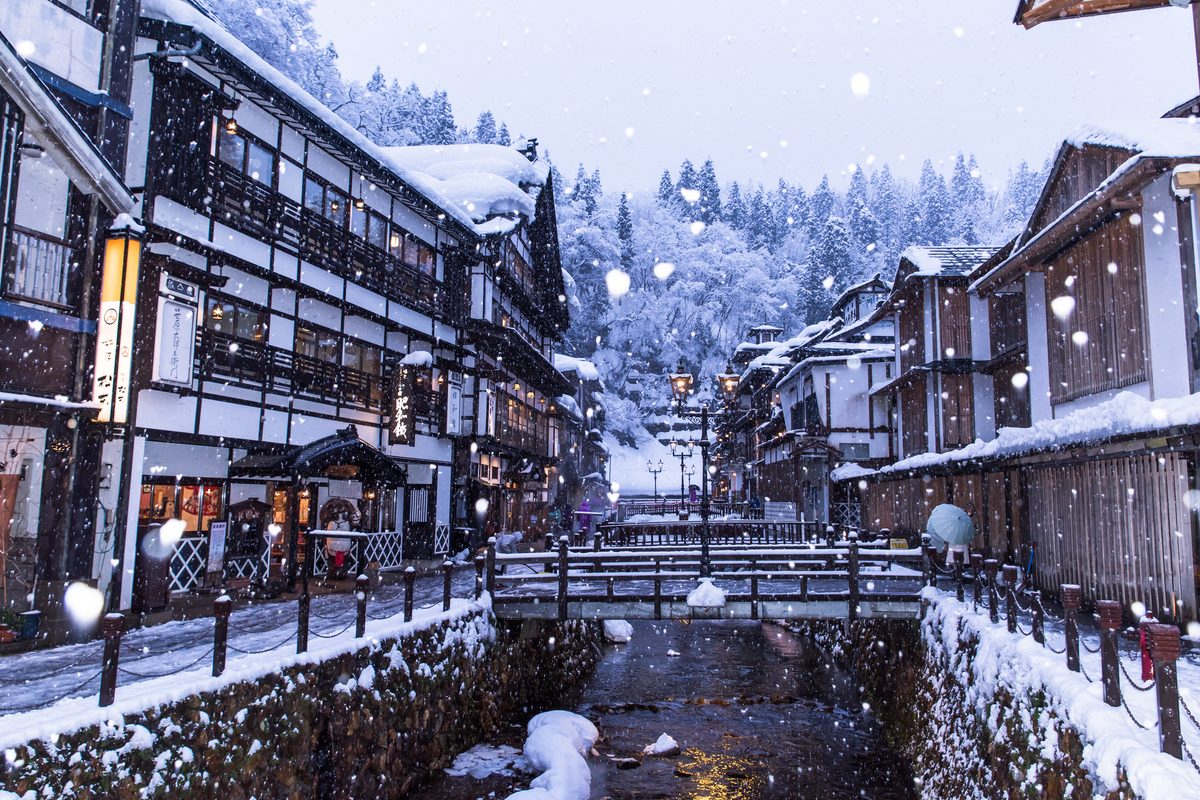
Ginzan Onsen
Japan's most photogenic hot spring village — Taisho-era multi-storey wooden ryokan line both banks of a narrow mountain stream, their gas lanterns glowing golden on the water at dusk. Snow transforms it into a perfect winter world.