
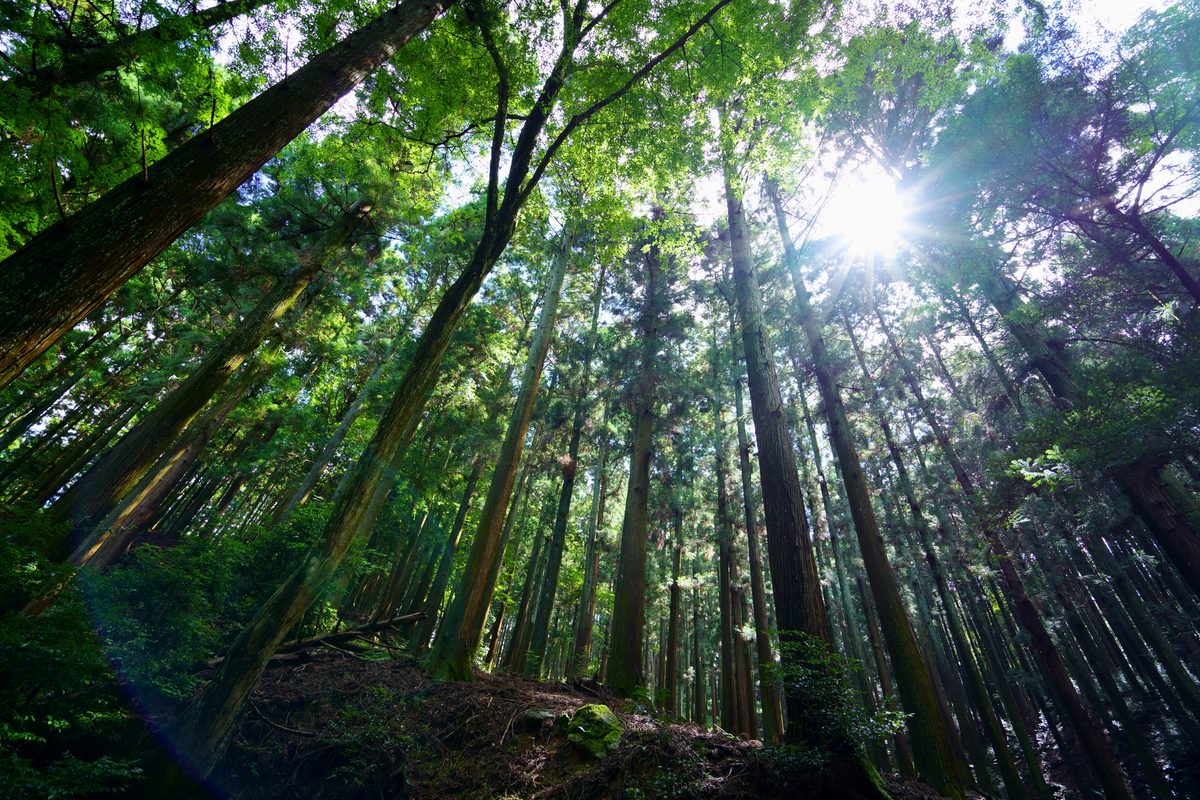
Kasugayama Primeval Forest
One of Japan's oldest protected forests, left completely undisturbed since Kasuga Grand Shrine was founded in 768 AD. The result is a primeval broadleaf temperate forest where trees up to 700 years old tower over the walking paths — a rare living example of what pre-human Japan looked like. Part of the UNESCO World Heritage site.
1–2 hours
Free
Always open (walking paths through the forest)
May–June (fresh leaves), November (golden canopy)
15 min walk from Kintetsu Nara Station via Nara Park
Location
Why Visit
- 1
1,200 years of zero human interference has produced trees of extraordinary age and size
- 2
Designated UNESCO World Heritage natural area — one of the oldest protected forests in Asia
- 3
The forest path is walkable in 45 minutes and begins just behind the famous Kasuga lanterns
Local Tips
Designated a UNESCO World Heritage site as part of the Nara sacred landscape — the forest has been protected from logging for over 1,000 years, making it a rare example of ancient Japanese woodland. Enter via the path behind Kasuga Taisha or from the Wakakusa hillside. The forest contrasts sharply with the manicured gardens and temples below.
Add to your AI itinerary
Let AI build a multi-day trip around this spot.
Advertisement
More in Nara
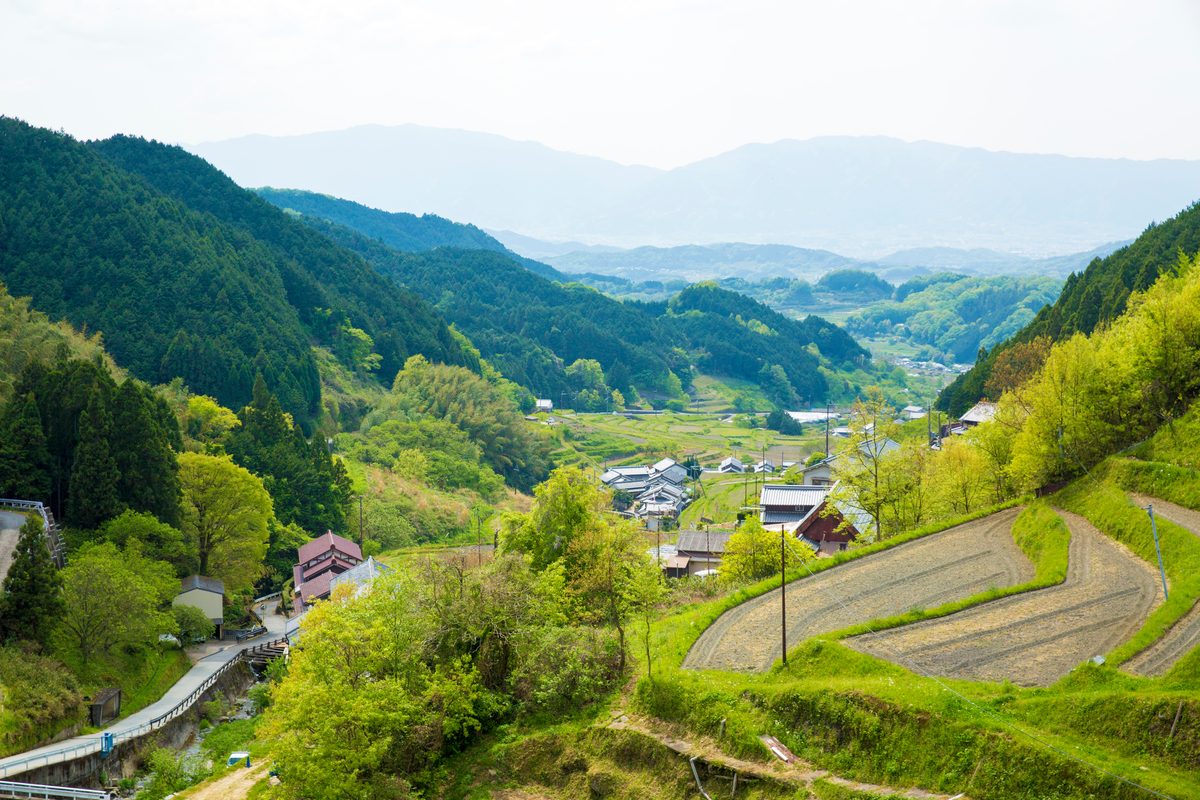
Asuka Village
Japan's ancient capital before Nara — the seat of power in the 6th and 7th centuries, dotted with mysterious stone sculptures, burial mounds, and the oldest Buddhist carvings in Japan. Best explored by rental bicycle through rice fields connecting colossal granite figures, imperial tombs, and the Asuka-dera temple (Japan's oldest).
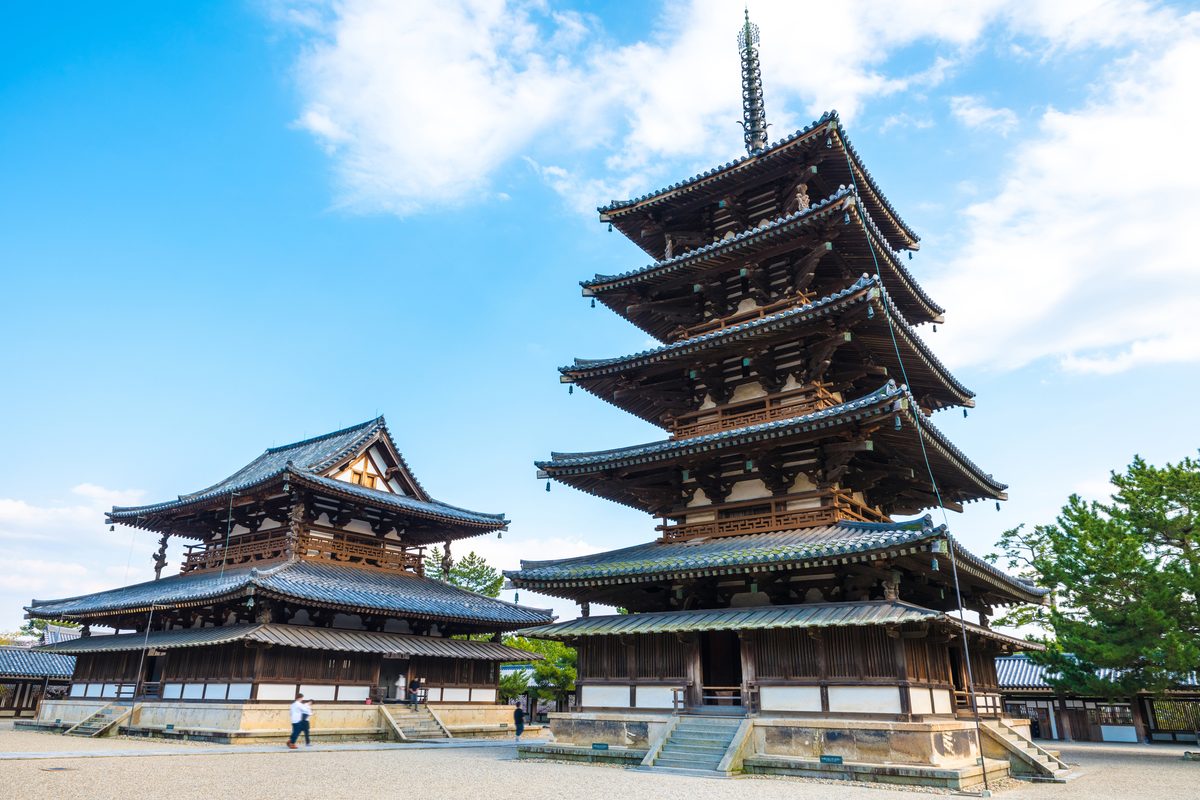
Horyuji Temple
The world's oldest surviving wooden structures — the main hall (kondo) and five-storey pagoda were built in 607 CE and have stood for 1,400 years. A UNESCO World Heritage site and the temple founded by Prince Shotoku himself. The attached Yumedono (Hall of Dreams) houses Japan's most perfectly preserved 7th-century gilt bronze statue.
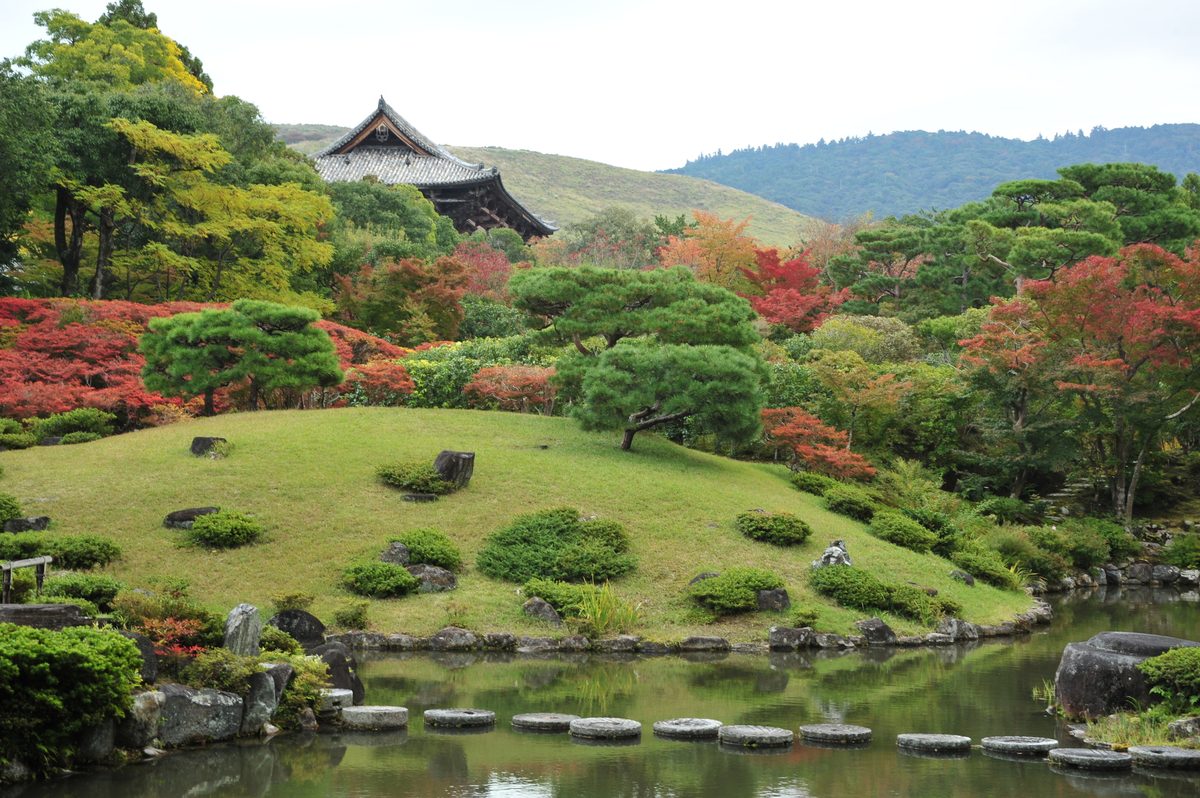
Isuien Garden
Nara's finest stroll garden — a succession of ponds, bridges, and viewpoints that incorporate Mt Mikasa and the Great Buddha Hall roof into the composition as "borrowed scenery." Built in the 17th and 19th centuries, it remains one of Japan's most sophisticated examples of the shakkei technique.