
Kinugawa Onsen
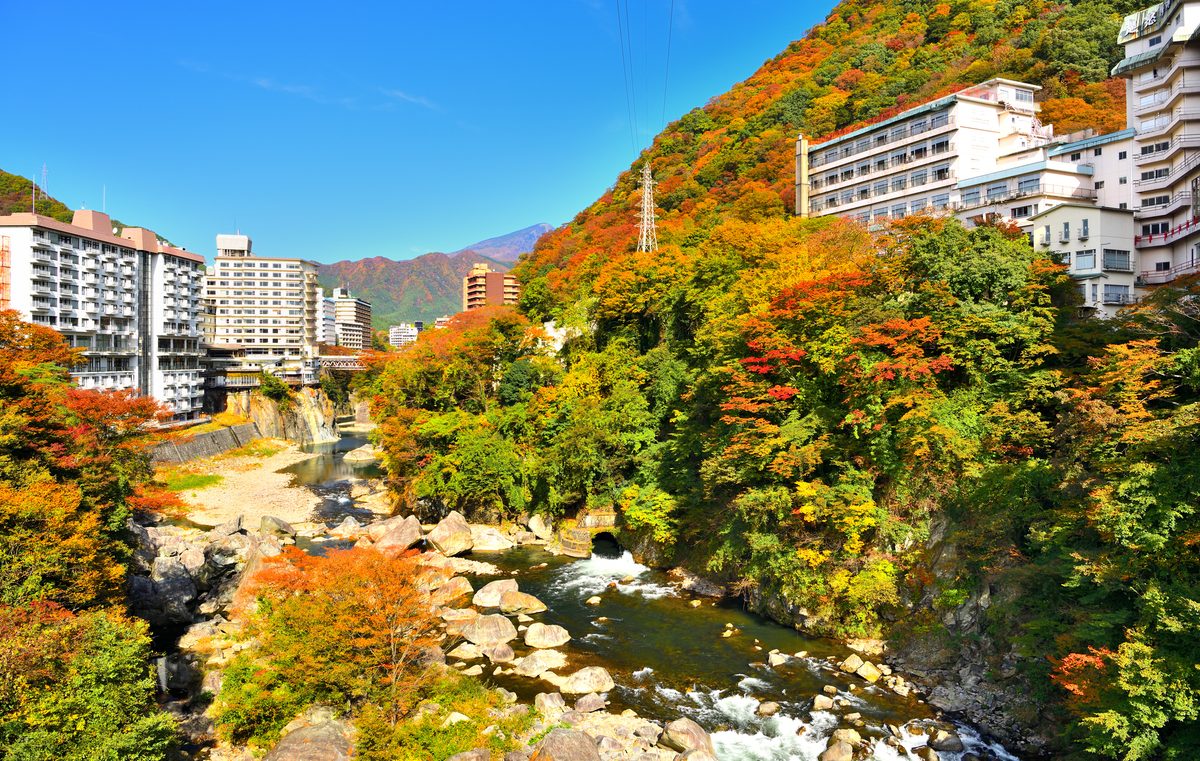
The closest large onsen resort to Tokyo — a river gorge resort 2 hours from Asakusa with riverside ryokan, outdoor baths above the Kinugawa River, and a gentle bamboo-and-maple canyon that turns orange in November. The Tobu World Square nearby has 1:25 scale replicas of 102 world heritage sites.
1–2 days recommended
Ryokan day bath from ¥1,000
Ryokan day baths: typically 11:00–15:00 (call ahead); outdoor free footbath at station: daytime
October–November (foliage), Year-round
Tobu Kinugawa Line Limited Express from Asakusa (2 hours)
Location
Why Visit
- 1
Riverside ryokan with open-air baths directly above the Kinugawa gorge — rocks and water below
- 2
The canyon autumn foliage (October–November) frames the river in orange and gold
- 3
Tobu World Square nearby has 1:25 miniature replicas of Eiffel Tower, Taj Mahal, and 100 others
Local Tips
Kinugawa's gorge setting is the main appeal — the deep canyon and rushing river running between the ryokan buildings creates a dramatic backdrop. The Tobu Railway Day Pass from Asakusa covers trains and some bus routes. Nikko is 30 minutes away — combine both for a full Tochigi day.
Add to your AI itinerary
Let AI build a multi-day trip around this spot.
Advertisement
More in Tochigi
Ashikaga Flower Park
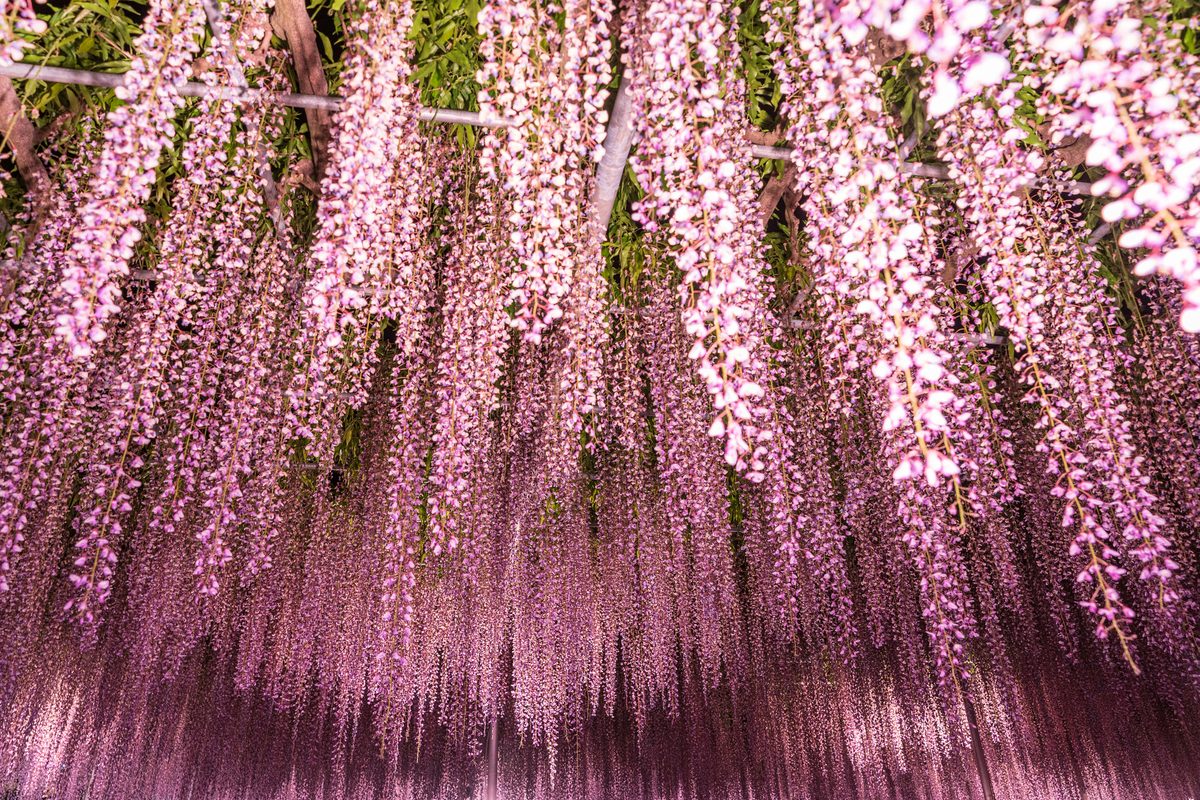
Japan's most spectacular wisteria garden — eight ancient wisteria trees, the largest over 150 years old and spanning 1,000 square metres, create tunnels and waterfalls of hanging purple and white blossoms in late April. The park also has white wisteria, yellow banksia rose, and a carpet of blue wisteria — each with its own photographic composition.
Kegon Falls & Lake Chuzenji
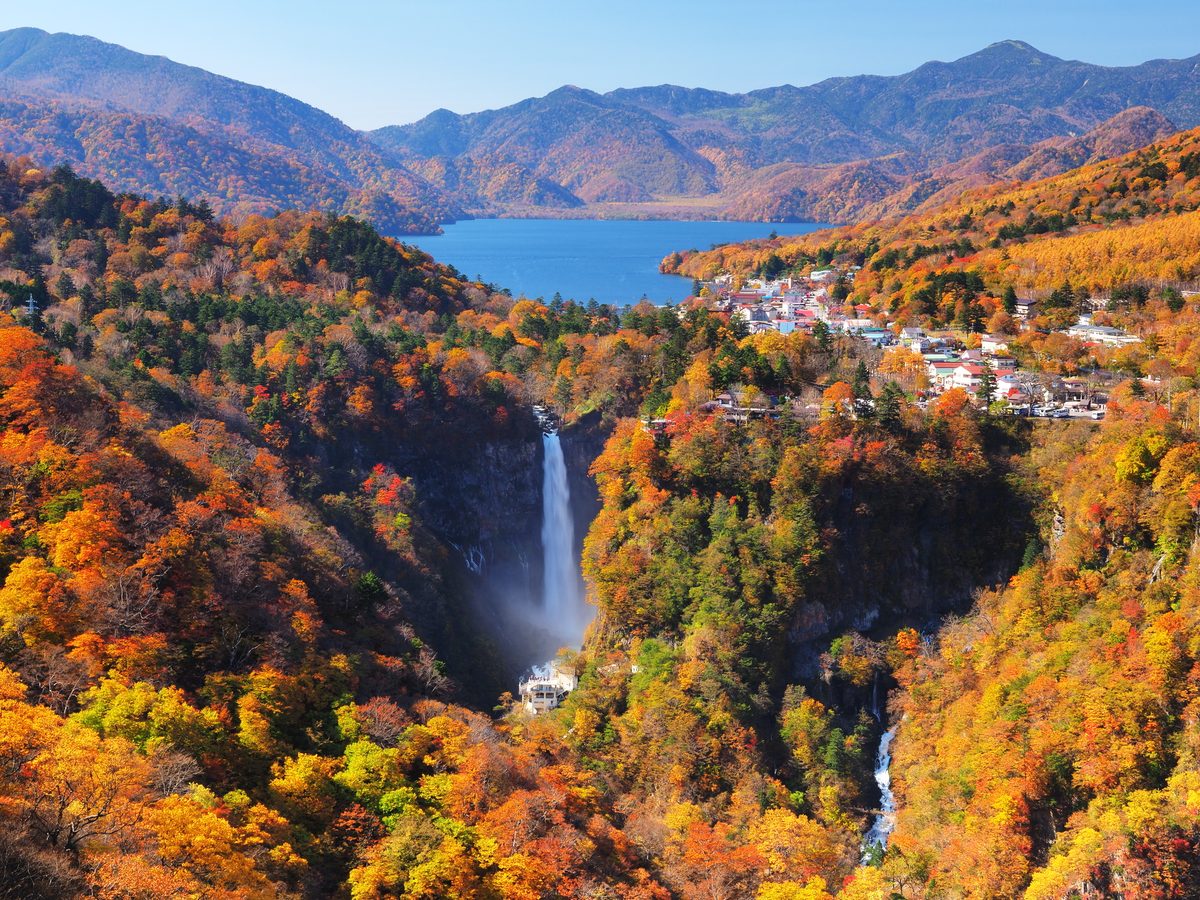
Japan's most famous waterfall — a 97-metre drop from the overflow of Lake Chuzenji into the Daiya River gorge. Lake Chuzenji itself sits in a volcanic caldera at 1,269 metres with mountain views of Nantai Volcano. In autumn, the colours of the lake's surrounding beech and maple forests rival any in Japan.
Mashiko — Living Pottery Village
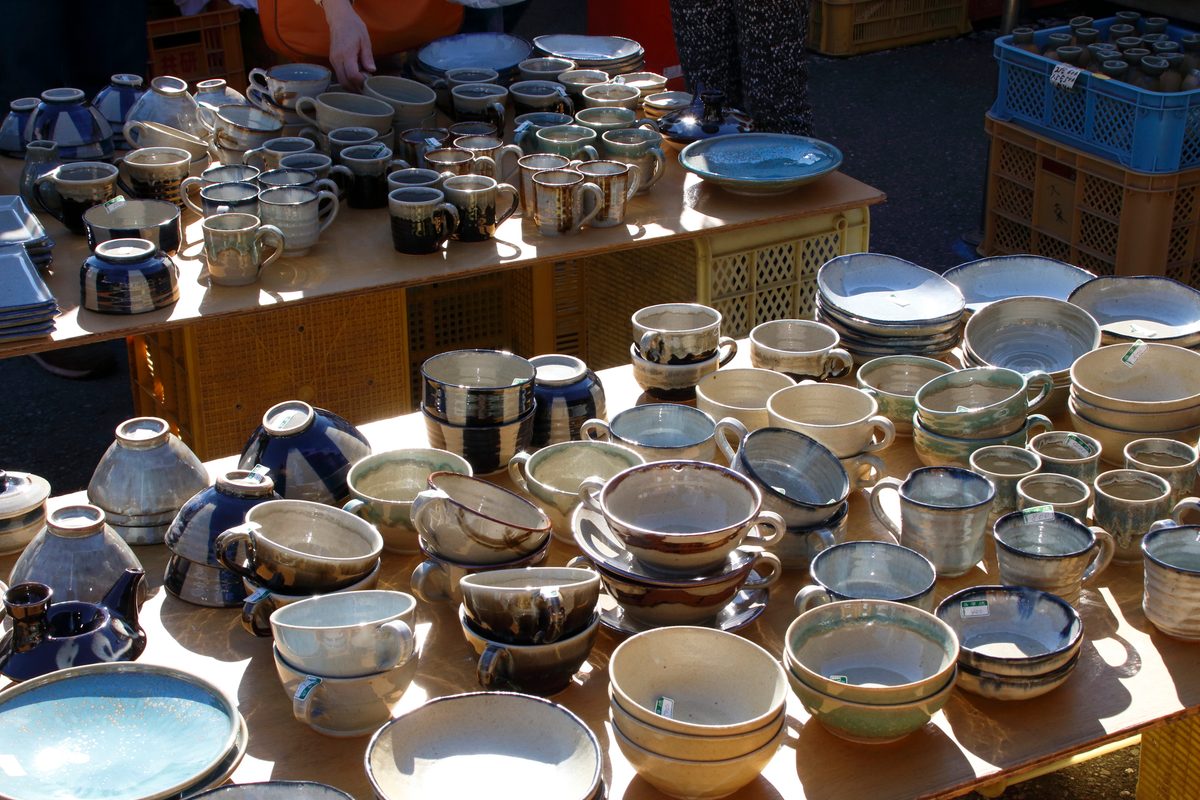
The village where ceramics master Hamada Shoji helped launch the Mingei (folk crafts) movement alongside Bernard Leach. Over 300 kilns and galleries cover the hills, producing Mashiko-yaki — earthy, unpretentious stoneware. The Mashiko Reference Collection Museum houses Hamada's original workshop and kiln exactly as he left it.