
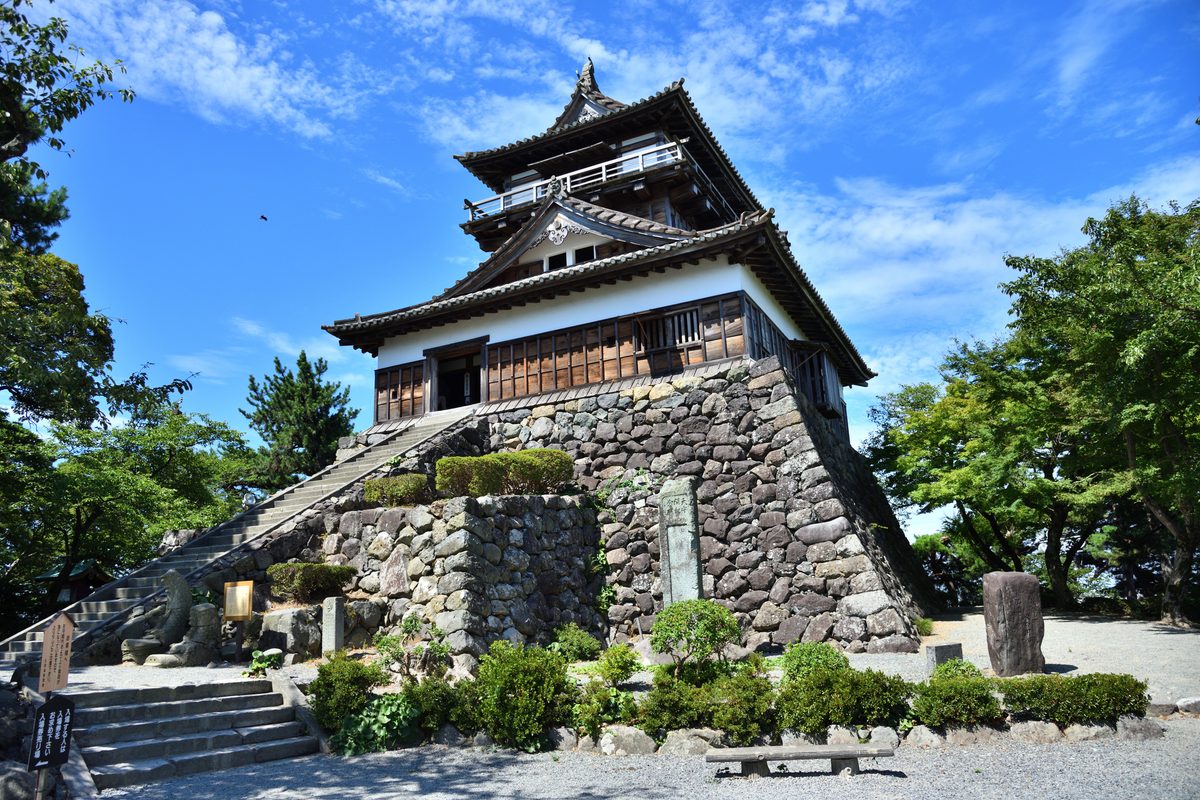
Maruoka Castle
One of Japan's twelve surviving original castle keeps — a small three-storey tower built in 1576, making it one of the oldest in Japan. The castle is nicknamed "Kiri-no-Shiro" (Misty Castle) for the sea fog that rolls in from Fukui's coast to surround it. The steep wooden stairs inside are the most authentic of any remaining castle in Japan.
45–60 min
¥450
8:30–17:00 year-round
March–April (cherry blossoms), Year-round
Bus from Maruoka Station (JR Hokuriku Line, 10 min)
Location
Why Visit
- 1
One of Japan's 12 original castle keeps — unchanged since 1576, the oldest dating style in Japan
- 2
The interior wooden stairs are the steepest and most authentic of any surviving castle
- 3
Called "Misty Castle" — sea fog from the Japan Sea surrounds the keep on winter mornings
Local Tips
Japan's oldest surviving castle keep (possibly 1576) — unrestored and slightly tilting, giving it a genuine sense of age rare among Japanese castles. The interior ladders are extremely steep; handrails provided. The spring cherry blossom moat view is one of Fukui's most photographed scenes. Combine with Ichijodani Ruins and Eiheiji Temple for a full Fukui history day.
Add to your AI itinerary
Let AI build a multi-day trip around this spot.
Advertisement
More in Fukui
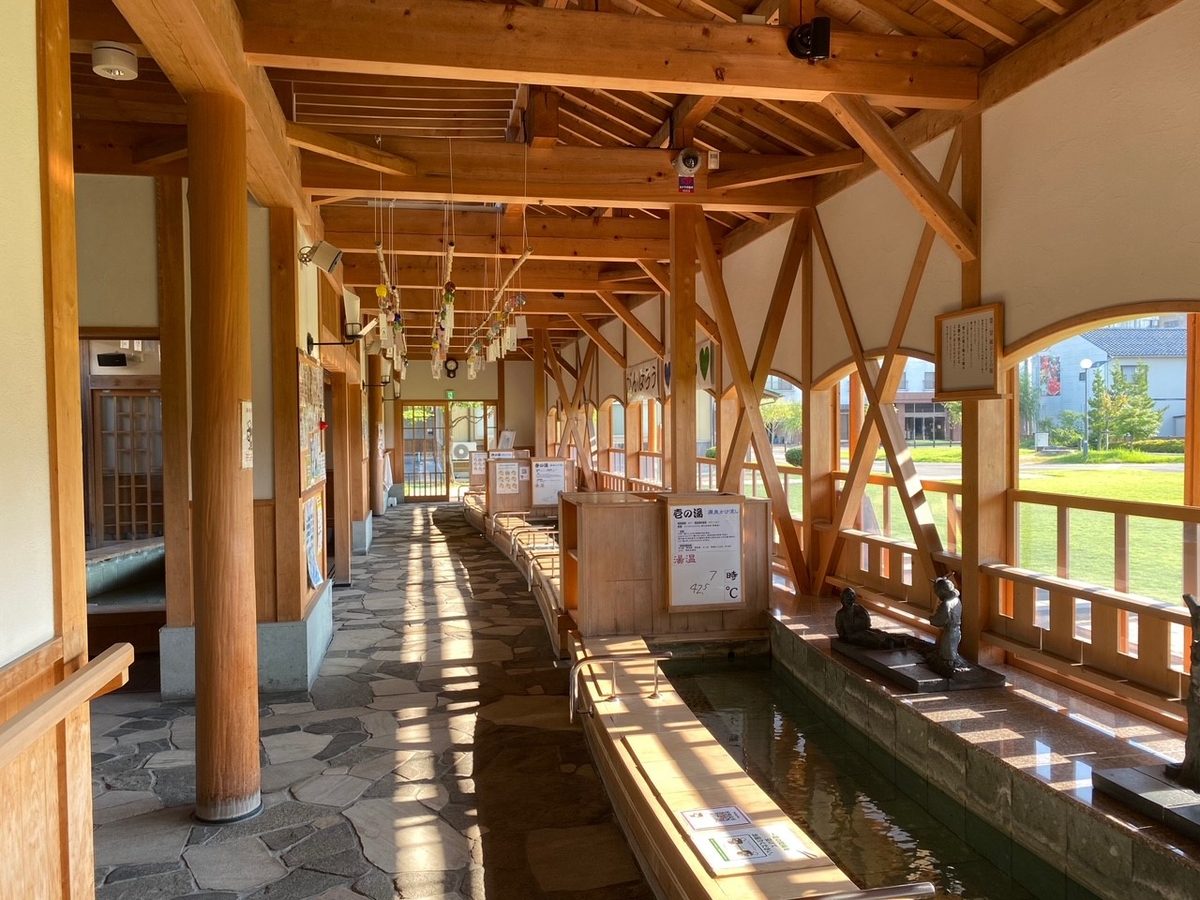
Awara Onsen
Fukui's most celebrated hot spring resort — a traditional geisha town discovered when a farmer struck boiling water while digging in 1883. The resort was the setting for Izumi Kyoka's novel "The Holy Man of Mt Koya" and is considered Hokuriku's most atmospheric onsen town. The Yukemuri Yokocho alley has free public foot baths and evening geisha performances.
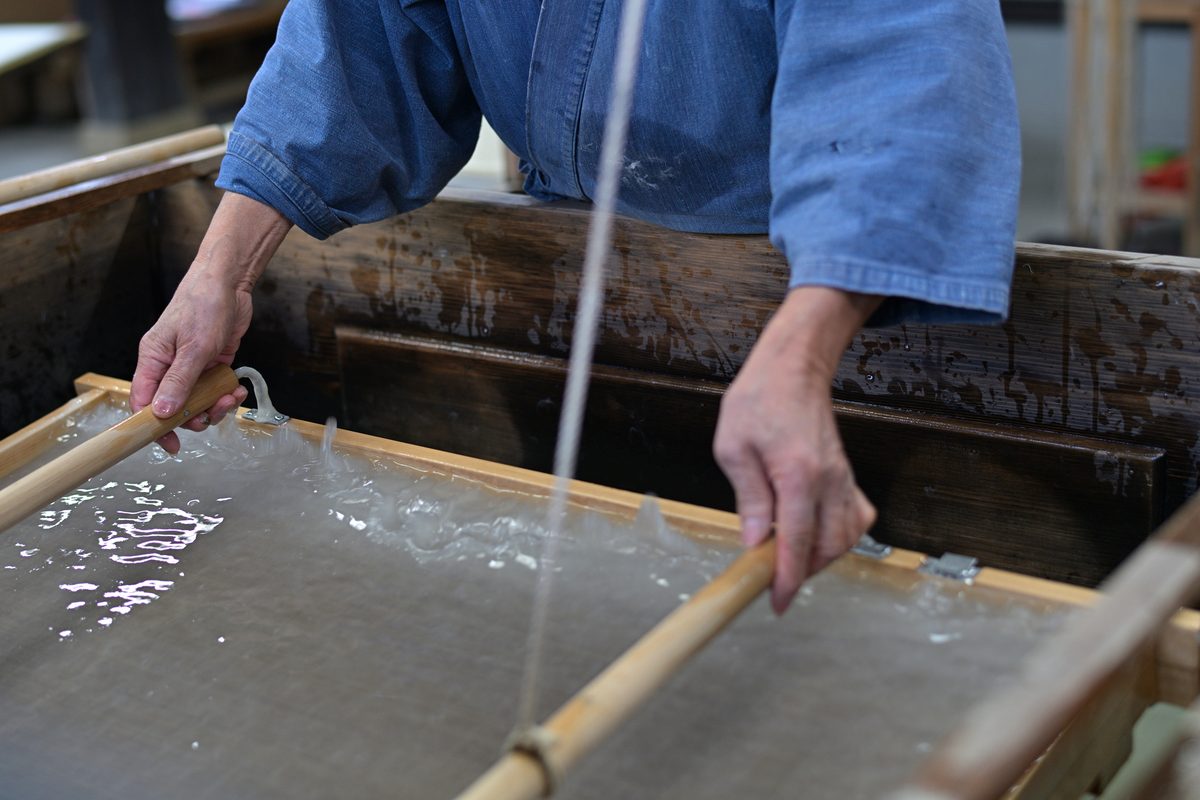
Echizen Washi Village
The birthplace of Japanese paper (washi) — Echizen has been producing paper for 1,500 years, longer than any other region. The Papyrus Museum and Paper Village (Udatsu no Kamimachi) have 10 working paper studios where visitors can make their own sheets using 1,500-year-old techniques. Echizen paper is used for official government documents and National Treasure restoration.
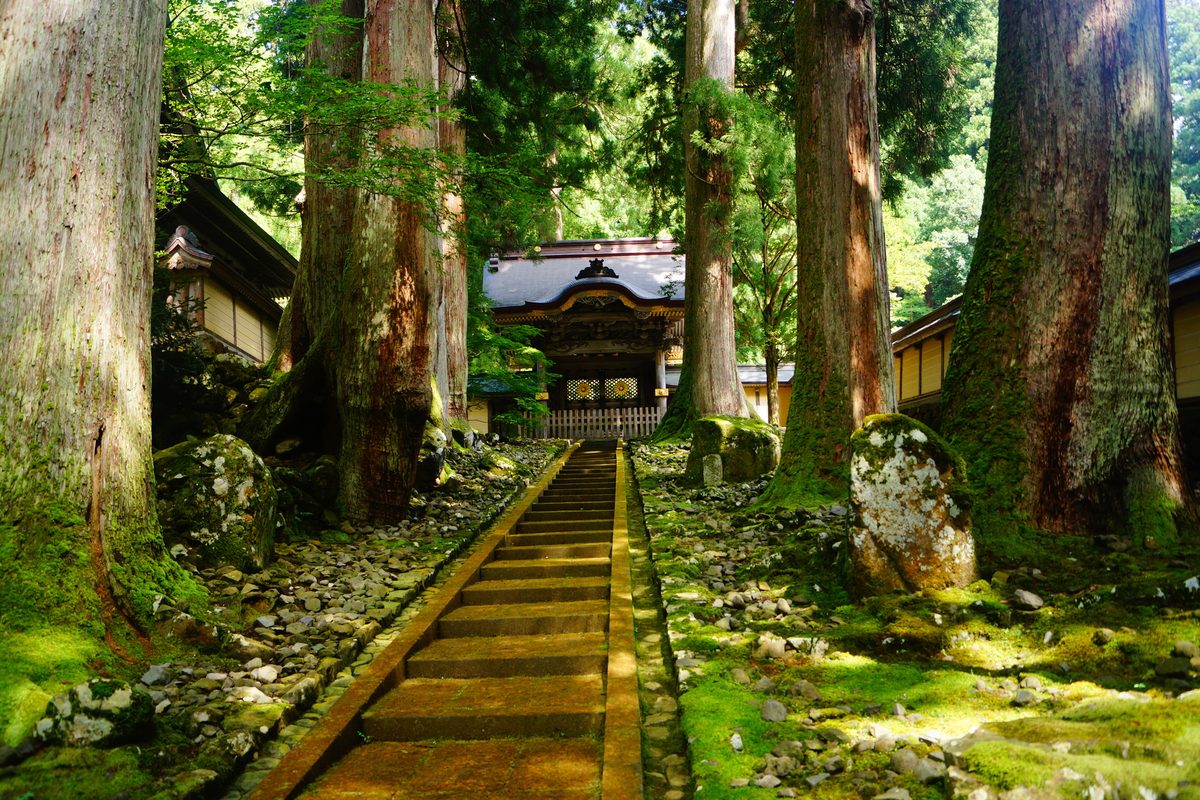
Eiheiji Temple
The head training monastery of Soto Zen Buddhism — founded by Dogen Zenji in 1244, still home to 150–200 trainee monks undergoing rigorous daily practice. The 70 temple buildings are connected by wooden corridors through ancient cedar forest. Visitors enter freely but must observe strict silence — this is a living, active monastery, not a museum.